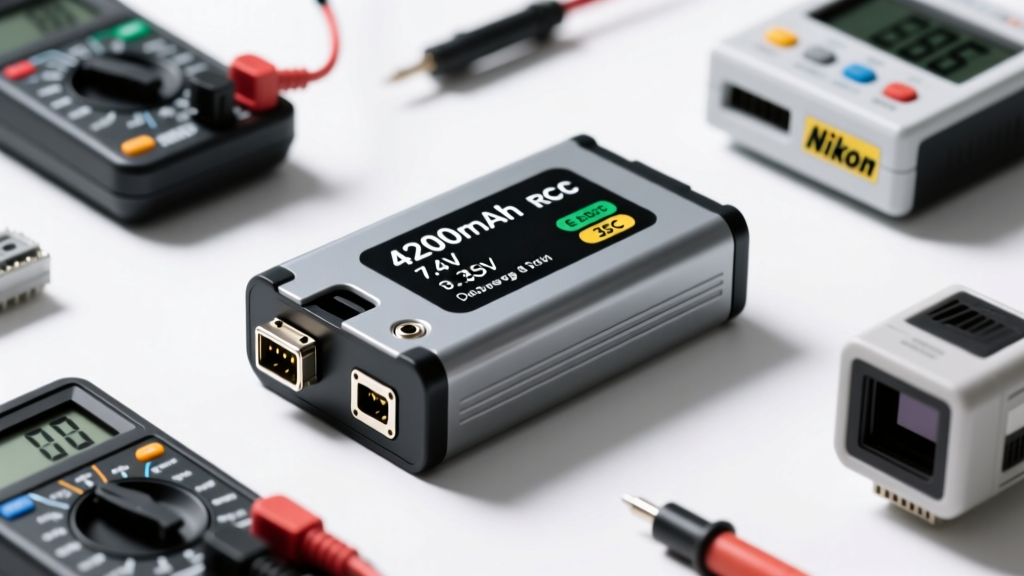
Types of SFP Fiber Media Converters
A Small Form-factor Pluggable (SFP) fiber media converter is a compact, versatile networking device designed to bridge the gap between fiber optic and copper-based cabling systems. These converters are essential in modern network infrastructure, enabling seamless integration of high-speed fiber optics with traditional Ethernet or legacy systems. They vary by supported network standards, transmission media, speed capabilities, and application environments.
The following are the most common types of SFP fiber media converters, each engineered to address specific connectivity challenges in enterprise, data center, and telecommunications environments.
SFP to RJ45 Media Converters
Converts optical signals from an SFP module into electrical signals compatible with standard Ethernet (RJ45) ports.
Advantages
- Enables fiber-to-copper connectivity for end-user devices
- Supports Gigabit Ethernet speeds (1 Gbps)
- Ideal for connecting switches to desktops or IP cameras
- Extends network reach using fiber backbone
Limitations
- Limited to shorter copper runs (up to 100m)
- More susceptible to EMI on copper side
- Speed limited by copper interface standard
Best for: Enterprise LANs, surveillance systems, and hybrid fiber-copper networks
SFP to Fiber Media Converters
Facilitates conversion between different fiber types—typically single-mode to multimode or vice versa.
Advantages
- Enables interoperability between fiber infrastructures
- Supports long-haul transmission (up to 120km)
- Maintains signal integrity across fiber types
- Essential for network upgrades and expansions
Limitations
- Requires precise wavelength matching
- Higher cost than copper-based converters
- Needs proper fiber polarity and alignment
Best for: Data center interconnects, campus backbones, and fiber migration projects
SFP to Coaxial Cable Converters
Integrates legacy coaxial cable systems with modern fiber optic networks, preserving existing infrastructure.
Advantages
- Leverages existing coax cabling for cost savings
- Supports high-bandwidth applications over coax
- Smooth transition from analog to digital systems
- Used in CATV, broadcast, and security systems
Limitations
- Less common and limited vendor support
- Bandwidth constrained by coax quality
- Shorter transmission distances than fiber
Best for: Legacy system upgrades, broadcast video, and coax-dependent facilities
WDM SFP Fiber Media Converters
Utilizes Wavelength Division Multiplexing to transmit multiple data channels over a single fiber strand using different light wavelengths.
Advantages
- Doubles fiber capacity without new cabling
- Supports bidirectional (BiDi) communication
- Ideal for bandwidth-constrained environments
- Available in CWDM and DWDM variants
Limitations
- Requires matched wavelength pairs
- Higher initial investment
- More complex installation and management
Best for: Metro networks, service providers, and high-density fiber environments
SFP+ Media Converters
Designed for 10 Gigabit Ethernet (10GBASE), supporting the IEEE 802.3ae standard and backward compatibility with lower-speed SFP modules.
Advantages
- Delivers high-speed 10 Gbps data transmission
- Backward compatible with 1G SFP modules
- Supports both fiber and copper SFP+ transceivers
- Critical for data centers and high-performance computing
Limitations
- Higher power consumption
- More expensive than standard SFP converters
- Requires compatible 10G infrastructure
Best for: Data centers, high-speed backbone links, and future-proof network upgrades
| Type | Speed | Media Conversion | Typical Use Case | Distance Support |
|---|---|---|---|---|
| SFP to RJ45 | 1 Gbps | Fiber ↔ Copper (Ethernet) | LAN connectivity, IP cameras | Up to 100m (copper) |
| SFP to Fiber | 1 Gbps – 10 Gbps | Single-mode ↔ Multimode | Network expansion, upgrades | Up to 120 km |
| SFP to Coaxial | Varies (up to 3 Gbps) | Fiber ↔ Coaxial | Legacy system integration | Up to 500m |
| WDM SFP | 1 Gbps – 10 Gbps | Fiber (wavelength multiplexing) | Bandwidth optimization | Up to 120 km |
| SFP+ | 10 Gbps | Fiber or DAC ↔ Network | High-speed data centers | Up to 40 km (fiber) |
Expert Tip: When deploying WDM or SFP+ converters, ensure your fiber patch cables are OS2 (single-mode) for long-distance applications and verify compatibility with your switch's SFP cage specifications to avoid interoperability issues.
Each type of SFP fiber media converter is specifically engineered to address unique network infrastructure challenges, ensuring seamless integration between copper and fiber optic technologies. The selection depends on critical factors such as required bandwidth, transmission distance, existing cabling, and future scalability. Choosing the right converter ensures optimal performance, reliability, and efficient data communication across hybrid network environments.
Key Features of Small Form-Factor Pluggable (SFP) Fiber Media Converters
Small Form-Factor Pluggable (SFP) fiber media converters play a pivotal role in modern network infrastructure by bridging copper and fiber networks, enabling seamless data transmission across diverse environments. These compact devices deliver high-speed connectivity while offering unmatched flexibility and scalability. Below is a detailed breakdown of the core features that make SFP media converters essential for enterprise, data center, and telecommunications applications.
Compact and Modular Design
One of the most significant advantages of SFP fiber media converters is their compact and modular architecture. This design enables hot-swapping—meaning SFP modules can be inserted or replaced without powering down the host device or disrupting network operations. This capability is crucial in mission-critical environments where uptime is paramount.
The modularity also supports easy upgrades and reconfiguration. For example, a network administrator can switch from a multimode SFP to a single-mode module to extend transmission distance, or upgrade from 1G to 10G optics as bandwidth demands grow—all without replacing the entire switch or media converter unit. This adaptability enhances long-term scalability and reduces total cost of ownership.
Wide Range of Compatibility
SFP media converters are engineered for broad interoperability across various fiber types and network standards. They support both single-mode fiber (SMF), ideal for long-distance transmission (up to 120 km), and multimode fiber (MMF), suited for shorter distances within buildings or campuses (up to 2 km depending on grade).
This versatility allows integration into heterogeneous network environments, connecting legacy copper-based systems with modern fiber-optic backbones. Additionally, SFPs adhere to industry-standard MSA (Multi-Source Agreement) specifications, ensuring compatibility across vendors and equipment brands. Whether deploying in a data center, industrial facility, or campus network, SFP converters provide a reliable bridge between disparate technologies.
Data Rate Support and Bandwidth Flexibility
SFP media converters support a wide range of data rates, typically from 100 Mbps up to 10 Gbps. Standard SFP modules operate at speeds up to 1.25 Gbps, making them ideal for Gigabit Ethernet applications, while enhanced versions like SFP+ support 10 Gbps for high-performance networks.
Some advanced models even support 8 Gbps Fibre Channel for storage area networks (SANs). This tiered bandwidth capability ensures that organizations can deploy the right module for their current needs while planning for future growth. The ability to scale bandwidth without overhauling existing infrastructure makes SFP technology a future-proof investment in evolving network demands.
Autodetection and Auto-Negotiation
Equipped with intelligent autodetection and auto-negotiation capabilities, SFP media converters automatically identify and configure the optimal link parameters when connected to a network device. This includes detecting the correct speed (e.g., 100 Mbps, 1 Gbps) and duplex mode (half or full), eliminating the need for manual configuration.
This plug-and-play functionality simplifies deployment, reduces human error, and accelerates setup time—especially in large-scale or dynamic environments. Auto-negotiation also ensures compatibility with a wide array of switches, routers, and servers, promoting seamless integration across mixed-vendor infrastructures and enhancing overall network reliability and performance.
| Feature | Technical Benefit | Practical Application |
|---|---|---|
| Modular Design | Hot-swappable, no downtime required | Easy upgrades in live networks; ideal for data centers and telecom hubs |
| Fiber Compatibility | Supports SMF and MMF with various wavelengths | Connects short-range LANs and long-haul WANs using the same platform |
| Data Rates (SFP/SFP+) | 100 Mbps to 10 Gbps support | Scalable for growing bandwidth needs in enterprise and cloud networks |
| Auto-Negotiation | Automatic speed and duplex detection | Reduces configuration errors; simplifies installation and maintenance |
Additional Advantages and Use Cases
- Energy Efficiency: SFP modules are designed for low power consumption, contributing to greener data centers and reduced operational costs.
- Electromagnetic Interference (EMI) Immunity: By converting electrical signals to optical ones, SFPs eliminate EMI issues common in copper cabling, improving signal integrity in electrically noisy environments.
- Extended Reach: Fiber transmission allows data to travel much farther than copper—critical for connecting remote buildings, campuses, or industrial sites.
- Security: Fiber is more difficult to tap than copper, offering enhanced data security for sensitive applications.
Important: Always verify compatibility between your SFP module, switch, and fiber type before deployment. Using non-MSA-compliant or third-party modules may lead to interoperability issues or void equipment warranties. Regular monitoring of link status and temperature via digital diagnostics (DDM/DOM) features can help prevent unexpected failures and ensure sustained network health.
Precautions for SFP Fiber Media Converters
To ensure optimal performance, reliability, and longevity of SFP fiber media converters, it is essential to follow best practices during installation, operation, and maintenance. Adhering to these precautions minimizes the risk of damage, network downtime, and signal degradation—helping maintain a stable and efficient network infrastructure.
Compatibility Check
Before deployment, verify that the SFP fiber media converter is fully compatible with the connected networking equipment, including switches, routers, and transceivers. Mismatches in data rates (e.g., 1G vs. 10G), fiber types (single-mode vs. multi-mode), or connector interfaces (LC, SC) can lead to link failures or reduced throughput.
- Confirm transceiver specifications match the host device’s supported list (SFP, SFP+, etc.)
- Ensure wavelength alignment between paired transceivers (e.g., 1310nm with 1310nm)
- Use vendor-qualified or multi-vendor interoperable SFPs to avoid auto-negotiation issues
Pro tip: Always consult the device’s compatibility matrix or use a universal SFP from a reputable third-party supplier if OEM modules are cost-prohibitive.
Proper Handling Procedures
SFP modules are sensitive electronic components that can be easily damaged by electrostatic discharge (ESD) or physical impact. Proper handling ensures signal integrity and extends module lifespan.
- Wear an antistatic wrist strap when installing or removing SFPs, especially in dry environments
- Avoid touching the gold-plated electrical contacts or optical ports to prevent contamination
- Store unused SFPs in antistatic bags with protective caps on the optical connectors
Critical note: Finger oils or dust on the optical interface can cause signal attenuation or permanent lens damage.
Installation in Powered-Off Devices
Hot-plugging SFP modules into active equipment may seem convenient, but improper insertion can cause electrical surges, short circuits, or firmware glitches that damage both the module and the host device.
- Always power down the networking device before inserting or removing an SFP module
- If hot-swap capability is required, confirm the device explicitly supports it in its technical documentation
- Allow a few seconds after insertion before powering on to ensure stable connection
Safety first: Even with hot-swap support, ESD risks remain—always ground yourself before handling.
Environmental Considerations
Fiber media converters operate best within controlled environmental conditions. Exposure to extreme temperatures, humidity, or airborne particulates can degrade performance and shorten equipment life.
- Install converters in temperature-controlled environments (typically 0°C to 40°C / 32°F to 104°F)
- Maintain humidity levels between 10% and 80% non-condensing
- Use enclosed racks or cabinets with dust filters in industrial or outdoor settings
- Ensure adequate airflow around devices to prevent overheating
Best practice: Monitor environmental conditions using smart rack sensors for mission-critical installations.
Avoid Bending Fiber Cables
Fiber optic cables are highly sensitive to bending, which can cause micro-cracks in the glass core or macro-bending losses—resulting in signal attenuation or complete link failure.
- Never exceed the manufacturer’s specified minimum bend radius (typically 10–15 times the cable diameter)
- Avoid sharp corners, kinks, or pinching in cable trays and conduits
- Use cable management tools like radius guides and strain relief boots
- For tight spaces, consider using bend-insensitive fiber (e.g., ITU-T G.657)
Technical insight: A single tight bend can increase signal loss by over 1 dB, significantly reducing link budget margin.
Regular Maintenance Checks
Proactive maintenance ensures continued reliability and helps identify potential issues before they lead to network outages.
- Inspect SFPs and ports periodically for dust, debris, or corrosion
- Clean optical interfaces using approved fiber optic cleaning kits (never use compressed air alone)
- Check system logs for CRC errors, signal loss warnings, or temperature alerts
- Update firmware regularly to benefit from bug fixes, security patches, and improved compatibility
- Test link performance with optical power meters or OTDRs during scheduled maintenance windows
Preventive strategy: Implement a quarterly inspection schedule for all fiber-connected devices in enterprise networks.
Professional Recommendation: Treat SFP modules as precision instruments rather than commodity parts. Investing time in proper installation, environmental control, and ongoing maintenance pays dividends in network uptime and performance. When troubleshooting connectivity issues, always start with the physical layer—check SFP seating, cable integrity, and cleanliness before diving into software configurations.
| Precaution | Risk of Non-Compliance | Best Practice | Frequency |
|---|---|---|---|
| Compatibility Check | Link failure, reduced speed | Verify specs with vendor documentation | Before every installation |
| Proper Handling | ESD damage, signal degradation | Use ESD straps and protective caps | Every handling instance |
| Powered-Off Installation | Circuit damage, module burnout | Shut down device before insertion | Every installation/removal |
| Environmental Control | Overheating, condensation damage | Install in ventilated, clean enclosures | Ongoing monitoring |
| Fiber Bend Management | Signal loss, fiber breakage | Maintain minimum bend radius | During installation and moves |
| Regular Maintenance | Accumulated dust, outdated firmware | Scheduled cleaning and updates | Quarterly or as needed |
Additional Best Practices
- Labeling: Clearly label all SFPs and fiber cables for easy identification and faster troubleshooting
- Redundancy: Use dual SFP links with link aggregation or failover protocols for critical connections
- Documentation: Maintain an inventory of SFP types, firmware versions, and installation dates
- Testing: Use optical power meters to verify transmit and receive levels are within acceptable ranges
- Security: Disable unused SFP ports to prevent unauthorized access or accidental connections
Applications of SFP Media Converters in Modern Network Infrastructure
SFP (Small Form-factor Pluggable) media converters are essential components in today’s evolving network environments. Their compact design, hot-swappable functionality, and ability to seamlessly convert between copper and fiber optic signals make them ideal for a wide range of applications. From industrial automation to high-speed data centers, SFP media converters provide reliable, scalable, and future-proof connectivity solutions that meet the increasing demands for bandwidth, distance, and signal integrity.
Pro Tip: SFP media converters offer modular flexibility—by simply swapping the SFP module, you can adapt to different fiber types (single-mode or multi-mode), distances, and data rates without replacing the entire networking device.
Key Applications of SFP Media Converters
- Industrial Networking
In industrial environments such as manufacturing plants, power generation facilities, oil and gas refineries, and transportation systems, reliable long-distance communication is critical. SFP fiber media converters are widely deployed to extend network reach across electrically noisy or hazardous areas where traditional copper cabling would suffer from electromagnetic interference (EMI) and signal degradation.
These converters are often built with ruggedized housings, wide operating temperature ranges (-40°C to +85°C), and support for industrial protocols like Modbus, PROFINET, and EtherNet/IP. By leveraging fiber optics, they ensure secure, high-speed, and EMI-immune data transmission over distances up to 120 km, making them indispensable in SCADA systems and factory automation.
- Telecommunications Networks
Telecom service providers rely on SFP media converters to modernize legacy infrastructure and transition from copper-based networks to high-capacity fiber optic backbones. These converters enable cost-effective upgrades by allowing telcos to retain existing switches and routers while extending connectivity to remote cell towers, central offices, and customer premises.
They play a vital role in supporting next-generation services such as 4G LTE, 5G mobile networks, VoIP, IPTV, and FTTH (Fiber to the Home). With support for high data rates (up to 10 Gbps) and various wavelength configurations (CWDM/DWDM), SFP converters help carriers scale bandwidth efficiently and deliver low-latency, high-reliability connections to end users.
- Data Centers
Within data centers, SFP fiber media converters serve as key enablers of high-speed interconnectivity between servers, storage arrays, top-of-rack (ToR) switches, and core networking equipment. They facilitate seamless integration between copper-based access layers and fiber-based aggregation or spine layers, optimizing performance and reducing bottlenecks.
Supporting standards such as 1G/10G/25G Ethernet and Fibre Channel, these converters ensure low-latency, high-throughput communication essential for cloud computing, virtualization, and real-time data processing. Their hot-swappable nature allows for easy maintenance and scalability, minimizing downtime during upgrades or reconfigurations.
- Video Surveillance Systems
Modern IP-based video surveillance systems generate massive amounts of data that require stable, high-bandwidth transmission over long distances. SFP media converters are extensively used to connect HD, 4K, and PTZ (Pan-Tilt-Zoom) cameras to network video recorders (NVRs) and monitoring stations via fiber optic links.
This is especially crucial in large-scale deployments across campuses, airports, seaports, smart cities, and critical infrastructure sites where cameras may be located hundreds of meters—or even kilometers—away from control rooms. Fiber ensures zero signal loss, immunity to EMI, and enhanced security compared to copper, preserving video quality and enabling real-time analytics and remote monitoring.
- Campus and Enterprise Networks
In campus and enterprise environments, organizations often face the challenge of integrating legacy copper-based Ethernet networks with new fiber-optic backbones to support growing bandwidth needs. SFP media converters bridge this gap by enabling hybrid network architectures that combine the cost-effectiveness of copper with the performance and reach of fiber.
They allow IT departments to extend network segments beyond the 100-meter limitation of copper Ethernet, connect buildings across a campus, and support bandwidth-intensive applications like unified communications, video conferencing, and enterprise resource planning (ERP) systems. This hybrid approach provides a cost-efficient path to network modernization and future-proofs infrastructure for emerging technologies.
| Application | Primary Benefit | Typical Distance Range | Common SFP Types Used |
|---|---|---|---|
| Industrial Networking | EMI resistance, rugged reliability | 2 km – 120 km | 1000BASE-LX, 1000BASE-ZX, BIDI |
| Telecommunications | Legacy-to-fiber migration, service scalability | 10 km – 80 km | 1000BASE-LX, CWDM/DWDM SFP |
| Data Centers | High-speed, low-latency interconnects | 300 m – 10 km | 1000BASE-SX, 10GBASE-SR/LR |
| Video Surveillance | Long-haul video transmission without loss | 2 km – 40 km | 1000BASE-BX, 1000BASE-LX |
| Campus & Enterprise | Hybrid network integration, future-proofing | 550 m – 20 km | 1000BASE-SX/LX, BIDI SFP |
Expert Insight: When deploying SFP media converters, always match the module type (wavelength, fiber mode, distance) with your network requirements. Mismatched SFPs can lead to link failures, reduced performance, or compatibility issues. Use vendor-qualified or MSA-compliant modules for optimal interoperability.
Conclusion
SFP media converters are more than just signal translators—they are strategic tools that empower organizations to build resilient, scalable, and high-performance networks. Whether it's securing industrial communications, enabling 5G rollouts, enhancing surveillance capabilities, or connecting data center resources, these compact devices deliver the flexibility and reliability needed in modern networking. As digital transformation accelerates, the role of SFP media converters will continue to grow, making them a cornerstone of future-ready infrastructure.
Frequently Asked Questions About SFP and Fiber Media Converters
Q1: What is the difference between SFP and SFP+?SFP (Small Form-factor Pluggable) and SFP+ (Enhanced Small Form-factor Pluggable) are both hot-swappable transceivers used in networking equipment for connecting switches, routers, and network interface cards via fiber optic or copper cables. However, they differ significantly in performance and application:
- Data Rate: SFP modules support data transfer speeds of up to 4.25 Gbps, making them suitable for Fast Ethernet and Gigabit Ethernet applications. In contrast, SFP+ modules support speeds up to 10 Gbps, enabling high-speed data transmission required in modern data centers and enterprise networks.
- Bandwidth and Efficiency: SFP+ offers higher bandwidth density and improved signal integrity through enhanced electrical interfaces and reduced power consumption per gigabit, making it more efficient for high-performance networks.
- Compatibility: While SFP+ ports can often accept standard SFP modules (at reduced 1 Gbps speeds), the reverse is not true—SFP ports cannot support SFP+ modules due to bandwidth limitations.
- Applications: SFP is commonly used in legacy systems and smaller networks, whereas SFP+ is preferred in environments requiring 10 Gigabit Ethernet, such as server backbones, storage area networks (SANs), and core network links.
In summary, SFP+ is an evolution of SFP, designed to meet the growing demand for faster, more scalable network infrastructure.
Q2: Can fiber media converters be used outdoors?Yes, fiber media converters can be deployed in outdoor environments, but only under specific conditions that ensure reliability and longevity:
- Weatherproof Enclosures: Outdoor-rated fiber media converters must be housed in IP65 or higher-rated enclosures that protect against dust, rain, snow, and humidity.
- Temperature Tolerance: Standard indoor converters typically operate between 0°C and 40°C. Outdoor installations require industrial-grade models with extended temperature ranges (e.g., -40°C to 75°C) to withstand extreme heat, cold, and thermal cycling.
- Surge Protection: Outdoor deployments are vulnerable to lightning strikes and electrical surges. Proper grounding and integrated surge protection on both power and data lines are essential for equipment safety.
- Power Supply: Use of PoE (Power over Ethernet) or external power adapters with weather-resistant insulation helps maintain stable operation in exposed locations.
- Mounting Options: Pole-mount, wall-mount, or pole-clamp enclosures provide secure installation on utility poles, building exteriors, or remote network nodes.
For permanent outdoor use, consider purpose-built industrial media converters with ruggedized housings, wide operating temperatures, and built-in redundancy features to ensure uninterrupted connectivity in harsh environments.
Q3: How many SFPs can be used on a single switch?The number of SFP modules a switch can support varies widely depending on the switch’s design, model, and intended use case:
- Small Office/Home Office (SOHO) Switches: Entry-level switches may include just one or two SFP ports alongside several RJ45 copper ports, allowing limited fiber connectivity for uplinks or specific devices.
- Enterprise Access Switches: Mid-range switches often feature 2–8 SFP/SFP+ uplink ports, used to connect to core switches or distribute fiber links across departments.
- Data Center/Core Switches: High-density switches can have 24, 48, or even 96 SFP+ or SFP28 ports, supporting full fiber-based backbones with 10G, 25G, or higher speeds per port.
- Modular Chassis Switches: Advanced systems like Cisco Catalyst 9500 or Juniper EX9200 allow installation of multiple line cards, enabling hundreds of SFP ports in a single chassis for large-scale deployments.
It's also important to note that some switches offer shared ports—where an RJ45 port and an SFP port cannot be used simultaneously—so proper planning is necessary when designing network topology. Always consult the manufacturer’s specifications to determine the exact SFP capacity and port flexibility of a given switch model.
Q4: What distance can SFP media converters cover?The transmission distance of SFP media converters depends primarily on the type of fiber optic cable used and the specific SFP module variant. Here's a breakdown of common configurations:
| Fiber Type | SFP Module Type | Typical Distance Range | Common Applications |
|---|---|---|---|
| Multimode Fiber (MMF) | 1000BASE-SX | Up to 550 meters | Short-range connections within buildings, data centers, campus networks |
| Single-mode Fiber (SMF) | 1000BASE-LX | Up to 10 kilometers | Longer campus links, metropolitan area networks |
| Single-mode Fiber (SMF) | 1000BASE-ZX | Up to 70–80 kilometers | Long-haul telecommunications, remote site connectivity |
| Single-mode Fiber (SMF) | Extended Reach (ER) / Long Reach (LR) | 40 km to 120 km | WANs, service provider networks, undersea or rural links |
Additional factors influencing distance include fiber quality, splices, connectors, and optical budget (transmit power vs. receiver sensitivity). For maximum performance, ensure compatibility between the SFP module, fiber type, and wavelength (e.g., 850nm for MMF, 1310nm or 1550nm for SMF).
Q5: Are SFP media converters plug-and-play?In most cases, yes—SFP media converters are designed to be plug-and-play, meaning they automatically detect and configure themselves when connected to compatible networking equipment:
- Auto-Negotiation: Devices typically negotiate speed, duplex mode, and flow control without manual setup, simplifying deployment.
- Hot-Swappable Design: SFP modules can be inserted or removed while the switch is powered on, allowing for easy upgrades or replacements without downtime.
- Interoperability: Standards-compliant SFPs (MSA-compliant) work across various vendors’ equipment, although some brands may impose restrictions requiring branded modules.
- Advanced Features: While basic operation is automatic, advanced settings such as link fault pass-through, jumbo frames, or VLAN tagging may require configuration via CLI or web interface for optimal integration into complex networks.
- Firmware Considerations: Older or non-standard switches might need firmware updates to recognize third-party SFPs or newer module types.
For seamless operation, always verify compatibility between the media converter, SFP module, and host device. When in doubt, refer to the manufacturer’s compatibility matrix or use certified transceivers to avoid connectivity issues.