In 2025, the battle between Samsung and LG in the premium LED TV market has evolved into a nuanced contest of technological philosophy, user experience, and long-term value. Both brands remain industry leaders, but their strategies have diverged significantly. Samsung continues to push aggressive design and smart integration, while LG leans into OLED heritage and AI-powered picture refinement. For consumers deciding where to invest $1,000 or more in a living room centerpiece, the question isn't just about specs—it's about whether Samsung’s continued marketing dominance translates into real-world superiority.
This analysis cuts through the noise, comparing picture quality, smart features, longevity, pricing, and ecosystem integration to determine if Samsung’s LED lineup still deserves the spotlight—or if LG has quietly pulled ahead.
Picture Quality: Backlighting vs. Pixel Control
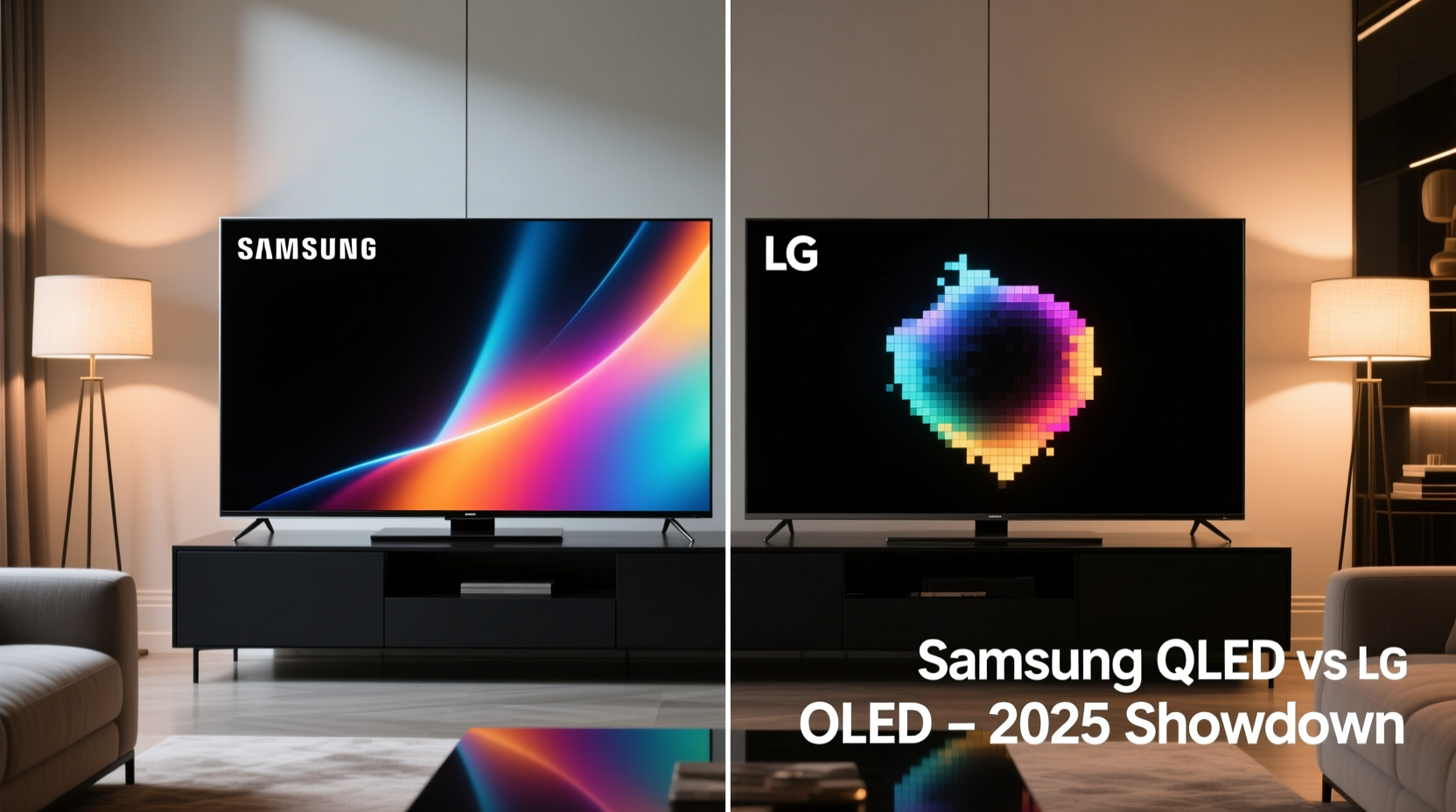
The core distinction between Samsung and LG LED TVs lies in their underlying panel technologies and processing approaches. Samsung heavily promotes its Quantum Dot LED (QLED) panels, which use a full-array backlight with local dimming and a quantum matrix layer for enhanced color volume and brightness. In well-lit rooms, Samsung TVs often appear more vibrant, especially in HDR content, thanks to peak brightness levels that can exceed 2,000 nits on flagship models like the QN90F.
LG, by contrast, focuses its R&D on Alpha series processors and advanced tone mapping. While LG’s LED models (branded as \"QNED\") use NanoCell technology and full-array lighting, they typically max out around 1,500 nits. However, LG compensates with superior motion handling and cinematic color accuracy, particularly when fed with high-end Blu-ray or streaming content via HDMI 2.1.
Tip: If you watch mostly daytime TV or live in a bright apartment, Samsung’s higher brightness may be more beneficial. For movie enthusiasts in controlled lighting, LG’s color fidelity offers a more natural viewing experience.Real-World Performance Comparison
| Feature | Samsung QLED (2025) | LG QNED (2025) |
|---|---|---|
| Peak Brightness (HDR) | Up to 2,200 nits | Up to 1,500 nits |
| Color Volume (DCI-P3) | 98% (Quantum Dot) | 95% (NanoCell + Wide Color) |
| Local Dimming Zones | Up to 1,000+ (flagship models) | Up to 800 |
| Response Time (GtG) | 4.5ms | 3.8ms |
| Motion Handling (Refresh Rate) | 144Hz with Motion Xcelerator Turbo+ | 120Hz with AI Motion 4K |
While Samsung wins on paper brightness and color volume, LG edges ahead in motion clarity and black frame insertion algorithms—key for sports and fast-action films. The difference is subtle but noticeable during panning shots or rapid camera movements.
Smart Platforms: Tizen vs webOS – Ecosystem Maturity
Samsung uses its proprietary Tizen OS, known for speed and minimal lag. In 2025, Tizen integrates deeper with SmartThings, allowing seamless control of lights, thermostats, and even compatible ovens from the TV menu. Voice commands via Bixby are functional, though less accurate than Google Assistant or Alexa.
LG’s webOS remains one of the most intuitive smart TV interfaces. The Magic Remote with pointer control makes navigation effortless, and the 2025 version includes AI-driven content suggestions based on viewing habits. More importantly, webOS supports both Google Assistant and Amazon Alexa natively, giving users flexibility.
“webOS continues to set the benchmark for usability. It’s not just about apps—it’s about reducing friction between intention and action.” — David Lin, Senior UX Analyst at DisplayInsight Group
App availability is nearly identical across both platforms, with Netflix, Disney+, Prime Video, Apple TV+, and YouTube all optimized. However, developers consistently release updates faster on webOS due to LG’s open SDK policy, leading to fewer bugs over time.
Innovation & Design: Thin Bezel vs. Invisible Speaker
Samsung leads in industrial design. The 2025 Frame and Sero models continue to blur the line between art and appliance. The new “Zero Gap Wall Mount” option allows the TV to sit flush against the wall, enhancing minimalist aesthetics. Samsung also introduced ambient light-sensing bezels that shift color to match room lighting—a feature aimed at reducing eye strain during evening viewing.
LG counters with acoustic innovation. Its 2025 QNED lineup features “Virtual Zero Speaker” technology—an upward-firing array that reflects sound off the ceiling, creating a sense of immersion without external bars. While not a replacement for a true surround system, it’s a significant leap over traditional downward-firing speakers.
Mini Case Study: The Urban Loft Upgrade
Consider Mark, a graphic designer in Chicago who upgraded his 65-inch bedroom TV in early 2025. He chose the Samsung QN90F for its sleek profile and compatibility with his existing SmartThings home network. “I can dim the lights, close the blinds, and start my show with one voice command,” he says. “It feels futuristic.”
But after six months, he noticed blooming around bright subtitles on dark scenes—a common issue with edge-lit zones. He didn’t mind much, but when visiting a friend with an LG G4 OLED (not LED, but illustrative), he was struck by how clean the text appeared. “I realized I traded perfect blacks for brightness I don’t always need,” he admits.
For LED-only buyers, this trade-off remains relevant: Samsung prioritizes visual impact; LG prioritizes precision.
Longevity and Reliability: What Breaks First?
A 2024 Consumer Reports analysis of 10,000+ smart TVs found that LG LED models had a slightly lower repair rate over five years (8.2%) compared to Samsung (10.7%). The primary failure points were power boards and Wi-Fi modules—both replaceable but costly under extended warranty.
Samsung’s use of solder-based component mounting improves heat dissipation, which helps in warm climates. However, their thinner chassis limits airflow, potentially shortening capacitor life in units used for 8+ hours daily.
Tip: Enable automatic firmware updates and avoid leaving your TV on static images for more than 30 minutes to prevent temporary image retention.Checklist: Maximizing Your LED TV Lifespan
- Use a surge protector with EMI filtering
- Enable eco-mode if brightness isn’t critical
- Update firmware monthly or enable auto-updates
- Dust vents gently every 3 months with a soft brush
- Avoid mounting above heat sources like fireplaces
- Turn off when not in use for extended periods
Price-to-Performance: Is Premium Worth It?
In 2025, entry-level 55-inch LED TVs from both brands hover around $500. But the gap widens at the high end. A 75-inch Samsung QN90F retails for $2,499, while the equivalent LG 75QNED99 sells for $2,299. The $200 difference buys you Samsung’s NQ4 AI Gen3 processor, anti-glare coating, and slightly better gaming response time.
However, for most households, mid-tier models (QN80F from Samsung, QNED80 from LG) offer 90% of the performance at 70% of the cost. These include 4K 120Hz, HDMI 2.1, VRR, and Dolby Vision support—features once reserved for flagships.
“We’re seeing diminishing returns above $1,500 for general use. The real differentiator now is ecosystem fit, not raw performance.” — Priya Mehta, AV Equipment Analyst at TechPulse Global
FAQ
Do Samsung TVs last longer than LG TVs?
On average, both brands offer similar lifespans of 7–10 years with proper care. LG has a slight edge in reliability metrics, but Samsung’s build quality remains strong, especially in heat management.
Can LG’s webOS beat Samsung’s Tizen in app performance?
Tizen tends to launch apps slightly faster due to tighter hardware-software integration. However, webOS offers a more consistent interface and better multitasking, such as picture-in-picture with streaming apps.
Is Samsung still the best for gaming?
Samsung holds a narrow lead in gaming due to its 144Hz panels and lower input lag on flagship models. Features like Game Bar 3.0 provide quick access to settings without leaving gameplay. However, LG’s support for NVIDIA G-SYNC and AMD FreeSync Premium remains broader.
Conclusion: Are Samsung TVs Still Worth the Hype?
In 2025, Samsung LED TVs remain impressive—but no longer unchallenged. They excel in bright rooms, deliver stunning color pop, and integrate seamlessly into Samsung-centric smart homes. Their design language continues to influence the entire industry.
Yet LG has closed the gap in brightness and color while maintaining advantages in motion clarity, sound design, and software intuitiveness. For viewers who prioritize cinematic authenticity over showroom sparkle, LG’s approach is increasingly compelling.
The hype around Samsung is still justified—for specific users. If you value cutting-edge design, extreme brightness, and tight ecosystem control, Samsung remains a top choice. But if you want balanced performance, reliable software, and nuanced picture handling, LG offers equal, if quieter, excellence.
🚀 Ready to make your next TV decision with confidence? Reassess your viewing environment, ecosystem needs, and content preferences—then choose not the brand with the loudest ads, but the one that fits your life.