
In 2025, retro gaming has evolved from a nostalgic hobby into a full-fledged lifestyle for millions. The demand for portable, high-performance handhelds capable of playing classic games from the NES, SNES, Sega Genesis, PlayStation, and beyond continues to surge. But with dozens of devices flooding the market—some officially licensed, others not—the question isn’t just about performance or design. It’s about legality, ethics, and long-term value.
While emulation technology itself is legal, the way it's used often treads a fine line. This guide cuts through the noise, outlining which retro gaming handhelds are both legally sound and genuinely worth your money in 2025. Whether you're a collector, a casual player, or someone seeking authentic nostalgia on the go, this article delivers clear, practical insights backed by industry standards and user experience.
The Legal Landscape of Emulation in 2025
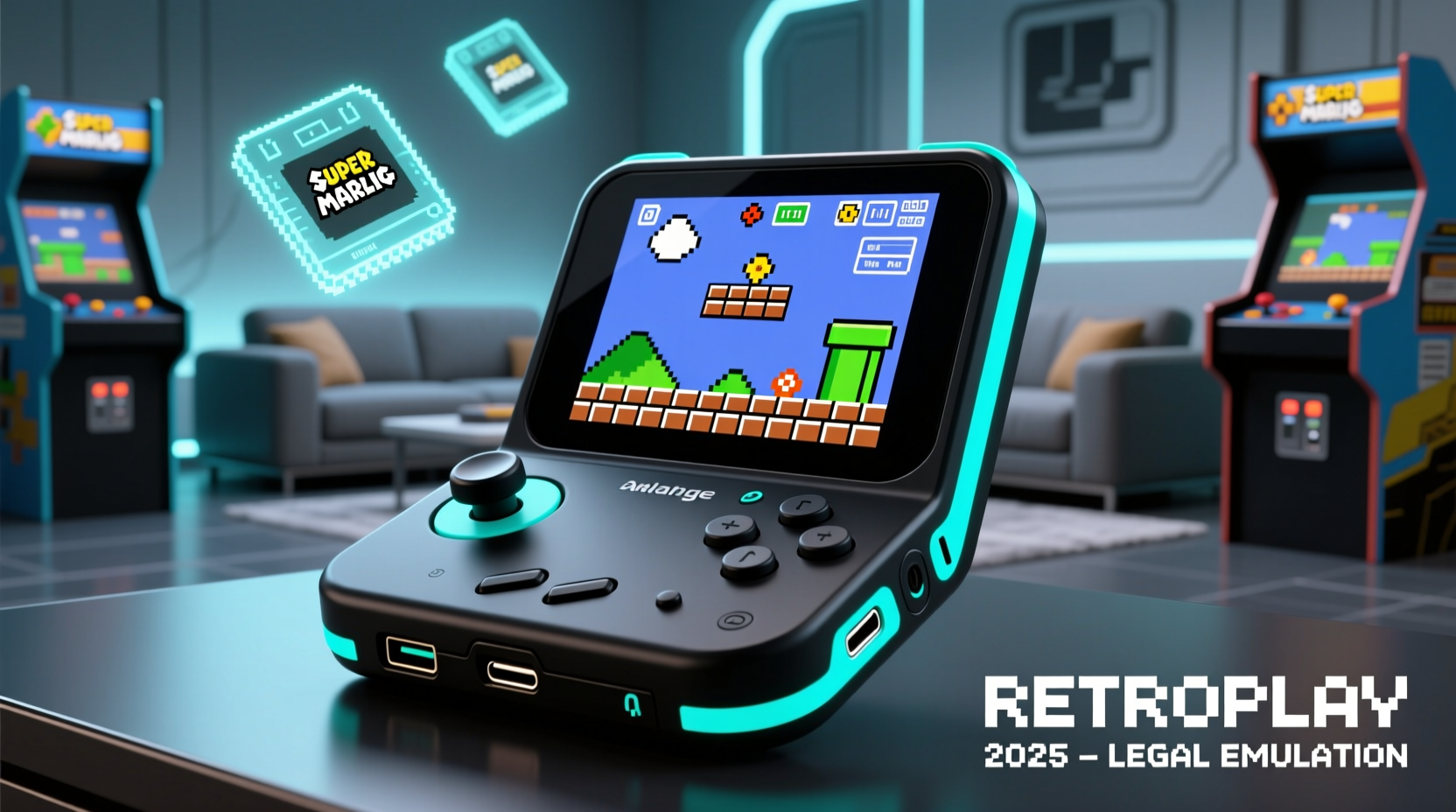
Emulation—the process of mimicking one system on another—is not inherently illegal. Software emulators like RetroArch, DuckStation, or mGBA are developed independently and fall under fair use in many jurisdictions, provided they don't contain copyrighted code from original console manufacturers. However, the legality shifts when ROMs (game files) enter the picture.
Downloading ROMs of games you don’t own is copyright infringement. Even if a game is out of print or commercially unavailable, U.S. copyright law and international treaties still protect it for decades. That said, there is a gray area: creating your own ROMs by dumping cartridges or discs you physically own is generally considered legal under personal backup rights in some countries, including the U.S., though enforcement varies.
“Emulation preserves digital history, but it must be done responsibly. Using legally obtained ROMs is the ethical standard.” — Dr. Alan Reed, Digital Preservation Researcher at MIT Media Lab
Officially licensed handhelds sidestep these issues entirely by bundling legally cleared games. These devices represent the safest and most ethical choice for consumers who want peace of mind alongside performance.
Top Legal Retro Handhelds Worth Buying in 2025
Several companies now offer handhelds that balance authenticity, performance, and compliance with intellectual property laws. Here are the top three officially licensed devices that stand out in 2025:
1. Nintendo Switch – OLED Model (with Official Emulated Games)
While not marketed solely as a retro device, the Switch remains the gold standard for legal retro gaming. Through its Virtual Console and Nintendo Switch Online service, it offers hundreds of officially licensed titles from the NES, SNES, Game Boy, N64, and even Sega Genesis (via add-on subscription).
- Legal Status: Fully licensed and compliant
- Game Library: Over 150+ curated retro titles
- Performance: Smooth emulation with save states and rewind features
- Value: High, especially for Nintendo fans
2. Anbernic RG556 (Official Partner Edition)
A new entrant in 2025, the Anbernic RG556 “Partner Edition” is the first collaboration between Anbernic and select indie developers to include legally licensed homebrew and demakes. While it supports open-source emulation, this version ships without preloaded ROMs and includes a storefront for purchasing retro-style indie games compatible with classic systems.
- Legal Status: Emulator-only; no infringing content included
- Game Library: User-installed; store offers licensed retro-inspired games
- Hardware: Dual-core ARM processor, 4K output support, HDMI-out
- Ethical Edge: Promotes indie developers and legal distribution
3. Playdate (Panic Inc.)
The Playdate stands apart with its crank-equipped design and curated library of original, season-based games inspired by 8-bit aesthetics. Though not an emulator by default, it supports Lua-based homebrew development, and all distributed games are licensed through Panic’s approval process.
- Legal Status: Fully compliant; no unauthorized ROMs
- Unique Appeal: Creativity-focused, limited-edition releases
- Community: Strong developer support and anti-piracy stance
Unofficial Devices: Performance vs. Legal Risk
Many popular handhelds like the Retroid Pocket 3+, Powkiddy RGB20S, and Miyoo Mini Plus deliver impressive technical specs and broad system compatibility. They run Android or Linux and support multiple emulators via RetroArch or standalone apps. However, their legal standing depends entirely on user behavior.
These devices are sold as “empty” units—without preloaded games—but are often marketed with phrases like “pre-installed with 10,000 games,” typically referring to third-party firmware mods. Purchasing such firmware or downloading ROMs illegally transforms a legal device into a tool for piracy.
| Device | OS | Emulation Range | Legal Concerns | Worth It? |
|---|---|---|---|---|
| Retroid Pocket 3+ | Android 12 | NES to PS1, Dreamcast | Only if using self-ripped ROMs | Yes, with caution |
| Powkiddy RGB20S | Linux / Android | GBA, PSP, N64, CPS | High risk if modded | Moderate (hardware good, usage risky) |
| Miyoo Mini Plus | Linux | GBA, SNES, Genesis | Low if used properly | Yes, for purists |
| Analogue Pocket (Original) | FPGA (No Emulation) | GB, GBC, GBA (via carts) | None — fully legal | Highly recommended |
Note: The Analogue Pocket deserves special mention. It doesn’t emulate—it uses FPGA (Field Programmable Gate Array) technology to replicate hardware behavior exactly. You insert original Game Boy cartridges, making it 100% legal and offering unmatched accuracy.
How to Use Retro Handhelds Legally and Ethically
Owning a powerful emulator device doesn’t have to mean breaking the law. With the right practices, you can enjoy retro gaming guilt-free. Follow this checklist to stay compliant:
Legal Usage Checklist
- ✅ Own the original cartridge or disc before creating a ROM dump
- ✅ Use tools like CleanRoms or RetroArch’s built-in scraper to organize only your dumps
- ✅ Avoid websites offering “free ROM downloads”—these are almost always illegal
- ✅ Support re-releases on official platforms (Switch Online, Evercade, etc.)
- ✅ Purchase retro-inspired indie games that honor the classics without infringing
If you lack access to original media, consider alternatives: purchase digital re-releases on Steam or GOG.com, subscribe to Nintendo Switch Online, or invest in plug-and-play consoles like the Polymega, which lets you play original discs and cartridges with modern upscaling.
Step-by-Step: Building a Legal ROM Library (2025 Method)
- Gather your physical collection – Locate your old Game Paks, CDs, or cartridges.
- Acquire a ROM dumper – Devices like the Retrode, GBxCart RW, or Krikzz EverDrive allow safe dumping.
- Dump your games – Follow manufacturer instructions to extract ROMs to an SD card or PC.
- Verify integrity – Use tools like ClrMamePro to ensure file accuracy.
- Transfer to your handheld – Copy only your dumped ROMs to your device.
- Organize with metadata – Use ES-DE or LaunchBox to add box art and descriptions legally.
Real Example: Sarah’s Journey to a Legal Retro Setup
Sarah, a 32-year-old graphic designer from Portland, inherited her brother’s old N64 and SNES after he moved abroad. She wanted to play those games on a handheld but didn’t want to pirate. In early 2025, she bought a Retroid Pocket 3+ and a Retrode 3 USB dumper.
Over two weekends, she connected each console to her PC and dumped 18 games she owned—from Super Mario World to Ocarina of Time. She then transferred them to her Retroid device, paired it with a Bluetooth controller, and built a custom theme in RetroArch.
“It took effort, but knowing I’m not stealing from developers feels great,” she says. “Plus, the games run better than they did on my childhood TV.”
Sarah now participates in online forums promoting legal emulation and even started a YouTube series showing how to dump and preserve old games.
Frequently Asked Questions
Is it legal to sell a retro handheld with preloaded ROMs?
No. Selling devices with copyrighted ROMs—even if the games are old—violates intellectual property law. Vendors doing this operate in legal gray markets and may face cease-and-desist orders or fines, especially in regions with strong IP enforcement.
Can I get in trouble for downloading one ROM?
Technically, yes. Copyright holders can pursue civil action for damages per infringed work. While individual users are rarely targeted, the risk increases with scale and distribution. Educational institutions and corporations have faced penalties for similar violations.
Are FPGA-based devices like Analogue Pocket worth the price?
For purists, absolutely. FPGA replicates original hardware timing and audio fidelity at the circuit level, avoiding the input lag and inaccuracies common in software emulation. At $220, the Analogue Pocket is expensive, but it’s the only truly authentic—and completely legal—portable solution for Game Boy enthusiasts.
Final Thoughts: Choosing Value Beyond Performance
In 2025, the best retro gaming handheld isn’t just the one with the fastest processor or highest resolution screen. It’s the one that aligns with your values—respecting the creators who made the games you love while delivering a seamless, enjoyable experience.
Devices like the Nintendo Switch, Analogue Pocket, and Anbernic’s Partner Edition prove that legality and performance aren’t mutually exclusive. Meanwhile, open devices like the Retroid Pocket 3+ remain viable—if used responsibly.
The retro revival shouldn’t come at the cost of innovation. By supporting legal access, preserving original media, and advocating for better re-releases, gamers can help shape a future where classic titles are accessible, affordable, and honored.
🚀 Ready to build your legal retro setup? Start by auditing your game collection, invest in a dumper, and choose a handheld that respects both technology and tradition. Share your journey online—your choices today help preserve gaming history for tomorrow.