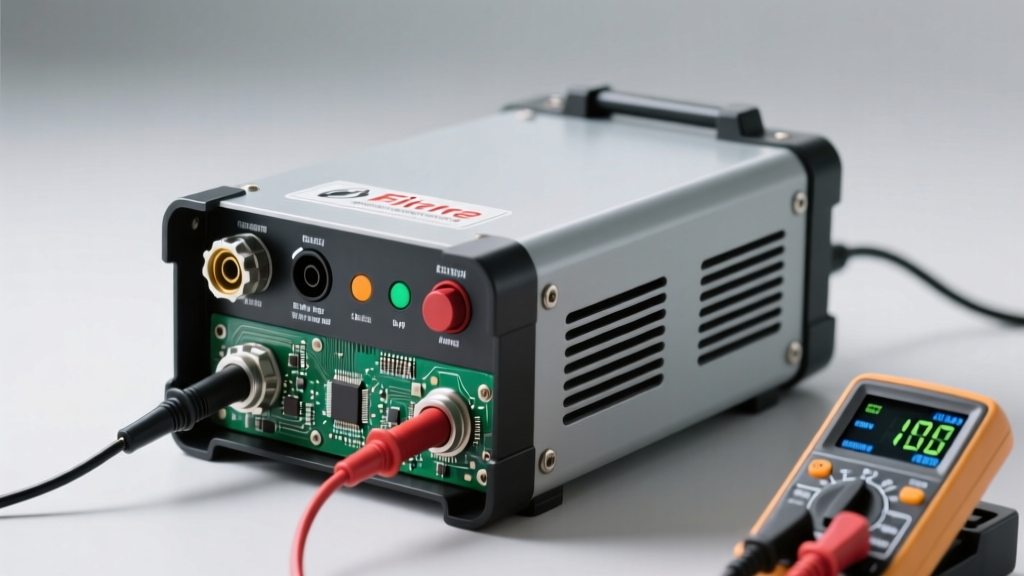
Types of Rechargeable 3-Pin Plug-In Batteries
A rechargeable 3-pin plug-in battery is a versatile power source designed for devices that require reliable, removable, and reusable energy storage. The three-pin configuration typically includes positive, negative, and a communication or sensing pin (such as for temperature or identification), enabling safer charging and better performance monitoring. Choosing the right battery chemistry is essential for maximizing efficiency, lifespan, and suitability for your specific application.
Lithium-Ion (Li-ion)
One of the most widely used rechargeable battery types, lithium-ion batteries offer high energy density, low self-discharge, and lightweight construction, making them ideal for modern portable electronics and electric mobility solutions.
Advantages
- High energy density (more power in less space)
- Lightweight and compact design
- Low self-discharge rate (retains charge longer when idle)
- High cycle life with proper care (500–1500+ charge cycles)
- No memory effect – can be recharged at any time
Limitations
- Sensitive to overcharging and deep discharging
- Requires built-in protection circuitry
- Higher cost compared to older technologies
- Degrades over time, even when not in use
Best for: Smartphones, laptops, drones, electric scooters, and high-performance portable tools
Nickel-Cadmium (NiCd)
A robust and time-tested battery technology known for durability under tough conditions, NiCd batteries are valued for their ability to deliver strong current and withstand extreme temperatures.
Advantages
- Excellent performance in extreme temperatures (–20°C to 60°C)
- High discharge rate – ideal for power-hungry tools
- Durable and mechanically robust
- Can endure over 1,000 charge cycles with proper maintenance
- Tolerant of overcharging and deep discharging
Limitations
- Lower energy density compared to Li-ion and NiMH
- Contains toxic cadmium – environmental disposal concerns
- Suffers from memory effect if not fully discharged periodically
- Heavier and bulkier than modern alternatives
Best for: Cordless power tools, emergency lighting, aviation systems, and industrial equipment
Nickel-Metal Hydride (NiMH)
An improved alternative to NiCd, NiMH batteries offer higher capacity and are more environmentally friendly, making them a popular choice for consumer electronics and hybrid vehicles.
Advantages
- Higher energy density than NiCd (30–40% more capacity)
- Environmentally friendly – no toxic cadmium
- Good performance in high-drain devices
- Widely available and cost-effective
- Compatible with many NiCd chargers (with caution)
Limitations
- Higher self-discharge rate (loses 20–30% charge per month)
- Shorter cycle life than Li-ion (300–500 cycles)
- Less efficient in very cold environments
- Requires more precise charging control
Best for: Digital cameras, hybrid cars (e.g., Toyota Prius), portable audio devices, and rechargeable AA/AAA battery packs
Lead-Acid (Sealed/Valve-Regulated)
A mature and reliable battery technology, lead-acid batteries are commonly used in larger systems where high surge currents and cost-efficiency are more important than portability.
Advantages
- Low cost per watt-hour – very economical
- High surge current capability (ideal for starting engines)
- Proven technology with predictable performance
- Tolerant of overcharging and voltage fluctuations
- Recyclable – over 90% of materials can be recovered
Limitations
- Heavy and bulky – poor energy-to-weight ratio
- Lower energy density compared to all other types
- Limited cycle life (200–500 deep cycles)
- Requires periodic maintenance (in flooded types)
- Must be kept upright to prevent leakage
Best for: Uninterruptible power supplies (UPS), electric scooters, solar energy storage, and automotive starting systems
| Battery Type | Energy Density | Cycle Life | Self-Discharge Rate | Best Applications |
|---|---|---|---|---|
| Lithium-Ion (Li-ion) | High | 500–1500+ | Low (1–2% per month) | Electronics, EVs, drones, portable tools |
| Nickel-Cadmium (NiCd) | Low | 1000+ | Moderate (10–20% per month) | Power tools, aviation, emergency systems |
| Nickel-Metal Hydride (NiMH) | Medium-High | 300–500 | High (20–30% per month) | Cameras, hybrids, consumer electronics |
| Lead-Acid (VRLA) | Low | 200–500 | Moderate (3–5% per month) | UPS, solar storage, automotive |
Expert Tip: For 3-pin plug-in batteries, the third pin often connects to a thermistor or chip that monitors battery temperature or identity. Always ensure compatibility between the battery and device to prevent charging issues or safety hazards. Never bypass or modify the third pin unless specified by the manufacturer.
Important Features of Rechargeable 3-Pin Plug-In Batteries
Rechargeable 3-pin plug-in batteries are essential power sources in modern portable and stationary applications, offering convenience, efficiency, and environmental benefits over disposable alternatives. Understanding their key features helps users make informed decisions based on performance, compatibility, and long-term reliability. These batteries are commonly found in medical devices, power tools, emergency lighting, and industrial equipment due to their secure connection and consistent power delivery.
Energy Density
Energy density refers to the amount of energy a battery can store relative to its volume (volumetric density) or weight (gravimetric density). Higher energy density allows for longer runtime without increasing the physical size or weight of the battery. Lithium-ion (Li-ion) batteries lead in this category, making them ideal for compact, high-performance devices such as cordless power tools and portable medical equipment. In contrast, lead-acid batteries have lower energy density but remain popular in backup systems and stationary applications where space and weight are less critical.
For 3-pin plug-in batteries, high energy density ensures extended operational time between charges, enhancing usability in mission-critical environments.
Charge Cycles (Cycle Life)
The charge cycle life indicates how many complete discharge and recharge cycles a battery can endure before its capacity drops to 80% of its original rating. A longer cycle life translates to greater durability and cost-effectiveness over time. Modern lithium-ion batteries typically offer between 500 to 1,500 charge cycles, while nickel-metal hydride (NiMH) models provide around 300 to 500 cycles. In comparison, traditional lead-acid batteries may only last 200–300 cycles, and nickel-cadmium (NiCd) units range from 500 to 1,000, though they suffer from memory effects and environmental concerns.
For plug-in batteries used in industrial or commercial settings, selecting a high-cycle-life option reduces replacement frequency and maintenance costs.
Self-Discharge Rate
Self-discharge is the natural loss of charge when a battery is not in use. A lower self-discharge rate means the battery retains its charge longer during storage, which is crucial for emergency or backup applications. Lithium-ion batteries have a relatively low self-discharge rate (about 1–2% per month), making them excellent for infrequently used devices. NiMH batteries historically had higher rates (up to 20–30% per month), though modern low-self-discharge (LSD) NiMH variants have improved significantly.
NiCd batteries exhibit even higher self-discharge (up to 10–15% per month), making them less suitable for standby roles. For 3-pin plug-in batteries used in emergency lighting or medical monitors, low self-discharge is a vital feature to ensure readiness when needed.
Temperature Tolerance
Operating temperature range significantly affects battery performance and lifespan. Some chemistries perform better under extreme conditions. Nickel-cadmium (NiCd) batteries are known for their robustness in cold environments, functioning reliably even below 0°C (32°F), which makes them suitable for outdoor or industrial applications in colder climates.
Lithium-ion batteries, while powerful, are more sensitive to temperature extremes. Performance can degrade in very hot or cold conditions, potentially leading to reduced capacity or safety risks. However, most modern Li-ion 3-pin plug-in batteries include built-in thermal sensors and protection circuits to regulate temperature and prevent overheating or freezing damage.
Proper thermal management ensures consistent performance across diverse operating environments, from warehouse floors to outdoor construction sites.
Safety Features
Safety is paramount in rechargeable battery design, especially for plug-in models that may be used in sensitive environments. Advanced safety mechanisms such as overcharge protection, short-circuit prevention, thermal shutdown, and battery management systems (BMS) help prevent hazards like fire, explosion, or leakage.
Lithium-ion batteries often integrate a BMS that monitors voltage, current, and temperature in real time, automatically disconnecting the circuit if anomalies are detected. Similarly, sealed lead-acid (SLA) batteries include pressure relief valves and are designed to be maintenance-free and spill-proof.
For 3-pin plug-in batteries, these safety features ensure safe handling, charging, and operation—particularly important in healthcare, education, and public infrastructure settings.
| Feature | Best Performing Chemistry | Typical Applications | Considerations |
|---|---|---|---|
| Energy Density | Lithium-ion | Portable electronics, power tools, EVs | Higher cost; requires protection circuitry |
| Charge Cycles | Lithium-ion / NiCd | Industrial equipment, backup systems | NiCd has memory effect and environmental concerns |
| Self-Discharge Rate | Lithium-ion / LSD NiMH | Emergency lighting, medical devices | Standard NiMH loses charge quickly in storage |
| Temperature Tolerance | Nickel-Cadmium | Cold climate operations, outdoor tools | Li-ion needs thermal management in extreme temps |
| Safety Features | Lithium-ion (with BMS), SLA | Hospitals, schools, public facilities | Proper charging protocols are essential |
Important: Always use the manufacturer-recommended charger and follow proper storage guidelines to maximize battery life and safety. Avoid exposing 3-pin plug-in batteries to extreme temperatures or physical damage. Regular inspection for swelling, leakage, or connector wear is advised—replace any compromised unit immediately. Using incompatible or uncertified chargers can lead to reduced performance, premature failure, or serious safety hazards.
Commercial Applications of Rechargeable 3-Pin Plug-In Batteries
Rechargeable 3-pin plug-in batteries have become a cornerstone of modern commercial technology, offering reliable, portable, and sustainable power across a wide range of industries. These batteries combine ease of use, consistent performance, and efficient energy storage, making them ideal for applications where uninterrupted power and mobility are essential. From consumer electronics to life-saving medical devices, their versatility supports innovation and operational efficiency in diverse sectors.
Consumer Electronics
One of the most widespread commercial uses of rechargeable 3-pin plug-in batteries is in consumer electronics. Devices such as smartphones, laptops, tablets, wireless headphones, and portable gaming consoles rely on these batteries for extended operation between charges. Their compact design, high energy density, and standardized charging interfaces make them ideal for everyday digital lifestyles.
- Enable portability and uninterrupted use of personal devices
- Support fast-charging technologies for improved user convenience
- Integrated safety features prevent overheating and overcharging
- Lithium-ion variants dominate due to their lightweight and long cycle life
Key advantage: Seamless integration with USB-C and other universal charging standards enhances compatibility and user experience.
Electric Vehicles (EVs)
In the automotive sector, rechargeable 3-pin plug-in batteries play a pivotal role in powering electric vehicles (EVs), including battery electric vehicles (BEVs), plug-in hybrid electric vehicles (PHEVs), and even auxiliary systems in fuel cell electric vehicles (FCEVs). These batteries store the electrical energy needed to drive electric motors, reducing reliance on fossil fuels and lowering carbon emissions.
- Provide scalable energy storage for varying vehicle ranges and performance levels
- Support regenerative braking systems to improve energy efficiency
- Compatible with Level 1 and Level 2 home charging stations using 3-pin connectors
- Advanced battery management systems (BMS) ensure longevity and safety
Environmental impact: Widespread EV adoption contributes to cleaner urban air and reduced greenhouse gas emissions.
Renewable Energy Storage
As renewable energy sources like solar and wind become more prevalent, rechargeable plug-in batteries are essential for storing generated electricity for later use. These batteries help stabilize the grid by balancing supply and demand, especially during periods of low generation or high consumption.
- Store excess solar energy during daylight for nighttime use
- Support off-grid and hybrid power systems in remote or rural areas
- Enable time-of-use optimization by charging during low-rate periods
- Work seamlessly with inverters and smart energy management systems
Critical function: Ensures energy availability during blackouts or cloudy days, enhancing energy resilience.
Power Tools and Industrial Equipment
Cordless power tools—such as drills, saws, sanders, and impact wrenches—depend on high-performance rechargeable 3-pin plug-in batteries for portability and consistent power delivery. These applications demand batteries with high discharge rates, durability, and resistance to temperature fluctuations.
- Eliminate the need for extension cords, increasing worksite flexibility
- Deliver instant torque and sustained power for heavy-duty tasks
- Withstand rugged environments including construction sites and manufacturing floors
- Offer quick-swap designs for minimal downtime during recharging
Durability note: Many industrial batteries feature reinforced casings and thermal protection for enhanced safety.
Medical Devices
In healthcare, reliable power is non-negotiable. Rechargeable 3-pin plug-in batteries power a wide array of portable and critical medical equipment, including portable ultrasound machines, ventilators, infusion pumps, patient monitors, and defibrillators. Their ability to provide steady, uninterrupted power ensures patient safety and device readiness.
- Enable mobility for emergency response units and field clinics
- Support life-sustaining devices during power outages or transport
- Designed to meet strict medical safety and regulatory standards (e.g., IEC 60601)
- Offer predictable discharge curves for accurate device operation
Critical benefit: Rapid recharging ensures devices are always prepared for urgent medical situations.
Emerging and Niche Applications
Beyond mainstream uses, rechargeable 3-pin plug-in batteries are increasingly adopted in innovative and specialized commercial fields, driving advancements in automation, sustainability, and connectivity.
- Telecommunications: Backup power for routers, modems, and signal boosters
- Security Systems: Power for wireless cameras, access control systems, and alarm panels
- Drones and Robotics: Lightweight, high-capacity batteries for autonomous operation
- Portable Diagnostic Kits: Field-deployable medical and environmental testing tools
Future trend: Integration with IoT devices enables smart monitoring and remote battery status tracking.
Professional Insight: When selecting rechargeable 3-pin plug-in batteries for commercial use, consider not only voltage and capacity but also cycle life, charging speed, temperature tolerance, and compliance with industry standards. Opting for reputable brands with robust warranties ensures reliability, safety, and long-term cost-effectiveness across all applications.
| Application Sector | Typical Battery Chemistry | Key Performance Requirements | Common Use Cases |
|---|---|---|---|
| Consumer Electronics | Lithium-ion (Li-ion) | Compact size, fast charging, long cycle life | Smartphones, laptops, tablets, wearables |
| Electric Vehicles | Lithium Iron Phosphate (LiFePO₄), NMC | High energy density, thermal stability, fast recharge | BEVs, PHEVs, e-bikes, scooters |
| Renewable Energy Storage | Lithium-ion, Lithium Iron Phosphate | Deep cycling, long lifespan, grid compatibility | Solar storage, home batteries, microgrids |
| Power Tools | Nickel-Cadmium (NiCd), Li-ion | High discharge rate, impact resistance, durability | Drills, saws, grinders, nail guns |
| Medical Devices | Lithium-ion, Sealed Lead-Acid (SLA) | Precision discharge, reliability, safety certification | Ventilators, monitors, portable imaging, infusion pumps |
Additional Considerations for Commercial Deployment
- Charging Infrastructure: Ensure compatibility with standard 3-pin outlets and consider smart chargers with status indicators.
- Safety Standards: Look for certifications such as UL, CE, IEC, and UN38.3 for safe transportation and operation.
- Maintenance & Longevity: Regular calibration and proper storage extend battery life and performance.
- Environmental Responsibility: Implement recycling programs for end-of-life batteries to reduce environmental impact.
- Scalability: Modular battery designs allow for easy expansion in energy storage and industrial systems.
How to Choose Rechargeable 3-Pin Plug-In Batteries: A Comprehensive Buyer’s Guide
Selecting the right rechargeable 3-pin plug-in battery is essential for ensuring optimal performance, longevity, and safety across a wide range of electronic devices and applications. These batteries are commonly used in cordless phones, medical devices, emergency lighting, and various household electronics due to their secure connection and reliable power delivery. The decision should be based not only on compatibility with your device but also on several key technical and environmental factors. This guide explores the most important considerations to help you make an informed choice tailored to your specific needs.
Safety Warning: Always ensure the voltage and current ratings of the replacement battery match your device specifications. Using an incompatible battery can lead to overheating, fire, or permanent damage to your equipment. Only purchase batteries from reputable manufacturers that comply with safety standards such as UL, CE, or IEC.
1. Assess Your Energy Needs and Device Requirements
The energy demand of your device is the primary factor in selecting the right battery. Battery capacity, measured in milliampere-hours (mAh), determines how long a battery can power your device before needing a recharge.
- High-Drain Devices: Equipment like wireless phones, portable monitors, or motorized tools require sustained power output. Opt for batteries with higher mAh ratings (e.g., 1500–2500 mAh) to ensure extended runtime and consistent performance.
- Low-Drain Devices: For gadgets such as remote controls, LED lights, or backup sensors, lower-capacity batteries (e.g., 600–1000 mAh) are sufficient and often more compact and cost-effective.
- Voltage Compatibility: Confirm that the battery voltage (typically 3.7V, 7.4V, or 12V for 3-pin systems) matches your device’s input requirements to prevent underperformance or damage.
Expert Tip: If your device runs for shorter durations than before, upgrading to a higher-capacity battery (within compatible specs) can significantly improve usability without modifying the hardware.
2. Understand Battery Chemistry and Type
Different battery chemistries offer unique advantages and trade-offs in terms of weight, lifespan, and efficiency. For 3-pin plug-in batteries, the most common types include:
- Lithium-Ion (Li-ion): The most popular choice for modern electronics due to their high energy density, lightweight design, and low self-discharge rate. Ideal for portable devices where size and weight matter. They typically last 300–500 charge cycles.
- Nickel-Metal Hydride (NiMH): Environmentally friendly and less prone to memory effect than older technologies. Offers moderate energy density and is often used in consumer electronics. Lasts 500–1000 cycles but has a higher self-discharge rate.
- Lead-Acid (Sealed): Heavier and bulkier, but highly durable and cost-effective for stationary applications like emergency lighting or backup systems. Best suited for low-frequency use and long-term reliability.
- Nickel-Cadmium (NiCd): Less common today due to environmental concerns, but valued for excellent performance in extreme temperatures and high discharge rates. Resistant to overcharging and physical stress.
| Battery Type | Energy Density | Charge Cycles | Best Use Case | Key Advantage |
|---|---|---|---|---|
| Lithium-Ion (Li-ion) | High | 300–500 | Portable electronics | Lightweight, long shelf life |
| NiMH | Moderate | 500–1000 | Consumer devices | Eco-friendly, no memory effect |
| Sealed Lead-Acid | Low | 200–500 | Backup systems | Durable, low cost |
| NiCd | Low to Moderate | 1000+ | Extreme environments | Temperature resilience |
3. Evaluate Charging Time and Cycle Efficiency
Charging speed is crucial, especially for devices that are used frequently or in mission-critical applications. Faster charging reduces downtime and increases convenience.
- Fast-Charging Options: Lithium-ion and NiMH batteries generally support rapid charging, with some models reaching 80% capacity in under an hour when paired with compatible chargers.
- Slower Charging Types: Lead-acid and NiCd batteries require longer recharge times—often 6 to 12 hours—making them less suitable for daily high-usage scenarios.
- Smart Charging Compatibility: Look for batteries designed to work with smart chargers that prevent overcharging and optimize battery health through adaptive charging algorithms.
4. Consider Operating Conditions and Environmental Factors
The environment in which the battery will operate plays a significant role in its performance and lifespan.
- Temperature Tolerance: NiCd batteries perform reliably in temperatures as low as -20°C or as high as 60°C, making them ideal for outdoor or industrial use. Li-ion batteries, while efficient, may degrade faster in extreme heat or cold unless they include thermal protection.
- Humidity and Vibration: For use in damp or high-vibration environments (e.g., garages, workshops), sealed batteries with robust casings are recommended to prevent internal damage or corrosion.
- Storage Conditions: If the battery will be stored for extended periods, choose chemistries with low self-discharge rates like Li-ion or modern low-self-discharge (LSD) NiMH variants.
5. Prioritize Safety Features and Build Quality
Safety should never be compromised when selecting a rechargeable battery. Poorly made batteries can pose serious risks including leakage, overheating, or even combustion.
- Overcharge Protection: Prevents damage when the battery reaches full charge by cutting off current flow.
- Thermal Management: Built-in sensors or circuitry regulate temperature during charging and discharging, reducing the risk of thermal runaway.
- Short-Circuit Protection: Safeguards against accidental internal shorts that could cause sparks or fire.
- Quality Certifications: Always verify that the battery carries safety certifications such as UL, CE, RoHS, or IEC 62133, indicating compliance with international safety standards.
Pro Tip: Regularly inspect your battery and connector pins for dirt, corrosion, or physical damage. Clean the 3-pin connector with isopropyl alcohol and a soft brush to maintain optimal conductivity and prevent intermittent power issues.
Additional Selection Tips
- Check Physical Dimensions: Ensure the replacement battery fits securely in your device’s compartment, especially important for tight enclosures.
- Pin Configuration: Verify that the 3-pin layout (ground, positive, negative or data pin) matches your device’s requirements. Some systems use the third pin for communication or authentication.
- Brand Reputation: Stick to well-known brands or OEM-recommended replacements to avoid counterfeit or substandard products.
- Warranty and Support: Choose batteries with at least a 1-year warranty and accessible customer support for replacements or inquiries.
Selecting the right rechargeable 3-pin plug-in battery involves balancing energy needs, chemistry type, charging efficiency, environmental resilience, and safety. By carefully evaluating these factors, you can extend the life of your devices, improve reliability, and ensure safe operation. Whether you're replacing a battery for a home appliance or setting up a backup system, informed decisions lead to better performance and peace of mind.
Frequently Asked Questions About Plug-In Batteries
Q1: Are there benefits of using plug-in batteries over conventional batteries?Yes, plug-in batteries—particularly advanced lithium-ion and nickel-metal hydride types—offer several key advantages over traditional lead-acid or disposable batteries:
- Higher Energy Density: Plug-in batteries store more energy per unit of weight or volume, making them ideal for compact and portable applications like smartphones, laptops, and electric vehicles.
- Faster Charging: Modern plug-in batteries support rapid charging technologies, significantly reducing downtime compared to conventional batteries.
- Lower Self-Discharge Rate: They retain their charge longer when not in use, which is especially beneficial for emergency devices or infrequently used gadgets.
- Greater Number of Charge Cycles: Most plug-in batteries can endure hundreds to thousands of charge-discharge cycles, enhancing longevity and cost-efficiency over time.
These benefits make plug-in batteries the preferred choice for high-performance applications such as renewable energy storage systems, medical devices, and modern transportation solutions.
Q2: What factors affect battery compatibility?Battery compatibility is determined by several critical technical and physical factors that must align with the host device’s requirements:
- Physical Dimensions: The battery must fit securely within the designated compartment without requiring modification.
- Connector Type and Polarity: Matching the plug, terminal layout, and polarity (positive/negative orientation) ensures safe and reliable electrical connection.
- Voltage and Capacity: The battery must provide the correct voltage (e.g., 3.7V, 12V) and sufficient capacity (measured in mAh or Wh) to meet the device’s power demands.
- Chemistry and Regulation: Devices are often designed for specific battery chemistries (e.g., Li-ion, NiMH), and using incompatible types can lead to overheating, reduced performance, or safety hazards.
- Integrated Circuitry: Some devices require batteries with built-in protection circuits for overcharge, over-discharge, or temperature control.
Ensuring compatibility prevents damage to both the battery and device while optimizing efficiency, safety, and operational lifespan.
Q3: Are plug-in batteries environmentally friendly?Plug-in batteries are generally more environmentally sustainable than single-use batteries, though their impact depends on usage, chemistry, and end-of-life handling:
- Reduced Waste: With hundreds or even thousands of recharge cycles, plug-in batteries drastically reduce the number of units discarded compared to disposable alternatives.
- Recyclability: Many plug-in batteries—especially lithium-ion and nickel-based types—are recyclable. Specialized facilities can recover valuable materials like cobalt, lithium, and nickel for reuse.
- Lower Carbon Footprint Over Time: Despite higher initial production emissions, their long service life results in a lower overall environmental impact per charge cycle.
- Sustainable Innovations: Manufacturers are increasingly using recycled materials and designing batteries for easier disassembly and recycling.
To maximize environmental benefits, users should follow proper disposal guidelines and utilize certified recycling programs rather than discarding batteries in regular trash.
Q4: Which factors determine the energy needs and battery type of a gadget?Selecting the right battery involves evaluating both the gadget’s operational demands and its physical and environmental constraints:
- Power Requirements: High-drain devices (e.g., drones, power tools) need batteries with high discharge rates, while low-power devices (e.g., remote controls) benefit from long-term energy delivery.
- Operating Duration: Devices used for extended periods without recharging require higher capacity (mAh/Wh) batteries.
- Size and Weight Limitations: Compact gadgets like wearables demand small, lightweight batteries with high energy density, often favoring lithium-polymer variants.
- Charge Cycle Expectancy: Products expected to last years (e.g., smartphones, EVs) benefit from batteries with high cycle life, such as lithium-ion.
- Environmental Conditions: Temperature extremes, humidity, and vibration influence battery choice—industrial or outdoor devices may require ruggedized or thermally stable options.
By balancing these factors, engineers and consumers can select a battery that enhances performance, extends device life, and ensures reliability under real-world conditions.
Q5: Are plug-in batteries suitable for extreme temperatures?The performance of plug-in batteries in extreme temperatures varies significantly based on their chemical composition:
| Battery Type | Cold Temperature Performance | High Temperature Performance | Mitigation Strategies |
|---|---|---|---|
| Lithium-Ion | Reduced capacity and slower charging below 0°C; risk of lithium plating | Degradation accelerates above 45°C; potential thermal runaway | Integrated heating/cooling systems, smart BMS (Battery Management System) |
| Nickel-Cadmium (NiCd) | Performs well down to -20°C; reliable in cold climates | Tolerant up to 60°C; robust in high-heat environments | Used in aerospace, military, and industrial applications |
| Nickel-Metal Hydride (NiMH) | Moderate performance in cold; higher self-discharge when chilled | Stable up to 50°C; less prone to overheating than Li-ion | Common in hybrid vehicles and outdoor equipment |
While lithium-ion batteries dominate consumer electronics, their sensitivity to temperature extremes necessitates advanced thermal management. In contrast, NiCd batteries remain a preferred option for harsh environments. Always consult manufacturer specifications to ensure battery suitability for extreme operating conditions.