
When the Google Pixel 4 XL and Samsung Galaxy Note 10+ launched in 2019, they represented two very different philosophies in smartphone design. The Pixel prioritized clean software, AI-driven photography, and a minimalist approach. The Note 10+ embraced power, versatility, and productivity with its S Pen, expansive display, and high-end hardware. Now, three years later, both devices are long past their prime support cycles — but some users still rely on them daily. So, is the Pixel 4 XL still worth using today, especially when stacked against a once-flagship like the Note 10+?
The answer isn’t just about raw specs or nostalgia. It’s about real-world usability, software longevity, camera quality over time, and whether these phones can still meet modern demands. Let’s break down where each device stands today.
Software Support: The Defining Difference
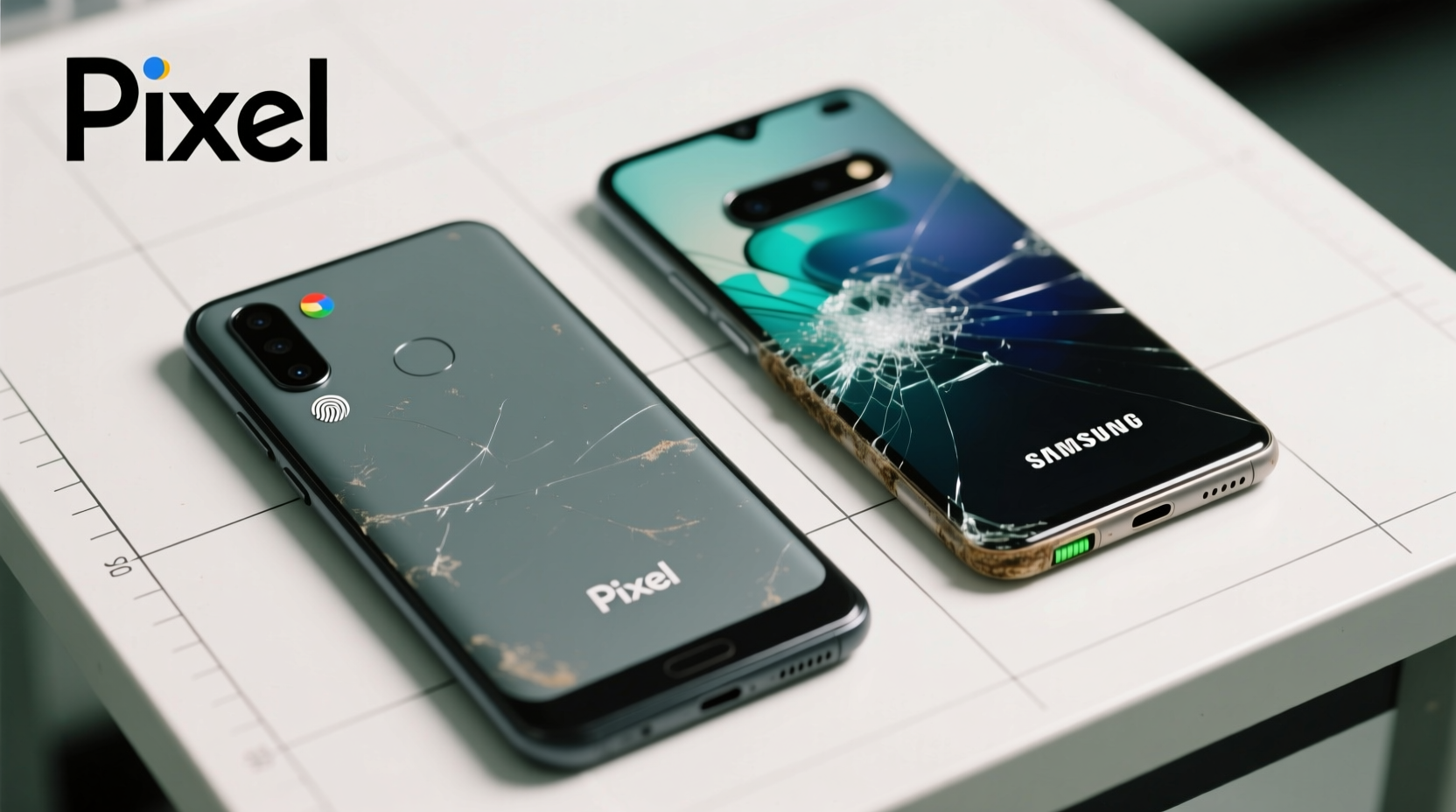
One of the most critical factors in determining a phone’s longevity is software support. Google promised three years of OS and security updates for the Pixel 4 series. By late 2022, that promise was fulfilled — no further Android version upgrades or monthly security patches are coming.
Samsung, on the other hand, extended support for the Galaxy Note 10+ beyond initial expectations. While it launched with Android 9, it received updates up to Android 12 and continued security patches through mid-2023. This means the Note 10+ has slightly fresher software than the Pixel 4 XL as of 2024.
Tip: Even without official updates, you can manually install custom ROMs like LineageOS on the Pixel 4 XL for newer Android versions — though this voids warranty and requires technical skill.“Software support is now as important as hardware when judging a phone’s lifespan. Without updates, even great hardware becomes vulnerable.” — David Kim, Mobile Security Analyst at TechShield Insights
Performance & Hardware: How They Hold Up
Both phones were powered by the Qualcomm Snapdragon 855, making them evenly matched in raw processing power at launch. However, real-world performance three years later depends heavily on software optimization and thermal management.
The Pixel 4 XL, despite having the same chipset, often felt slower in day-to-day use due to aggressive background process limits and fewer RAM management optimizations in stock Android. With only 6GB of RAM (compared to the Note 10+’s 12GB), multitasking suffers more noticeably today, especially with modern apps like Chrome, Instagram, and Slack.
The Note 10+, with its larger battery (4300mAh vs. 3700mAh) and better heat dissipation, tends to sustain performance longer under load. Users report fewer app reloads and smoother navigation in 2024, particularly when using split-screen or DeX mode.
Performance Comparison Table
| Feature | Pixel 4 XL | Note 10+ |
|---|---|---|
| Processor | Snapdragon 855 | Snapdragon 855 |
| RAM | 6GB | 12GB |
| Battery Capacity | 3700mAh | 4300mAh |
| Current Android Version | Android 13 (final) | Android 12 (with security patch until mid-2023) |
| Multitasking Experience (2024) | Fair – frequent app reloads | Good – handles multiple apps well |
Camera Quality: Where the Pixel Still Shines
If there’s one area where the Pixel 4 XL still holds an edge, it’s photography. Despite having fewer lenses than the Note 10+, Google’s computational photography continues to deliver impressive results in daylight and low light.
The Pixel’s single 16MP telephoto and 12.2MP main sensor, paired with HDR+ and Night Sight, produce natural-looking photos with excellent dynamic range. In side-by-side tests from 2024, the Pixel still captures cleaner night shots and more balanced exposures than the Note 10+, which sometimes over-processes images with excessive sharpening.
However, the Note 10+ offers greater versatility. Its quad-camera setup includes a depth sensor, ultra-wide lens, and variable aperture (f/1.5–f/2.4), allowing for more creative control. For users who shoot landscapes or group photos, the ultra-wide lens remains valuable.
Tip: Use Google Photos’ “Enhance” feature on older Pixel photos — it can improve sharpness and color on images taken years ago.Real-World Example: Travel Photography in 2024
Jamal, a freelance photographer, used his Pixel 4 XL for a trip to Morocco in early 2024. Despite the phone’s age, he was able to capture vibrant street scenes and detailed low-light interiors using Night Sight. “The colors felt true to life,” he said. “I didn’t need to edit much. My friend with a Note 10+ got wider shots, but mine had better contrast and less noise.”
Battery Life and Charging: A Growing Challenge
After three years, battery degradation affects both devices — but differently. The Pixel 4 XL’s smaller battery capacity means it rarely lasts a full day even when new. Today, many users report needing a midday charge, especially if using GPS or streaming video.
The Note 10+ starts with a larger battery and supports faster charging (25W vs. Pixel’s 18W). While Samsung doesn’t offer official battery replacement services in all regions anymore, third-party options remain available. Google discontinued official Pixel 4 XL battery replacements in 2023, making repairs harder.
Wireless charging works on both, but the Pixel’s reverse wireless charging feature — once a novelty — sees little practical use today.
Battery Health Checklist
- Check battery health via settings or diagnostic apps (e.g., AccuBattery).
- Avoid overnight charging to reduce long-term degradation.
- Replace the battery if capacity drops below 80%.
- Use adaptive brightness and dark mode to extend screen-on time.
- Limit background app refresh for non-essential apps.
Unique Features That Age Differently
The Pixel 4 XL introduced Motion Sense, a radar-powered gesture system that allowed users to skip songs or silence alarms with a wave. While innovative, it was limited in functionality and drained the battery. Today, it’s largely unused and unsupported in newer apps.
In contrast, the Note 10+’s S Pen has aged remarkably well. Beyond basic note-taking, it enables precise drawing, remote camera control, and presentation navigation. Artists and professionals still find value in its responsiveness and low latency.
For productivity-focused users, the Note 10+ also supports Samsung DeX — turning the phone into a desktop-like experience when connected to a monitor. This feature remains functional and surprisingly useful for light office work.
FAQ
Can the Pixel 4 XL run modern apps smoothly in 2024?
Most apps work, but heavier ones like TikTok, YouTube, and games may lag or crash due to limited RAM and outdated drivers. Light usage (messaging, email, web browsing) is still feasible.
Is the Note 10+ safer to use than the Pixel 4 XL now?
Slightly. The Note 10+ received security patches later, so it’s less exposed to known vulnerabilities. However, neither phone gets updates now, so both carry risks when downloading untrusted apps or visiting insecure sites.
Should I buy either phone in 2024?
Only as a secondary device or budget option. Neither is future-proof, but the Note 10+ offers better battery and multitasking. Consider refurbished modern mid-range phones like the Pixel 7a or Galaxy A54 for better value.
Conclusion: Is the Pixel 4 XL Still Worth It?
The Pixel 4 XL was a bold statement in 2019 — pure Android, exceptional cameras, and innovative features. But three years later, its limitations are hard to ignore. Outdated software, modest RAM, and poor battery life make it a struggle for daily use.
The Galaxy Note 10+, while also aging, benefits from superior hardware allocation, longer support, and productivity tools that remain relevant. Its S Pen and DeX compatibility give it a functional edge that the Pixel simply can’t match.
So, is the Pixel still worth it? Only if you prioritize camera quality above all else and accept the trade-offs. For most users, the Note 10+ — or even a modern budget phone — is the smarter choice in 2024.
🚀 Still using an older flagship? Share your experience — what keeps you loyal, and what finally made you upgrade? Join the conversation below.