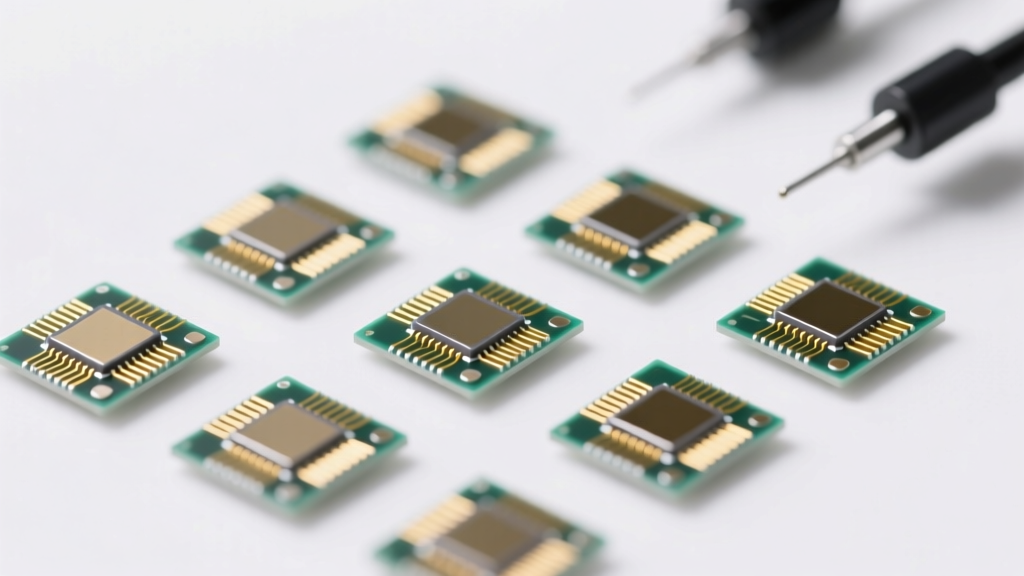
Types of National Geographic Cameras
A National Geographic camera is designed for explorers, nature enthusiasts, and adventure photographers who demand reliability, durability, and high image quality in challenging environments. Whether capturing wildlife in the Serengeti or documenting a mountain trek, National Geographic offers a range of imaging solutions tailored to different needs and skill levels. These cameras are engineered not only for performance but also to inspire curiosity and storytelling.
DSLR & Mirrorless Cameras
Premium cameras built for professionals and advanced enthusiasts who require maximum control and image quality.
Advantages
- Superior image quality with large sensors
- Interchangeable lenses for versatility (telephoto, wide-angle, macro)
- Full manual controls for creative precision
- Excellent low-light performance
- Ideal for wildlife, landscapes, and astrophotography
Limitations
- Larger size and heavier weight
- Higher cost and additional lens expenses
- Steeper learning curve for beginners
- Requires more maintenance and care
Best for: Professional photographers, wildlife documentarians, and serious hobbyists
Point-and-Shoot Cameras
Compact, user-friendly cameras perfect for travelers and casual photographers seeking convenience without sacrificing quality.
Advantages
- Lightweight and highly portable
- Built-in zoom lenses (up to 30x optical zoom)
- Automatic modes simplify photography
- Durable designs with shock and weather resistance
- Great for spontaneous wildlife and travel shots
Limitations
- Smaller sensors reduce low-light performance
- Limited manual control options
- Less flexibility compared to interchangeable lenses
- Lower dynamic range in high-contrast scenes
Best for: Travelers, families, and beginner photographers on the go
Action Cameras
Rugged, compact devices built for extreme conditions and hands-free recording during outdoor adventures.
Advantages
- Waterproof, shockproof, and dust-resistant
- Mountable on helmets, bikes, drones, and more
- Stabilized video for smooth footage while moving
- High frame rates (up to 4K/60fps or 1080p/240fps)
- Captures immersive first-person perspectives
Limitations
- Narrow field of view may require editing
- Smaller sensor limits low-light performance
- Battery life can be short under heavy use
- Audio quality may need external mic support
Best for: Hikers, divers, cyclists, and adventure vloggers
360-Degree Cameras
Immersive imaging tools that capture the entire environment, ideal for virtual storytelling and panoramic documentation.
Advantages
- Full 360° video and photo capture
- Creates interactive VR-ready content
- Perfect for capturing vast landscapes and group scenes
- Self-timer and remote control functions
- Excellent for educational and documentary projects
Limitations
- Higher storage and processing requirements
- Stitching artifacts may appear in final output
- Less intuitive editing workflow
- Premium pricing compared to standard cameras
Best for: Documentary filmmakers, educators, and immersive content creators
Smartphone Camera Lenses
Attachable optics that enhance mobile photography, offering creative flexibility without carrying extra gear.
Advantages
- Ultra-portable and affordable
- Easy to attach and use with most smartphones
- Variety of options: macro, wide-angle, fisheye, telephoto
- Great for close-up nature shots and expansive vistas
- Ideal for social media and instant sharing
Limitations
- Image quality depends on smartphone sensor
- Potential for lens flare or distortion
- Requires careful alignment and stabilization
- Limited low-light performance
Best for: Casual photographers, students, and eco-travelers using mobile devices
| Camera Type | Portability | Image Quality | Durability | Best Use Case |
|---|---|---|---|---|
| DSLR & Mirrorless | Fair | Excellent | Good | Wildlife, landscapes, professional work |
| Point-and-Shoot | Excellent | Good | Very Good | Travel, everyday use, family adventures |
| Action Cameras | Excellent | Good (video), Fair (photos) | Excellent | Adventure sports, underwater, motion recording |
| 360-Degree Cameras | Very Good | Good (immersive) | Good | Documentaries, VR content, panoramic scenes |
| Smartphone Lenses | Excellent | Fair to Good | Fair | Mobile storytelling, casual photography |
Expert Tip: When choosing a National Geographic camera, consider your primary environment—whether it's humid rainforests, dusty deserts, or icy tundras—and select a model with appropriate weather sealing and rugged construction to ensure long-term reliability.
Features of National Geographic Cameras
National Geographic cameras are engineered for adventurers, explorers, and nature photographers who demand reliability, performance, and image quality in the most extreme environments. Designed to meet the needs of scientific documentation and storytelling in remote locations, these cameras combine rugged durability with advanced imaging capabilities to ensure no moment is missed—whether deep in the Amazon rainforest or atop a Himalayan peak.
Durability and Waterproofing
Shockproof & Rugged Build
Constructed with reinforced polycarbonate and rubberized armor, National Geographic cameras are designed to survive drops from heights of up to 6.6 feet (2 meters). Internal shock-absorbing frames protect sensitive components, making them ideal for use during hiking, climbing, or wildlife tracking where accidental impacts are common.
Waterproof & Weather-Sealed
Most models are waterproof up to depths of 33 feet (10 meters), allowing photographers to capture underwater scenes without additional housings. Sealed lens barrels, gasketed buttons, and corrosion-resistant materials ensure reliable operation in heavy rain, snow, sandstorms, and high-humidity environments like tropical rainforests.
These features make National Geographic cameras a trusted choice for field biologists, documentarians, and outdoor enthusiasts who require equipment that performs under pressure and in unpredictable conditions.
Compact and Lightweight Design
Weighing as little as 8.5 ounces (240 grams), National Geographic cameras are among the most portable on the market. Their ergonomic, pocket-friendly design allows for easy stowage in backpacks or cargo pockets, minimizing fatigue during long expeditions. The balanced weight distribution ensures comfortable handheld shooting, even during extended use.
Photographers and visual storytellers benefit from this portability—especially when traveling through remote regions where every ounce counts. Whether scaling a mountain or navigating dense jungle trails, users can focus on capturing the moment without being weighed down by bulky gear.
Advanced Imaging Technology
4K Ultra HD Video Recording
Equipped with high-resolution sensors and advanced image stabilization, these cameras deliver crisp 4K video at 30fps, perfect for documenting fast-moving wildlife or time-lapse sequences of natural phenomena like blooming flowers or shifting glaciers. The wide dynamic range preserves detail in both shadows and highlights, even in challenging lighting.
High-Speed Burst Shooting
With burst rates of up to 30 frames per second, National Geographic cameras excel at capturing split-second moments—such as a bird in flight, a predator’s leap, or waves crashing against cliffs. This rapid capture capability ensures photographers don’t miss critical action, increasing the chances of securing award-winning shots.
Intuitive Controls and User Experience
Designed for rapid response in dynamic environments, National Geographic cameras feature tactile buttons, responsive touchscreens, and customizable quick-access menus. Photographers can instantly switch between shooting modes, adjust ISO, white balance, or focus points, and zoom with precision—all without taking their eyes off the subject.
This responsiveness is crucial in the wild, where lighting changes rapidly and animals move unpredictably. The intuitive interface allows both seasoned professionals and aspiring photographers to adapt quickly, ensuring they’re always ready to capture fleeting, once-in-a-lifetime moments.
Versatile Shooting Modes
| Shooting Mode | Use Case | Key Benefit |
|---|---|---|
| Landscape Mode | Scenic vistas, mountain ranges, vast deserts | Enhances depth of field and color saturation for breathtaking panoramas |
| Macro Mode | Insect photography, plant textures, small wildlife | Enables sharp focus at close distances down to 1cm |
| Action/Sports Mode | Running animals, flying birds, waterfalls | Optimizes shutter speed and autofocus tracking |
| Night Mode | Auroras, nocturnal animals, star trails | Reduces noise and enhances low-light sensitivity |
This versatility empowers photographers to transition seamlessly between subjects and environments, from expansive landscapes to intricate details of flora and fauna, all with a single device.
Pro Tip: To maximize performance, pair your National Geographic camera with a waterproof case for deeper dives, a polarizing filter for glare reduction, and a portable power bank for extended missions. Always format your memory card in the camera before critical shoots and use high-speed UHS-I or UHS-II SD cards to support 4K video and burst shooting.
How To Choose National Geographic Cameras
Selecting the right National Geographic camera is essential for capturing stunning, high-quality images in diverse environments—from remote wilderness expeditions to urban exploration. These cameras are designed with adventure in mind, combining durability, performance, and ease of use. Understanding your specific needs will help you choose a model that delivers exceptional results while standing up to the rigors of outdoor photography.
Intended Use and Photography Style
The primary factor in choosing a National Geographic camera is understanding how and where it will be used. Different shooting scenarios demand different capabilities, from casual snapshots to professional-grade wildlife documentation.
- Casual outdoor adventures: Compact point-and-shoot models are ideal for travelers who want simplicity and portability without sacrificing image quality.
- Action and adventure sports: Rugged action cameras (like waterproof, shockproof models) excel in extreme conditions such as kayaking, mountain biking, or hiking through rough terrain.
- Wildlife and landscape photography: Mirrorless or advanced DSLR-style National Geographic cameras offer superior zoom, low-light performance, and interchangeable lenses for capturing distant animals or sweeping vistas.
- Videography on the move: Look for 4K video support, frame stabilization, and external mic compatibility for high-quality storytelling.
Pro insight: Consider whether you need stills, video, or both—some models specialize in one area over the other.
Weather Resistance and Durability
National Geographic cameras are built for outdoor exploration, but not all models offer the same level of protection. Choosing a camera suited to environmental challenges ensures reliability in unpredictable conditions.
- Opt for waterproof models rated to at least 10–30 feet (3–10 meters) for snorkeling, rainy climates, or accidental drops in water.
- Select shockproof designs that can survive drops from 5+ feet, ideal for rugged trails or active use.
- Look for dust-sealed bodies when traveling in deserts, sandy beaches, or dusty mountain passes.
- Freeze-resistant batteries and cold-weather operation (down to 14°F / -10°C) are crucial for winter expeditions.
Key tip: Check IP (Ingress Protection) ratings—IP68 indicates full dust and water resistance.
Size, Weight, and Portability
When you're trekking long distances or on a multi-day safari, every ounce counts. A lightweight, compact camera reduces fatigue and encourages consistent use throughout your journey.
- Pocket-sized models fit easily into backpacks or cargo pockets, perfect for spontaneous shots without extra gear.
- Mid-sized mirrorless options balance image quality and portability, often featuring larger sensors and better low-light performance.
- Bulkier DSLR-style units deliver top-tier image resolution and lens flexibility but require a dedicated camera bag and more physical effort to carry.
- Consider ergonomic design—rubberized grips and intuitive button layouts enhance usability with gloves or wet hands.
Traveler’s note: For backpacking or climbing, aim for cameras under 12 oz (340g) to minimize load.
Battery Life and Power Options
Extended expeditions often mean limited access to charging. A long-lasting battery—or flexible power solutions—is critical for uninterrupted shooting.
- Look for models offering 600+ shots per charge under mixed use (ideal for full-day safaris or remote hikes).
- Cameras with USB charging compatibility allow recharging via power banks, solar chargers, or car adapters—essential off-grid.
- Some models support replaceable batteries, enabling quick swaps in the field with spares.
- Energy-efficient sensors and automatic sleep modes help extend battery life during intermittent use.
Smart strategy: Always carry a spare battery or portable charger when venturing beyond civilization.
Image and Video Stabilization
Movement during shooting—whether walking, riding in a vehicle, or battling strong winds—can blur images. Built-in stabilization technology helps maintain sharpness and smooth video.
- Optical Image Stabilization (OIS): Physically adjusts lens elements to counteract shake—best for stills and zoomed-in shots.
- Electronic Image Stabilization (EIS): Uses software to smooth video footage, especially effective in action cameras.
- Hybrid stabilization combines both methods for maximum clarity in dynamic environments.
- Look for gimbal-like correction in video mode for cinematic results while moving.
Critical for: Filming from boats, jeeps, drones, or handheld while hiking—stabilization makes a visible difference.
Additional Features to Consider
Beyond core functionality, advanced features can significantly enhance your photography experience in the field.
- GPS & Geotagging: Automatically logs location data for each photo—great for documenting travel routes or ecological studies.
- Dive modes and underwater color correction: Compensates for blue/green tints at depth, producing natural-looking underwater images.
- Wi-Fi & Bluetooth: Enables quick photo transfer to smartphones or tablets for social sharing or backup.
- Zoom range: Superzoom models (30x–60x optical zoom) let you capture distant wildlife without disturbing the subject.
- MicroSD support: Expandable storage ensures you never run out of space on long trips.
Bonus tip: Models with RAW image support offer greater flexibility in post-processing for serious photographers.
Expert Recommendation: For most outdoor enthusiasts, a mid-range National Geographic action or bridge camera offers the best balance of durability, image quality, and versatility. If you're documenting scientific expeditions or publishing content, consider stepping up to a mirrorless model with interchangeable lenses. Always test the camera’s interface beforehand—intuitive menus and responsive controls are vital when conditions change rapidly in the field.
| User Profile | Recommended Camera Type | Key Features | Ideal For |
|---|---|---|---|
| Adventure Traveler | Action Camera | Waterproof, shockproof, 4K video, EIS | Hiking, rafting, skiing, vlogging |
| Nature Photographer | Mirrorless / Advanced Bridge | High optical zoom, OIS, RAW support, weather sealing | Wildlife, landscapes, low-light environments |
| Family Explorer | Compact Point-and-Shoot | Lightweight, easy interface, good battery life | Beaches, city tours, casual outdoor use |
| Scientific Researcher | DSL-style with GPS | Geotagging, durable build, long zoom, USB charging | Field documentation, ecological surveys, remote monitoring |
Final Selection Tips
- Try before you buy: Handle the camera to assess grip comfort and button placement—especially with gloves.
- Check warranty and support: Reputable brands offer international service and rugged-use guarantees.
- Accessories matter: Invest in protective cases, floating straps, lens filters, and extra batteries for complete readiness.
- Firmware updates: Choose models with ongoing software improvements for extended usability.
- Eco-conscious choice: Some National Geographic editions contribute to conservation efforts—supporting exploration and preservation.
National Geographic Camera Scenarios: Capturing the World’s Most Extraordinary Moments
National Geographic cameras are engineered for the spirit of adventure—designed to perform under extreme conditions while delivering professional-grade imagery. Whether you're exploring remote wilderness, documenting cultural traditions, or capturing high-speed action, these rugged, high-performance devices are built to handle the demands of real-world exploration. Below is a detailed breakdown of how National Geographic cameras excel in five key photographic and videographic scenarios.
Did You Know? National Geographic photographers often work in environments where reliability and image quality are non-negotiable. Their cameras are tested in extreme altitudes, temperatures, and humidity to ensure consistent performance when it matters most.
1. Wildlife Photography: Capturing Nature from a Distance
For safaris, jungle treks, or birdwatching excursions, getting close to wildlife can be dangerous or disruptive. National Geographic cameras designed for wildlife photography feature advanced telephoto zoom lenses with up to 100x optical magnification and intelligent image stabilization systems. These capabilities allow photographers to capture sharp, detailed images of animals—even from hundreds of feet away—without disturbing natural behavior.
Key features include:
- Super-telephoto zoom lenses (e.g., 150-600mm equivalent) for distant subjects
- AI-powered autofocus that tracks moving animals with precision
- Dust- and moisture-sealed bodies for use in dusty savannas or humid rainforests
- High-speed burst mode (up to 30 fps) to capture fleeting moments like a leopard’s leap
These tools empower photographers to document rare behaviors—such as migration patterns or predator-prey interactions—with scientific accuracy and artistic depth.
2. Landscape Photography: Preserving the Grandeur of Nature
From towering mountain ranges to vast desert dunes and coastal panoramas, landscape photography requires equipment that can handle dynamic lighting and expansive vistas. National Geographic cameras offer high-resolution sensors (up to 60MP), wide dynamic range, and specialized shooting modes tailored for outdoor environments.
Photographers benefit from features such as:
- Panorama stitching mode for seamless wide-angle compositions
- Bracketing modes (HDR, exposure, focus) for challenging lighting conditions
- Weather-resistant construction for use in wind, sand, and sudden storms
- GPS and compass integration for geotagging remote locations
These capabilities ensure that every detail—from the texture of ancient rock formations to the subtle hues of a sunrise over glaciers—is preserved with stunning clarity and color fidelity.
3. Documenting Outdoor Adventures: Dynamic Video in Motion
For adventurers who want to record their journeys—whether hiking the Andes, kayaking Amazon tributaries, or cycling across deserts—National Geographic video cameras deliver cinematic-quality footage in the most demanding conditions. Equipped with 4K Ultra HD resolution, advanced stabilization (gyro-sensor and electronic), and modular mounting systems, these cameras are ideal for hands-free, on-the-move documentation.
Essential video features include:
- 4K/60fps video recording with 10-bit color depth for professional editing
- Horizon-leveling technology to keep footage stable even during rapid movement
- Versatile mounting options: helmet, handlebar, chest harness, drone-compatible
- Long battery life and external power support for extended expeditions
This makes it easy to create immersive travel documentaries or share real-time experiences with audiences worldwide.
4. Cultural Exploration: Telling Human Stories with Sensitivity and Clarity
Travel photographers and documentarians visiting diverse communities rely on discreet, high-quality gear to capture authentic cultural moments—from traditional ceremonies to daily life in remote villages. National Geographic’s compact mirrorless and point-and-shoot models are designed for unobtrusive shooting in busy, sensitive environments.
These cameras offer:
- Compact, lightweight bodies that fit easily in a daypack or jacket pocket
- Quiet shutter modes and touchscreen interfaces for discreet operation
- Excellent low-light performance for indoor rituals or dimly lit markets
- High-resolution macro and portrait modes for capturing facial expressions and intricate details like textiles or crafts
Their portability and performance allow photographers to build trust with subjects while maintaining technical excellence, resulting in powerful, respectful storytelling.
5. Extreme Sports Photography: Rugged Performance in High-Risk Environments
When the action heats up—on rock faces, under waterfalls, or deep beneath the ocean surface—cameras must withstand shock, water, and extreme temperatures. National Geographic dual-lens action cameras, housed in reinforced waterproof casings, are built for these challenges.
Engineered for extreme conditions, they include:
- Waterproof up to 100 meters (330 feet) without additional housing
- Shockproof design tested against drops from 2+ meters
- Freezeproof operation down to -10°C (14°F)
- Dual-lens 360° capture for immersive footage during skydives, dives, or downhill runs
These devices are routinely used in white-water rafting, scuba diving, ice climbing, and paragliding, where durability and image stability are critical. The result is breathtaking, first-person footage that brings viewers directly into the heart of the adventure.
| Scenario | Recommended Camera Type | Key Features | Ideal Use Cases |
|---|---|---|---|
| Wildlife Photography | DSLR or Mirrorless with Telephoto Lens | Long zoom, image stabilization, fast autofocus | Safaris, birdwatching, nocturnal animal behavior |
| Landscape Photography | High-Resolution Mirrorless | Panorama mode, weather sealing, HDR support | Mountains, deserts, forests, coastal cliffs |
| Outdoor Adventure Video | Action Camera with Mounts | 4K video, stabilization, modular accessories | Trekking, cycling, kayaking, drone filming |
| Cultural Exploration | Compact Mirrorless or Advanced Point-and-Shoot | Portability, quiet mode, low-light performance | Festivals, street scenes, intimate portraits |
| Extreme Sports | Dual-Lens Action Camera (Waterproof) | 360° video, shock/water resistance, freeze tolerance | Scuba diving, rock climbing, rafting, skiing |
Pro Tip: Always carry spare batteries and high-capacity memory cards when shooting in remote areas. Many National Geographic photographers use ruggedized SD cards rated for extreme temperatures and impact resistance to ensure data integrity in the field.
Final Thoughts: Choosing the Right Tool for the Mission
National Geographic cameras are more than just tools—they're mission-critical companions for explorers, scientists, and storytellers. Each model is purpose-built to meet the unique demands of its environment, ensuring that no moment is missed, no matter how remote or intense. Whether you're documenting endangered species, capturing the beauty of a sunrise over Machu Picchu, or filming your own expedition, selecting the right camera setup can make all the difference in preserving the story with authenticity and impact.
Remember: The best camera is the one that’s ready, reliable, and capable of rising to the challenge—just like the adventures it captures.
Frequently Asked Questions About National Geographic Cameras
Q1: Are National Geographic cameras suitable for extreme sports?Yes, National Geographic-branded cameras are specifically engineered for rugged outdoor use and are highly suitable for extreme sports. Designed to withstand harsh environments, these cameras typically feature:
- Advanced Image Stabilization: Reduces blur from fast motion or shaky hands, ensuring sharp footage during high-speed activities like mountain biking, skiing, or rock climbing.
- Waterproof Housing: Many models are waterproof up to 30 meters (100 feet), making them ideal for underwater filming, kayaking, or use in heavy rain.
- Shockproof Construction: Built to survive drops and impacts from rough terrain, often tested to military-grade durability standards (e.g., MIL-STD-810).
- Dust and Freeze Resistance: Operates reliably in desert conditions or sub-zero temperatures, perfect for alpine expeditions or desert treks.
These rugged features make National Geographic cameras a trusted choice for adventurers and content creators capturing action in unpredictable environments.
Q2: Can National Geographic cameras be used for wildlife photography?Absolutely. National Geographic cameras are purpose-built for wildlife and nature photography, combining powerful optics with field-ready performance. Key features include:
- High-Performance Zoom Lenses: Equipped with optical zoom ranges up to 60x or more, allowing photographers to capture detailed shots of animals from a safe and non-intrusive distance.
- Optical and Digital Image Stabilization: Compensates for hand movement when using long zooms, especially important when shooting from boats, hides, or uneven ground.
- Fast Autofocus and Burst Mode: Enables sharp capture of fast-moving subjects like birds in flight or running predators.
- Camouflage and Quiet Operation: Some models feature discreet designs and silent shutter modes to avoid disturbing wildlife.
Whether you're photographing birds in the Amazon or big cats in the Serengeti, these cameras deliver professional-grade results in natural habitats.
Q3: What is the battery life of National Geographic cameras?National Geographic cameras are designed for extended field use, featuring long-lasting battery performance ideal for remote expeditions and multi-day shoots. Key details include:
- Extended Battery Capacity: Most models offer 90–120 minutes of continuous 4K video recording or up to 400 still shots per charge under standard conditions.
- Spare Battery Support: Users can carry and quickly swap multiple batteries, significantly extending operational time in the wild.
- Power-Saving Modes: Intelligent power management adjusts settings to conserve energy when not actively recording.
- External Power Options: Compatible with portable power banks via USB charging, enabling recharging even off-grid.
This robust power system ensures that photographers and explorers can document their journeys without frequent recharging interruptions, making these cameras ideal for scientific research, documentary filming, and adventure travel.
Q4: Which lens is best for portrait photography with a National Geographic camera?The 50mm prime lens is widely recommended for portrait photography with National Geographic cameras due to its exceptional optical qualities and natural perspective. Here’s why it excels:
- Natural Field of View: The 50mm focal length closely mimics human vision, producing realistic proportions and minimizing facial distortion.
- Wide Aperture (e.g., f/1.8): Allows for shallow depth of field, beautifully blurring the background while keeping the subject sharply in focus—perfect for professional-looking portraits.
- Superior Low-Light Performance: Performs exceptionally well in dim lighting, such as forests or indoor indigenous communities, without requiring a flash.
- Compact and Lightweight: Easy to carry during long treks, making it ideal for travel and cultural photography.
While National Geographic kits may include zoom or wide-angle lenses, pairing the system with a 50mm lens unlocks its full potential for capturing expressive, high-quality portraits in diverse environments—from urban streets to remote villages.