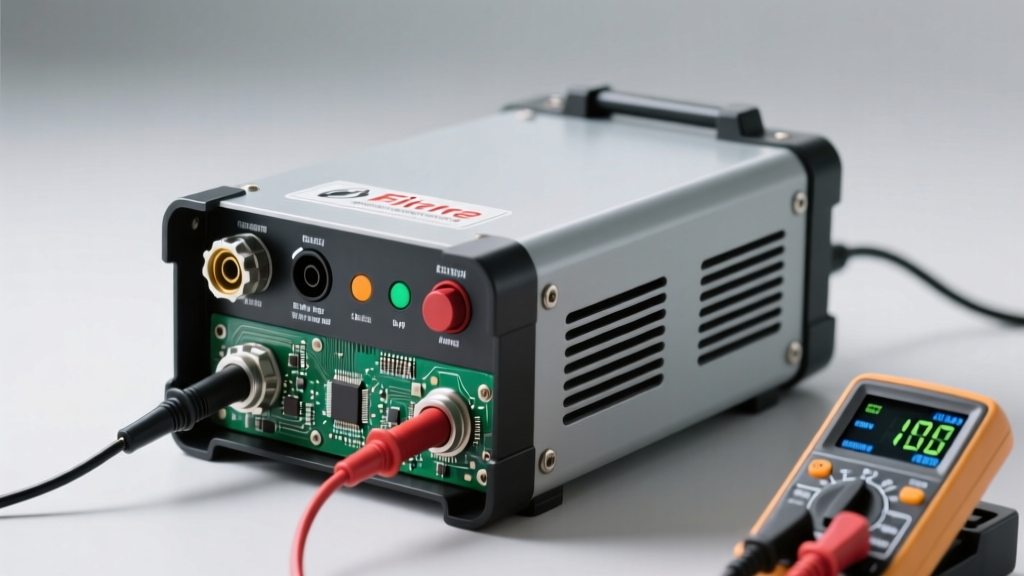
Types of Mini Camera GPS Car Trackers
A mini camera GPS car tracker combines real-time vehicle tracking with video surveillance, offering enhanced security, monitoring, and data collection capabilities. These compact devices are used for personal safety, fleet management, insurance verification, and investigative purposes. Understanding the different types helps users select the right solution based on their specific needs—whether it's accident documentation, employee monitoring, or covert surveillance.
Camera Only
These devices prioritize video recording augmented with GPS metadata such as location, speed, time, and direction. While they don't offer live streaming, they embed critical driving data directly onto the recorded footage.
- Records high-definition video with embedded GPS data (speed, coordinates, timestamp)
- Stores footage locally on SD cards or internal memory
- Playback options vary: instant review on device or later analysis via computer
- Commonly found in dash cameras with GPS integration
Ideal for: Capturing legal-grade evidence in accidents and insurance disputes.
Best for: Personal vehicle owners, rideshare drivers, insurance documentation
Continuous Recording
These trackers operate non-stop, capturing both video and GPS data around the clock. They ensure no event goes undocumented, making them ideal for comprehensive monitoring and forensic review.
- 24/7 video and GPS logging without gaps
- Loop recording to manage storage efficiently
- Event-triggered saving (e.g., sudden braking, impact detection)
- High-capacity storage support for extended retention
Provides complete journey documentation for risk mitigation and incident reconstruction.
Best for: Commercial fleets, rental cars, high-risk environments, law enforcement
Augmented Live View
These advanced systems provide real-time video streaming with synchronized GPS telemetry. Users can monitor vehicles remotely while viewing dynamic overlays like speed, route, engine status, and geofence boundaries.
- Live video feed accessible via smartphone or web dashboard
- Real-time GPS tracking with map integration
- Data augmentation: speed, acceleration, fuel usage, driver behavior
- Geofencing alerts and emergency notifications (theft, crash detection)
- Remote pan/tilt/zoom control (on select models)
Enables proactive fleet management and immediate emergency response.
Best for: Fleet operators, logistics companies, parental monitoring, security teams
Covert Installation
Designed for discreet placement, these mini camera GPS trackers are hidden from plain sight. Unlike visible dashcams, they avoid detection while still capturing video and location data.
- Compact, camouflaged design for concealed mounting (e.g., behind mirrors, under dashboards)
- Operates silently without indicator lights
- Used in investigations, surveillance, and anti-theft operations
- Often paired with motion-activated recording to conserve power
Unobtrusive monitoring that captures authentic behavior without altering subject actions.
Best for: Private investigators, corporate security, undercover operations, asset protection
| Tracker Type | Video Recording | Live Streaming | GPS Tracking | Primary Use Case |
|---|---|---|---|---|
| Camera Only | Yes (on-demand/event-based) | No | Limited (metadata only) | Accident evidence & insurance claims |
| Continuous Recording | Yes (24/7 loop recording) | No | Yes (full journey logs) | Fleet monitoring & risk management |
| Augmented Live View | Yes (streaming + recording) | Yes (real-time access) | Yes (live + historical) | Fleet management & emergency response |
| Covert Installation | Yes (hidden recording) | Optional (depends on model) | Yes (stealth tracking) | Surveillance & investigative work |
Expert Tip: When choosing a mini camera GPS car tracker, consider storage capacity, battery life, and data privacy compliance. For commercial use, ensure the device meets local laws regarding audio recording and employee monitoring to avoid legal issues.
Materials and Mechanisms of Mini Camera GPS Car Trackers
Mini camera GPS car trackers have evolved into highly sophisticated surveillance tools, combining discreet imaging with real-time location tracking. Beyond their functional features, these devices are distinguished by the materials and internal mechanisms used in their construction. Understanding these components empowers users—whether private investigators, fleet managers, or security professionals—to select the most suitable tracker for their specific environment and operational needs.
The choice of materials directly impacts durability, stealth, signal performance, and resistance to environmental factors. Below is a detailed breakdown of the key materials and mechanisms used in modern mini camera GPS trackers.
High-Strength Plastics: Lightweight Durability for Covert Use
Manufacturers often use high-strength engineering plastics such as polycarbonate or ABS (acrylonitrile butadiene styrene) for the outer casing of mini camera GPS trackers. These materials offer an optimal balance of lightness and impact resistance, making them ideal for covert installations where minimal weight and low visibility are crucial.
Plastic casings are particularly favored in trackers designed for continuous recording, as they protect sensitive internal electronics from minor impacts and vibrations without adding bulk. Their moldability allows for sleek, inconspicuous designs that can be hidden in dashboards, vents, or under seats. Additionally, non-metallic construction reduces the risk of signal interference, ensuring reliable GPS and cellular connectivity.
These trackers are popular among individuals seeking discreet monitoring solutions without the need for heavy-duty hardware, offering a cost-effective and easily deployable option.
Metal Alloys: Enhanced Protection and Signal Performance
For advanced GPS tracking devices featuring live streaming, real-time alerts, and extended operational cycles, metal alloy casings—typically made from aluminum or magnesium alloys—are increasingly common. These materials provide superior structural integrity and thermal management, protecting internal circuitry from heat generated by high-performance processors and transmitters.
Metal casings also act as electromagnetic shields, reducing interference and enhancing the clarity of GPS and cellular signals. This is particularly beneficial in urban environments with signal congestion or when tracking vehicles over long distances. Furthermore, the conductive properties of metal can function as a partial antenna ground plane, improving reception efficiency.
Law enforcement agencies, surveillance firms, and commercial fleets often prefer metal-encased trackers due to their ruggedness, longevity, and reliability in demanding conditions. Their resistance to tampering and physical damage makes them suitable for high-risk deployments.
Waterproofing Mechanisms: All-Weather Reliability
Modern GPS tracker cars are frequently exposed to harsh environmental conditions, including rain, humidity, and temperature fluctuations. To ensure uninterrupted performance, manufacturers integrate advanced waterproofing mechanisms such as silicone gaskets, desiccant silica gel packs, and conformal coating on internal circuit boards.
Silicone seals are placed at all access points—battery compartments, ports, and joints—to create an airtight and watertight barrier. Conformal coating, a thin polymeric film applied to electronic components, protects against moisture, dust, and corrosion, significantly extending the device’s lifespan.
These features are especially critical for trackers with live feed capabilities and continuous recording functions, which rely on sensitive microelectronics that can fail if exposed to moisture. Fully sealed units are rated using IP (Ingress Protection) standards—such as IP67 or IP68—indicating complete dust resistance and submersion protection. This level of durability ensures reliable operation in any weather, making them ideal for outdoor or under-vehicle installations.
Camera Lens and Covert Optics: Discreet Surveillance Technology
The visual component of a mini camera GPS tracker hinges on precision optics designed for stealth and clarity. Lenses are typically constructed from optical-grade glass or acrylic plastic, offering excellent light transmission and scratch resistance. Focal lengths vary depending on the intended application—wide-angle lenses for broader coverage or telephoto variants for distant monitoring.
To maintain concealment, many trackers employ pinhole camera technology, featuring micro-apertures as small as 1–2mm in diameter. These allow the camera to capture video while remaining nearly invisible to the naked eye. Infrared (IR) cut filters and night vision support enable 24/7 recording, even in low-light environments.
Such covert optics are widely used by private investigators, law enforcement, and corporate security teams who require undetectable monitoring. The integration of digital zoom, motion detection, and edge-based video processing further enhances their utility in surveillance operations.
Batteries and Power Management: Efficiency and Longevity
Power systems in mini camera GPS trackers are engineered for efficiency, balancing battery life with device performance. Most compact models utilize internal lithium-polymer (LiPo) batteries, known for their high energy density, lightweight design, and ability to be shaped to fit tight spaces. Larger or permanently installed units may incorporate external battery packs or draw power directly from the vehicle’s electrical system.
Advanced power management systems play a crucial role in extending operational time. Features include:
- Smart Activation: The device activates only when motion is detected or the vehicle engine starts, conserving power during idle periods.
- Hibernation Mode: In standby, the tracker reduces power consumption by disabling non-essential functions while maintaining GPS wake-up capability.
- Scheduled Recording: Users can set time-based recording intervals to minimize data usage and battery drain.
- Solar Charging (in select models): Some outdoor trackers include solar panels to supplement battery charging, ideal for long-term deployments.
Efficient power design not only lowers operational costs but also reduces the need for frequent maintenance, making these trackers ideal for remote or unattended monitoring scenarios.
| Component | Common Materials/Mechanisms | Primary Benefits |
|---|---|---|
| Device Casing | Polycarbonate, ABS plastic, aluminum/magnesium alloys | Lightweight, impact-resistant, signal-friendly (plastic); durable, heat-dissipating, signal-enhancing (metal) |
| Waterproofing | Silicone gaskets, conformal coating, IP67/IP68 sealing | Protection from moisture, dust, and corrosion; suitable for all-weather use |
| Camera Optics | Optical glass, acrylic lenses, pinhole apertures, IR filters | High clarity, night vision, and complete concealment |
| Power System | Lithium-polymer batteries, vehicle power integration, hibernation logic | Extended battery life, adaptive power use, reduced maintenance |
Important: When selecting a mini camera GPS tracker, consider the operating environment, desired stealth level, and power requirements. Using a device with inadequate waterproofing or weak casing in harsh conditions can lead to premature failure. Similarly, poor power management may result in missed recordings or lost data. Always verify product specifications and certifications to ensure compatibility with your intended use case.
Scenarios of Mini Camera GPS Car Trackers
Mini camera GPS car trackers have evolved into powerful tools that combine real-time location tracking with video surveillance, offering a wide range of practical applications across personal, commercial, and safety domains. These compact yet advanced devices provide critical data and visual evidence that help users make informed decisions, enhance security, and improve accountability. Understanding these use cases enables businesses and individuals to select the right device based on specific needs, ensuring optimal performance and value.
Accident Reconstruction & Liability Assessment
Mini camera GPS car trackers with continuous recording and live streaming capabilities are increasingly vital in reconstructing vehicle accidents. By capturing high-resolution video alongside precise GPS data—such as speed, direction, braking patterns, and impact timing—these devices offer an objective account of events before, during, and after a collision.
- Insurance providers use recorded footage and telemetry data to assess claims accurately, determine fault, and combat fraudulent reporting.
- Legal teams leverage timestamped, geotagged video evidence in court proceedings to support or refute liability claims.
- Drivers involved in accidents gain peace of mind knowing they have verifiable proof of their actions and surroundings.
- Advanced models support cloud backup and automatic incident detection (G-sensor triggered recording), ensuring crucial data is preserved even if the device is damaged.
Key Benefit: Objective, tamper-resistant evidence reduces disputes and accelerates claim resolution.
Asset Protection & Theft Recovery
For owners of high-value vehicles—including luxury cars, commercial fleets, leased automobiles, and delivery vans—mini camera GPS trackers serve as a dual-layer security system combining real-time location monitoring with visual verification.
- In the event of theft, owners and law enforcement can track the vehicle’s exact location in real time using GPS and cellular networks.
- Live or recorded video feeds show the surroundings, driver behavior, and potential suspects, aiding police in safe recovery operations.
- Geofencing alerts notify owners when a vehicle leaves a designated area, enabling rapid response to unauthorized movement.
- Fleet and rental companies integrate this technology into anti-theft protocols, reducing losses and insurance premiums.
Pro Tip: Choose models with offline storage and hidden installation options to prevent tampering by thieves.
Parental Monitoring for Teen Drivers
With teen drivers facing significantly higher accident rates, parents are turning to mini camera GPS trackers to monitor driving behavior and promote safer habits. These devices go beyond simple location tracking by providing visual insight into real-world driving conditions and actions.
- Parents can detect risky behaviors such as speeding, hard braking, sharp turns, and nighttime driving through GPS analytics and video playback.
- Real-time alerts allow immediate intervention when dangerous patterns are detected.
- Recorded footage serves as a coaching tool for post-drive discussions about defensive driving techniques.
- Some systems support multi-vehicle tracking, making it easier for families with multiple teen drivers to manage oversight efficiently.
Peace of Mind: Proactive monitoring helps reduce accidents and builds responsible driving habits early.
Fleet Management & Operational Efficiency
Businesses operating vehicle fleets—such as logistics companies, delivery services, construction firms, and service technicians—use mini camera GPS trackers to enhance productivity, ensure compliance, and reduce operational risks.
- Managers monitor driver behavior, route adherence, idle times, and fuel efficiency to optimize performance and cut costs.
- Video evidence supports fair evaluations during disciplinary actions or accident investigations, protecting both the company and responsible drivers.
- Customer service improves with accurate ETAs and proof of delivery via timestamped location and video logs.
- Training programs benefit from real-world footage, allowing supervisors to identify skill gaps and reinforce safe practices.
ROI Insight: Companies report up to 30% reduction in fuel costs and 40% fewer accidents after implementing video-based telematics.
Personal & Public Safety Enhancement
Mini camera GPS trackers are also used by individuals and organizations focused on personal security, privacy protection, and community safety. Their discreet design and powerful surveillance features make them ideal for sensitive monitoring situations.
- Private investigators use them to gather evidence in cases involving infidelity, custody disputes, or harassment.
- Victims of stalking or domestic abuse deploy trackers to document unwanted surveillance or threatening behavior.
- Neighborhood watch groups and concerned citizens use geofencing and live viewing to monitor suspicious activity around homes or public spaces.
- Journalists and activists in high-risk areas rely on encrypted GPS-video devices for personal safety and evidence collection.
Critical Feature: Look for end-to-end encryption, remote wipe, and stealth mode for sensitive applications.
Insurance & Risk Mitigation
Many insurance providers now encourage or even incentivize the use of mini camera GPS trackers through usage-based insurance (UBI) programs. These systems allow for more accurate risk assessment and personalized policy pricing.
- Safe driving data—such as consistent speeds, smooth acceleration, and low nighttime usage—can lead to premium discounts.
- Immediate access to crash footage reduces investigation time and prevents false claims.
- Commercial insurers offer lower rates for fleets equipped with video telematics due to reduced accident frequency.
- Some policies include automatic emergency alerts that notify emergency services after a detected collision.
Emerging Trend:
Customization Options for Mini Camera GPS Car Trackers
Mini camera GPS car trackers have evolved into highly adaptable tools for personal, commercial, and security applications. With a wide range of customization options available, buyers and resellers can tailor these devices to meet specific market demands, usage scenarios, and user preferences. Thoughtful customization enhances both the functional performance and aesthetic appeal of the tracker, making it more competitive and valuable in diverse environments—from fleet management to personal vehicle monitoring and covert surveillance.
Important Note: While customization enhances functionality, always ensure compliance with local privacy laws and regulations—especially when audio or video recording is involved. Unauthorized surveillance may lead to legal consequences.
Key Customization Features of Mini Camera GPS Trackers
- Size and Form Factor
Mini GPS camera trackers come in a variety of physical dimensions and designs, allowing users to choose between visibility and stealth. Devices can be as small as a matchbox (under 2 inches) for covert placement behind dashboards, under seats, or inside interior panels, making them ideal for private investigators, law enforcement, or concerned parents.
For commercial fleets, larger, ruggedized units with durable enclosures may be preferred. These often include external antennas and mounting brackets for reliable performance in harsh conditions. Custom form factors—such as magnetic housings, plug-and-play OBD-II integration, or slim profile designs—can also be developed for specific use cases.
- Video Resolution and Camera Type
Image quality is a critical customization parameter. Trackers can be equipped with video recording capabilities ranging from 480p standard definition to 1080p Full HD or even 4K ultra-high definition, depending on storage, bandwidth, and processing capabilities.
Different camera types serve distinct purposes:
- Pinhole Cameras: Nearly invisible, perfect for discreet monitoring in sensitive environments.
- Wide-Angle Dash Cams: Provide broad field-of-view coverage for accident documentation and driver behavior monitoring.
- Infrared (IR) Night Vision: Enables clear recording in low-light or nighttime conditions.
- 360° or Dual-Lens Cameras: Capture both front and cabin views simultaneously, ideal for ride-sharing or fleet safety programs.
Custom firmware can also support motion-activated recording, time-lapse modes, or event-triggered capture (e.g., during sudden braking or impact).
- Geofencing and Alert Settings
Geofencing allows users to define virtual boundaries on a map. When a vehicle enters or exits these zones, the GPS tracker sends real-time alerts via SMS, email, or push notifications. This feature is invaluable for:
- Fleet managers monitoring delivery routes or unauthorized vehicle use.
- Parents ensuring teen drivers stay within safe zones.
- Security teams detecting theft or unauthorized movement of high-value assets.
Customizable alert sensitivity and frequency prevent false alarms. Advanced systems support multiple geofences, time-based rules (e.g., no entry after 10 PM), and integration with fleet management software. Some trackers even allow dynamic geofencing based on traffic patterns or scheduled routes.
- Power Options and Battery Lifespan
Power configuration is crucial for deployment longevity and operational reliability. Custom power solutions include:
- Internal Rechargeable Batteries: Lithium-ion or LiPo batteries offer 2–7 days of standalone operation, ideal for temporary tracking or backup power.
- Hardwired to Vehicle Battery: Provides continuous power for permanent installations, commonly used in fleet vehicles and long-term monitoring.
- Extended Battery Packs: Add-on modules that can extend operational life to several weeks, suitable for covert surveillance or remote tracking.
- Solar Charging: Integrated solar panels enable sustainable, long-term outdoor use—perfect for construction equipment, trailers, or agricultural vehicles.
- Hybrid Power Systems: Combine vehicle power with battery backup to ensure uninterrupted tracking during battery disconnection attempts (common in theft scenarios).
Low-power modes and sleep functions further extend battery life when real-time tracking isn’t required.
- User Interface and Access Options
A user-friendly interface is essential for effective monitoring and control. Customization includes:
- Mobile Apps: iOS and Android applications with live video streaming, GPS location tracking, playback history, and alert management.
- Web-Based Dashboards: Cloud platforms for multi-device management, route history visualization, report generation, and team access controls—ideal for businesses managing large fleets.
- Custom Branding: White-label apps and dashboards allow resellers to brand the software with their logo, colors, and domain.
- API Integration: Enable integration with third-party systems like ERP, dispatch software, or security monitoring platforms.
- Access Permissions: Role-based access (admin, viewer, technician) ensures data security and operational control.
Additional features like two-way audio, remote camera control, and over-the-air (OTA) firmware updates enhance usability and long-term support.
| Customization Option | Best For | Limited Use Cases | Recommended Add-Ons |
|---|---|---|---|
| Compact, Covert Design | Surveillance, theft prevention, personal security | Fleet monitoring, frequent access needs | Magnetic mount, IR camera, motion detection |
| High-Resolution Video | Insurance claims, driver accountability, evidence collection | Low-bandwidth areas, limited storage devices | Cloud storage, loop recording, event tagging |
| Advanced Geofencing | Fleet logistics, teen driver safety, asset security | Urban driving with frequent zone crossings | Time-based rules, multi-zone support, alert filtering |
| Solar or Extended Power | Remote tracking, outdoor equipment, long-term deployment | Indoor use, short-term monitoring | Battery monitor, low-power mode, hybrid wiring |
| White-Label Software | Resellers, fleet operators, security companies | Personal use, single-device setups | API access, custom reporting, multi-user login |
Expert Tip: When selecting customization options, prioritize use-case alignment over feature overload. A simpler, well-tuned device often performs more reliably than a feature-rich but complex system. Always test the tracker in real-world conditions before large-scale deployment.
Final Recommendations
- Assess your primary use case—security, fleet management, parental control, or insurance—before choosing features.
- Consider future scalability: choose devices that support firmware updates and cloud integration.
- Ensure data privacy and encryption, especially when storing or transmitting video and location data.
- Work with manufacturers who offer sample units for testing and customization consultation.
- Train end-users on the interface and alert systems to maximize the value of the tracker.
By leveraging the right combination of customization options, mini camera GPS car trackers can be transformed into powerful, purpose-built tools that deliver actionable insights, enhance safety, and provide peace of mind. Whether for individual use or enterprise deployment, the ability to tailor these devices ensures optimal performance and user satisfaction.
Frequently Asked Questions About Mini Camera GPS Car Trackers
Q1. Can one's privacy be infringed upon using a minicar GPS tracker?Yes, there is potential for privacy infringement when using a mini GPS tracker in a vehicle, but strict legal and ethical frameworks exist to prevent misuse. The legality of tracking depends heavily on consent, context, and jurisdiction.
- Covert Tracking: Secretly installing a GPS tracker on a vehicle without the owner’s knowledge is illegal in many countries and states, especially when tracking private individuals. Exceptions may apply in law enforcement operations with proper warrants or in private investigations conducted under legal authority.
- Consent-Based Use: Open tracking—such as fleet monitoring with employee notification—is generally permitted, provided it complies with data protection laws like GDPR (in Europe) or CCPA (in California).
- Workplace Monitoring: Companies using telematics systems must inform employees and adhere to labor and privacy regulations. Employees have a reduced expectation of privacy during work hours, but personal use tracking remains protected.
- Legal Repercussions: Unauthorized surveillance can lead to civil lawsuits, criminal charges, or fines. Courts have ruled against individuals and organizations that misuse GPS tracking without justification or consent.
In short, while GPS tracking technology itself is neutral, its application must respect privacy rights and comply with local and international laws to avoid legal consequences.
Q2. Will it be possible to avoid legal issues when using these trackers?Yes, it is possible to avoid legal issues, but only through careful adherence to applicable laws and best practices. The legal landscape varies significantly across regions, so proactive compliance is essential.
- Consult Legal Experts: Before deploying any tracking system—especially covert ones—consulting with a qualified attorney is strongly recommended. Legal professionals can help assess whether your use case aligns with current surveillance laws and privacy regulations.
- Obtain Consent: Whenever possible, obtain written consent from drivers or vehicle owners. This is particularly important in personal, familial, or employment contexts.
- Document Justification: In cases involving minors, company vehicles, or asset protection, maintain clear records explaining why tracking is necessary and how data will be used and stored.
- Stay Informed: Laws evolve rapidly, especially in response to new technologies. Staying updated on changes in privacy legislation helps prevent unintentional violations.
By combining legal guidance with transparent policies, users can significantly reduce the risk of fines, lawsuits, or reputational damage associated with improper GPS tracker usage.
Q3. How are Mini Camera GPS car trackers installed?Installation methods vary based on the type of GPS tracker, its features (e.g., camera integration, power source), and whether visibility or concealment is desired.
- Plug-and-Play Devices: Many modern GPS trackers are designed for easy self-installation. They plug directly into the vehicle’s OBD-II port (typically located under the dashboard), providing both power and access to diagnostic data. These require no wiring and can be set up in minutes.
- Hardwired Trackers: For permanent or hidden installations—especially those with cameras or continuous recording—professional installation is often necessary. These devices are connected directly to the vehicle’s electrical system and may be concealed under seats, in bumpers, or behind dash panels.
- Magnetic & Portable Trackers: Compact, battery-powered units with magnetic backs can be attached externally (e.g., under the chassis) for temporary use. They’re ideal for rental vehicles or short-term monitoring but require periodic charging or replacement.
- Camera Integration: Models with built-in cameras may require alignment for optimal view and additional storage setup (e.g., microSD cards or cloud services).
For complex installations involving power wiring, signal optimization, or tamper resistance, professional installation ensures reliability, safety, and compliance with vehicle warranties.
Q4. Do Mini Camera GPS car trackers work in different countries and regions?Yes, most advanced mini camera GPS trackers are designed for global functionality, but performance and legality depend on both technology and regional regulations.
| Feature | Global Compatibility | Regional Considerations |
|---|---|---|
| Satellite Systems | Integrated support for GPS (USA), GLONASS (Russia), Galileo (EU), and BeiDou (China) enables accurate tracking worldwide. | Signal strength may vary in remote or mountainous areas depending on local satellite coverage. |
| Network Connectivity | Relies on cellular networks (2G/3G/4G/5G) to transmit data. Multi-band devices support international roaming. | Some countries restrict certain frequencies or require local SIM cards. Check carrier compatibility before international use. |
| Legal Compliance | Devices function technically across borders. | Privacy laws differ—e.g., GDPR in Europe prohibits unauthorized tracking. Always verify local surveillance laws before deployment. |
| Data Storage & Transfer | Cloud-based platforms allow remote access from anywhere. | Cross-border data transfer may be restricted; ensure your service provider complies with international data protection standards. |
To ensure seamless international operation, choose a GPS tracker with multi-network support and always research the legal environment of the countries you plan to use it in.
Q5. Can Mini Camera GPS car trackers be used outdoors?Yes, many mini camera GPS trackers are specifically designed for outdoor use and built to withstand harsh environmental conditions.
- Weather Resistance: Most outdoor-capable models feature IP65, IP67, or higher waterproof and dustproof ratings, protecting against rain, snow, humidity, and dirt.
- Durability: Rugged casings made from shock-absorbent materials help protect internal components from vibrations, drops, and temperature extremes (typically operating between -20°C to 70°C).
- Power Options: Outdoor trackers often include long-life batteries, solar charging capabilities, or external power adapters to support extended deployment without vehicle power.
- Use Cases: Ideal for tracking trailers, construction equipment, boats, ATVs, or stolen vehicles left in open environments.
- Signal Performance: Antennas are optimized for clear sky visibility, ensuring strong GPS and cellular signals even when mounted externally.
When selecting a tracker for outdoor use, verify its environmental rating, battery life, and mounting options to ensure reliable performance in your intended conditions.