Brewing coffee is more than a morning ritual—it’s a craft. While many focus on beans, grinders, or brewing devices, one often overlooked element is the vessel itself. The humble ceramic mug isn’t just a container; it plays a crucial role in temperature stability, aroma development, and overall flavor experience. When done right, brewing directly into a ceramic mug can elevate your daily cup from average to exceptional. This guide dives deep into the science, technique, and subtle details that transform a simple pour-over or French press into a refined coffee moment—all within the familiar embrace of your favorite ceramic vessel.
The Role of the Ceramic Mug in Coffee Brewing
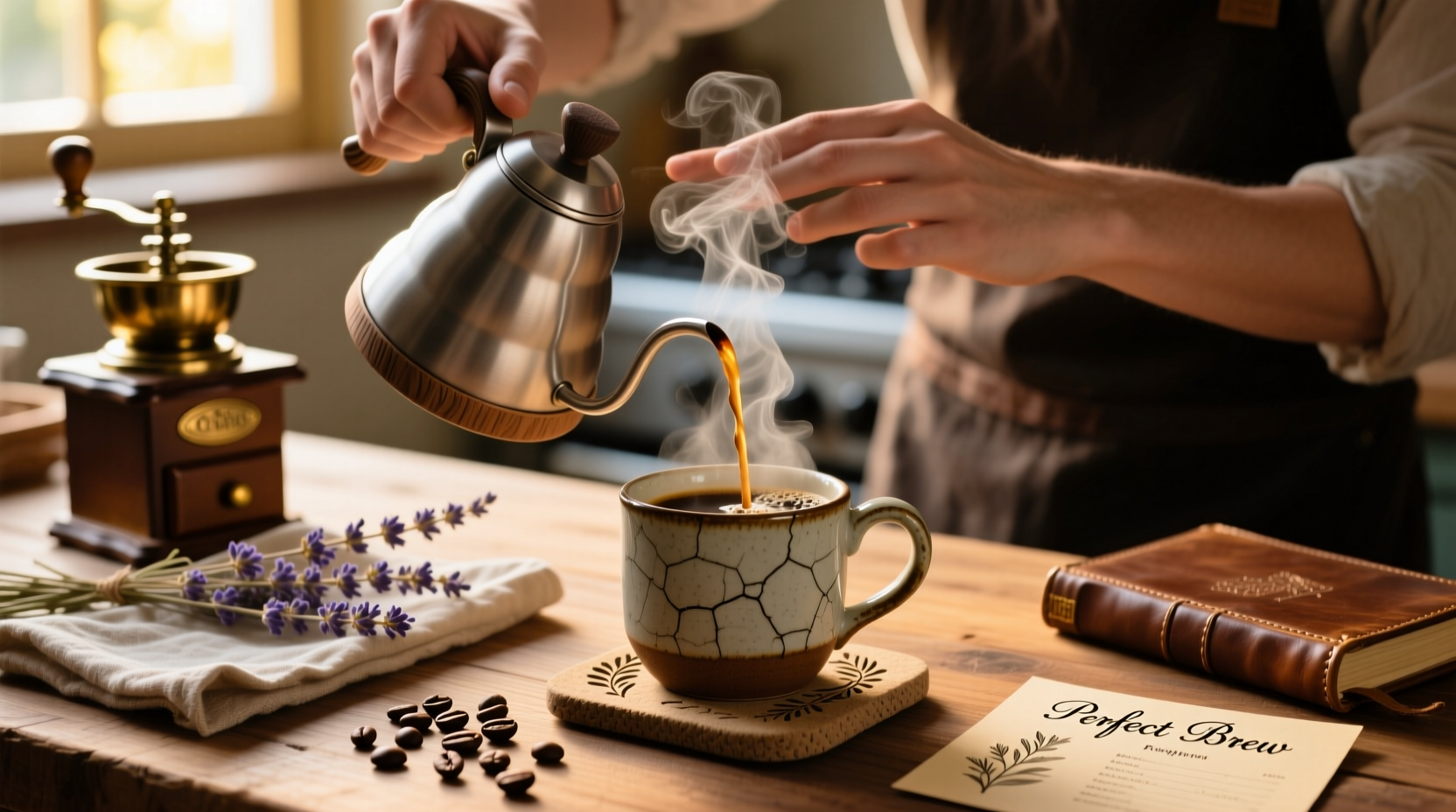
Ceramic mugs are prized for their thermal properties and aesthetic appeal. Unlike thin glass or conductive metal, ceramic retains heat effectively while providing a neutral surface that doesn’t interfere with flavor. However, not all ceramic mugs are created equal. Thickness, glaze quality, and preheating practices significantly impact the final taste.
Thicker-walled mugs insulate better, slowing heat loss during consumption. A well-glazed interior prevents micro-abrasions that could harbor old oils and taint future brews. But perhaps the most critical factor is preheating. Pouring hot water into a cold mug causes an immediate temperature drop—sometimes as much as 10–15°C—which can stall extraction and mute delicate notes in specialty coffee.
Tip: Always preheat your ceramic mug with hot water for at least 30 seconds before brewing. Discard the water just before pouring your coffee.Choosing the Right Mug for Optimal Results
Selecting the ideal ceramic mug involves balancing capacity, shape, and material integrity. Consider these factors when evaluating your options:
- Capacity: Aim for a mug between 8–12 oz (240–350 ml) to match standard single servings without excessive headspace that accelerates cooling.
- Shape: A slightly tapered top helps trap aromatic compounds, enhancing nose and perceived sweetness.
- Handle design: Should allow comfortable grip without forcing fingers too close to the heated body.
- Interior glaze: Smooth, non-porous finishes prevent residue buildup and make cleaning easier.
| Mug Feature | Recommended | Avoid |
|---|---|---|
| Wall Thickness | Medium to thick (4–6 mm) | Thin walls (<3 mm) |
| Volume | 8–12 oz (240–350 ml) | Over 16 oz (475+ ml) |
| Preheating | Essential (use near-boiling water) | Skip or use lukewarm rinse |
| Glaze Quality | Glossy, uniform finish | Cracked, matte, or porous surfaces |
Step-by-Step Guide to Brewing in a Ceramic Mug
To extract the best possible flavor using only a ceramic mug, follow this detailed process. This method works exceptionally well for immersion-style brewing like French press or manual pour-over setups adapted to mug use.
- Preheat the mug: Fill with boiling water and let sit for 30–60 seconds. Swirl gently and discard completely.
- Weigh or measure coffee: Use 15 grams (about 1 tablespoon) of freshly ground coffee per 250 ml of water for balanced strength.
- Grind size: Medium-fine, similar to table salt, ensures even extraction without over-saturation.
- Add coffee grounds: Place them directly into the preheated mug.
- Pour water: Heat water to 92–96°C (198–205°F). Start timer and pour slowly in concentric circles until desired volume is reached.
- Stir gently: After 30 seconds, break the crust with a spoon to encourage even saturation.
- Steep: Allow to brew for 3 minutes 30 seconds for full-bodied clarity.
- Skim and serve: Remove floating oils or fines with a spoon if desired, then enjoy immediately.
Expert Insight: Why Vessel Matters
Dr. Lena Torres, sensory analyst at the Specialty Coffee Association, emphasizes the importance of thermal consistency in tasting environments:
“The difference between a great cup and a mediocre one often lies not in the bean, but in the balance of temperature and time. Ceramic provides a stable platform for flavor development—if properly prepped.” — Dr. Lena Torres, Coffee Sensory Scientist
This principle holds especially true for light-roast coffees, which rely on higher brewing temperatures to unlock floral, citrus, and tea-like nuances. A cold mug dulls these characteristics instantly, leading to flat, underwhelming results.
Real Example: From Bitter to Balanced
James, a home barista in Portland, struggled with inconsistent brews despite using high-quality beans. He brewed pour-over coffee directly into a large, unpreheated stoneware mug. His notes described “harsh acidity” and “sudden bitterness.” After switching to a smaller, preheated ceramic mug with a tighter rim, he noticed immediate improvement. By stabilizing the temperature from first pour to last sip, his coffee developed a rounded mouthfeel and revealed chocolate and caramel notes previously masked by thermal shock.
His adjustment? A 45-second preheat with boiling water and reducing total brew volume to match the mug’s capacity. No equipment change—just attention to vessel dynamics.
Common Mistakes and How to Avoid Them
- Skipping preheating: Leads to rapid cooling and uneven extraction.
- Using oversized mugs: Increases surface-to-volume ratio, accelerating heat loss.
- Overfilling with boiling water: Can scald delicate beans, creating astringency.
- Leaving coffee sitting too long: Oxidation begins after 10–15 minutes, degrading brightness and sweetness.
“Temperature management starts the moment water touches the mug—not the coffee.” — Rafael Nguyen, Barista Champion & Trainer
Frequently Asked Questions
Can I brew espresso-style coffee in a ceramic mug?
While you can’t produce true espresso without pressure, you can mimic its intensity using a fine grind and a shorter steep time (2 minutes) with slightly less water (180–200 ml). Top with a small amount of frothed milk for a café-style mini-latte.
How do I clean my ceramic mug to preserve flavor?
Rinse immediately after use. For deep cleaning, soak in warm water with a teaspoon of baking soda or use a soft brush with mild dish soap. Avoid abrasive pads that scratch the glaze. Never leave coffee residues overnight.
Does mug color affect the coffee experience?
Indirectly, yes. Light-colored interiors make it easier to assess clarity and crema. Psychologically, warmer hues (reds, oranges) may enhance perception of sweetness, while cooler tones (blues, whites) emphasize brightness.
Final Checklist for the Perfect Mug Brew
- ✅ Preheat mug with boiling water
- ✅ Use freshly ground, medium-fine coffee
- ✅ Measure 15g coffee per 250ml water
- ✅ Pour water at 92–96°C (not boiling)
- ✅ Steep for 3:30, stir at 0:30
- ✅ Serve immediately; avoid prolonged standing
- ✅ Clean thoroughly after each use
Conclusion: Elevate Your Everyday Ritual
Brewing the perfect cup of coffee in a ceramic mug isn’t about complexity—it’s about intention. Every step, from selecting the right vessel to respecting temperature thresholds, contributes to a richer, more satisfying experience. You don’t need expensive gear to achieve excellence. What matters is consistency, awareness, and a willingness to refine the small details that most overlook.
💬 Ready to transform your morning routine? Try this method tomorrow with your favorite mug and notice the difference. Share your results, tips, or favorite ceramic companions in the comments below.