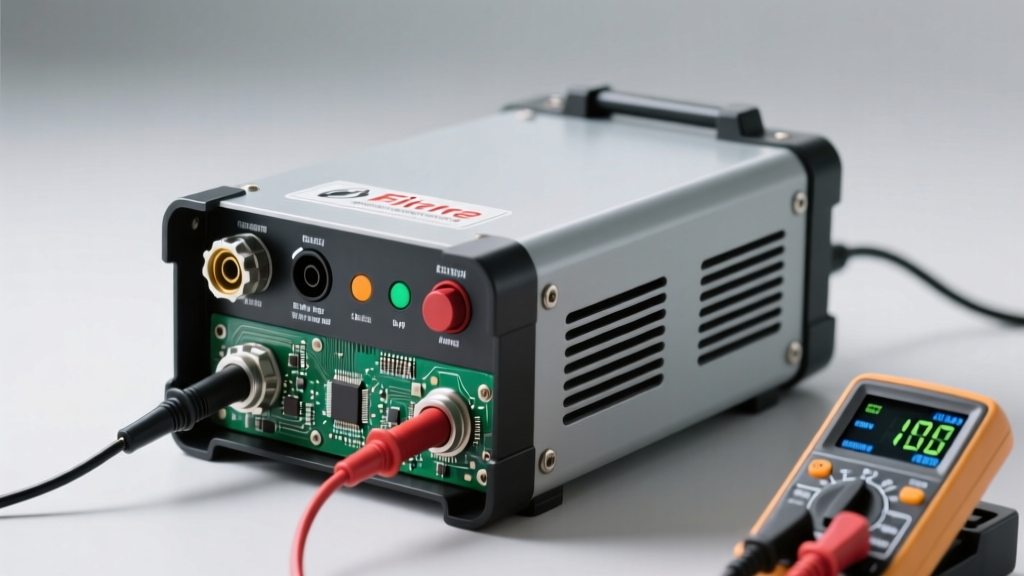
Types of Laptop Switch Mode Power Supplies
A Laptop Switch Mode Power Supply (SMPS) is a critical component that efficiently converts alternating current (AC) from a wall outlet into direct current (DC) required by your laptop. These power supplies are engineered for high efficiency, compact size, and stable voltage output, making them ideal for portable electronics. Understanding the different types of SMPS technologies helps in selecting the right power solution for performance, safety, and longevity.
Linear Power Supply
Utilizes linear regulators to maintain a constant output voltage by dissipating excess power as heat. Known for clean, stable output with minimal electrical noise.
Advantages
- Extremely low electrical noise and ripple
- Simple design with predictable performance
- Ideal for noise-sensitive applications
- Reliable under stable load conditions
Limitations
- Poor efficiency (typically 40–60%)
- Generates significant heat
- Bulky due to large transformers
- Not suitable for high-power or portable devices
Best for: Laboratory equipment, audio systems, and precision instruments—not commonly used in modern laptops.
Switching Mode Power Supply (SMPS)
Converts AC to DC using high-frequency switching transistors, enabling smaller components and higher efficiency. This is the standard in modern laptop chargers.
Advantages
- High efficiency (80–95%)
- Compact and lightweight design
- Stable output across varying input voltages
- Excellent thermal performance
Limitations
- Produces electromagnetic interference (EMI)
- More complex circuitry
- Requires filtering to reduce noise
- Higher cost in premium models
Best for: Laptops, smartphones, tablets, and most consumer electronics requiring efficient, portable power.
Isolated DC-DC Converter
Uses a high-frequency transformer to provide complete electrical isolation between input and output circuits, enhancing safety and noise reduction.
Advantages
- Galvanic isolation improves safety
- Reduces ground loops and electrical noise
- Essential for medical and industrial systems
- Protects sensitive components from surges
Limitations
- More expensive and complex
- Slightly lower efficiency due to transformer losses
- Larger footprint than non-isolated types
- Rarely used in standard laptop adapters
Best for: Medical devices, industrial controls, telecom systems—used in specialized laptop applications like ruggedized or military-grade units.
Non-Isolated DC-DC Converter
Efficiently steps up or down DC voltage using topologies like buck (step-down), boost (step-up), or buck-boost without electrical isolation.
Advantages
- High efficiency and minimal energy loss
- Compact and cost-effective design
- Fast response to load changes
- Widely used in internal laptop power regulation
Limitations
- No electrical isolation (safety risk in faults)
- Shared ground can introduce noise
- Not suitable for high-voltage or safety-critical systems
Best for: Internal voltage regulation in laptops, battery-powered devices, and portable electronics.
| Type | Efficiency | Noise Level | Size & Weight | Typical Use Case |
|---|---|---|---|---|
| Linear Power Supply | Low (40–60%) | Very Low | Large & Heavy | Audio, lab equipment |
| Switching Mode (SMPS) | High (80–95%) | Moderate | Compact & Light | Laptops, phone chargers |
| Isolated DC-DC | Medium-High | Low | Moderate | Medical, industrial |
| Non-Isolated DC-DC | Very High | Moderate-High | Very Compact | Internal laptop circuits |
Expert Tip: Most modern laptop chargers use SMPS technology due to its optimal balance of efficiency, size, and performance. When replacing a charger, ensure it matches your laptop’s voltage and wattage requirements to avoid damage and ensure safe operation.
Materials Used to Make Laptop Switch Mode Power Supplies
Laptop switch mode power supplies (SMPS) are essential components that convert AC voltage from wall outlets into stable DC power required by sensitive electronics. The materials used in their construction directly impact efficiency, thermal performance, safety, and reliability. Modern SMPS designs leverage advanced materials to achieve compact size, high energy efficiency, and long operational life—critical for portable computing devices.
Core Materials and Their Functions
Semiconductors
Semiconductors form the heart of any SMPS, enabling precise control of power switching and conversion. Key materials include:
- Silicon (Si): The most widely used semiconductor due to its cost-effectiveness and mature manufacturing processes. Ideal for standard laptop adapters operating under moderate loads and temperatures.
- Silicon Carbide (SiC): Offers superior thermal conductivity and higher breakdown voltage, allowing operation at elevated temperatures and frequencies. This results in reduced switching losses and improved overall efficiency—common in premium, high-power adapters.
- Gallium Nitride (GaN): A cutting-edge material that enables ultra-fast switching with minimal energy loss. GaN-based SMPS are significantly smaller and lighter than traditional silicon equivalents while delivering higher power density. Increasingly adopted in fast-charging laptop power supplies.
These materials are used to fabricate MOSFETs, diodes, and integrated controllers that regulate voltage conversion through pulse-width modulation (PWM), ensuring stable output despite fluctuating input or load conditions.
Ferrite Cores
Ferrite cores are magnetic components used in inductors and transformers within the SMPS. Made from ceramic-like iron oxide compounds, they exhibit excellent magnetic permeability and low electrical conductivity, minimizing eddy current losses at high frequencies.
The two most common types are:
- Manganese-Zinc (MnZn) Ferrites: Preferred for frequencies below 2 MHz due to their high permeability and saturation flux density. Ideal for primary-side transformers in low-to-medium power SMPS.
- Nickel-Zinc (NiZn) Ferrites: Better suited for higher frequency applications (above 2 MHz) due to their higher resistivity and lower core losses, often used in EMI suppression and auxiliary circuits.
By operating efficiently at high frequencies, ferrite cores allow for smaller magnetic components, contributing to the miniaturization of modern laptop chargers without sacrificing performance.
Capacitors
Capacitors play a vital role in filtering, energy storage, and noise suppression throughout the SMPS. Different types are strategically placed based on function and location in the circuit:
- Electrolytic Capacitors: Used on the input (AC side) and output (DC side) for bulk energy storage. They smooth out rectified voltage ripples and provide steady power during load transients. However, they have limited lifespan and can degrade under high heat.
- Film Capacitors: Employed in snubber circuits and across switching nodes to suppress voltage spikes and electromagnetic interference (EMI). Known for excellent stability, low dielectric losses, and long service life.
- Ceramic Capacitors: Widely used for decoupling and high-frequency filtering due to their low equivalent series resistance (ESR) and ability to handle high ripple currents. They are also highly stable across temperature variations, making them ideal for precision regulation stages.
Proper capacitor selection ensures clean DC output, protects downstream components, and enhances overall system reliability.
Heat Sinks and Cooling Systems
Power conversion generates heat, especially in high-wattage laptop adapters. Effective thermal management is crucial to prevent overheating and ensure longevity of sensitive components.
Key materials and methods include:
- Aluminum: Lightweight and cost-effective, aluminum is commonly used in passive heat sinks due to its good thermal conductivity and ease of extrusion into finned structures for increased surface area.
- Copper: Offers superior thermal conductivity (nearly twice that of aluminum), making it ideal for critical heat transfer paths such as direct contact with MOSFETs or transformer cores. Often used in heat pipes or embedded plates in premium adapters.
- Cooling Fans: While most laptop SMPS rely on passive cooling, some high-power models (e.g., gaming laptop chargers) incorporate small fans to actively dissipate heat under sustained loads, maintaining safe operating temperatures.
Thermal interface materials (TIMs), such as thermal pads or greases, are also used to improve heat transfer between components and heat sinks, further enhancing thermal performance.
| Material / Component | Primary Function | Key Advantages | Common Applications |
|---|---|---|---|
| Silicon (Si) | Power switching (MOSFETs, diodes) | Low cost, mature technology | Standard laptop adapters (30–65W) |
| Gallium Nitride (GaN) | High-frequency switching | High efficiency, compact size, low heat | Fast-charging adapters (65W+) |
| Ferrite Cores (MnZn/NiZn) | Inductors & transformers | Low loss at high frequency, magnetic shielding | All SMPS types |
| Electrolytic Capacitors | Bulk energy storage | High capacitance per volume | Input/output filtering |
| Aluminum/Copper Heat Sinks | Thermal dissipation | Prevents overheating, extends lifespan | High-power adapters, enclosed units |
Why Material Selection Matters
The choice of materials in a laptop SMPS directly influences several key performance metrics:
- Energy Efficiency: Advanced semiconductors like GaN reduce switching losses, achieving efficiencies above 90%, which minimizes electricity waste and heat generation.
- Size and Weight: High-frequency operation enabled by ferrites and GaN allows for smaller transformers and capacitors, leading to lighter, more portable chargers.
- Durability: Proper thermal design and high-quality capacitors increase the operational lifespan and reliability of the power supply.
- Safety: Flame-retardant casings, overheat protection, and robust insulation materials prevent fire hazards and electrical faults.
Important: Inferior materials—such as low-grade electrolytic capacitors or unshielded ferrites—can lead to premature failure, unstable voltage output, or even safety risks. Always choose OEM or certified third-party power supplies that adhere to international safety standards (e.g., UL, CE, FCC). Investing in high-quality materials translates directly into better device performance and user safety.
Commercial Use Cases for Laptop Switch Mode Power Supplies
Switch Mode Power Supplies (SMPS) designed for laptops have evolved into essential components across a wide range of commercial and industrial applications. Their widespread adoption is driven by superior energy efficiency, compact design, and reliable voltage regulation. Unlike traditional linear power supplies, SMPS units convert AC to DC with minimal energy loss, making them ideal for modern electronic systems where thermal management, portability, and performance are critical.
Beyond powering laptops, these advanced power supplies play a pivotal role in maintaining operational stability across diverse sectors—from telecommunications to medical technology. Below is a detailed exploration of key commercial applications where laptop-grade SMPS technology delivers measurable benefits.
Consumer Electronics
Laptop SMPS units are foundational in powering a broad spectrum of consumer electronics, including smartphones, tablets, gaming consoles, and portable monitors. These devices require stable, regulated DC voltage, which SMPS efficiently delivers by converting standard 100–240V AC mains power.
- High efficiency (typically 80–90%) reduces heat generation and energy waste, enhancing device safety and battery life
- Compact and lightweight design enables sleek, portable product development
- Universal input voltage compatibility allows global use without adapters
- Integrated protection features (over-voltage, over-current, short-circuit) safeguard sensitive circuitry
Key benefit: Enables the development of thinner, lighter, and more energy-efficient consumer devices
Telecommunications
In telecom infrastructure, laptop-style SMPS units are employed in cellular base stations, fiber-optic routers, VoIP systems, and network switches. These environments demand consistent, ripple-free power to maintain signal integrity and prevent data loss.
- Fast transient response ensures stable voltage during sudden load changes (e.g., call surges or data bursts)
- High power density supports space-constrained installations in telecom cabinets
- Support for redundant power configurations improves system uptime and reliability
- Low electromagnetic interference (EMI) minimizes disruption to sensitive communication signals
Critical advantage: Maintains network reliability even under fluctuating power demands and harsh environmental conditions
Industrial Equipment
Modern industrial automation systems rely on SMPS to power PLCs (Programmable Logic Controllers), sensors, HMIs (Human-Machine Interfaces), and motor drives. The industrial environment presents challenges such as electrical noise, temperature extremes, and vibration.
- Multi-output SMPS can simultaneously deliver +5V, +12V, -12V, and other voltages required by different subsystems
- Robust construction with conformal coating protects against dust, moisture, and corrosion
- Wide operating temperature range (-20°C to +70°C) ensures reliability in demanding factory settings
- High efficiency reduces cooling requirements and operational costs in enclosed control panels
Operational impact: Contributes to reduced downtime and improved process control in manufacturing and automation
Renewable Energy Systems
SMPS technology is integral to solar inverters, wind turbine controllers, and battery storage systems. In these applications, SMPS circuits help manage power conversion between DC sources (solar panels, batteries) and AC loads or the grid.
- Efficient DC-DC conversion maximizes energy harvest from solar arrays
- Used in MPPT (Maximum Power Point Tracking) systems to optimize solar panel output
- Enables compact, high-efficiency inverters that convert DC to grid-compatible AC
- Supports bidirectional power flow in hybrid systems with battery charging/discharging
Sustainability benefit: Enhances the efficiency and viability of clean energy solutions by minimizing conversion losses
Medical Devices
In healthcare, SMPS units power critical equipment such as patient monitors, infusion pumps, imaging systems (e.g., portable ultrasound), and diagnostic tools. Safety and precision are paramount in these applications.
- Medical-grade isolation and low leakage current meet stringent safety standards (e.g., IEC 60601-1)
- Ultra-low noise and stable output prevent interference with sensitive measurements
- Compact size supports development of portable and point-of-care medical devices
- High reliability ensures uninterrupted operation during critical procedures
Life-critical feature: Clean, regulated power prevents malfunctions that could compromise patient safety
Emerging & Niche Applications
As SMPS technology advances, new applications continue to emerge across innovative sectors.
- Electric Vehicles (EVs): Used in onboard chargers and auxiliary systems for efficient DC conversion
- IoT Devices: Powers low-energy sensors and gateways with high efficiency at partial loads
- Aerospace & Defense: Ruggedized SMPS units support avionics and communication systems
- Educational Technology: Enables reliable power for laptop carts and digital learning tools in schools
Future trend: Integration with smart power management and remote monitoring capabilities
Professional Insight: When selecting SMPS solutions for commercial deployment, prioritize units with certifications such as UL, CE, FCC, and 80 PLUS efficiency ratings. For mission-critical applications (medical, industrial), opt for models with extended warranties, thermal protection, and EMI filtering. Always verify compatibility with input voltage ranges and environmental conditions to ensure long-term reliability.
| Industry | Primary SMPS Function | Key Requirements | Efficiency Range |
|---|---|---|---|
| Consumer Electronics | AC-DC Conversion for Portable Devices | Compact size, universal input, low standby power | 85–92% |
| Telecommunications | Stable Power for Network Hardware | High reliability, low EMI, redundancy support | 88–94% |
| Industrial Automation | Multi-Voltage Power for Control Systems | Durability, wide temperature range, isolation | 85–90% |
| Renewable Energy | DC-DC and DC-AC Power Management | High efficiency, MPPT compatibility, bidirectional flow | 90–96% |
| Medical Technology | Safe, Clean Power for Sensitive Equipment | Low leakage, medical certification, noise-free output | 82–88% |
Additional Considerations for Commercial Deployment
- Thermal Management: Efficient heat dissipation extends lifespan and prevents thermal throttling in enclosed systems
- Modularity: Interchangeable SMPS units simplify maintenance and reduce equipment downtime
- Environmental Compliance: RoHS and REACH-compliant units ensure adherence to global environmental standards
- Scalability: Standardized SMPS designs allow for easy integration across product lines
- Smart Features: Advanced models include status LEDs, remote on/off, and power factor correction (PFC)
How to Choose the Right Laptop Switch Mode Power Supply (SMPS)
Selecting the appropriate Switch Mode Power Supply (SMPS) for your laptop is essential for ensuring reliable performance, energy efficiency, and long-term device safety. A poorly matched power adapter can lead to overheating, reduced battery life, or even permanent hardware damage. This comprehensive guide outlines the key factors to consider when choosing a laptop SMPS, helping you make an informed decision that aligns with your device’s requirements and usage environment.
Safety Warning: Always use a power supply that matches your laptop manufacturer's specifications. Using an incompatible or counterfeit adapter may cause irreversible damage to your laptop, pose fire hazards, or void your warranty.
Key Factors to Consider When Choosing a Laptop SMPS
- Power Rating (Wattage)
The power rating—measured in watts (W)—is the most critical specification when selecting a laptop SMPS. It must closely match your laptop’s power requirements. For example, most ultrabooks require 45W–65W, while gaming or workstation laptops often need 90W–230W.
Using an underpowered adapter (e.g., 45W for a 90W laptop) can result in slow charging, poor performance under load, or failure to power the device while in use. Conversely, an overpowered adapter (e.g., 130W on a 65W laptop) is generally safe—modern laptops only draw the power they need—but may be bulkier, more expensive, and generate more heat than necessary.
Pro Tip: Check your laptop’s label or user manual for the recommended wattage. When replacing, choose an adapter with the same or slightly higher wattage, but never lower.
- Input Voltage Range
Laptop SMPS units are typically designed to operate on a wide input voltage range of 100–240V AC, 50/60 Hz, making them suitable for global use. This universal compatibility allows you to use the same adapter across countries with different power standards (e.g., 110V in the U.S. vs. 230V in Europe).
Always verify that your power supply supports the local mains voltage. While most modern adapters are auto-switching, older or low-quality models may require manual voltage selection, increasing the risk of damage if set incorrectly.
For frequent travelers, a dual-voltage compatible SMPS eliminates the need for bulky voltage converters and ensures seamless operation worldwide.
- Energy Efficiency
Efficiency refers to how well the SMPS converts AC input power into usable DC output power. High-efficiency units waste less energy as heat, reducing electricity costs and thermal output. Look for adapters with 80 PLUS certification (such as 80 PLUS Bronze, Silver, or Gold), which guarantees at least 80% efficiency at various load levels.
For example, a 90% efficient 65W adapter draws about 72W from the wall, while a 75% efficient model draws nearly 87W for the same output—resulting in 15W of wasted energy as heat. Over time, this difference adds up in both energy bills and component stress.
Higher efficiency also contributes to environmental sustainability by lowering carbon emissions associated with power generation.
- Voltage Regulation and Output Ripple
Precise voltage regulation ensures that the output voltage remains stable (e.g., 19.5V ±5%) even when the laptop’s power demand fluctuates—such as during CPU-intensive tasks or battery charging.
Output ripple refers to small AC fluctuations superimposed on the DC output. Excessive ripple (typically above 50mV) can interfere with sensitive circuitry, cause system instability, or lead to data corruption. High-quality SMPS units employ advanced filtering and feedback mechanisms to minimize ripple.
For professional, medical, or industrial applications where signal integrity is crucial, selecting a low-ripple, tightly regulated power supply is vital to ensure consistent and reliable operation.
- Physical Size and Portability
Modern laptop SMPS designs prioritize compactness and lightweight construction, especially for portable devices. Smaller adapters use advanced components like gallium nitride (GaN) transistors, which allow higher efficiency in a smaller footprint.
GaN-based adapters are significantly smaller and lighter than traditional silicon-based models with the same power output. For example, a 65W GaN charger can be up to 40% smaller than its conventional counterpart.
If you travel frequently or value minimal cable clutter, consider a compact, foldable-plug design with integrated cable management for easier storage and transport.
| Selection Factor | Recommended Specification | Risks of Mismatch | Verification Method |
|---|---|---|---|
| Power Rating | Match or slightly exceed laptop requirement (e.g., 65W for 65W laptop) | Overheating, slow charging, system throttling | Check laptop manual or original adapter label |
| Input Voltage | 100–240V AC, 50/60 Hz (universal input) | Adapter failure or fire hazard in incompatible regions | Inspect input specs on adapter housing |
| Efficiency | 80 PLUS certified (Bronze or higher) | Higher electricity bills, excess heat | Look for certification logo or manufacturer datasheet |
| Output Ripple | < 50mV peak-to-peak | System crashes, noise in audio circuits | Requires oscilloscope; rely on reputable brands |
| Size & Design | Compact, GaN-based, foldable plug | Bulkiness, portability issues | Compare dimensions and weight across models |
Expert Tip: When replacing your laptop charger, opt for OEM (Original Equipment Manufacturer) or certified third-party adapters from trusted brands like Anker, Dell, Lenovo, or Belkin. Avoid cheap, uncertified clones that often lack proper safety protections and can damage your laptop.
Additional Selection Tips
- Connector Type and Polarity: Ensure the DC plug size, shape, and polarity (center-positive or center-negative) match your laptop exactly. A mismatch can cause immediate damage.
- Cable Length: Choose a cable length (typically 1.2m–1.8m) that suits your workspace without creating tripping hazards or tension.
- Overload and Overheat Protection: Look for built-in safeguards like OVP (Over Voltage Protection), OCP (Over Current Protection), and OTP (Over Temperature Protection).
- Fanless Design: Most laptop SMPS are fanless, relying on passive cooling. This makes them silent and more durable, but ensure adequate ventilation to prevent overheating.
- Certifications: Verify safety certifications such as UL, CE, FCC, or TÜV, which indicate compliance with international safety and electromagnetic interference standards.
Choosing the right laptop SMPS isn't just about keeping your device charged—it's about ensuring long-term reliability, safety, and optimal performance. By carefully evaluating power requirements, efficiency, build quality, and compatibility, you can select a power adapter that meets your needs today and in the future. When in doubt, consult your laptop manufacturer’s guidelines or a qualified technician to avoid costly mistakes.
Frequently Asked Questions About Switch Mode Power Supplies (SMPS)
Q1: What is the main advantage of an SMPS over a linear power supply?The primary advantage of a Switch Mode Power Supply (SMPS) compared to a linear power supply lies in its significantly higher efficiency and compact design. Unlike linear supplies, which dissipate excess energy as heat through voltage regulation, SMPS units use high-frequency switching techniques to minimize power loss. This results in:
- Higher Efficiency: Typically 70–90%, compared to 40–60% for linear supplies, due to reduced heat generation.
- Smaller Size and Weight: High-frequency operation allows the use of much smaller transformers and filter components, making SMPS ideal for space-constrained applications.
- Better Thermal Performance: Less wasted energy means lower operating temperatures and reduced need for heat sinks or cooling systems.
While linear power supplies offer superior output stability and lower electromagnetic noise, SMPS technology is generally preferred in modern portable electronics, computers, and high-power devices where energy efficiency and miniaturization are critical.
Q2: What role do ferrite cores play in SMPS?Ferrite cores are essential components in the inductors and transformers used within SMPS circuits. Their primary function is to enable efficient operation at high switching frequencies (typically 20 kHz to several MHz), which is central to the SMPS design. Key benefits include:
- Low Core Losses: Ferrite materials exhibit minimal hysteresis and eddy current losses at high frequencies, improving overall efficiency.
- High Magnetic Permeability: They effectively concentrate magnetic fields, enhancing inductor and transformer performance without requiring large physical sizes.
- Compact Design: Due to their efficiency at high frequencies, ferrite-core components can be significantly smaller and lighter than iron-core equivalents used in traditional low-frequency power supplies.
This makes ferrite cores indispensable in achieving the small footprint and high efficiency that define modern switch-mode power conversion systems.
Q3: Which semiconductors are commonly used in modern SMPS applications?Modern SMPS designs utilize a range of semiconductor technologies, each offering distinct advantages depending on the application’s power, frequency, and thermal requirements:
- Silicon (Si): The most widely used semiconductor, offering reliable performance and cost-effectiveness for general-purpose SMPS up to moderate frequencies and power levels.
- Silicon Carbide (SiC): Known for its high breakdown voltage, thermal conductivity, and switching speed, SiC is ideal for high-voltage, high-power applications such as electric vehicle chargers and industrial power systems.
- Gallium Nitride (GaN): Offers superior electron mobility and faster switching capabilities than silicon, enabling ultra-high-frequency operation. GaN is increasingly used in compact consumer adapters, 5G infrastructure, and high-efficiency data center power supplies.
Together, SiC and GaN are revolutionizing SMPS design by enabling smaller magnetics, higher efficiency, and improved thermal management—especially in next-generation high-density power solutions.
Q4: What happens when the load of an SMPS varies?Switch Mode Power Supplies are designed to maintain a stable output voltage despite fluctuations in load demand. This is achieved through a closed-loop feedback control system that continuously monitors the output and adjusts the switching behavior accordingly:
- Feedback Mechanism: A sensor circuit detects changes in output voltage caused by load variations and sends this information to a control IC (e.g., PWM controller).
- Duty Cycle Adjustment: The controller dynamically modifies the duty cycle of the switching transistor—increasing it under heavy loads and decreasing it under light loads—to regulate energy transfer.
- Fast Response: Due to high switching speeds, SMPS can respond to load transients within microseconds, ensuring consistent voltage delivery even during sudden changes (e.g., processor load spikes).
This adaptability makes SMPS highly suitable for powering sensitive digital electronics that require stable and responsive power delivery under varying operational conditions.
Q5: What are the usual output voltages of common consumer electronics?Consumer electronics operate on standardized DC voltage levels, which are typically provided by external or internal SMPS units. Common output voltages include:
| Output Voltage | Common Applications | Notes |
|---|---|---|
| +3.3V | Microcontrollers, RAM, digital logic circuits | Modern low-power IC standard |
| +5V | USB ports, Arduino boards, older logic circuits | Widely used for charging and peripherals |
| +9V | Guitar pedals, small adapters | Less common, used in niche audio devices |
| +12V | Desktop motherboards, fans, routers, LED strips | Primary rail in ATX power supplies |
| +15V / -15V | Analog circuits, op-amps, audio equipment | Bipolar supply for precision analog systems |
| +19V | Laptops (e.g., Dell, HP, Lenovo) | Varies by brand; common in notebook adapters |
Many SMPS units provide multiple output rails simultaneously (e.g., ATX computer power supplies), while others are single-output adapters designed for specific devices. The versatility and efficiency of SMPS make them the preferred solution for delivering these standardized voltages across a vast range of electronic products.