When it comes to smartphone photography, two brands consistently dominate the conversation: Apple’s iPhone and Samsung’s Galaxy series. Both deliver flagship devices with advanced camera systems, AI-powered processing, and professional-grade features. But if you're deciding between an iPhone and a Galaxy phone for photography, which one truly captures better images? The answer isn’t always straightforward—it depends on your priorities, shooting style, and what “best” means to you.
Sensor Technology and Hardware Differences
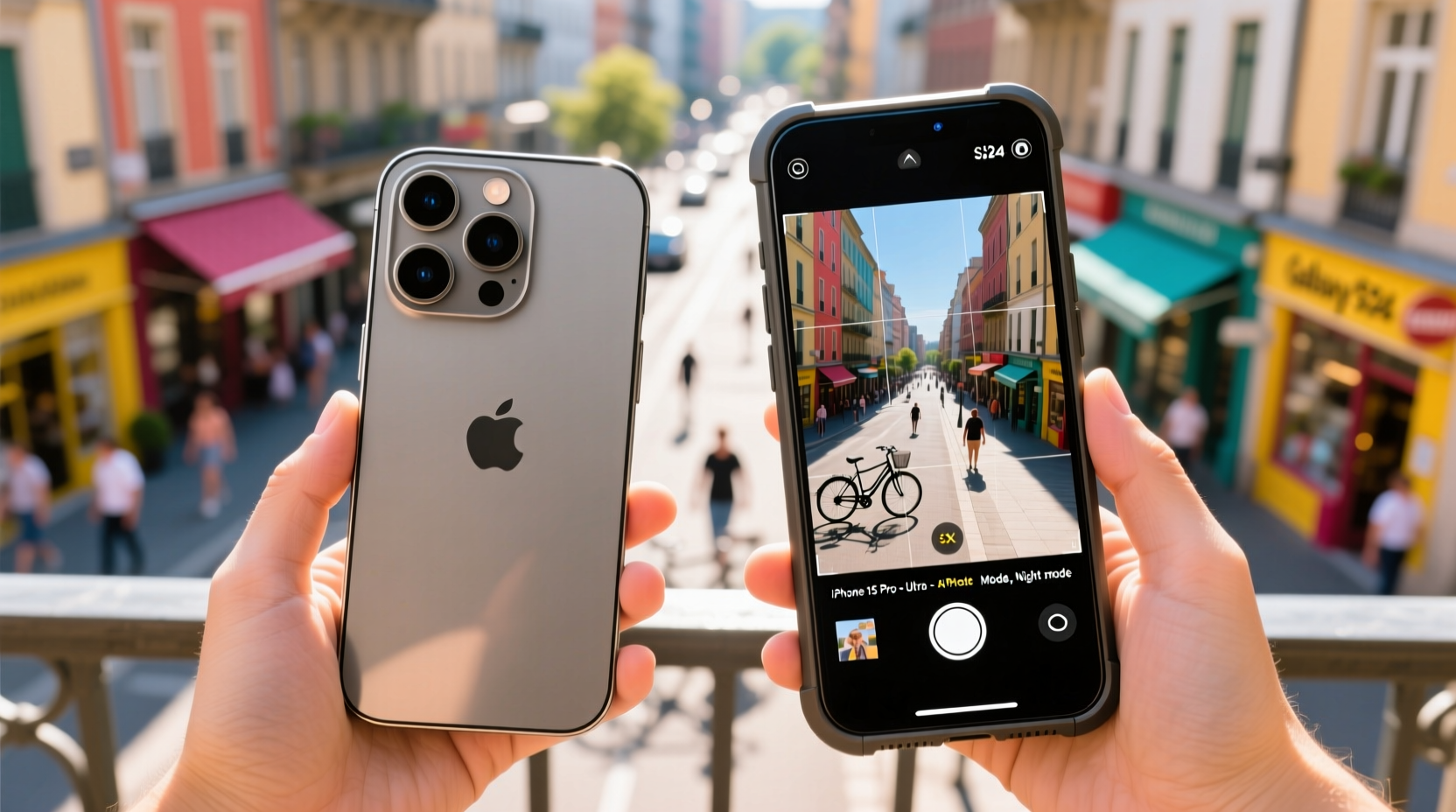
The foundation of any great photo starts with hardware. iPhones and Galaxy phones take different approaches to sensor design, lens configuration, and pixel optimization.
Apple has historically favored larger individual pixels over megapixel count. For example, the iPhone 15 Pro Max uses a 48MP main sensor but defaults to pixel-binning 12MP shots for improved dynamic range and low-light clarity. This approach prioritizes light capture and color accuracy over sheer resolution.
Samsung, on the other hand, often pushes higher megapixel counts—like the 200MP sensor in the Galaxy S24 Ultra. These ultra-high-resolution sensors allow for extreme cropping and detail retention, especially when using digital zoom. However, they rely heavily on computational photography to merge pixels and reduce noise, which can sometimes result in oversharpened or artificial-looking textures.
In practical terms, the iPhone tends to produce more natural skin tones and balanced exposures straight out of the camera. Samsung leans into versatility, offering more lenses (including dedicated telephoto and periscope zoom) and greater flexibility in post-processing due to higher base resolution.
Tip: If you frequently crop or print large photos, a high-resolution sensor like Samsung’s 200MP may offer tangible benefits. For everyday sharing and social media, iPhone’s 12MP output is often more than sufficient.Low-Light and Night Mode Performance
Low-light photography separates good cameras from exceptional ones. Both Apple and Samsung have refined their night modes over multiple generations, but they achieve results differently.
iPhones use Deep Fusion and Photonic Engine technologies to analyze scenes across multiple frames, adjusting texture, noise, and color at the pixel level. The outcome is consistent: clean shadows, preserved highlights, and minimal color shift. In dim environments—such as candlelit dinners or cityscapes at dusk—the iPhone maintains a realistic tone without aggressive brightening.
Samsung’s Night Mode is more aggressive. It captures longer exposures and applies stronger AI denoising, often lifting shadow details dramatically. While this can make dark photos appear brighter and more detailed, it occasionally introduces halos around light sources or unnatural smoothing in faces.
“Samsung gives you more light; Apple gives you more truth.” — Marcus Lin, Mobile Photography Reviewer at TechScope Weekly
If you value authenticity and subtle gradation, the iPhone wins in nuanced lighting. But if your priority is visibility in near-dark conditions, Samsung’s brighter output might be preferable.
Zoom and Telephoto Capabilities
For capturing distant subjects—wildlife, concerts, architecture—optical zoom matters. Here, Samsung holds a clear edge in its latest flagships.
The Galaxy S24 Ultra includes dual telephoto lenses: one with 3x optical zoom and another with up to 5x periscope zoom. Combined with AI-enhanced digital zoom, it supports usable 10x and even 30x “Space Zoom,” though quality degrades beyond 10x.
In contrast, the iPhone 15 Pro Max offers only a single 5x tetraprism telephoto lens—a first for Apple—and lacks secondary optical options. While its 5x zoom rivals Samsung’s in clarity, it doesn’t match the flexibility of having multiple focal lengths.
| Feature | iPhone 15 Pro Max | Samsung Galaxy S24 Ultra |
|---|---|---|
| Main Sensor | 48MP (pixel-binned 12MP) | 200MP (pixel-binned 12MP/50MP) |
| Ultra-Wide Lens | 12MP, f/2.2 | 12MP, f/2.2 |
| Telephoto Options | 12MP, 5x optical zoom | 10MP, 3x & 5x optical zoom |
| Night Mode on All Lenses | Yes | Yes |
| Digital Zoom (usable) | Up to 15x | Up to 30x (AI-enhanced) |
This makes Samsung the preferred choice for photographers who shoot sports, events, or nature where getting close isn't possible.
Color Science and Image Processing
No discussion about camera quality is complete without addressing color science—the way a phone interprets and renders colors, contrast, and skin tones.
Apple’s philosophy centers on realism. Photos taken on iPhones typically reflect what the human eye sees: neutral whites, accurate greens, and lifelike flesh tones. This consistency is invaluable for creators who want minimal editing before publishing.
Samsung applies a more vivid profile by default. Greens are punchier, skies bluer, and contrast higher. While this looks impressive on social media feeds, it can lead to oversaturation in certain scenes, particularly landscapes or red-dominated interiors.
Thankfully, Samsung allows users to switch to a “Natural” color mode in camera settings, narrowing the gap with iPhone. But out-of-the-box, the difference remains noticeable.
Mini Case Study: Concert Photography
Lena, a freelance music photographer, tested both phones at an outdoor summer concert. Lighting was mixed—spotlights, fog machines, crowd LEDs. She shot performers from the back of the venue using only smartphone zoom.
With the Galaxy S24 Ultra, she captured usable 10x zoom shots thanks to the periscope lens and AI stabilization. The vibrant processing made stage lights pop, ideal for Instagram stories. However, some facial details in darker areas were smoothed over.
The iPhone 15 Pro Max delivered cleaner textures and better highlight control under flashing lights. Its 5x zoom limited framing options, but the files required less correction in post. For editorial use, Lena chose the iPhone version.
Her takeaway? Samsung excelled in reach and visual impact; iPhone won in fidelity and dynamic range.
Video Capabilities and Cinematic Features
While stills are important, many users now prioritize video—especially with platforms like TikTok and YouTube Shorts driving demand.
The iPhone continues to lead in mobile videography. It supports ProRes recording, Log encoding, and Dolby Vision HDR natively. These features give filmmakers granular control over color grading and dynamic range. The cinematic mode offers real-time depth mapping and automatic focus transitions that feel DSLR-like.
Samsung matches many specs—8K recording, Super Steady mode, Director’s View—but lacks the same ecosystem integration. Editing ProRes footage on Android is cumbersome compared to Final Cut Pro on Mac. Additionally, Samsung’s HDR implementation varies across apps and displays.
Tip: For vloggers and content creators, the iPhone’s seamless workflow from capture to edit remains unmatched, especially within the Apple ecosystem.Checklist: Choosing Based on Your Needs
- I shoot mostly in daylight → Either performs well; iPhone for accuracy, Galaxy for vibrancy.
- I need strong zoom → Choose Samsung Galaxy S24 Ultra for multi-lens flexibility.
- I value natural skin tones → iPhone delivers more flattering portraits.
- I record video regularly → iPhone offers superior codecs, stabilization, and editing support.
- I edit photos heavily → Samsung’s 200MP mode provides more data for cropping and adjustments.
- I prefer point-and-shoot simplicity → iPhone requires less tweaking for excellent results.
Frequently Asked Questions
Do iPhone photos look better on Android screens?
Not inherently, but JPEG compression and color profile differences (like sRGB vs. DCI-P3) can cause slight shifts in appearance. Most modern devices handle cross-platform images well.
Can Samsung match iPhone portrait mode blur quality?
Close, but not quite. Apple’s LiDAR scanner (on Pro models) enables faster depth mapping and more accurate edge detection, especially around hair and glasses. Samsung relies solely on software analysis, which can struggle with complex edges.
Is computational photography making hardware less important?
No—hardware still sets the ceiling. Better sensors and lenses provide more data for algorithms to work with. Computational photography enhances potential, but can't fully compensate for poor optics.
Final Verdict: Which Phone Takes the Best Pictures?
There is no universal winner. The “best” camera depends on how you define quality.
If you prioritize reliability, natural color reproduction, and industry-leading video tools, the iPhone is the smarter choice. It excels in consistency and creative control, especially for professionals and casual users alike who want excellent results without tweaking settings.
If you crave versatility—especially in zoom range, high-resolution capture, and customizable camera modes—the Samsung Galaxy S24 Ultra offers more tools and flexibility. It's ideal for enthusiasts who enjoy experimenting with different lenses and pushing digital boundaries.
In short: Choose iPhone for authenticity and ecosystem polish. Choose Samsung for power and photographic range.
💬 Which phone do you think takes better photos? Share your experience comparing iPhone and Galaxy cameras—we’d love to hear what matters most to you in real-world shooting!