When Apple releases a new iPhone, one of the most common questions isn’t just about performance or camera quality—it’s about size. For users upgrading from older models like the iPhone XS, the jump to the iPhone 15 can feel significant. But is the difference as dramatic as it seems? The answer depends on how you use your phone, what kind of pocket you have, and whether you prioritize screen space over one-handed control.
The iPhone 15, released in 2023, represents over five years of design evolution from the iPhone XS, which debuted in 2018. While both devices share Apple’s signature build quality, the changes in dimensions, display technology, and ergonomics tell a story of shifting priorities—from compact elegance to immersive experiences.
Design Evolution: From Compact Flagship to Modern Proportions
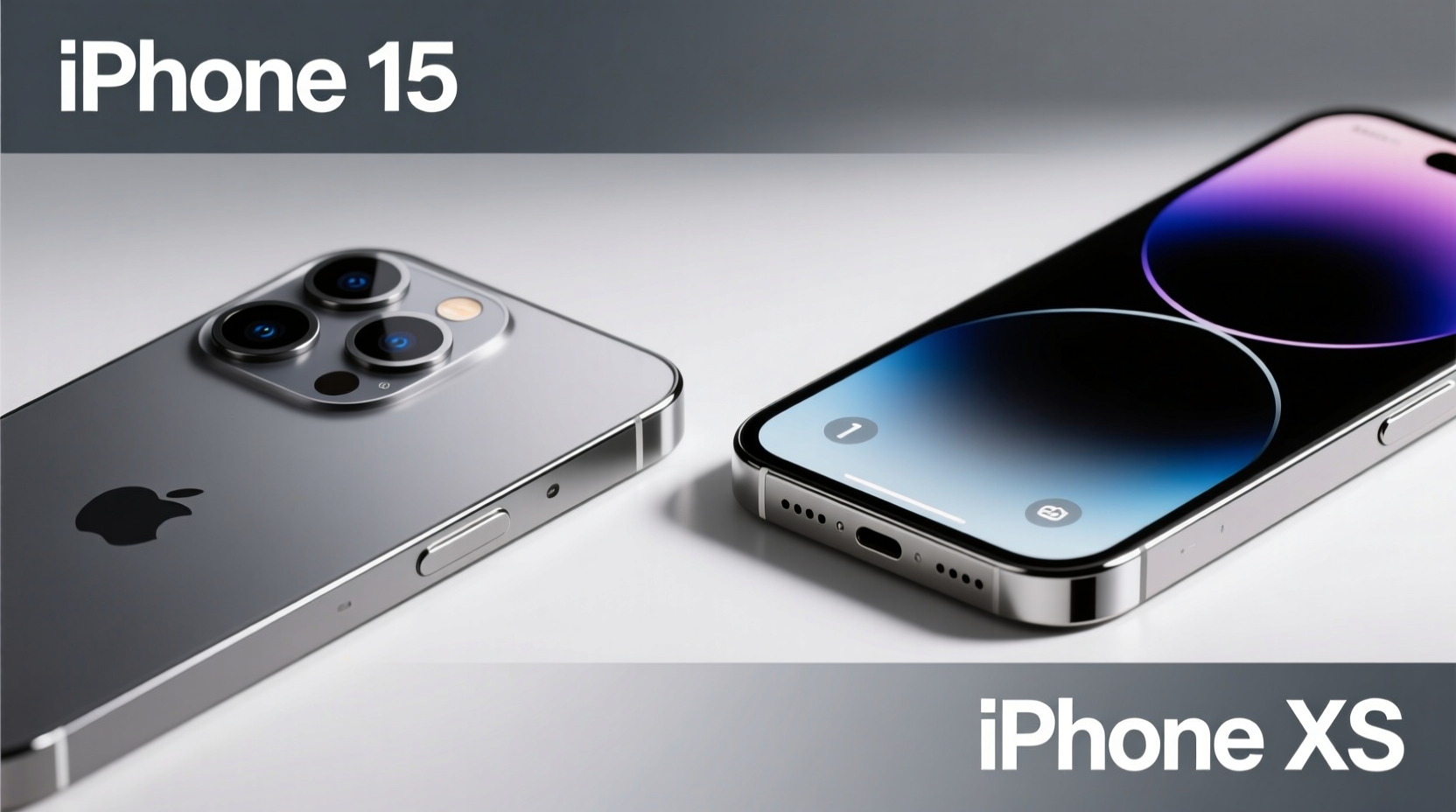
The iPhone XS was designed during an era when smartphone screens were growing, but not yet dominating every inch of the front. It featured slim bezels compared to earlier iPhones, but still retained physical side buttons and a top-mounted earpiece. Measuring 143.6 x 70.9 x 7.7 mm and weighing 177 grams, the XS struck a balance between usability and portability.
In contrast, the iPhone 15 (non-Pro) comes in at 147.6 x 71.6 x 7.8 mm and weighs 171 grams. On paper, the increase seems minimal—just 4 mm taller and 0.7 mm wider—but those small additions translate into a noticeably larger footprint in daily use. The screen has grown from 5.8 inches on the XS to 6.1 inches on the 15, with thinner bezels and a Dynamic Island replacing the notch.
Apple’s shift toward edge-to-edge displays means more screen real estate without a proportional increase in overall body size. Still, for users accustomed to the XS’s tighter frame, the iPhone 15 may feel stretched vertically, making single-handed reach for top-screen elements slightly harder.
Tip: If you frequently use your phone one-handed, consider enabling Reachability on the iPhone 15 by quickly pressing the side button twice to bring the top of the screen within thumb range.Screen Size and Usability: More Than Just Inches
The move from a 5.8-inch OLED display on the iPhone XS to a 6.1-inch Super Retina XDR panel on the iPhone 15 might sound modest, but it results in nearly 15% more screen area. That extra space enhances everything from web browsing to video consumption and multitasking in landscape mode.
However, the change in aspect ratio is subtle. Both phones maintain a similar vertical stretch, meaning app interfaces scale predictably. What’s different is the Dynamic Island—a pill-shaped cutout that replaces the traditional notch. While it doesn’t take up significantly more screen space, its interactive nature encourages engagement, effectively turning dead space into a functional UI element.
For longtime XS users, the transition may require minor adjustments. Notifications now appear from the top center rather than the status bar’s left edge. Apps like FaceTime and third-party video players adapt dynamically around the island, which can be disorienting at first.
Physical Comparison: Dimensions and Real-World Fit
| Metric | iPhone XS | iPhone 15 |
|---|---|---|
| Height | 143.6 mm | 147.6 mm |
| Width | 70.9 mm | 71.6 mm |
| Thickness | 7.7 mm | 7.8 mm |
| Weight | 177 g | 171 g |
| Display Size | 5.8 inches | 6.1 inches |
| Bezel Width | Moderate | Narrow |
Despite being slightly taller and wider, the iPhone 15 is actually lighter than the XS due to refinements in internal component density and materials. The aluminum frame feels less dense than the XS’s stainless steel build, contributing to a perception of improved handling—even if the device occupies more space in your hand.
“Users upgrading from the iPhone XS often report that the iPhone 15 feels ‘stretched’ at first, but they adapt within a week. The added screen utility usually outweighs initial discomfort.” — David Lin, Mobile Device Ergonomics Analyst at TechForma
Mini Case Study: Sarah’s Upgrade Experience
Sarah had used her iPhone XS since 2018. As a freelance writer who types extensively on her phone, she appreciated its compact size and precise keyboard spacing. When her battery began degrading past 70%, she decided to upgrade to the iPhone 15.
Her first reaction? “It feels like I’m holding someone else’s phone.” The increased height made it harder to tap the delete key without shifting her grip. She also noticed the camera bump caught more in her coat pocket.
After two weeks, however, Sarah adjusted. She enabled Reachability and started using voice dictation more often. The brighter, larger display improved her reading experience, especially during late-night editing sessions. By month’s end, she admitted she wouldn’t go back—even though she missed the XS’s snug fit in her jeans.
Practical Tips for Upgrading from iPhone XS to iPhone 15
Tip: Use a case with raised edges around the camera to prevent lens scratches, especially since the iPhone 15’s camera module protrudes more than the XS’s flush-mounted lenses.- Relearn muscle memory: Typing, swiping, and accessing Control Center will feel different. Give yourself time to adjust.
- Optimize one-handed use: Enable Reachability and consider using AssistiveTouch for quick access to home gestures.
- Check pocket compatibility: Slim-fit pants or jacket pockets may no longer accommodate the iPhone 15 comfortably.
- Update accessories: Older docks, car mounts, and MagSafe-compatible items may not align perfectly due to dimensional shifts.
- Reassess screen brightness needs: The iPhone 15’s higher peak brightness (up to 2000 nits HDR) means you’ll likely reduce settings in normal lighting, saving battery.
Frequently Asked Questions
Is the iPhone 15 too big for small hands?
Not necessarily. While it’s larger than the iPhone XS, many users with smaller hands adapt quickly using gesture navigation and Reachability. However, if you rely heavily on one-handed typing, expect a short adjustment period.
Can I use my iPhone XS case with the iPhone 15?
No. The dimensions, camera layout, and button placement differ enough that cases are not interchangeable. Additionally, the iPhone 15 supports USB-C charging, so port alignment won’t match.
Does the size difference affect battery life significantly?
Yes, but positively. Despite similar physical thickness, the iPhone 15 packs a larger battery (3,349 mAh vs. 2,658 mAh) and more efficient components, resulting in up to 20 hours of video playback compared to the XS’s 14 hours.
Conclusion: Bigger, Better, and Worth the Adjustment?
The iPhone 15 is indeed larger than the iPhone XS—but only slightly in raw measurements. What makes the difference feel more pronounced is how that extra space is used: a bigger screen, modernized front design, and repositioned interface elements all contribute to a perceptibly different experience.
If you value screen immersion, better outdoor visibility, and future-proof features like USB-C and Dynamic Island, the size increase is a fair trade-off. But if you cherish pocketability and effortless one-handed control, the jump might feel jarring at first.
Ultimately, the newer model isn’t “too” big—it’s differently optimized. With a few tweaks to settings and habits, most users find the benefits far outweigh the initial discomfort. Technology evolves, and so do our expectations of what a smartphone should offer.
🚀 Ready to upgrade? Reflect on how you use your phone daily—then decide whether more screen and modern features are worth a slightly larger footprint. Share your thoughts or upgrade story in the comments below!