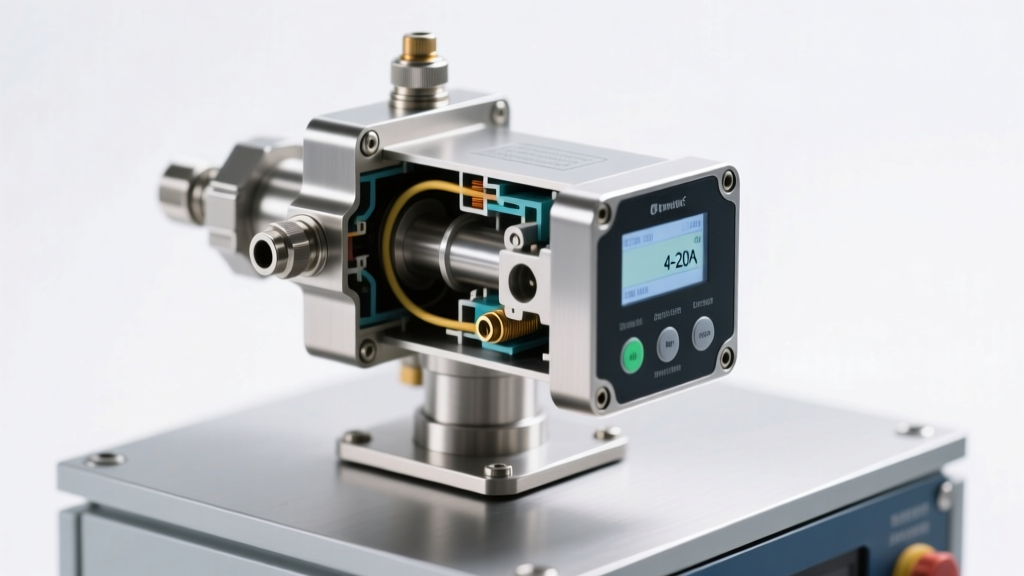
Types of Computer Data Scales
Data scales are essential tools used to quantify physical attributes such as weight, mass, pressure, temperature, and force. These instruments convert real-world measurements into digital data, enabling precise monitoring, analysis, and automation in various industries. From healthcare and retail to scientific research and industrial manufacturing, computerized data scales play a critical role in ensuring accuracy, compliance, and efficiency.
Modern data scales integrate with computer systems and IoT platforms, allowing for seamless data logging, remote monitoring, and integration with inventory or quality control software. Below is a detailed overview of the most common types of computer data scales available on platforms like Alibaba.com and their specialized applications.
Digital Weight Scale
Utilizes electronic load cells or strain gauges to measure weight and displays results on an LCD or LED screen. Offers higher precision than analog counterparts and supports features like tare, unit conversion, and connectivity (USB/Bluetooth).
Advantages
- High accuracy and readability
- Quick measurement response
- User-friendly digital interface
- Ideal for frequent use in commercial settings
Limitations
- Requires power source (battery or electricity)
- Sensitive to environmental conditions (moisture, temperature)
- May require periodic calibration
Best for: Medical clinics, grocery stores, shipping centers, and home use
Electronic Balance Scale
Designed to measure mass with exceptional precision using electromagnetic force restoration or precision load cells. Often features a draft shield to prevent air currents from affecting readings.
Advantages
- Extremely accurate for small masses
- Used for analytical and semi-micro measurements
- Supports dynamic weighing and piece counting
- Integrates with lab data management systems
Limitations
- Expensive compared to standard scales
- Requires stable, vibration-free environment
- Needs regular maintenance and calibration
Best for: Laboratories, pharmaceutical production, chemical research, and quality assurance
Scale Calibration Machine
A specialized device used to verify and adjust the accuracy of weighing instruments by comparing them against certified reference weights or internal standards. Ensures compliance with international metrology regulations (e.g., ISO, NIST).
Advantages
- Maintains measurement traceability
- Prevents costly errors in production
- Supports regulatory compliance (FDA, GMP)
- Extends lifespan of weighing equipment
Limitations
- Requires trained personnel for operation
- High-end models can be costly
- Time-consuming for large fleets of scales
Best for: Manufacturing plants, food processing, pharmaceuticals, and metrology labs
Weight Scale Sensor
Also known as load cells, these transducers convert mechanical force (weight) into an electrical signal (voltage or current). Common types include strain gauge, hydraulic, and piezoelectric sensors.
Advantages
- High sensitivity and fast response
- Enables remote and automated monitoring
- Durable in harsh industrial environments
- Essential for building custom weighing systems
Limitations
- Vulnerable to overload damage
- Signal can be affected by electrical noise
- Requires signal amplification and conditioning
Best for: Industrial automation, construction equipment, conveyor systems, and agricultural machinery
Precision Weight Scale
Engineered for ultra-fine measurements, often with readability down to 0.1 mg or less. Uses advanced sensor technology and environmental compensation to detect minute weight variations.
Advantages
- Exceptional resolution and repeatability
- Used in high-stakes applications (e.g., gold, diamonds)
- Supports statistical data output and print functions
- Minimizes material waste in formulation
Limitations
- Highly sensitive to external disturbances
- Must be placed on anti-vibration tables
- Premium cost and maintenance requirements
Best for: Jewelry appraisal, forensic labs, precious metal trading, and advanced scientific research
| Scale Type | Accuracy Level | Typical Use Case | Industries Served | Connectivity Features |
|---|---|---|---|---|
| Digital Weight Scale | High | General weighing and retail pricing | Healthcare, Retail, Logistics | USB, Bluetooth, RS-232 |
| Electronic Balance Scale | Very High | Scientific measurement and formulation | Pharmaceuticals, Chemistry, Academia | USB, Ethernet, Data Printer |
| Scale Calibration Machine | Reference Standard | Verification and adjustment of scales | Manufacturing, Metrology, QA | Internal diagnostics, PC interface |
| Weight Scale Sensor | Depends on system | Force detection and integration | Industrial, Agriculture, Construction | Analog/Digital output signals |
| Precision Weight Scale | Ultra-High | Micro-weighing and critical analysis | Jewelry, Forensics, Research | USB, Serial, Wi-Fi (advanced models) |
Expert Tip: For optimal performance, always calibrate precision and digital scales regularly using certified weights, especially in environments with fluctuating temperature or humidity. Consider models with automatic calibration features for mission-critical applications.
Market Trends of Computer Data Scales: Insights for Smart Business Investment
Alibaba.com has emerged as a leading global B2B marketplace, making it the preferred platform for businesses seeking to purchase computer data scales in bulk. Its vast supplier network, competitive pricing, and comprehensive product data empower resellers, retailers, and distributors to make informed, profitable investments. As consumer demands evolve and technology advances, the digital scale market is undergoing rapid transformation. Understanding these key trends is essential for staying ahead in this dynamic industry.
Sustainability Focus: Eco-Conscious Innovation in Scale Manufacturing
Eco-Friendly Materials
Manufacturers are increasingly adopting sustainable materials such as bamboo, recycled plastics, and biodegradable composites in the construction of digital scales. Bamboo, in particular, is gaining popularity due to its renewable nature, durability, and aesthetic appeal—ideal for premium health and wellness products.
Energy Efficiency & Green Production
Beyond materials, companies are optimizing production processes to reduce carbon footprints. This includes using energy-efficient machinery, minimizing waste, and leveraging solar-powered facilities. Many are also designing low-power consumption scales with long-life batteries or solar charging capabilities, aligning with global environmental standards and consumer expectations.
The shift toward sustainability is not just ethical—it’s a competitive advantage. Eco-certified products attract environmentally conscious buyers and often qualify for green procurement programs, opening doors to new markets and partnerships.
Increased Adoption of E-commerce: Transforming Bulk Procurement
Convenience and Global Access
Online platforms like Alibaba.com have revolutionized how businesses source computer data scales. Shippers and wholesalers benefit from 24/7 access to thousands of suppliers across Asia, Europe, and beyond, enabling them to compare prices, specifications, and certifications without geographical limitations.
Data-Driven Buying Decisions
Detailed product listings, high-resolution images, technical specifications, and verified customer reviews allow buyers to evaluate quality and reliability before purchasing. Features like Trade Assurance provide financial protection, increasing trust in cross-border transactions and reducing procurement risks.
The rise of e-commerce has also streamlined logistics, with many suppliers offering dropshipping, bulk packaging, and OEM/ODM services—making it easier than ever for businesses to scale operations efficiently.
Health and Wellness Influence: Driving Demand for Smart Monitoring Tools
The global focus on health and fitness has significantly boosted demand for advanced digital scales. With rising awareness of obesity, diabetes, and cardiovascular diseases, healthcare professionals are encouraging regular weight monitoring as part of preventive care. This trend is fueling the popularity of smart scales that go beyond basic weight measurement.
Technological Advancements: The Rise of Smart, Connected Scales
Connectivity & App Integration
Bluetooth and Wi-Fi enabled scales seamlessly sync data with popular health apps like Apple Health, Google Fit, and MyFitnessPal. This allows users to track trends over time, set goals, and share progress with trainers or physicians—making weight management more interactive and effective.
AI-Powered Analytics
Advanced sensors and embedded AI algorithms analyze user data to predict weight trends, detect anomalies, and offer personalized recommendations. For example, some scales can identify water retention patterns or suggest dietary adjustments based on fluctuations.
Additionally, innovations such as voice feedback, multi-user recognition, and ultra-slim designs are enhancing user experience and broadening market appeal—from home users to gyms and medical clinics.
| Trend | Impact on Market | Business Opportunity |
|---|---|---|
| Sustainability | Higher consumer preference for eco-friendly brands | Source green-certified suppliers; highlight environmental benefits in marketing |
| E-commerce Growth | Faster, more transparent global sourcing | Leverage Alibaba.com for competitive pricing and supplier verification |
| Health & Wellness | Increased demand for smart health devices | Stock multifunctional scales with app connectivity and clinical features |
| Technology Integration | Higher willingness to pay for smart features | Offer premium models with AI analytics, voice support, and sleek design |
Important: To maximize profitability, buyers should stay updated on evolving consumer preferences and technological innovations. Partnering with reliable, certified suppliers ensures product quality and compliance with international safety standards (e.g., CE, FCC, RoHS). Investing in smart, sustainable, and app-integrated data scales positions businesses at the forefront of a rapidly growing health tech market.
How to Choose Computer Data Scales
Selecting the right computer data scale for your business is a strategic decision that impacts operational efficiency, data accuracy, and long-term cost-effectiveness. The ideal scale must align with your specific industry needs, environmental conditions, and usage patterns. Factors such as customer expectations, competitive offerings, and organizational goals all play a role in determining the best solution. Above all, accuracy remains the cornerstone of any reliable weighing system. Below are the key considerations to help you make an informed and future-ready choice.
Weight Capacity & Load Limits
Computer data scales are engineered to handle specific weight ranges, from a few hundred pounds for light-duty applications to several thousand pounds for industrial use. Exceeding a scale’s maximum capacity can lead to inaccurate readings, mechanical stress, or permanent damage.
- Light-duty scales (up to 500 lbs) are ideal for retail, packaging, and small-scale logistics
- Medium-duty scales (500–2,000 lbs) suit warehouse operations, food processing, and manufacturing lines
- Heavy-duty industrial scales (2,000+ lbs) are built for freight, construction, and agricultural use
- Always include a 20–30% safety margin above your typical maximum load to ensure longevity
Best practice: Choose a scale with a capacity that accommodates peak loads without operating at its upper limit regularly.
Sensor Technology & Measurement Precision
The accuracy and responsiveness of a computer data scale depend heavily on the type of sensor used. Each technology offers distinct advantages depending on the application and required precision.
- Strain Gauges: Most common in digital scales; offer excellent accuracy and durability for general-purpose use
- Load Cells: Provide high precision and are ideal for industrial and laboratory environments; resistant to environmental interference
- Piezoelectric Sensors: Extremely sensitive and fast-responding; perfect for dynamic or micro-weighing applications (e.g., pharmaceuticals, research)
- Electromagnetic Force Restoration (EMFR): Used in ultra-precise analytical balances; delivers near-perfect accuracy for scientific use
Key insight: For high-speed or variable-load environments, digital load cells with signal filtering offer superior stability and consistency.
Scale Construction & Material Durability
The build material of a scale determines its resilience to wear, corrosion, and environmental hazards. Choosing the right material ensures reliability and reduces maintenance costs over time.
- Stainless Steel: Offers excellent resistance to moisture, chemicals, and physical impact; ideal for food processing, medical, and outdoor applications
- Aluminum: Lightweight and moderately strong; suitable for portable or mobile setups where weight is a concern
- Reinforced Plastic/Composite: Cost-effective and corrosion-resistant but less durable under heavy or frequent use; best for light commercial or educational settings
- Look for IP (Ingress Protection) ratings when operating in wet or dusty environments (e.g., IP67 for water and dust resistance)
Pro tip: In hygienic or washdown environments, opt for seamless stainless steel platforms with no crevices to prevent contamination.
Portability & Space Efficiency
Portability is a crucial factor for businesses that operate across multiple locations or have limited workspace. A well-designed portable scale enhances flexibility without sacrificing performance.
- Scales with built-in handles, foldable designs, or integrated wheels simplify transport between sites
- Compact models are ideal for delivery services, mobile clinics, trade shows, and field inspections
- Battery-powered or USB-rechargeable units offer cordless operation for remote use
- Some portable scales feature wireless connectivity (Bluetooth/Wi-Fi) to sync data directly with mobile devices or cloud systems
Smart choice: For fieldwork or temporary setups, choose a rugged, battery-operated scale with digital output and shock protection.
Professional Recommendation: When selecting a computer data scale, prioritize application-specific performance over generic features. A mid-range scale with the right sensor type, durable construction, and proper capacity will outperform a high-end model mismatched to your needs. Always verify calibration certification and compatibility with your existing software systems (e.g., inventory management, POS, or ERP platforms) to ensure seamless integration.
| Use Case | Recommended Scale Type | Sensor Technology | Material | Key Features |
|---|---|---|---|---|
| Retail & Packaging | Counting & Labeling Scale | Strain Gauge | Stainless Steel | USB output, tare function, LCD display |
| Warehouse & Logistics | Floor Scale with Digital Indicator | Load Cell | Steel with Powder Coating | High capacity, IP65 rating, wireless data transfer |
| Pharmaceuticals & Labs | Analytical Balance | EMFR or Piezoelectric | Aluminum/Composite | 0.001g precision, draft shield, RS-232 interface |
| Field & Mobile Services | Portable Platform Scale | Strain Gauge | Aluminum | Battery-powered, compact, Bluetooth connectivity |
Additional Considerations
- Connectivity Options: Scales with USB, Ethernet, or wireless (Wi-Fi/Bluetooth) enable real-time data logging and integration with business software
- Calibration & Maintenance: Regular calibration ensures long-term accuracy; look for models with internal calibration or NIST-traceable certificates
- User Interface: Intuitive displays, backlit screens, and multilingual support improve usability across diverse teams
- Environmental Tolerance: Consider operating temperature range, humidity resistance, and vibration immunity for harsh conditions
- Data Security: For sensitive applications, choose scales with password protection and audit trail capabilities
Industrial Applications of Computer Data Scales
Computer data scales—advanced weighing systems integrated with digital data processing—are revolutionizing operations across multiple industries. These intelligent scales combine precision measurement with real-time data capture, storage, and analysis, enabling businesses to enhance accuracy, improve efficiency, and maintain compliance. One of the most accessible sources for these systems is Alibaba.com, which connects global buyers with thousands of verified suppliers offering a wide range of computerized weighing solutions tailored to industrial needs.
Key Insight: Modern computer data scales go beyond simple weight measurement. They integrate with ERP, inventory management, and logistics software to automate workflows, reduce human error, and provide actionable business intelligence through data analytics.
Logistics and Transportation
In the logistics and transportation sector, digital weight scales are critical for ensuring safety, regulatory compliance, and operational efficiency. Accurately weighing cargo before loading onto trucks, ships, or airplanes helps prevent overloading, ensures proper weight distribution, and minimizes the risk of accidents or mechanical strain.
Computer data scales streamline warehouse operations by automatically recording the weight of each package during unloading and sorting. This data can be instantly synced with shipping software to generate labels, update tracking systems, and calculate freight charges, significantly reducing manual labor and processing time.
- Ensures compliance with DOT, FAA, and IMO weight regulations
- Prevents overloading penalties and insurance complications
- Improves load balancing for fuel efficiency and vehicle longevity
- Integrates with barcode scanners and RFID systems for end-to-end traceability
Agriculture
The agricultural industry relies heavily on electronic balances and computerized scales for precision farming and post-harvest management. Farmers use these systems to measure seeds, fertilizers, pesticides, and animal feed with high accuracy, ensuring optimal resource utilization and minimizing waste.
Livestock weighing is another crucial application—farmers monitor animal growth and health by tracking weight trends over time. Computer data scales store this information in cloud-based platforms, enabling trend analysis and informed decision-making.
At marketplaces and distribution centers, digital scales help farmers and cooperatives track the weight of harvested produce before and after sale. This data supports accurate financial reporting, inventory control, and fair pricing, especially in bulk commodity trading.
- Enables precision agriculture through data-driven input management
- Supports livestock health monitoring and breeding programs
- Facilitates transparent transactions in agricultural supply chains
- Connects with farm management software (e.g., Agrivi, FarmLogs) for seamless data flow
Retail and E-Commerce
Retailers and e-commerce businesses depend on computer data scales for both in-store and fulfillment operations. In grocery stores and markets, scales are used to price perishable goods such as meats, cheeses, fruits, and vegetables based on weight, ensuring accurate customer billing and minimizing losses.
In e-commerce fulfillment centers, every package is weighed before shipping. Computerized scales automatically calculate shipping costs based on carrier rate charts (e.g., FedEx, UPS, DHL), generate postage labels, and upload weight data to order management systems. This automation reduces errors, speeds up processing, and improves customer satisfaction.
Integration with POS (Point of Sale) and inventory systems allows real-time stock updates, helping retailers maintain optimal inventory levels and prevent stockouts.
- Automates shipping cost calculation and label generation
- Reduces manual data entry errors in order fulfillment
- Enhances inventory accuracy through automatic stock deductions
- Supports compliance with trade measurement standards (e.g., NTEP, OIML)
Manufacturing
In manufacturing environments, precise weight measurement is essential for maintaining product quality, consistency, and regulatory compliance. Computer data scales are used to weigh raw materials before they enter the production process, ensuring correct proportions in formulations for food, pharmaceuticals, chemicals, and plastics.
During production, inline weighing systems monitor output in real time, detecting underfilled or overfilled products on the assembly line. This immediate feedback allows for quick adjustments, reducing waste and ensuring compliance with labeling regulations.
In quality control, automated scales verify final product weights and generate audit trails for traceability. Data is often stored in centralized databases for compliance reporting, process optimization, and continuous improvement initiatives like Six Sigma or Lean Manufacturing.
- Ensures recipe accuracy and batch consistency
- Supports compliance with FDA, ISO, and GMP standards
- Reduces material waste and rework through real-time monitoring
- Enables predictive maintenance by tracking scale performance over time
| Industry | Primary Use Cases | Key Benefits | Integration Capabilities |
|---|---|---|---|
| Logistics & Transportation | Cargo weighing, package sorting, freight billing | Safety compliance, reduced processing time, accurate billing | TMS, WMS, carrier APIs, barcode systems |
| Agriculture | Seed/fertilizer measurement, livestock tracking, produce sales | Resource optimization, yield improvement, financial transparency | Farm management software, cloud dashboards, mobile apps |
| Retail & E-Commerce | Price-by-weight sales, shipping cost calculation, inventory updates | Customer accuracy, faster fulfillment, reduced shrinkage | POS systems, e-commerce platforms, ERP |
| Manufacturing | Raw material batching, in-line QC, final product verification | Product consistency, regulatory compliance, waste reduction | SCADA, MES, ERP, quality management systems |
Expert Tip: When sourcing computer data scales from platforms like Alibaba.com, prioritize suppliers that offer calibration certificates, NTEP/OIML certification, and API access for system integration. Look for models with USB, Ethernet, or wireless connectivity to ensure seamless data transfer to your existing business software.
Additional Considerations for Industrial Implementation
- Regular calibration is essential to maintain measurement accuracy and meet legal metrology requirements
- Choose rugged, IP-rated scales for harsh environments (e.g., washdown areas, dusty warehouses)
- Train staff on proper scale usage and data handling procedures to maximize ROI
- Implement cybersecurity measures when connecting scales to enterprise networks
- Consider cloud-based scale management platforms for multi-location operations
As industries continue to embrace digital transformation, computer data scales are evolving from standalone tools into integral components of smart manufacturing and logistics ecosystems. By capturing and leveraging weight data intelligently, businesses gain deeper operational insights, improve compliance, and deliver higher value to customers. Whether you're managing a small farm or a global supply chain, investing in a reliable, connected weighing system is a strategic move toward greater efficiency and competitiveness.
Frequently Asked Questions About Digital Data Scales
Q1: What is the resolution of data scales?Resolution refers to a digital scale’s ability to detect and display the smallest possible weight increment. It determines how finely the scale can measure mass and is typically expressed in units such as grams (g), milligrams (mg), or even micrograms (µg). A higher resolution means the scale can show smaller changes in weight, allowing for more precise measurements.
- Example – High Resolution: A scale with a resolution of 0.01g can detect changes as small as one-hundredth of a gram. This is ideal for applications like laboratory research, jewelry weighing, or pharmaceutical compounding.
- Example – Low Resolution: A scale with 1g resolution only updates in whole-gram increments, making it suitable for general-purpose use such as kitchen or postal weighing.
- Practical Impact: In scientific or industrial settings where minute differences matter, high-resolution scales are essential. Using a low-resolution device in such cases could lead to significant measurement errors.
When selecting a scale, always match the resolution to your specific application needs—higher isn’t always better if it introduces instability due to environmental sensitivity.
Q2: What is the proper maintenance of a computerized data scale?To ensure long-term accuracy and reliability, digital data scales require regular and thoughtful maintenance. Since these devices rely on sensitive electronic components and precision sensors, even minor neglect can affect performance.
- Cleaning: Dust, debris, and chemical residues can interfere with sensor function. Clean the weighing pan and housing regularly with a soft, lint-free cloth slightly dampened with mild soap and water. Avoid harsh solvents or excessive moisture.
- Calibration: Perform routine calibration using certified test weights. Frequency depends on usage—daily for lab environments, monthly for light industrial use. Many modern scales feature internal auto-calibration systems.
- Environmental Protection: Keep the scale away from direct sunlight, heat sources, drafts, and vibrations. Sudden temperature shifts or air currents can destabilize readings.
- Proper Handling: Never overload the scale beyond its maximum capacity, as this can permanently damage the load cell. Always place items gently on the platform.
- Manual Reference: Consult the manufacturer’s user manual for model-specific care instructions, recommended calibration schedules, and troubleshooting tips.
Consistent maintenance not only extends the lifespan of your scale but also ensures compliance with quality standards in regulated industries like healthcare, food production, and manufacturing.
Q3: What is the difference between accuracy and precision in weight scales?While often used interchangeably, accuracy and precision are distinct concepts critical to understanding measurement quality:
| Term | Definition | Example |
|---|---|---|
| Accuracy | How close a measured value is to the true or accepted value. | A scale reading 9.98g for a known 10.00g weight is highly accurate. |
| Precision | The consistency of repeated measurements under unchanged conditions. | A scale consistently reading 9.75g for a 10.00g weight is precise but not accurate. |
| Both Accurate & Precise | Measurements are both correct and repeatable. | Multiple readings of 10.00g, 10.01g, and 9.99g for a 10.00g weight. |
| Neither Accurate nor Precise | Results vary widely and are far from the true value. | Readings of 9.50g, 10.30g, and 9.75g for a 10.00g weight. |
In practical terms, a scale can be precise (giving the same result every time) yet inaccurate (due to miscalibration). Conversely, it may give scattered results (low precision) that average out to the correct value (moderate accuracy). For reliable measurements, both attributes are necessary—achieved through proper calibration, stable conditions, and appropriate scale selection.
Q4: What factors should be considered when purchasing data scales online?Buying a digital data scale online requires careful evaluation of several key specifications to ensure it meets your operational needs. Consider the following factors before making a purchase:
- Resolution: Determines the smallest increment the scale can display. Choose based on required detail—e.g., 0.001g for lab work, 1g for shipping.
- Accuracy: Dependent on sensor quality and calibration stability. Look for scales with documented accuracy specifications and calibration certificates if needed.
- Capacity: The maximum weight the scale can handle. Ensure it exceeds your heaviest expected load with some buffer to prevent damage.
- Sensor Type: Common types include strain gauge (cost-effective, durable) and electromagnetic force restoration (high precision, used in analytical balances).
- Portability: For fieldwork or mobile labs, consider battery-powered models with compact designs and carrying cases.
- Connectivity: Some scales offer USB, Bluetooth, or RS-232 outputs for data logging and integration with computers or printers—useful for record-keeping and analysis.
- Durability & Environment: Check IP ratings for dust/water resistance if used in harsh conditions. Stainless steel platforms are ideal for wet or corrosive environments.
- Brand & Support: Reputable manufacturers often provide better customer service, calibration support, and firmware updates.
Always read verified customer reviews and check return policies when shopping online to avoid compatibility issues or defective units.
Q5: What causes variations in weight measurements on computerized data scales?Even high-quality digital scales can produce inconsistent readings due to various internal and external influences. Understanding these factors helps in diagnosing issues and improving measurement reliability:
- Temperature Fluctuations: Changes in ambient temperature cause metal components and sensors to expand or contract, altering calibration. Scales should be acclimated to room temperature before use.
- Air Currents & Drafts: Especially problematic for analytical balances, even slight breezes from HVAC systems or movement can affect readings. Use draft shields when available.
- Humidity & Dust: Moisture can corrode internal circuits, while dust buildup on the load cell or platform interferes with accurate sensing.
- Static Electricity: Common in dry environments, static charges can attract or repel lightweight samples, leading to drifting or unstable readings. Anti-static kits or ionizers help mitigate this.
- Improper Leveling: Most precision scales must be perfectly level. Use the built-in bubble level and adjustable feet to ensure balance.
- Vibrations: Nearby machinery, foot traffic, or unstable surfaces can disrupt sensitive measurements. Use anti-vibration tables if necessary.
- Magnetic Fields & Electrical Interference: Strong electromagnetic fields from motors, transformers, or wireless devices may interfere with digital circuitry.
- Surface Instability: Placing a scale on an uneven, soft, or flexible surface (like a carpeted desk) compromises accuracy.
For consistent results, operate the scale in a controlled environment, allow warm-up time (typically 15–30 minutes), and perform regular calibration checks. Addressing these variables significantly improves measurement integrity.