Types of Hippo Picture Frames
A hippo picture frame is more than just a photo display—it's a creative expression of personality, style, and affection for one of nature’s most beloved animals. Inspired by the charm and symbolism of hippos, these frames come in various styles tailored to different tastes, spaces, and functional needs. Whether you're decorating a child's room, enhancing your living space, or gifting a unique keepsake, there's a hippo-themed frame to suit every occasion.
Traditional Hippo Frames
Crafted from natural wood and often hand-carved or hand-painted with lifelike yet artistic depictions of hippos, traditional frames celebrate craftsmanship and timeless appeal. The hippo motif is typically placed at the top or corners of the frame, adding a whimsical yet elegant touch.
Advantages
- Warm, classic aesthetic with artisanal charm
- Complements vintage, rustic, or nature-themed décor
- Durable materials ensure longevity
- Makes a thoughtful heirloom or gift
Limitations
- Heavier than plastic or digital alternatives
- Limited functionality (single photo display)
- May require careful handling to avoid chipping paint
Best for: Classic home décor, gift-giving, nursery or study room accents
Digital Hippo Frames
A modern twist on the traditional design, digital hippo frames combine technology with whimsy. These frames feature an LCD screen that cycles through a slideshow of photos stored on internal memory or via USB/SD card. Some models even include a 3D hippo figurine on top that appears to "present" the images, creating a playful and interactive experience.
Advantages
- Displays hundreds of photos in rotation
- Some models support Wi-Fi for remote updates
- Energy-efficient with auto-sleep modes
- Great for sharing memories with family and guests
Limitations
- Requires power source or frequent charging
- Higher cost compared to static frames
- Plastic construction may feel less premium
Best for: Tech-savvy users, dynamic displays, family photo hubs, holiday memories
Wall-Mounted Hippo Frames
Designed specifically for vertical display, these frames blend decorative art with photo presentation. Often larger in size, they feature a prominent hippo motif integrated into the frame’s design—such as a carved hippo border or a sculptural element—making them a focal point on any wall.
Advantages
- Serves as both functional frame and wall art
- Available in sets for gallery-style arrangements
- Maximizes wall space without cluttering surfaces
- Ideal for themed rooms (safari, jungle, nursery)
Limitations
- Installation required (nails, hooks, etc.)
- Less portable than tabletop versions
- Limited to wall-compatible environments
Best for: Living rooms, children's bedrooms, nurseries, office décor
Hippo Collage Frames
Perfect for storytelling through photos, these frames feature multiple openings arranged around a central hippo design. Whether it's a family vacation, wedding day, or a child’s growth journey, collage frames let you showcase several moments in one cohesive, fun layout.
Advantages
- Displays multiple photos in a single frame
- Vibrant, playful designs appeal to all ages
- Great for milestone events and scrapbooking
- Encourages creative photo arrangement
Limitations
- Individual photo slots may be small
- Complex layouts can appear cluttered if overused
- Frames may be bulkier and harder to frame
Best for: Family albums, travel memories, birthday gifts, children’s rooms
| Type | Material | Functionality | Aesthetic | Best Use Case |
|---|---|---|---|---|
| Traditional | Wood, hand-painted details | Single photo display | Classic, artistic | Gifts, vintage décor, study rooms |
| Digital | Plastic, electronic components | Slideshow, memory card/Wi-Fi support | Modern, interactive | Family hubs, tech lovers, holiday displays |
| Wall-Mounted | Wood or composite with sculptural elements | Single or multi-photo display | Decorative, bold | Nurseries, living rooms, themed spaces |
| Hippo Collage | Wood, plastic, or mixed media | Multiple photo display | Playful, colorful | Events, memories, children’s rooms |
Expert Tip: When choosing a hippo picture frame, consider the room's theme and the emotional impact you want to create. For nurseries, opt for soft, colorful collage or wall-mounted designs. For offices or living rooms, traditional wooden or sleek digital frames offer a more refined look.
Design of the Hippo Picture Frame: A Celebration of Nature and Whimsy
The hippo picture frame is more than just a functional item—it's a statement piece that blends artistry, nature inspiration, and playful design. Unlike conventional frames, the hippo picture frame stands out through its thematic elements, creative materials, and unique aesthetic choices. Rooted in the charm and character of the hippopotamus, this frame brings warmth, personality, and a touch of humor to any space it occupies.
Themed Hippopotamus Elements
At the heart of every hippo picture frame is its namesake—the hippopotamus. Designers incorporate this beloved animal in various artistic forms, ranging from lifelike representations to whimsical, cartoon-style figures. These elements are thoughtfully integrated into the frame’s structure to enhance visual appeal without overwhelming the displayed photo.
Realistic Depictions
Some frames feature anatomically accurate carvings or molded hippo figures, capturing the animal’s robust build, wide mouth, and small ears. These are often favored in rustic or nature-themed interiors, where authenticity and craftsmanship are valued.
Artistic & Cartoon Interpretations
Other designs embrace a more playful tone, using exaggerated features, bright colors, and stylized poses. These cartoonish hippos are popular in children’s rooms, nurseries, or fun-loving home décors, adding a sense of joy and imagination.
Hippo motifs may appear as 3D figurines perched atop the frame, engraved into the surface, or subtly embossed along the borders. Their placement—on the corners, centered at the top, or wrapping around the edges—adds dimension and narrative to the overall design.
Material Selection and Craftsmanship
The choice of material significantly influences the frame’s durability, texture, and aesthetic. Each material offers distinct advantages and caters to different tastes and environments.
Wood
Wooden hippo frames exude a warm, natural charm. They are often hand-carved, stained, or painted to highlight the hippo details. Ideal for traditional or country-style interiors, wood frames are durable, eco-friendly, and easy to customize.
Plastic
Plastic frames are lightweight, affordable, and highly versatile. They allow for vibrant colors and complex shapes, making them perfect for mass-produced or novelty designs. Commonly used in kids’ décor, plastic frames are safe and easy to clean.
Metal
Metal frames—often made from aluminum or iron—offer strength and a sleek, modern appearance. They can be molded into dynamic hippo poses or etched with intricate patterns. These frames are ideal for contemporary spaces and outdoor displays due to their weather-resistant properties.
Ceramic & Glass
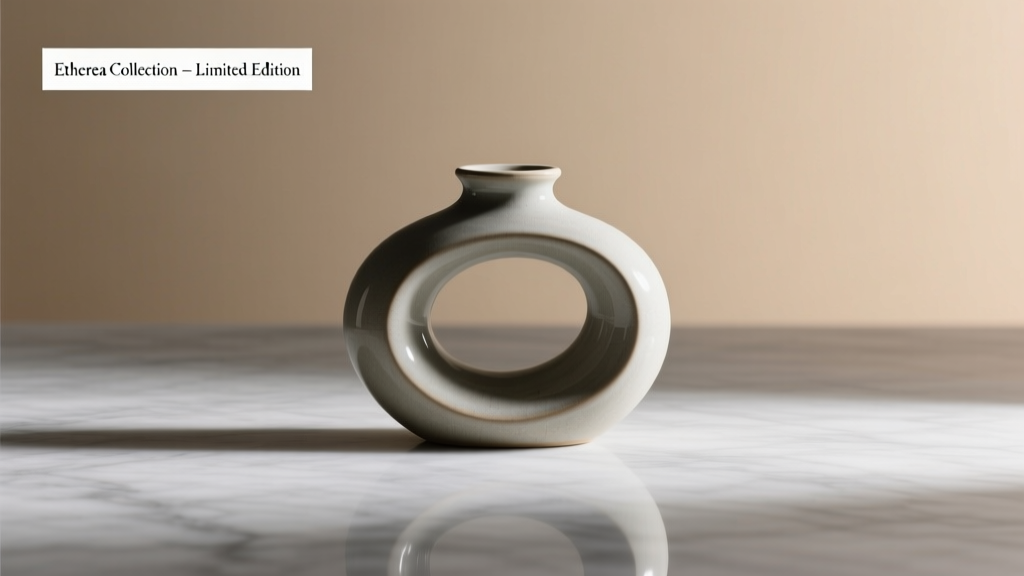
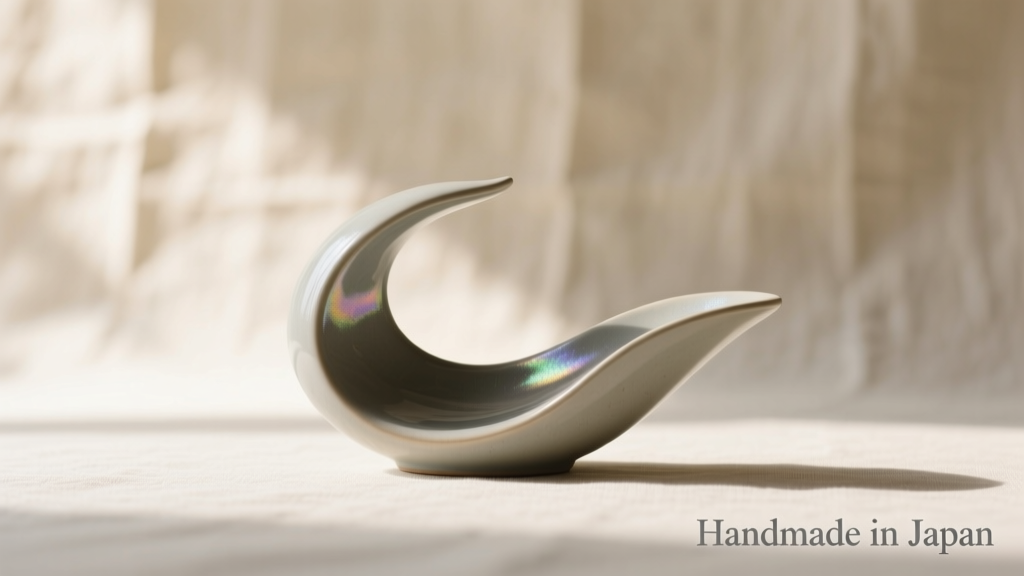
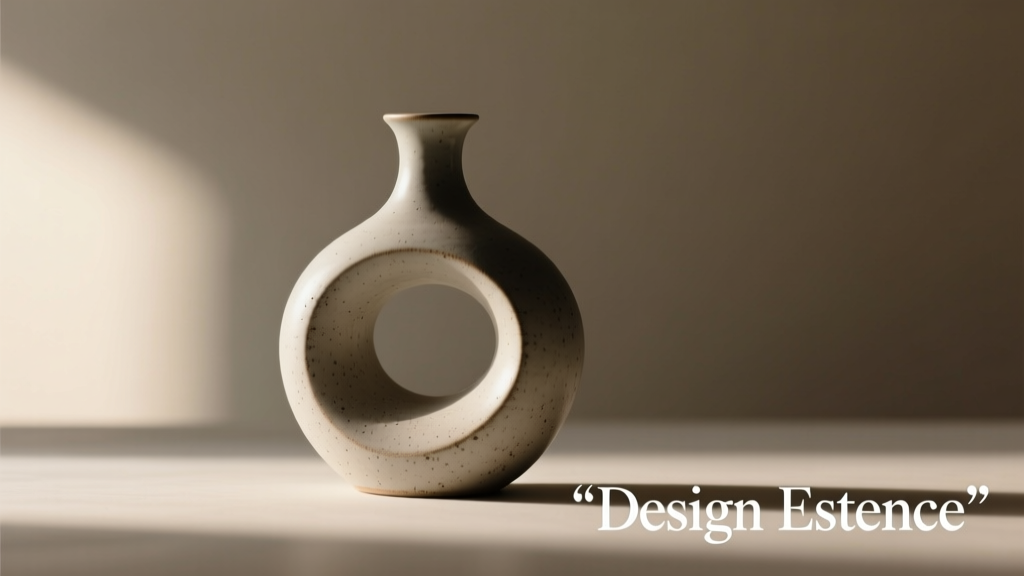
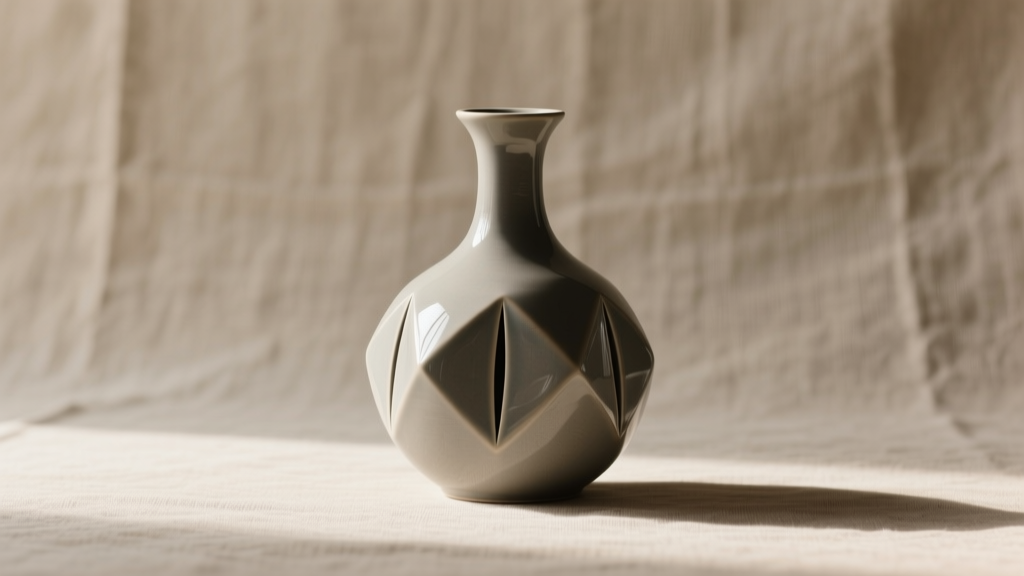
Ceramic and glass frames bring elegance and sophistication. Often hand-painted or glazed, they are best suited for formal or artistic settings. While more fragile, these materials allow for fine detailing and a polished finish that elevates the frame to a work of art.
Color Palette Inspired by Nature and Fun
The color scheme of a hippo picture frame is carefully chosen to reflect either the animal’s natural tones or a more imaginative, thematic approach.
Shape, Size, and Functional Design
While most picture frames follow standard rectangular or square formats, hippo frames often break the mold—literally. Their shapes range from abstract interpretations to full hippo silhouettes.
Unconventional Shapes
Some frames are shaped entirely like a hippo, with the photo nestled within the body. Others feature hippo heads, feet, or tails as part of the frame’s border, transforming the object into a sculptural piece.
Standard Shapes with Thematic Touches
Many frames maintain a classic rectangular shape but include hippo motifs as decorative accents—such as carved ears on the top corners or tiny feet at the base—offering a balance between tradition and creativity.
Size options vary widely, accommodating standard photo dimensions from 4"x6" to larger formats like 18"x24". Adjustable or multi-slot frames are also available, allowing users to display multiple memories at once. Custom sizing is often offered for unique photo dimensions or special occasions.
| Design Element | Common Options | Ideal For |
|---|---|---|
| Material | Wood, Plastic, Metal, Ceramic, Glass | Home décor, nurseries, gifts, art displays |
| Style | Realistic, Cartoon, Minimalist, Sculptural | Adults, children, collectors, nature lovers |
| Color Scheme | Earthy Neutrals, Bright Themes, Monochrome | Modern, rustic, playful, or elegant interiors |
| Photo Size | 4"x6", 5"x7", 8"x10", 18"x24", Custom | Personal photos, family portraits, artwork |
Note: When selecting a hippo picture frame, consider the environment where it will be displayed. For high-traffic areas or homes with children, opt for durable materials like wood or plastic. In formal or artistic settings, ceramic or metal frames can serve as elegant centerpieces. Always ensure the frame’s size and style complement both the photo and the room’s décor for a harmonious look.
Ultimately, the hippo picture frame embodies a joyful celebration of nature, creativity, and personal expression. Whether used to display cherished memories or simply admired as a decorative object, it carries the spirit of fun, resilience, and affection—qualities that make the hippopotamus a timeless symbol in art and design.
Scenarios Of Hippo Picture Frame
Hippo picture frames are far more than simple decorative accessories—they are expressive design elements that bring the playful spirit of the wild into everyday spaces. Combining whimsy, charm, and a touch of nature, these frames transform ordinary photographs into storytelling pieces. Whether crafted from wood, resin, or ceramic, and adorned with cartoonish or realistic hippo motifs, they offer both aesthetic appeal and emotional resonance. Below, we explore key scenarios where hippo picture frames shine, enhancing personal, family, and public environments with warmth and creativity.
Nurseries and Kids’ Rooms
Hippo picture frames are a beloved choice for nurseries and children's bedrooms, where comfort, imagination, and safety converge. The hippopotamus—often perceived as a gentle giant despite its size—resonates with children as a friendly, approachable animal. When stylized in cartoon form with exaggerated eyes, smiling mouths, or pastel colors, these frames become enchanting focal points.
- Perfect for displaying milestone photos: first bath, baby’s first steps, or birthday celebrations
- Ideal for water-themed nurseries, complementing jungle or safari room decor
- Encourages storytelling and emotional bonding when used to show family moments or pet companions
- Durable, non-toxic materials ensure safety for young children in active play environments
Design tip: Pair with matching hippo-themed bedding or wall art to create a cohesive, immersive space.
Living Rooms and Family Areas
In shared family spaces, hippo picture frames add a touch of lighthearted charm and serve as conversation starters. Positioned on mantels, sideboards, or gallery walls, they introduce a sense of joy and personality to otherwise formal or neutral interiors.
- Display cherished memories such as beach vacations, holiday gatherings, or family reunions
- Complement rustic, cottage, or eclectic décor styles with their natural and handcrafted appeal
- Act as a symbolic centerpiece in homes that value nature, wildlife conservation, or African-inspired themes
- Offer a nostalgic connection for families with children, symbolizing growth and shared experiences
Styling idea: Group multiple animal-themed frames (e.g., elephants, giraffes) to create a “wildlife gallery” wall.
Kids-Centered Public Spaces
Beyond the home, hippo picture frames are excellent tools for fostering creativity and inclusion in educational and community environments. Daycares, preschools, pediatric clinics, and children’s libraries benefit from playful visual elements that reduce anxiety and inspire engagement.
- Showcase student artwork, class projects, or seasonal activities in a fun, thematic way
- Used in photo collages to celebrate birthdays, field trips, or graduation milestones
- Enhance digital kiosks or interactive boards with animated hippo borders in tech-equipped classrooms
- Help children identify their personal spaces (e.g., cubbies or lockers) when personalized with names and photos
Educational benefit: Visual themes like hippos can support animal units in early childhood curricula.
Themed Events and Celebrations
Hippo picture frames are increasingly popular in event design, especially for occasions centered around children, nature, or whimsical aesthetics. From baby showers to birthday parties, these frames elevate the ambiance and provide memorable guest experiences.
- Used as part of photo booths with props, allowing guests to take home printed pictures in keepsake frames
- Incorporated into table centerpieces or seating charts with guest names and illustrations
- Featured in wedding décor for couples with a love for animals or African safaris
- Adapted for eco-themed events, using recycled materials to align with sustainability values
Event pro tip: Offer DIY frame stations where guests decorate their own mini hippo frames as party favors.
Creative Insight: Don’t limit hippo frames to photos only—use them to display children’s drawings, handwritten notes, or pressed leaves and flowers for a multidimensional keepsake. Their versatility makes them ideal for rotating seasonal displays or travel memorabilia.
| Setting | Best Frame Style | Recommended Use | Material Suggestions |
|---|---|---|---|
| Nursery / Toddler Room | Cartoon hippo with soft edges | Baby milestone photos | Wood, BPA-free plastic, felt accents |
| Family Living Room | Realistic or artistic sculpted frame | Vacation memories, family portraits | Resin, ceramic, reclaimed wood |
| Preschool / Daycare | Colorful, modular, or magnetic frames | Student artwork rotation | Recycled plastic, laminated cardboard |
| Birthday Party / Baby Shower | Decorative, temporary, or craftable | Photo booth props, favors | Paper mache, cardboard, biodegradable materials |
Additional Considerations
- Personalization: Engraved names or dates enhance sentimental value, especially for gifts.
- Durability: Choose shatter-resistant materials for homes with active children.
- Eco-Friendliness: Opt for sustainably sourced or recyclable materials to support green living.
- Seasonal Flexibility: Use interchangeable inserts to adapt frames for holidays or events.
- Gifting Potential: Hippo frames make thoughtful presents for baby showers, birthdays, or teacher appreciation.
Specification & Maintenance Of Hippo Picture Frame
The hippo picture frame is more than just a decorative accessory—it's a unique blend of artistic design and functional photo display. Whether used in homes, nurseries, or creative spaces, understanding its specifications and proper maintenance is essential to preserve both the frame and the memories it holds. This comprehensive guide details the key features, materials, and care practices to help you maximize the lifespan and visual appeal of your hippo picture frame.
Important Note: While "hippo picture frame" may refer to a novelty frame shaped like a hippopotamus or a themed collage display, this guide assumes a decorative frame with artistic or sculptural elements. Always verify manufacturer instructions for specific models, especially digital or illuminated versions.
Specifications: Design, Materials & Functional Features
Hippo picture frames are available in a variety of styles, sizes, and materials, each influencing their functionality and suitability for different environments. Understanding these specifications ensures optimal use and display.
1. Frame Dimensions & Photo Compatibility
Most standard hippo-themed frames are designed to accommodate common photo sizes such as:
- 4 x 6 inches – Ideal for standard snapshots and portrait prints
- 5 x 7 inches – Suitable for larger photos or small group images
For multi-picture displays or digital collages, larger custom frames may support:
- 8 x 10 inches
- Digital print formats (e.g., 1080p or 4K resolution for digital frames)
- Collage layouts with multiple slots (e.g., 3–5 photo inserts)
When mounting multiple frames on a wall, ensure uniform photo sizing and consistent alignment for a cohesive, professional appearance.
2. Frame Construction & Protective Materials
The materials used in hippo frames significantly affect durability, clarity, and photo preservation:
- Front Cover: Available in glass or acrylic (plastic). Glass offers superior clarity and scratch resistance but is heavier and more fragile. Acrylic is lightweight and shatter-resistant but more prone to static and minor scratches.
- Backing Material: Typically made of cardboard, MDF, or plastic. Acid-free backing is highly recommended to prevent photo degradation over time.
- Frame Body: Constructed from wood, metal, ceramic, plastic, or resin—each with unique aesthetic and maintenance needs.
Acid-free paper or matting is a critical feature in high-quality frames. It acts as a protective barrier between the photo and the frame’s backing, preventing chemical reactions that cause yellowing, fading, or brittleness.
3. Environmental & Functional Considerations
Some hippo picture frames include advanced features:
- Digital Frames: May require power sources (USB or AC adapter) and support for memory cards or Wi-Fi for photo rotation.
- LED-Lit Frames: Incorporate energy-efficient LED bulbs to highlight photos. These should be replaced promptly if dimming occurs.
- Humidity Sensitivity: Wooden or paper-based frames are vulnerable to warping or mold in high-moisture environments (e.g., bathrooms or basements).
| Frame Material | Pros | Cons | Maintenance Tips |
|---|---|---|---|
| Wood | Warm aesthetic, durable, eco-friendly | Prone to warping in humidity, requires dusting | Dust regularly; avoid direct sunlight and moisture |
| Plastic/Resin | Lightweight, affordable, moisture-resistant | Can yellow over time, less premium feel | Clean with damp cloth and mild soap |
| Ceramic | Elegant, artistic, long-lasting | Fragile, heavy, sensitive to impacts | Dust daily; handle with care during cleaning |
| Metal | Modern look, sturdy, corrosion-resistant (if coated) | Can tarnish, may conduct heat/cold | Wipe with microfiber; polish if needed |
| Digital (LED/LCD) | Rotates photos, customizable displays | Requires power, screen glare possible | Keep software updated; clean screen gently |
Maintenance: Best Practices for Longevity & Appearance
Proper care ensures your hippo picture frame remains a vibrant and functional part of your decor for years. Follow these expert-recommended maintenance routines:
1. Regular Cleaning
Dust and grime can accumulate on textured surfaces, especially on sculptural elements like a hippo’s ears or eyes. Use the following methods:
- Dry Dusting: Use a soft, dry microfiber cloth or a feather duster daily for ceramic, wood, or plastic frames.
- Wet Cleaning: For stubborn dirt, lightly dampen a microfiber cloth with water and a small amount of mild detergent. Avoid soaking the frame.
- Glass/Acrylic Cleaning: Mix equal parts water and white vinegar in a spray bottle. Spray onto a cloth (not directly on the frame) and wipe gently to avoid streaks or scratches.
Pro Tip: Never use abrasive cloths, ammonia-based cleaners, or window sprays on acrylic surfaces—they can cause permanent clouding or cracking.
2. Humidity & Environmental Control
Excess moisture is a major threat to both frames and photos:
- Avoid placing frames in bathrooms, kitchens, or basements with poor ventilation.
- Maintain indoor humidity between 40–50% using a dehumidifier if necessary.
- Ensure proper air circulation around the frame to prevent mold or mildew growth.
3. Bulb & Electronic Maintenance (for Digital/Illuminated Frames)
If your hippo frame includes lighting:
- Replace dim or burnt-out LED bulbs promptly with energy-efficient, low-heat alternatives.
- Turn off the frame when not in use to extend bulb life and reduce heat buildup.
- Check power cords and connections periodically for wear or fraying.
4. Photo Rotation & Preservation
One of the joys of a hippo picture frame is its playful, dynamic nature:
- Rotate photos every 1–3 months to keep the display fresh and engaging.
- Use high-resolution, archival-quality prints to prevent fading.
- Store spare photos in acid-free sleeves away from light and moisture.
Design Tip: For themed rooms (e.g., children's nurseries), coordinate photo colors with room decor. Use seasonal or holiday-themed images to enhance the playful character of the hippo frame.
Final Recommendations
To ensure your hippo picture frame remains a cherished and functional piece:
- Inspect the frame and photo monthly for signs of wear, discoloration, or damage.
- Keep a spare set of mounting hardware (e.g., screws, hooks) for quick repairs.
- Follow manufacturer guidelines for digital or electronic models.
- Consider framing important photos with UV-protective glass to prevent sun damage.
- Teach children gentle handling if the frame is in a play area.
With thoughtful selection and consistent care, your hippo picture frame can serve as both a whimsical decoration and a lasting protector of your most treasured memories. Whether it holds a baby’s first smile or a family vacation snapshot, proper maintenance ensures it continues to bring joy for years to come.
Frequently Asked Questions About Hippo Picture Frames
Q1: What materials are hippo frames made of?Hippo picture frames are crafted from a variety of materials, each chosen to reflect the unique character and charm of the hippopotamus in both design and functionality. Common materials include:
- Wood: Offers a warm, natural aesthetic and is often used for hand-carved or rustic-style frames. Ideal for classic or vintage decor.
- Plastic/Resin: Lightweight and durable, often molded into playful, colorful designs perfect for children’s rooms or themed spaces.
- Metal: Provides a sleek, modern look with added durability. Stainless steel or aluminum frames may also offer weather-resistant properties for limited outdoor use.
- Ceramic: Frequently used for decorative or collectible frames, featuring detailed sculptural elements that highlight the hippo’s form. Best suited for display on shelves or mantles.
The choice of material not only affects the frame’s appearance but also its durability, weight, and suitability for different environments.
Q2: Are hippo picture frames suitable for children?Yes, hippo picture frames are an excellent choice for children’s rooms and creative spaces. Their playful and friendly design—often featuring exaggerated, cartoon-like features of the beloved hippopotamus—can spark imagination and joy.
- Encourages Creativity: Kids can personalize these frames with drawings, photos, or artwork, making them a fun part of room decoration.
- Safety Considerations: Opt for frames made from lightweight, shatter-resistant materials like plastic or soft-edged wood to minimize risks in active play areas.
- Educational Value: These frames can serve as conversation starters about animals, nature, and African wildlife, supporting early learning in an engaging way.
- Themed Decor: Perfect for safari, jungle, or animal-themed nurseries and playrooms, adding a whimsical touch to the overall design.
With their charming appeal and versatility, hippo frames make both functional and decorative additions to any child-friendly space.
Q3: How to clean a hippo picture frame made of wood?Proper cleaning helps preserve the beauty and longevity of wooden hippo picture frames. Follow these steps to maintain their condition without causing damage:
- Dust Regularly: Use a soft, dry microfiber cloth or a feather duster to remove surface dust and prevent buildup.
- Spot Clean When Needed: Dampen a microfiber cloth with a small amount of water or a mild wood cleaner. Wipe gently along the grain to avoid scratching.
- Avoid Excess Moisture: Never soak the frame or use wet cloths, as water can warp the wood, cause swelling, or damage finishes and paint details.
- Protect the Finish: Avoid harsh chemicals, ammonia-based cleaners, or abrasive sponges. For polished or varnished frames, consider using a wood-safe polish every few months.
- Dry Immediately: After cleaning, wipe the frame with a dry cloth to ensure no moisture remains, especially in carved or detailed areas.
With regular, gentle care, a wooden hippo frame can remain a beautiful keepsake for years.
Q4: Do digital hippo frames require special care?Digital hippo picture frames—those with built-in screens that display rotating photo collections—combine decorative design with modern technology. While they are easy to maintain, a few care practices will ensure optimal performance:
- Manage Storage: Regularly check the internal memory or SD card to ensure it’s not full. Delete outdated images or transfer them to cloud storage to keep the slideshow running smoothly.
- Dust the Screen: Use a dry or slightly damp microfiber cloth to clean the screen and frame surface. Avoid spraying liquids directly onto the device.
- Keep It Dry: Place the frame in a dry, temperature-controlled area. Moisture and extreme heat can damage electronic components.
- Power Management: Use a surge protector and consider turning off the frame when not in use for extended periods to prolong screen life.
- Software Updates: If supported, ensure the frame’s firmware is up to date for improved functionality and security.
With minimal upkeep, digital hippo frames offer a dynamic and fun way to display cherished memories.
Q5: Can hippo frames be used outdoors?While most hippo picture frames are designed for indoor use, certain models made from weather-resistant materials can be used in protected outdoor areas:
- Weather-Resistant Options: Frames constructed from marine-grade plastics, powder-coated metals, or sealed teak wood may withstand humidity, light rain, and sun exposure.
- Limited Outdoor Use: Even durable frames should be placed under cover (e.g., porches, gazebos) to avoid direct exposure to rain, snow, or prolonged UV rays.
- Avoid Delicate Materials: Ceramic, untreated wood, and paper-based composites are not suitable for outdoor environments due to their susceptibility to cracking, warping, or fading.
- Check Manufacturer Guidelines: Always refer to product specifications to confirm if a frame is rated for outdoor use.
In general, hippo frames are best enjoyed indoors where their design details and materials can be preserved and appreciated over time.