Types of Hand Dryer PCB Circuit Boards
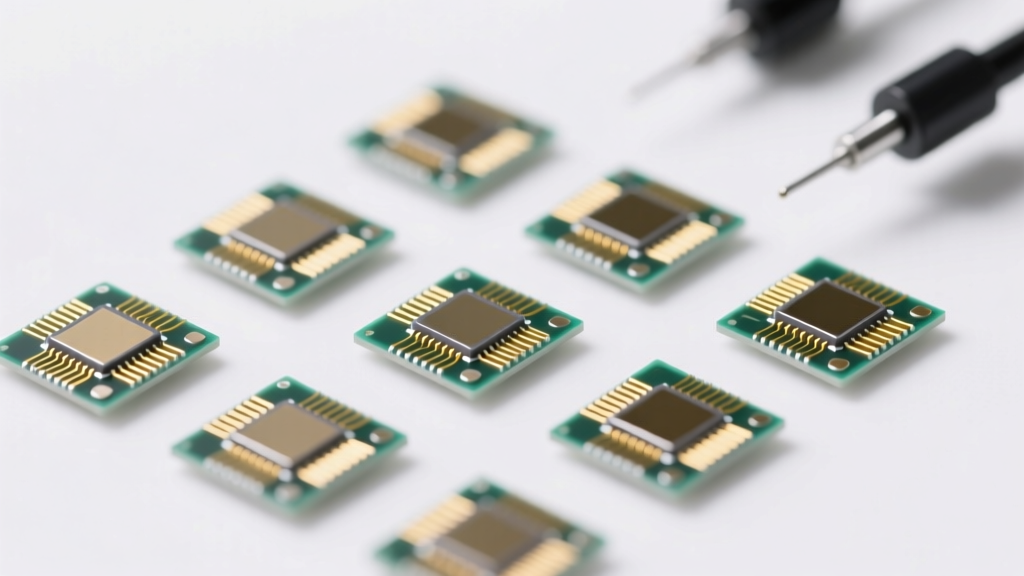
A hand dryer PCB (Printed Circuit Board) is the central control unit responsible for managing the operation of modern hand dryers. It processes input signals—typically from infrared sensors—when hands are detected and activates key components such as the motor, heating element, and timing circuits. The PCB ensures safe, efficient, and reliable performance while enabling advanced features like energy saving, usage tracking, and remote diagnostics.
With advancements in electronics and smart building technologies, hand dryer PCBs have evolved into several specialized types, each offering unique capabilities for different environments—from public restrooms to high-traffic commercial facilities.
Analog Circuit Boards
Utilizing basic electronic components like resistors, capacitors, and transistors, analog PCBs handle continuous voltage signals to control simple hand dryer functions.
Advantages
- Low manufacturing cost
- Simple design and troubleshooting
- Reliable for basic on/off operations
- Minimal power consumption
Limitations
- Limited functionality (no programmability)
- No adjustable settings (time, temperature)
- Less energy efficient in long-term use
- Prone to signal noise and drift
Best for: Budget models, low-traffic restrooms, older installations
Digital Circuit Boards
Equipped with microcontrollers or microprocessors, digital PCBs process discrete signals to deliver precise control over dryer functions and user experience.
Advantages
- Precise timing and temperature control
- Programmable settings (drying duration, fan speed)
- Improved energy efficiency
- Support for error diagnostics and safety shutdowns
Limitations
- Higher initial cost
- More complex repairs and diagnostics
- Requires firmware updates in some cases
Best for: Modern hand dryers, commercial buildings, eco-friendly installations
Hybrid Circuit Boards
Combining both analog signal conditioning circuits and digital control logic, hybrid PCBs offer a balanced solution for performance and functionality.
Advantages
- Optimized signal accuracy with digital control
- Compact design with multi-function integration
- Greater reliability in variable environments
- Ideal for mid-range performance dryers
Limitations
- More complex than pure analog systems
- Higher cost than basic analog boards
- Design complexity may affect repairability
Best for: Mid-tier hand dryers, schools, healthcare facilities
RFID-Enabled Circuit Boards
Incorporating Radio-Frequency Identification (RFID) technology, these PCBs track usage data and enable smart maintenance monitoring.
Advantages
- Real-time usage tracking and reporting
- Proactive maintenance alerts (e.g., filter changes)
- Integration with facility management systems
- Supports sustainability audits and energy reporting
Limitations
- Significantly higher cost
- Requires backend software integration
- Potential privacy concerns in sensitive areas
Best for: Smart buildings, airports, hospitals, and enterprise facilities
Wireless Circuit Boards
Featuring Wi-Fi, Bluetooth, or IoT connectivity, wireless PCBs allow remote monitoring, diagnostics, and firmware updates without physical access.
Advantages
- Remote performance monitoring
- Real-time fault detection and alerts
- Over-the-air (OTA) firmware upgrades
- Integration with building automation systems
Limitations
- Dependent on network stability
- Higher power requirements
- Security risks if not properly encrypted
- More expensive to install and maintain
Best for: High-tech restrooms, smart campuses, IoT-enabled infrastructure
| Type | Functionality | Cost | Energy Efficiency | Best Application |
|---|---|---|---|---|
| Analog | Basic On/Off Control | Low | Fair | Low-traffic areas, budget installations |
| Digital | Programmable Settings, Diagnostics | Moderate | High | Commercial offices, public restrooms |
| Hybrid | Analog + Digital Integration | Moderate to High | Good | Schools, healthcare, mid-tier models |
| RFID-Enabled | Usage Tracking, Maintenance Alerts | High | Very High | Smart facilities, enterprise management |
| Wireless | Remote Monitoring, OTA Updates | Very High | Very High | IoT environments, tech-forward buildings |
Expert Tip: When upgrading to digital or wireless PCBs, ensure compatibility with existing sensors and power supplies. Also, consider implementing network security protocols to protect data transmitted by connected hand dryers.
Function and Features of Hand Dryer PCB Circuit Board
The Printed Circuit Board (PCB) in a hand dryer is the central control unit responsible for managing the device's operations efficiently and safely. Acting as the "brain" of the system, the hand dryer PCB ensures optimal performance, energy efficiency, and user safety across various environments—from public restrooms to commercial facilities. Understanding its key functions and design features helps in selecting, maintaining, and troubleshooting hand dryers effectively.
Core Functions of the Hand Dryer PCB
Drying Duration Control
The PCB precisely manages the drying cycle length, typically ranging from 15 to 45 seconds depending on the model and application. Commercial-grade dryers often feature longer run times to ensure complete hand drying, which is critical in high-traffic areas such as airports, hospitals, and schools.
By optimizing drying time, the PCB helps minimize moisture left on hands—reducing the risk of bacterial transfer and improving overall hygiene. Advanced models may use sensor feedback to adjust duration dynamically based on hand presence and movement.
Temperature Regulation
One of the primary roles of the PCB is to regulate the temperature of the heated air emitted by the dryer. It monitors the heating element via thermal sensors and adjusts power delivery to maintain a consistent, comfortable airflow—typically between 95°F and 120°F (35°C–49°C).
This balance ensures rapid evaporation without causing discomfort or potential burns, making it safe for users of all ages. The PCB also prevents sudden temperature spikes by modulating voltage to the heater coil in real time.
Thermal Overheat Protection
Safety is a top priority in hand dryer design, and the PCB plays a crucial role in preventing overheating. Integrated thermal cutoffs and temperature sensors continuously monitor internal components, especially the motor and heating element.
If unsafe temperatures are detected—due to blocked airflow, prolonged use, or component failure—the PCB automatically shuts down the system to prevent fire hazards or permanent damage. This self-protective feature extends the lifespan of the dryer and complies with international safety standards like UL, CE, and IEC.
Timer-Based Operation
The built-in timer circuitry ensures that the hand dryer operates only for a predetermined period after activation. This prevents continuous running due to sensor malfunctions or user error, conserving energy and reducing wear on mechanical parts.
Timers also support preventive maintenance scheduling by logging operational cycles or signaling when servicing is due. In smart models, this data can be accessed remotely for facility management optimization.
Motor Speed and Airflow Control
Modern hand dryer PCBs often include variable speed control for the fan motor, allowing adjustment of airflow intensity. High-speed models (e.g., jet air dryers) use powerful motors spinning at over 100,000 RPM, controlled via pulse-width modulation (PWM) signals from the PCB.
This enables faster drying times while maintaining energy efficiency. Some advanced systems adapt airflow based on ambient humidity or user proximity, enhancing both performance and user experience.
Robust and Durable Design
Given the high-moisture environment of restrooms, hand dryer PCBs are engineered for resilience. They feature conformal coatings that protect against humidity, condensation, and corrosion. Components are selected for long-term reliability under frequent use and fluctuating temperatures.
Commercial-grade PCBs are often sealed or housed in waterproof enclosures to meet IP ratings (e.g., IPX4 or higher), ensuring uninterrupted operation even in demanding conditions. This durability reduces maintenance costs and downtime.
| Feature | Function | Benefits |
|---|---|---|
| Drying Timer | Controls operation duration (15–45 sec) | Prevents energy waste, ensures hygiene, avoids overuse |
| Temperature Control | Regulates heater output (95–120°F) | Enhances comfort, prevents burns, improves drying efficiency |
| Overheat Protection | Shuts down system during excessive heat | Increases safety, prevents fire hazards, extends lifespan |
| Fan Speed Control | Adjusts airflow using PWM or relay control | Optimizes drying speed and noise levels |
| Moisture Resistance | Conformal coating and sealed design | Ensures reliability in humid environments |
Additional Features in Advanced Models
Important: Always ensure that replacement PCBs match the original specifications in terms of voltage, pin configuration, and safety certifications. Using incompatible or low-quality boards can lead to malfunction, safety risks, or voided warranties. Regular inspection and cleaning of the PCB compartment (when powered off) help maintain optimal performance and prevent moisture-related failures.
Applications of Hand Dryer PCB Circuit Boards
The global market for printed circuit boards (PCBs) in the hand dryer sector is poised for robust growth, driven by the expansion of public and commercial washroom infrastructure and heightened awareness of hygiene standards worldwide. Technological advancements—such as smart sensors, energy-efficient motors, and IoT integration—are enhancing the functionality and reliability of hand dryers, further accelerating demand for advanced PCBs. Additionally, the growing emphasis on sustainability, including reduced paper waste and energy-efficient designs, is fueling adoption across diverse sectors.
According to market projections, the hand dryer PCB industry is expected to grow at a compound annual growth rate (CAGR) of over 7.5% and reach a market value exceeding $200 million USD in the coming years. This growth is supported by innovations in circuit design, improved durability, and moisture-resistant components tailored for high-humidity environments. Leading manufacturers such as Koenig, Sunkel, LPKF, KMDryers, and Khind are at the forefront of developing intelligent, reliable, and eco-friendly PCB solutions for next-generation hand dryers.
Commercial Washrooms
Hand dryer PCBs are most commonly deployed in commercial and public restroom facilities, where high foot traffic demands durable, efficient, and hygienic drying solutions. These circuit boards serve as the central control unit, managing functions such as motor speed, airflow duration, sensor activation, and automatic shut-off.
- Widely used in offices, shopping malls, airports, train stations, and educational institutions
- Enable touchless operation via infrared sensors, minimizing cross-contamination
- Support energy-saving modes and usage tracking for facility management
- Designed for continuous operation with thermal protection and moisture resistance
Key benefit: Reduces reliance on paper towels, lowering waste and maintenance costs.
Restaurants and Food Service
In food service environments, maintaining strict hygiene standards is critical. Hand dryer PCBs ensure fast, sanitary hand drying in employee restrooms and customer facilities, supporting compliance with health regulations.
- Integrated into high-speed dryers that minimize wait times during peak hours
- Programmable timers and auto-shutoff prevent misuse and conserve energy
- Resistant to grease, moisture, and frequent cleaning agents
- Help reduce bacterial transfer compared to shared towels or air blowers with poor filtration
Pro insight: Many restaurant chains now prefer HEPA-filter-equipped dryers with advanced PCBs for enhanced air quality.
Healthcare Facilities
Hospitals, clinics, and medical centers rely on hand dryer PCBs to maintain stringent infection control protocols. These circuit boards are engineered for reliability and precision, ensuring consistent performance in sensitive environments.
- Control high-efficiency motors that dry hands quickly, reducing splash and contamination risk
- Support antimicrobial coatings and HEPA filtration systems to prevent airborne pathogens
- Include diagnostic features that alert maintenance staff to malfunctions or blockages
- Meet regulatory standards such as ISO 13485 and FDA guidelines for medical device components
Critical advantage: Touchless operation significantly reduces surface contact, a key factor in infection prevention.
Industrial Applications
In manufacturing plants, construction sites, and engineering workshops, industrial-grade hand dryers equipped with rugged PCBs provide fast, powerful drying for workers with dirty or wet hands.
- Designed to withstand harsh conditions, including dust, vibration, and extreme temperatures
- Often include heating elements controlled by the PCB for faster drying in cold environments
- Feature extended run times and reinforced components for heavy-duty use
- May integrate with building management systems for remote monitoring and diagnostics
Technical note: Industrial PCBs often use conformal coatings to protect against moisture and chemical exposure.
Residential Hand Dryers
While traditionally associated with commercial spaces, hand dryer PCBs are increasingly being incorporated into premium residential models, especially in modern homes, smart bathrooms, and high-end apartments.
- Offer quiet operation through variable speed control and noise-dampening algorithms
- Integrate with smart home systems (e.g., voice assistants or app-based controls)
- Support eco-modes that optimize energy consumption based on usage patterns
- Ideal for households with children, pets, or guests where hygiene and convenience are priorities
Emerging trend: Miniaturized, low-power PCBs are enabling sleek, wall-mounted designs suitable for home use.
Emerging & Smart Applications
Next-generation hand dryer PCBs are evolving beyond basic functionality, incorporating intelligence and connectivity for smarter washroom experiences.
- IoT Integration: PCBs with Wi-Fi or Bluetooth enable real-time usage analytics and predictive maintenance
- Energy Monitoring: Track power consumption for sustainability reporting and cost optimization
- Touchless UX: Advanced proximity sensors reduce false triggers and improve user experience
- Modular Design: PCBs allow for easy upgrades, such as adding UV-C sanitization or air purification
Future outlook: AI-driven PCBs could adapt drying time and intensity based on hand size or moisture level.
Professional Recommendation: When selecting or recommending hand dryer PCBs, prioritize models with IP65 or higher ingress protection ratings for moisture and dust resistance. Look for boards with built-in thermal cutoffs, surge protection, and compatibility with energy-efficient brushless DC motors. For high-traffic areas, consider PCBs that support remote diagnostics and usage logging to streamline maintenance and improve operational efficiency.
| Application Sector | Key PCB Features | Common Requirements | Lifespan Expectancy |
|---|---|---|---|
| Commercial Washrooms | Sensor control, auto-shutoff, speed regulation | Durability, low maintenance, energy efficiency | 5–7 years |
| Food Service | Hygienic design, timer functions, moisture resistance | Compliance with health codes, easy cleaning | 4–6 years |
| Healthcare Facilities | HEPA integration, diagnostics, antimicrobial materials | Infection control, reliability, regulatory compliance | 6–8 years |
| Industrial Settings | Heating control, rugged construction, high torque | Vibration resistance, extended runtime, thermal protection | 5–10 years |
| Residential Use | Quiet operation, smart controls, compact design | Aesthetic integration, user-friendliness, low power draw | 4–6 years |
Additional Considerations for Hand Dryer PCB Selection
- Environmental Resistance: PCBs should be coated or sealed to resist humidity, condensation, and cleaning chemicals.
- Power Efficiency: Modern PCBs support energy-saving modes and variable motor control to reduce electricity consumption.
- Serviceability: Modular PCB designs allow for easier replacement and field upgrades without replacing the entire unit.
- Noise Control: Advanced signal processing helps minimize operational noise, improving user comfort.
- Brand Reliability: Established manufacturers like Koenig and LPKF offer tested designs with strong technical support and warranty coverage.
- Customization: Some PCBs can be programmed for specific drying durations, fan speeds, or branding messages via LED displays.
How to Choose Hand Dryer PCB Circuit Boards: A Comprehensive Buyer’s Guide
Selecting the right printed circuit board (PCB) for hand dryers is a critical decision that directly impacts product reliability, safety, and performance. Whether you're a manufacturer, distributor, or maintenance technician, understanding the key technical and operational factors will help ensure long-term durability and customer satisfaction. This guide provides a detailed breakdown of the most important considerations when choosing hand dryer PCBs, from environmental resilience to supplier reliability.
Safety Note: Always verify that the PCB complies with regional electrical safety standards before installation. Using non-certified circuit boards can lead to equipment failure, fire hazards, or voided warranties.
Key Factors in Selecting Hand Dryer PCBs
- Compliance with Safety Standards
Certification is non-negotiable when it comes to electronic components in public-use appliances. Ensure the PCB adheres to international standards such as UL (Underwriters Laboratories), CE (Conformité Européenne), RoHS (Restriction of Hazardous Substances), and IEC 60335 for household electrical safety. These certifications confirm that the board has undergone rigorous testing for electrical insulation, thermal protection, and resistance to overcurrent conditions.
- Look for official certification marks directly on the PCB or packaging
- Request test reports or compliance documentation from the supplier
- Verify compliance with local regulations in your target market (e.g., FCC in the U.S., UKCA in the UK)
- Environmental Durability Features
Hand dryers are commonly used in high-moisture environments like restrooms, making environmental protection a top priority. Moisture ingress, condensation, and temperature swings can degrade circuit performance over time.
- Choose PCBs with protective coatings such as E-coating (electrophoretic deposition) or conformal silicone coating to prevent corrosion and short circuits
- Ensure the board operates reliably within expected temperature ranges (typically -10°C to +70°C for commercial models)
- For industrial or outdoor installations, consider boards rated for vibration resistance and IP65 or higher enclosure compatibility
- Soldering Process and Long-Term Reliability
The method used to assemble components significantly affects the lifespan and repairability of the PCB. Understanding the difference between wave soldering and hand soldering helps match the board to your service and production needs.
- Wave Soldering: Ideal for mass production; ensures consistent solder joints with minimal defects and higher throughput
- Hand Soldering: Offers greater flexibility for prototypes or small batches; allows easier component-level repairs but may introduce variability in joint quality
- For optimal reliability, select boards with lead-free solder that meets RoHS standards and has been thermally tested for durability
- Customization Capabilities
A customizable PCB allows manufacturers to differentiate their products and meet specific application requirements. This is especially valuable for OEMs looking to tailor performance features.
- Confirm support for various input voltages (e.g., 110V, 220V, or dual-voltage configurations)
- Check if the board supports custom timing controls, motor speed settings, or sensor integration (infrared, proximity, or touchless activation)
- Inquire about firmware programmability or adjustable drying cycles to suit different user environments
- Supplier Production Capacity and Reliability
Your PCB supplier should be able to scale with your business. A reliable partner ensures consistent supply, quality control, and timely delivery.
- Evaluate the supplier's manufacturing capabilities, including minimum order quantities (MOQs) and lead times
- Ask about quality assurance processes such as AOI (Automated Optical Inspection) and functional testing
- Review customer references or case studies to assess track record and responsiveness
- Version Control and Documentation
As technology evolves, so do PCB designs. Effective version control ensures consistency across production runs and simplifies troubleshooting and upgrades.
- Ensure the supplier maintains clear revision logs with date stamps and change descriptions
- Request access to schematics, BOMs (Bill of Materials), and firmware versions for future reference
- Avoid suppliers who make undocumented changes, as this can lead to compatibility issues down the line
- Return, Refund, and Replacement Policy
A transparent and fair policy protects your investment and ensures accountability in case of defective units.
- Look for suppliers offering warranties of at least 12–24 months on PCBs
- Clarify whether defective boards are replaced, repaired, or refunded
- Understand the process for reporting failures, including required documentation and turnaround time
- Conductor Width and Electrical Performance
The width of copper traces on the PCB affects current handling, heat dissipation, and overall efficiency. Choosing the right conductor size balances performance with cost.
- Narrow conductors (0.25mm): Save space and material, ideal for compact designs with low to moderate current loads
- Wider conductors (0.5mm): Handle higher currents more efficiently, reduce resistive heating, and improve long-term reliability
- Match trace width to expected current draw—use IPC-2221 guidelines to determine optimal dimensions
- Consider thicker copper layers (e oz or 2 oz) for enhanced thermal and electrical performance in heavy-duty models
| Evaluation Factor | Recommended Specification | Risk of Poor Selection | Verification Method |
|---|---|---|---|
| Safety Certification | UL, CE, RoHS, IEC 60335 compliant | Fire hazard, legal liability, warranty void | Request test reports, check certification marks |
| Environmental Protection | E-coated or silicone-coated PCB | Corrosion, short circuits, early failure | Visual inspection, supplier datasheet |
| Soldering Quality | Wave-soldered with AOI testing | Intermittent connections, cold joints | Microscopic inspection, sample testing |
| Customization Support | Voltage, timing, sensor flexibility | Product inflexibility, market mismatch | Discuss requirements with supplier |
| Supplier Reliability | Proven track record, scalable capacity | Supply chain disruption, delays | Check references, order samples |
| Version Control | Documented revisions and BOMs | Incompatibility, upgrade issues | Request revision history |
| Warranty & Returns | 12+ month warranty, clear policy | Costly replacements, disputes | Review contract terms |
| Conductor Width | ≥0.5mm for high-current applications | Overheating, trace burnout | Measure with caliper, review layout |
Expert Tip: Before placing a large order, request a sample PCB and conduct real-world testing under simulated operating conditions. Monitor performance over several weeks to evaluate stability, heat generation, and response consistency—this can prevent costly issues at scale.
Additional Recommendations for Long-Term Success
- Maintain a relationship with at least two qualified PCB suppliers to mitigate supply chain risks
- Keep spare boards on hand for quick replacements and reduced downtime
- Train technical staff on basic PCB diagnostics to identify early signs of failure
- Regularly update firmware (if applicable) to benefit from performance improvements and bug fixes
- Document all PCB versions and installations for easier maintenance and recall management
Choosing the right hand dryer PCB is not just about price—it's about ensuring safety, longevity, and adaptability. By focusing on certified, durable, and well-supported components, you protect your product reputation and deliver a reliable user experience. When in doubt, consult with engineering experts or request third-party testing to validate critical specifications before finalizing your selection.
Frequently Asked Questions About Hand Dryer Circuit Boards (PCBs)
Q1: What kind of hand dryer circuit board works best?The most effective hand dryer printed circuit board (PCB) is one specifically engineered for your particular hand dryer model. Each manufacturer designs their PCBs to integrate seamlessly with the unit’s sensors, motor, heating elements, and control features such as timers or motion detection.
- Model-Specific Design: OEM (Original Equipment Manufacturer) PCBs are built to match exact voltage requirements, pin configurations, and functional logic, ensuring optimal performance and safety.
- Aftermarket Alternatives: While generic or universal PCBs exist, they may lack full compatibility and could lead to inconsistent operation or premature failure if not precisely matched.
- Key Features to Match: Ensure the replacement PCB supports the same fan speed settings, sensor type (infrared vs. push-button), and power rating as the original.
Using a compatible PCB minimizes the risk of electrical issues and ensures the hand dryer operates efficiently and reliably.
Q2: Can I put a new PCB in an old hand dryer?Yes, it is often possible to install a new PCB in an older hand dryer, provided there is compatibility between the components. However, several factors must be considered before proceeding:
- Electrical Compatibility: The new PCB must support the same input voltage (e.g., 120V or 240V), current draw, and output signals required by the motor and heater.
- Physical Fit: Check that the mounting holes, connector types, and overall dimensions align with the existing housing.
- Feature Alignment: If the original dryer uses a manual switch but the new PCB is designed for motion sensing, additional wiring modifications may be necessary.
- Firmware & Logic: Some modern PCBs include microcontrollers with preset timing cycles that may not suit older mechanical designs.
When in doubt, consult the manufacturer’s specifications or a qualified technician to avoid damaging the unit or creating a safety hazard.
Q3: How long does a PCB for a hand dryer last?A high-quality hand dryer PCB can last anywhere from 5 to 10 years or more under normal operating conditions. The lifespan depends on several environmental and usage factors:
- Operating Environment: Units installed in high-humidity areas like restrooms are exposed to moisture, which can corrode circuitry over time.
- Heat Exposure: Continuous operation generates heat; inadequate ventilation can degrade solder joints and electronic components.
- Dust and Debris: Accumulation inside the unit can interfere with connections and cause overheating.
- Power Surges: Unstable electrical supply can damage sensitive components, especially in older buildings without surge protection.
Regular maintenance—such as cleaning air filters and inspecting for signs of corrosion—can significantly extend the life of the PCB and the entire hand dryer system.
Q4: Can someone repair a broken PCB?In certain cases, a damaged hand dryer circuit board can be repaired, particularly if the issue involves a single failed component such as a capacitor, resistor, or relay. However, successful repair requires specialized knowledge and tools:
- Required Skills: Understanding of electronics, ability to read schematics, and experience with soldering and multimeter diagnostics.
- Common Repairs: Replacing blown fuses, burnt-out relays, or swollen capacitors that affect power delivery.
- Limitations: Damage from water ingress, burnt traces, or microcontroller failure is often beyond economical repair.
- Safety Risks: Working on live circuits or improperly reassembled boards can lead to short circuits or fire hazards.
For most users and maintenance personnel, replacing the entire PCB is a safer, faster, and more reliable solution than attempting a repair—especially given the relatively low cost of replacement boards compared to labor time.
Q5: How is the hand dryer circuit board connected to the motor?The PCB connects to the hand dryer motor through a combination of wired terminals and internal conductive traces etched onto the board. This connection allows the PCB to control the motor’s operation based on user input or sensor activation:
- Signal Control: When the sensor detects hands, the PCB sends an electrical signal to activate a relay or solid-state switch, which powers the motor.
- Wiring: Typically, color-coded wires link the PCB’s output terminals to the motor’s leads. These must be correctly connected to prevent reverse polarity or incorrect voltage application.
- Speed Regulation: In advanced models, the PCB may use pulse-width modulation (PWM) to regulate fan speed and reduce energy consumption.
- Feedback Systems: Some PCBs monitor motor performance via feedback circuits to detect stalls or overloads and shut down the system if needed.
Proper insulation and secure connections are critical to ensure long-term reliability and prevent arcing or intermittent operation.