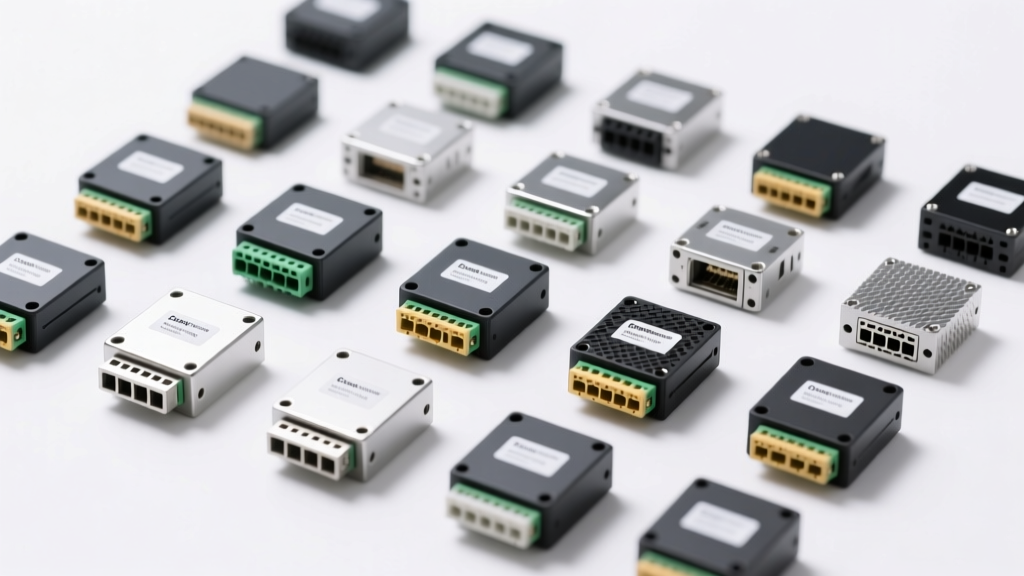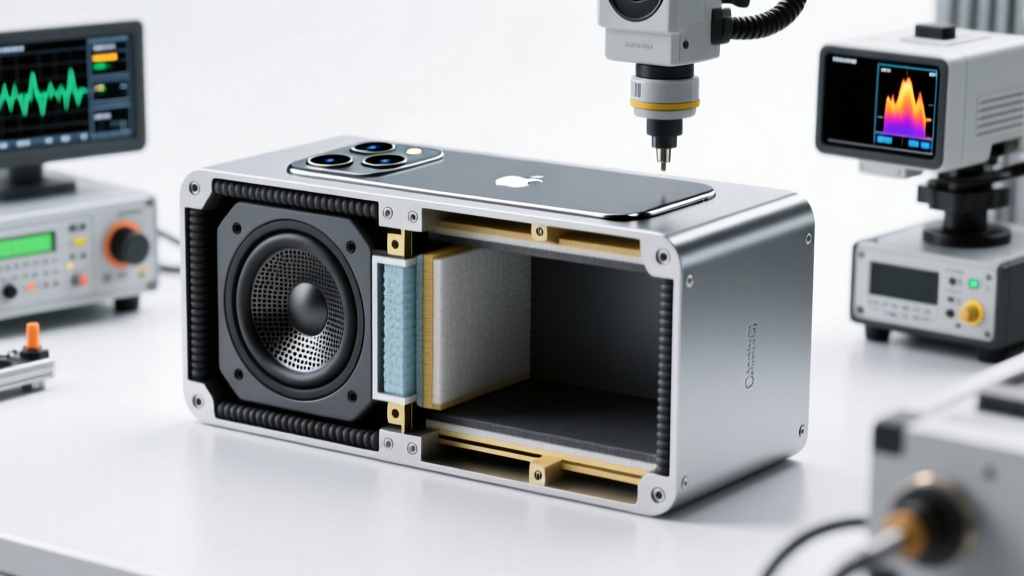
Types of Foil Shielding
Foil shielding is a critical technology used to protect electronic components and systems from electromagnetic interference (EMI) and radiofrequency interference (RFI), which can disrupt performance, degrade signal integrity, and compromise data security. These shields are typically made from conductive materials such as aluminum, copper, or specialized composites and are applied in various configurations depending on the application's requirements. The design, material selection, and structural format of the foil directly influence its shielding effectiveness, flexibility, weight, and cost.
The choice of foil shielding type depends on factors such as the frequency range of interference, environmental conditions, space constraints, thermal management needs, and mechanical durability. Below is a detailed breakdown of the most common types of foil shielding used across industries including electronics, aerospace, automotive, medical devices, and telecommunications.
Continuous Shielding Foils
These foils consist of a solid, unbroken conductive layer that provides uniform and maximum electromagnetic coverage. The absence of gaps ensures optimal conductivity and shielding effectiveness across a broad frequency spectrum.
Advantages
- Maximum EMI/RFI attenuation
- Consistent shielding performance
- Ideal for high-frequency applications
- Superior protection in sensitive environments
Limitations
- Higher material and production costs
- Heavier than perforated alternatives
- No ventilation or heat dissipation capability
Best for: Medical imaging devices, aerospace avionics, military communication systems, and high-reliability electronics
Perforated Shielding Foils
Engineered with precisely placed holes or slits, perforated foils reduce overall weight and allow for airflow or thermal management while maintaining a high degree of electromagnetic protection.
Advantages
- Effective heat dissipation and ventilation
- Reduced material usage and weight
- Good shielding with strategic hole patterns
- Suitable for compact, high-power devices
Limitations
- Slightly reduced shielding effectiveness at high frequencies
- Design complexity increases with pattern precision
- Potential for resonance at specific wavelengths
Best for: Automotive ECUs, power inverters, server racks, and aerospace enclosures where thermal management is critical
Laminated Shielding Foils
Constructed from multiple layers—such as metalized films, dielectric substrates, adhesives, and carbon-based coatings—laminated foils offer enhanced performance by combining electrical, mechanical, and environmental properties.
Advantages
- Multi-frequency interference protection
- Improved mechanical durability and flexibility
- Customizable for specific impedance and absorption needs
- Resistant to moisture, chemicals, and abrasion
Limitations
- Higher manufacturing and material costs
- Potential delamination under extreme conditions
- Thicker profile than single-layer foils
Best for: Military electronics, satellite systems, hybrid circuit boards, and ruggedized portable devices
Patterned Shielding Foils
These foils feature selective cutouts, traces, or geometric designs that enable targeted shielding. They allow specific areas to remain unshielded for signal transmission, sensor access, or component integration.
Advantages
- Precision shielding for complex layouts
- Enables coexistence of shielded and unshielded zones
- Ideal for high-density circuit integration
- Supports RF windows and antenna placements
Limitations
- Design and fabrication complexity
- Requires precise alignment during installation
- May need specialized testing for validation
Best for: Smartphones, wearable technology, IoT devices, and flexible printed circuits (FPCs)
| Type | Shielding Effectiveness | Thermal Management | Flexibility | Typical Applications |
|---|---|---|---|---|
| Continuous Foil | Excellent | Poor | Medium | Medical devices, avionics, defense systems |
| Perforated Foil | Good | Excellent | Medium | Automotive electronics, power modules, servers |
| Laminated Foil | Very Good | Good | High | Military gear, satellites, industrial electronics |
| Patterned Foil | Good (Selective) | Good | High | Mobile devices, wearables, compact electronics |
Expert Tip: When designing with perforated or patterned foils, use electromagnetic simulation software to optimize hole size, spacing, and layout to minimize leakage at critical frequencies while maintaining thermal and mechanical performance.
Material Foil Shielding: Types, Properties, and Applications
Foil shielding is a critical technique used to protect electronic devices and systems from electromagnetic interference (EMI) and radio frequency interference (RFI). The effectiveness of foil shielding depends on the material’s conductivity, flexibility, durability, and resistance to environmental factors. Selecting the right shielding material ensures reliable performance across diverse applications—from consumer electronics to aerospace systems.
Common Materials Used in Foil Shielding
Different materials offer unique advantages depending on the operational requirements, frequency range, weight constraints, and environmental exposure. Below is a detailed overview of the most widely used foil shielding materials.
Copper Foil
Performance: Copper is one of the most effective conductive materials for EMI/RFI shielding due to its exceptional electrical conductivity. It provides superior protection across a broad spectrum of frequencies, making it ideal for high-performance applications.
Applications: Widely used in the electronics industry to shield sensitive components in smartphones, laptops, medical imaging devices, and telecommunications equipment. Its ability to be laminated with adhesive or polymer layers enhances its usability in compact circuit designs.
Pros: High conductivity, excellent shielding effectiveness, solderable, and durable. Cons: Heavier than aluminum and more prone to oxidation if not coated.
Aluminum Foil
Performance: Aluminum offers strong shielding capabilities, particularly at mid to high frequencies. While slightly less conductive than copper, its lightweight nature and corrosion resistance make it a popular choice for mass-market applications.
Applications: Commonly found in consumer electronics, automotive sensors, and RF-shielded packaging. Aluminum EMI shielding foil is often used in flexible printed circuits (FPCs) and cable wraps due to its ease of handling and formability.
Pros: Lightweight, cost-effective, naturally corrosion-resistant, and easy to integrate. Cons: Lower conductivity than copper; not solderable without special treatment.
Nickel and Brass Foils
Performance: Nickel has moderate conductivity but excels in environments requiring high corrosion and temperature resistance. Brass, an alloy of copper and zinc, combines decent conductivity with enhanced mechanical strength and anti-corrosive properties.
Applications: Frequently used in specialized environments such as marine electronics, industrial sensors, and military hardware where moisture, salt spray, or extreme temperatures are concerns. Nickel plating is also applied over other metals to enhance durability.
Pros: Excellent environmental resistance, good mechanical stability. Cons: Lower shielding efficiency compared to copper or aluminum; higher cost for pure nickel foils.
Specialized Laminates
Performance: These composite materials combine metal foils (copper, aluminum) with flexible dielectric substrates like polyimide or polyester. This integration provides robust EMI shielding while maintaining flexibility and mechanical resilience.
Applications: Essential in flexible and wearable electronics, medical implants, avionics, and foldable devices where repeated bending and movement occur. The laminated structure protects circuits without compromising signal integrity.
Pros: High flexibility, durable, multi-layer protection, and compatible with automated manufacturing. Cons: More expensive than single-material foils; design complexity increases with layer count.
Graphite Coatings
Performance: As a non-metallic alternative, graphite provides good electrical conductivity through its layered carbon structure. When applied as a coating on polymer films, it creates ultra-thin, lightweight shields suitable for space-constrained applications.
Applications: Increasingly used in portable electronics (e.g., tablets, wearables), aerospace components, and IoT devices where minimizing weight and maximizing flexibility are crucial. Also valued for its thermal dissipation properties.
Pros: Extremely lightweight, flexible, sustainable, and resistant to oxidation. Cons: Lower shielding effectiveness than metals; limited durability under abrasion or mechanical stress.
| Material | Shielding Effectiveness | Weight | Cost | Best Use Cases |
|---|---|---|---|---|
| Copper Foil | Excellent (80–100 dB) | High | Medium-High | Medical devices, telecom, high-frequency circuits |
| Aluminum Foil | Good (60–80 dB) | Low | Low | Consumer electronics, automotive, packaging |
| Nickel/Brass | Moderate (40–70 dB) | Medium | High | Marine, industrial sensors, corrosive environments |
| Specialized Laminates | Excellent (70–95 dB) | Low-Medium | High | Wearables, flexible PCBs, aerospace |
| Graphite Coatings | Fair-Good (50–75 dB) | Very Low | Medium | Portable devices, lightweight systems, eco-friendly designs |
Selection Guidelines for Foil Shielding Materials
Important: Always verify the shielding effectiveness (in dB) required for your application. Over-specifying can increase cost and weight unnecessarily, while under-specifying may lead to signal interference and system failure. Environmental testing (humidity, thermal cycling, vibration) should be conducted when deploying shielding in harsh conditions.
Customized Foil Shielding Applications
Customized foil shielding is engineered to meet precise performance, environmental, and spatial requirements across a wide range of industries. By tailoring material composition, thickness, geometry, and adhesion methods, manufacturers can deliver optimal electromagnetic interference (EMI) and radio frequency interference (RFI) protection. This level of customization ensures reliable operation of sensitive electronics in complex and demanding environments.
Automotive Industries
Modern vehicles are equipped with an increasing number of electronic control units (ECUs), sensors, and communication systems, all vulnerable to electromagnetic interference. Customized foil shielding plays a critical role in protecting these components from EMI generated by ignition systems, alternators, motors, and high-frequency data buses.
- Shielding is designed to fit compact engine bays and conform to irregular shapes around wiring harnesses and ECUs
- Materials are selected for resistance to heat, vibration, oils, and humidity
- Compliance with international standards such as ISO 11452 (road vehicles – component test methods for electrical disturbances) and CISPR 25 (radio disturbance characteristics for vehicles) is ensured through precision engineering
- Hybrid and electric vehicles (EVs) require enhanced shielding due to high-power inverters and battery management systems operating at high frequencies
Key benefit: Prevents signal degradation in ADAS (Advanced Driver Assistance Systems), infotainment, and telematics modules.
Aerospace & Defense
In aerospace and defense applications, failure is not an option. Custom EMI shielding foils are essential for maintaining the integrity of avionics, radar systems, satellite communications, and encrypted military electronics operating in extreme conditions.
- Shielding solutions are engineered to perform across wide frequency ranges—from kHz to GHz—ensuring protection against both low-frequency magnetic fields and high-frequency RF signals
- Materials are radiation-resistant and capable of withstanding thermal cycling, vacuum conditions, and mechanical stress encountered in space and high-altitude flight
- Conductive adhesive tapes and laminates allow for secure bonding on composite aircraft structures without compromising structural integrity
- Custom die-cut foils are used in tight spaces within cockpit displays, flight control systems, and missile guidance units
Critical advantage: Meets stringent MIL-STD-461 and DO-160 standards for electromagnetic compatibility in military and aviation platforms.
Medical Devices
Precision and reliability are paramount in medical electronics. Custom foil shielding ensures that life-critical devices operate free from electromagnetic disturbances that could compromise patient safety or diagnostic accuracy.
- Used in MRI machines to prevent external RF signals from distorting imaging data and to contain internal emissions
- Protects implantable devices like pacemakers and neurostimulators from interference caused by cell phones, airport scanners, or household appliances
- Shielding is biocompatible and sterilization-resistant when used in surgical tools or wearable monitors
- Thin, flexible foils are integrated into compact diagnostic devices such as glucose monitors, ultrasound probes, and portable ECG machines
Regulatory importance: Helps manufacturers comply with IEC 60601-1-2, the global standard for medical device EMC.
Consumer Electronics
As consumer devices become smaller, faster, and more interconnected, internal electromagnetic noise becomes a major challenge. Custom foil shielding enables reliable performance in densely packed circuits.
- Tailored foils protect processors, memory modules, and wireless antennas (Wi-Fi, Bluetooth, 5G) from crosstalk and interference
- Ultra-thin, lightweight materials preserve slim form factors in smartphones, tablets, wearables, and laptops
- Adhesive-backed foils simplify automated assembly and ensure consistent contact with ground planes
- EMI gaskets and shielded enclosures prevent signal leakage and improve battery efficiency by reducing noise-induced power draw
Design innovation: Enables miniaturization while maintaining FCC and CE compliance for electromagnetic emissions.
Industrial Machinery
Heavy industrial environments are filled with powerful sources of EMI—motors, variable frequency drives (VFDs), welding equipment, and high-voltage switchgear. Custom foil shielding protects programmable logic controllers (PLCs), sensors, and human-machine interfaces (HMIs) from disruptive interference.
- Shielding is designed to endure exposure to dust, moisture, oils, and temperature extremes in factories and production lines
- Custom patterns and layered constructions provide targeted protection for control cabinets, robotic arms, and CNC machines
- Conductive foils are often combined with shielding tapes and conduits to create complete EMI containment systems
- Reduces downtime caused by false triggers, data corruption, or communication errors in automated systems
Operational impact: Enhances system reliability, safety, and compliance with industrial EMC standards like IEC 61000.
Material & Design Flexibility
The effectiveness of customized foil shielding depends on selecting the right materials and configurations for each application.
- Copper foil: Offers excellent conductivity and broad-spectrum EMI absorption; ideal for high-frequency applications
- Aluminum foil: Lightweight and cost-effective; suitable for general-purpose shielding in consumer and industrial devices
- Combination laminates: Multi-layer foils with polyester or polyimide backing provide mechanical strength and insulation
- Adhesive options: Conductive acrylics or z-axis tapes ensure electrical grounding and durability under thermal cycling
- Custom geometries: Die-cut, stamped, or laser-cut foils fit precisely around components, connectors, and housings
Engineering insight: Shielding effectiveness (measured in dB) can be optimized through material thickness, layering, and seam design.
Expert Recommendation: When specifying custom foil shielding, collaborate early with material engineers to evaluate environmental conditions, frequency ranges, and regulatory requirements. Consider total lifecycle costs—including assembly time, maintenance, and failure risk—rather than just material price. For high-reliability applications, invest in prototype testing using network analyzers or anechoic chambers to validate shielding performance before mass production.
| Industry | Primary EMI Threats | Common Shielding Materials | Key Performance Requirements |
|---|---|---|---|
| Automotive | Ignition noise, motor harmonics, high-speed data buses | Copper/aluminum laminates, conductive tapes | Thermal stability, vibration resistance, CISPR 25 compliance |
| Aerospace & Defense | Radar pulses, satellite comms, RF jammers | High-purity copper, nickel-coated foils, multi-layer composites | Radiation hardness, wide temp range, MIL-STD-461 compliance |
| Medical | External RF, internal crosstalk, MRI fields | Biocompatible copper, flexible polyimide-backed foils | Precision signal integrity, IEC 60601-1-2 compliance |
| Consumer Electronics | Bluetooth/Wi-Fi interference, processor noise | Ultra-thin aluminum, adhesive-backed copper | Miniaturization, FCC/CE certification, low weight |
| Industrial | VFD noise, arc welding, motor surges | Heavy-duty laminates, EMI gasket foils | Durability, dust/moisture resistance, IEC 61000 compliance |
Emerging Trends in Custom Foil Shielding
- 5G and IoT Integration: Higher frequencies demand advanced shielding with tighter tolerances and improved conductivity
- Sustainable Materials: Recyclable foils and lead-free adhesives are gaining traction in eco-conscious manufacturing
- Smart Shielding: Integration of sensors within shielding layers for real-time EMI monitoring and diagnostics
- 3D-Formed Foils: Advances in precision forming allow shielding to wrap around complex 3D components
- Conformal Coatings: Thin-film shielding applied via spraying or plating for ultra-compact devices
How To Choose Foil Shielding: A Comprehensive Guide
Selecting the appropriate foil shielding is a critical decision in electronic design, industrial manufacturing, and telecommunications. The right shielding ensures protection against electromagnetic interference (EMI), maintains signal integrity, and complies with regulatory standards. However, the selection process involves evaluating multiple technical, environmental, and economic factors. This guide explores the key considerations—material properties, frequency requirements, customization options, regulatory compliance, and cost-effectiveness—to help engineers, designers, and procurement specialists make informed decisions tailored to their specific applications.
Important Note: Incorrect foil shielding selection can lead to signal degradation, system failure, or non-compliance with industry regulations. Always assess your application's full operational environment before finalizing a shielding solution.
Key Factors in Foil Shielding Selection
- Material Properties
The choice of shielding material directly influences performance, durability, and cost. Common materials include copper, aluminum, and specialty alloys, each with distinct advantages:
- Copper: Offers the highest electrical conductivity, making it ideal for high-performance EMI shielding in sensitive electronics. It is highly ductile and corrosion-resistant, especially when tinned or coated. However, it is more expensive and heavier than aluminum.
- Aluminum: Provides an excellent balance of conductivity, weight, and cost. It is lightweight, naturally corrosion-resistant due to oxide formation, and suitable for most mid-range EMI applications. However, it is less conductive than copper and can be prone to galvanic corrosion when in contact with dissimilar metals.
- Brass or Specialty Alloys: Used in specific environments requiring enhanced mechanical strength or resistance to extreme temperatures and humidity.
Additional considerations include thermal stability, flexibility for wrapping or conformal applications, and resistance to environmental contaminants such as moisture, salt spray, or chemicals—especially in aerospace, marine, or industrial settings.
- Frequency Range
The effectiveness of foil shielding varies significantly with the frequency of electromagnetic interference. Selecting the right material and thickness based on the target frequency spectrum is crucial:
- High-Frequency Applications (1 GHz and above): Require materials with high conductivity and minimal skin depth. Copper is typically preferred due to its superior performance in RF and microwave shielding.
- Mid to High Frequencies (100 MHz – 1 GHz): Aluminum foil is often sufficient and cost-effective, especially when combined with conductive adhesives or grounding tapes.
- Low-Frequency Fields (Below 100 MHz): May require additional magnetic shielding (e.g., mu-metal layers), as foil alone is less effective against magnetic fields.
Conducting a spectral analysis of the expected EMI sources ensures optimal material selection and shielding layer design.
- Customization Needs
Modern applications demand shielding solutions that fit complex geometries and unique performance requirements. Customization options include:
- Thickness: Ranging from ultra-thin foils (0.025 mm) for flexible circuits to thicker laminates (0.1 mm+) for industrial enclosures.
- Die-Cut Shapes: Precision-cut foils for PCBs, connectors, or wearable devices.
- Adhesive Backing: Conductive or non-conductive adhesives for easy integration into assemblies.
- Layered Composites: Foil combined with polyester, polyimide, or foam for enhanced durability, insulation, or mechanical protection.
Industries such as aerospace, medical devices, and automotive electronics often require fully customized shielding to meet space constraints, thermal management needs, and reliability standards.
- Regulatory Compliance
Foil shielding must meet stringent industry and international standards to ensure safety, performance, and legal compliance. Key regulations include:
- FCC Part 15 (USA): Governs electromagnetic emissions for digital devices.
- CE Marking (EU): Requires compliance with EMC Directive 2014/30/EU.
- IEC 61000 Series: International standards for electromagnetic compatibility.
- MIL-STD-461 (Military): Specifies EMI control for defense systems.
- ISO 13485 / IEC 60601 (Medical): Ensures patient safety in medical electronics.
Always verify that your chosen shielding material and configuration have been tested and certified for the target market and application. Non-compliance can result in product recalls, fines, or market access denial.
- Cost-Benefit Analysis
While performance is critical, budget constraints often influence material selection. A strategic cost-benefit evaluation should consider:
- Initial Material Cost: Copper is typically 2–3x more expensive than aluminum per unit area.
- Installation & Labor: Pre-cut, adhesive-backed foils reduce assembly time and errors.
- Lifetime Performance: Higher-cost materials may offer longer service life and reduced maintenance.
- Risk of Failure: In mission-critical systems (e.g., avionics, medical devices), under-shielding can lead to catastrophic failures, justifying premium materials.
For non-critical consumer electronics, aluminum-based shielding often provides the best value. For high-reliability applications, investing in copper or hybrid solutions is advisable.
| Material | Conductivity (Relative) | Best For | Limitations | Typical Applications |
|---|---|---|---|---|
| Copper Foil | Excellent (100%) | High-frequency shielding, sensitive electronics | Higher cost, heavier, prone to oxidation if uncoated | RF circuits, medical devices, military systems |
| Aluminum Foil | Good (~60%) | Mid-range EMI protection, cost-sensitive designs | Lower conductivity, galvanic corrosion risk | Consumer electronics, automotive sensors, HVAC systems |
| Tinned Copper | Excellent with corrosion resistance | Harsh environments, long-term reliability | Higher cost than bare copper | Marine electronics, industrial controls |
| Aluminum-Composite Laminates | Good with added durability | Flexible circuits, ruggedized devices | Reduced flexibility, complex disposal | Wearables, aerospace, robotics |
Expert Tip: Always perform real-world EMI testing after installing foil shielding. Lab simulations may not capture all interference sources. Use spectrum analyzers and near-field probes to validate shielding effectiveness in the final product configuration.
Additional Recommendations
- Ensure proper grounding of the foil shield to maximize EMI dissipation.
- Overlap seams by at least 5–10 mm and use conductive tape to maintain continuity.
- Consider environmental sealing when using foil in humid or corrosive environments.
- Work with suppliers who provide material test reports (MTRs) and shielding effectiveness (dB) data.
- Document shielding specifications in your bill of materials (BOM) for consistency across production batches.
Choosing the right foil shielding is not a one-size-fits-all decision. By carefully evaluating material properties, frequency requirements, customization options, regulatory demands, and total cost of ownership, you can implement a shielding solution that ensures optimal performance, reliability, and compliance. When in doubt, consult with an EMI/EMC specialist or shielding manufacturer to tailor the best approach for your application.
Frequently Asked Questions About Foil Shielding in EMI Protection
Q1: What is the role of foil shielding in EMI protection?Foil shielding plays a critical role in electromagnetic interference (EMI) protection by acting as a conductive barrier that blocks or absorbs unwanted electromagnetic signals. It works by enveloping sensitive electronic components, circuits, or cables, preventing external EMI from disrupting their operation and minimizing the emission of interference from the device itself.
This shielding is essential in environments where signal integrity is paramount. It ensures reliable performance in a wide range of high-tech applications, including consumer electronics, telecommunications systems, medical diagnostic equipment (such as MRI machines and patient monitors), and aerospace instrumentation, where even minor interference can lead to data corruption or system failure.
Additionally, foil shielding helps maintain signal clarity and reduces noise in high-frequency circuits, making it indispensable in modern compact and densely packed electronic designs.
Q2: Which materials are commonly used in foil shielding?Several conductive metals are used in foil shielding, each selected based on performance requirements, cost, and application constraints. The most common materials include:
- Copper: Offers excellent electrical conductivity and superior shielding effectiveness across a broad frequency range. It is highly ductile and corrosion-resistant, making it ideal for high-performance applications such as medical devices and military electronics. However, it is more expensive and heavier than alternatives.
- Aluminum: Lightweight, cost-effective, and resistant to oxidation. While slightly less conductive than copper, aluminum provides strong EMI protection and is widely used in consumer electronics, automotive systems, and communication equipment where weight and budget are key considerations.
- Brass: A copper-zinc alloy that balances conductivity with mechanical strength and durability. It is often used in connectors and shielding enclosures where structural rigidity is needed alongside EMI protection.
- Nickel: Frequently applied as a plating layer due to its magnetic properties and resistance to extreme environments. Nickel alloys are used in specialized shielding for aerospace and industrial applications exposed to high temperatures or corrosive conditions.
The choice of material directly impacts shielding effectiveness, longevity, and compatibility with other components in the system.
Q3: How does foil shielding contribute to regulatory compliance?Foil shielding is a key factor in helping electronic devices meet stringent electromagnetic compatibility (EMC) regulations set by international and national standards bodies such as the FCC (Federal Communications Commission), CE (Conformité Européenne), and IEC (International Electrotechnical Commission).
These regulations limit the amount of electromagnetic emissions a device can produce and define its immunity to external interference. By reducing both emitted and received EMI, foil shielding ensures that devices operate without disrupting nearby electronics or being affected by ambient electromagnetic noise.
In highly regulated industries like healthcare, aerospace, and defense, compliance is not optional—failure to meet EMC standards can result in product recalls, legal penalties, or rejection from critical markets. Properly implemented foil shielding helps manufacturers pass EMC testing, achieve certification, and bring safe, reliable products to market.
Moreover, in medical and aviation systems, EMI compliance is directly tied to safety, as interference could compromise life-supporting or navigation equipment.
Q4: What are tailored foil shielding solutions?Tailored or custom foil shielding solutions are engineered to meet the exact spatial, electrical, and environmental demands of a specific application. Unlike off-the-shelf shielding, these bespoke designs are created based on the unique layout of a circuit board, enclosure shape, or cable configuration.
Customization can include:
- Die-cut shapes to fit irregular components or tight spaces
- Adjustable thickness for optimal attenuation at target frequencies
- Adhesive backing for easy integration during assembly
- Multi-layer laminates combining different metals for enhanced performance
- Integration with gaskets or grounding tabs for improved electrical continuity
These solutions are widely used in advanced technologies such as autonomous vehicles, satellite systems, defense electronics, and wearable medical devices, where standard shielding may not provide adequate protection due to space constraints or complex interference profiles.
By precisely matching the shielding to the device’s operational environment, tailored solutions maximize EMI suppression efficiency while minimizing added weight and cost.
Q5: What factors drive the choice of foil shielding materials?Selecting the right foil shielding material involves balancing multiple technical and economic factors to ensure optimal performance and reliability. Key considerations include:
- Frequency Range: Different materials perform better at various frequencies. Copper excels in low to high-frequency shielding, while aluminum is effective for mid to high frequencies.
- Operating Environment: Exposure to moisture, chemicals, extreme temperatures, or mechanical stress influences material durability. Nickel plating, for example, enhances corrosion resistance in harsh conditions.
- Weight and Space Constraints: In aerospace and portable electronics, lightweight aluminum or thin copper foils are preferred to minimize added mass and volume.
- Budget: Aluminum offers a cost-efficient solution for large-scale production, whereas copper is reserved for premium or mission-critical systems where performance justifies the expense.
- Regulatory Requirements: Certain industries mandate specific shielding effectiveness levels, driving the need for higher-conductivity materials or multi-layered designs.
- Manufacturability: Ease of cutting, forming, and bonding to substrates affects production efficiency. Adhesive-backed foils or pre-formed shields can streamline assembly.
- Grounding and Connectivity: The material must maintain consistent electrical contact with the ground plane to effectively dissipate interference, influencing choices in finish and attachment method.
Ultimately, the selection process requires a holistic evaluation of these factors to achieve reliable EMI protection without compromising design goals or cost targets.