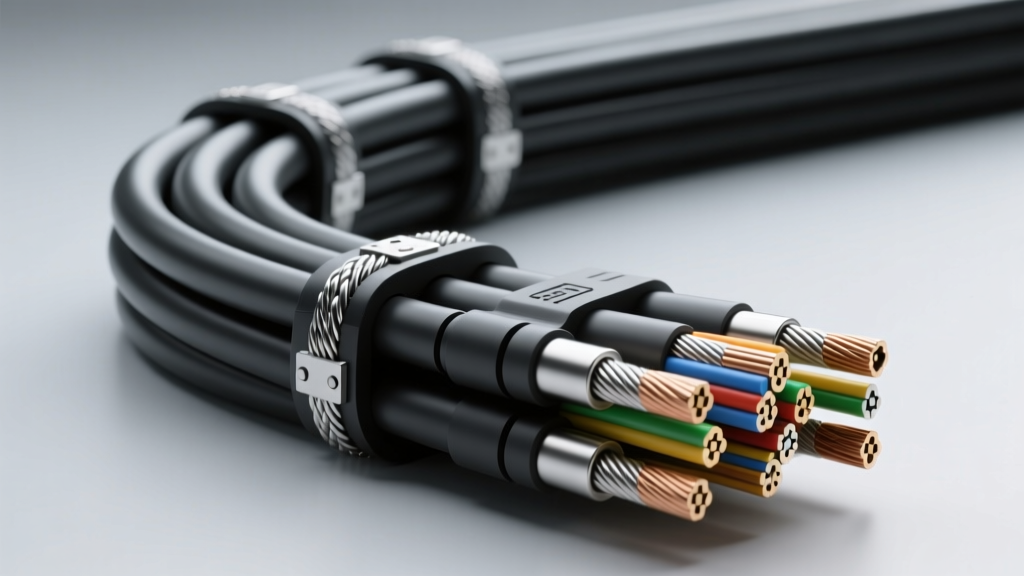
Types of Electric Cigarette Power Connectors
A reliable power connector is essential for the performance, safety, and convenience of any vaping device. These connectors ensure stable electrical contact, efficient charging, and compatibility between batteries, cartridges, and charging sources. With the evolution of vaping technology, several types of connectors have emerged—each with unique benefits and use cases. Choosing the right one can enhance your vaping experience, reduce downtime, and extend device longevity.
USB Type-C
The modern standard for fast, efficient, and reversible charging in advanced vaping devices.
Advantages
- Reversible plug design for easy use
- Supports fast charging (up to 1000 mA or higher)
- High durability and broad device compatibility
- Future-proofed across smartphones, tablets, and vapes
Limitations
- Limited adoption in budget or older vape models
- Requires specific cables (though widely available)
Best for: Modern pod systems, high-end vapes, users prioritizing fast charging
510 Thread Connector
The industry-standard screw-on connection for vape batteries and cartridges.
Advantages
- Universal compatibility with most cartridges and tanks
- Secure threaded connection prevents disconnection
- Widely supported across brands and price ranges
- Allows for easy coil and tank swaps
Limitations
- Threading can wear out or cross-thread over time
- Voltage output varies between devices (affects performance)
- Not all 510 batteries support variable wattage or temperature control
Best for: Vape pens, refillable tanks, CBD/THC cartridge users
Magnetic Connectors
Modern, user-friendly connections that use magnets for quick attachment and detachment.
Advantages
- Tool-free, instant connection and disconnection
- Reduces wear and tear on device ports
- Convenient for on-the-go use
- Used in sleek, compact designs (e.g., JUUL, Geekvape AIO)
Limitations
- Potential for weaker electrical contact over time
- Less common, limited third-party accessory support
- May disconnect if exposed to strong movement
Best for: Pod systems, lifestyle vapes, frequent travelers
Micro USB
A legacy charging standard still found in older or budget-friendly vaping devices.
Advantages
- Widely available and inexpensive cables
- Compatible with older power banks and computers
- Adequate charging speed for low-to-mid power devices
Limitations
- Non-reversible—can be frustrating to plug in
- Slower charging compared to USB-C
- Prone to port damage from repeated use
- Being phased out in favor of newer standards
Best for: Entry-level vapes, older models, users with existing Micro USB cables
Built-in Proprietary Connectors
Custom-designed ports exclusive to specific brands or product lines.
Advantages
- Optimized for device-specific performance and safety
- Enables smart features like firmware updates and battery monitoring
- Often supports rapid or temperature-regulated charging
- Enhances water and dust resistance in sealed designs
Limitations
- Limited to brand-specific chargers and accessories
- Higher replacement cost if charger is lost or damaged
- Reduced flexibility and third-party compatibility
Best for: High-tech vaping systems, closed pod devices, brand-loyal users
| Connector Type | Charging Speed | Durability | Compatibility | Best Use Case |
|---|---|---|---|---|
| USB Type-C | Fast | High | Universal (modern devices) | High-performance vapes, daily convenience |
| 510 Thread | N/A (battery-cartridge) | Medium | Very High | Cartridge-based systems, DIY setups |
| Magnetic | Medium to Fast | Medium | Low to Medium | Pocket-friendly pod systems |
| Micro USB | Medium | Medium | High (legacy support) | Budget or older vape models |
| Proprietary | Varies (often optimized) | High (device-specific) | Low (brand-exclusive) | Advanced or sealed vaping systems |
Expert Tip: Always use the manufacturer-recommended charger and cable. Using incompatible or low-quality charging accessories can lead to slow charging, port damage, or even battery safety risks—especially in devices with proprietary or high-speed charging systems.
Final Note: As vaping technology advances, USB Type-C and magnetic connectors are becoming increasingly dominant due to their convenience and performance. However, the 510 thread remains a staple for cartridge-based systems. When choosing a vape, consider not only the connector type but also long-term availability of accessories, charging speed, and your personal usage habits.
Industrial Applications of Electric Cigarette Power Connectors
The electric cigarette (e-cigarette) power connector—commonly known as a 510-thread or similar barrel-style connector—was originally designed for vaping devices. However, its compact size, reliable electrical contact, and widespread compatibility have led to its adoption across numerous industrial and commercial sectors. These connectors are ideal for portable, battery-powered devices that require efficient, standardized charging solutions without the need for frequent battery replacement.
Due to their durability, ease of integration, and support for both power delivery and data transfer (in enhanced versions), e-cigarette-style connectors are now used in a wide range of mobile and field-deployable equipment. Below is an in-depth exploration of key industries leveraging this technology.
Pharmaceuticals: Powering Portable Inhalation Therapy
Smart Inhalers & Medication Delivery
In the pharmaceutical industry, precision drug delivery is critical. Modern inhalers and nebulizers increasingly use rechargeable batteries with e-cigarette-style connectors to enable convenient, on-the-go treatment for patients with respiratory conditions such as asthma or COPD.
These connectors allow for seamless integration into compact medical devices, supporting consistent charging cycles and reducing reliance on disposable batteries. Their standardized design also simplifies manufacturing and maintenance across global supply chains.
Benefits for Patient Compliance
Devices equipped with familiar, easy-to-use charging systems improve patient adherence. The widespread availability of compatible chargers means users can recharge their medical devices at home, in clinics, or while traveling—enhancing accessibility and reliability of treatment.
Additionally, some smart inhalers incorporate sensors and connectivity features powered through these connectors, enabling dose tracking and usage analytics via mobile apps.
Consumer Electronics: Enabling Compact Wearables and Devices
Many small consumer electronics leverage e-cigarette-style connectors due to their low profile and high-efficiency power transfer. These include:
The use of tubing or flexible housings allows for smooth integration into sleek product designs, minimizing bulk while maintaining reliable electrical contact.
Medical Devices: Mobility and Reliability in Critical Care
Portable Nebulizers & Respiratory Equipment
Emergency and home-care nebulizers often rely on rechargeable batteries connected via e-cigarette-style ports. This enables healthcare providers and patients to administer aerosolized medication anywhere—without access to wall outlets.
The connector's secure fit prevents accidental disconnection during use, which is crucial in high-stress or mobile environments like ambulances or disaster zones.
Durability and Infection Control
Many medical-grade versions are sealed against moisture and dust (IP-rated), making them suitable for repeated cleaning and disinfection. This ensures compliance with hygiene standards in clinical settings while maintaining long-term functionality.
Petrochemical & Chemical Industry: Safe Power in Hazardous Zones
In explosive or flammable environments, traditional connectors pose risks due to sparking or overheating. However, modified versions of e-cigarette-style connectors are being used in intrinsically safe tools and sensors because of their:
These features make them suitable for powering handheld gas detectors, leak testers, and diagnostic tools used in refineries, chemical plants, and offshore platforms.
Utilities & Telecommunications: Off-Grid Power for Field Operations
Field technicians in utility and telecom industries often work in remote locations with limited access to power. E-cigarette-style connectors are integrated into:
- Portable Test Equipment: Signal analyzers, line testers, and network diagnostics tools.
- Backup Communication Systems: Satellite phones, emergency radios, and mesh network nodes.
- Solar-Charged Toolkits: Integrated with solar panels and battery packs for sustainable off-grid operation.
Their compatibility with universal charging modules allows for multi-device support using a single power source, improving efficiency and reducing logistical complexity.
Travel & Hospitality: Guest-Focused Charging Solutions
Hotels, airlines, and cruise lines are incorporating universal charging stations that support multiple connector types—including e-cigarette-style ports—alongside USB-A, USB-C, and wireless charging pads.
These systems enhance guest convenience by allowing travelers to charge personal health devices, vapes, or compact electronics directly from bedside units, lounge furniture, or seat consoles. Integration with USB Type-C ensures backward compatibility and future-proofing.
Emergency Services: Mission-Critical Device Reliability
First Responder Equipment
Firefighters, paramedics, and search-and-rescue teams depend on reliable power for communication radios, thermal imaging cameras, and life-support devices. E-cigarette-style connectors are used in compact, ruggedized gear where quick recharging and durability are essential.
Rapid Deployment Advantages
Standardized connectors allow for interchangeable battery packs and chargers across departments and agencies. This modularity speeds up response times and reduces equipment downtime during prolonged operations.
| Industry | Primary Use Case | Key Benefits |
|---|---|---|
| Pharmaceuticals | Smart inhalers, portable nebulizers | Patient-friendly charging, improved compliance, compact design |
| Consumer Electronics | Wearables, IoT sensors, mini-audio | Miniaturization, seamless integration, low power draw |
| Medical Devices | Portable respiratory therapy | Mobility, reliability, infection-resistant sealing |
| Petrochemical/Chemical | Intrinsically safe tools, gas detectors | Explosion resistance, durability, low voltage safety |
| Utilities & Telecom | Field testing, backup comms | Off-grid operation, universal compatibility |
| Travel & Hospitality | Guest charging stations | Convenience, multi-device support, USB-C integration |
| Emergency Services | Medical & comms devices | Rapid recharging, ruggedness, modular design |
Important Note: While e-cigarette-style connectors offer versatility, their use in industrial applications requires careful engineering. Modifications for waterproofing, voltage regulation, and safety certification (e.g., UL, ATEX, or IECEx) are essential when deploying in medical, hazardous, or mission-critical environments. Always ensure compliance with relevant industry standards before integration.
Product Specification & Maintenance
A reliable and consistent electrical connection between the battery and atomizer is crucial for optimal performance in any vaping device. A poor connection can lead to fluctuating power delivery, inconsistent vapor production, reduced flavor, and even device failure. Understanding the technical specifications of e-cigarette power connectors and implementing proper maintenance practices are essential for maximizing the lifespan and efficiency of your vaping system.
Whether you're a casual user or a dedicated enthusiast, paying attention to connector quality and care ensures a smoother, safer, and more enjoyable vaping experience. Below is a detailed breakdown of key specifications and essential maintenance tips to help you get the most out of your device.
Key Connector Specifications
The performance and durability of an e-cigarette's power connector are determined by several critical design and material factors. Choosing the right connector type and understanding its construction can significantly impact your device’s reliability and vapor quality.
Thread Type & Interface
The most common connector thread standards are 510 and 810, which refer to the diameter and number of threads on the connection point. The 510 thread is the industry standard, compatible with most tanks and mods, while the 810 (often used in drip tips or larger tanks) provides a wider bore for enhanced airflow.
- More threads generally mean a tighter, more secure fit, reducing the risk of wobbling or disconnection
- A secure thread interface minimizes leaks and ensures stable electrical contact
- Adapters are available for cross-compatibility between 510 and other thread types
Note: Always ensure thread compatibility before attaching tanks to mods to prevent cross-threading and damage.
Material Composition
The materials used in the connector directly affect conductivity, durability, and resistance to corrosion. Common materials include brass, stainless steel, and gold-plated finishes.
- Brass: Offers excellent electrical conductivity and is widely used in high-performance connectors
- Stainless Steel: More durable and corrosion-resistant but slightly less conductive than brass
- Gold Plating: Applied over brass or copper to prevent oxidation, maintain conductivity, and reduce resistance over time
Pro tip: Gold-plated connectors are ideal for frequent users as they resist tarnishing and maintain strong connections longer.
Inner Diameter & Airflow
The inner diameter of the connector influences both airflow and vapor production. Larger diameters allow for increased air intake, which supports higher wattage and denser vapor clouds.
- Wider bores (e.g., 810 or RDA-style connectors) enhance airflow and cooling for sub-ohm and direct-to-lung vaping
- Narrower diameters are typical in mouth-to-lung (MTL) devices, offering tighter draw control
- Proper alignment between the connector and tank ensures unobstructed airflow and efficient power transfer
Performance insight: A larger inner diameter paired with high-conductivity materials delivers a more responsive and powerful vaping experience.
Pin Design & Electrical Safety
The center pin is a critical component that transfers power from the battery to the atomizer. Its design impacts current flow, connection stability, and short-circuit prevention.
- Adjustable (spring-loaded) pins: Self-adjust to different tank heights, ensuring consistent contact
- Notched or grooved pins: Reduce the risk of short circuits by preventing direct contact with the tank’s outer sleeve
- Multi-pin or split-tip designs: Improve current distribution and connection stability
- High-quality pins are often made from copper or brass with gold plating for optimal conductivity
Safety note: Damaged or recessed pins can cause intermittent firing or device malfunction—inspect regularly.
Essential Maintenance Tips
Regular maintenance of your e-cigarette’s power connector not only extends the life of your device but also ensures consistent performance and safety. Dirt, e-liquid residue, and wear can degrade connectivity over time.
Maintenance Best Practice: Clean your connector every 1–2 weeks, or more frequently if you change tanks often or notice performance issues like flickering or weak hits.
- Keep It Clean: Residue buildup from e-liquids or dust can insulate the connection, reducing conductivity. Use a cotton swab lightly dampened with isopropyl alcohol (70% or higher) to gently clean the threading and center pin. Allow it to dry completely before reassembling.
- Check for Wear and Tear: Inspect the connector for signs of damage such as bent pins, stripped threads, or corrosion. A loose or wobbly connection often indicates worn threading. If damage is present, replace the component to avoid further issues.
- Ensure Compatibility: Always use compatible tanks, batteries, and chargers. Mismatched components can lead to improper voltage delivery, overheating, or physical damage. Stick to reputable brands and avoid mixing unknown third-party parts.
- Avoid Overcharging: While most modern devices have built-in overcharge protection, it's still wise to unplug your device once fully charged. Prolonged charging can generate excess heat, which may degrade the connector and internal circuitry over time.
- Handle with Care: Screw tanks on gently to avoid cross-threading. Forcing a connection can strip threads or damage the pin, leading to costly repairs or device failure.
Additional Considerations
- Oxidation Prevention: Store your device upright and in a dry place to minimize moisture exposure, which can accelerate metal oxidation.
- Conductivity Testing: If experiencing weak performance, try a different tank or battery to isolate whether the issue lies with the connector.
- Upgrades: Consider upgrading to devices with enhanced connectors (e.g., APV, SS, or gold-plated) for better longevity and performance.
- Eco-Friendly Care: Use reusable microfiber cloths instead of disposable swabs for routine cleaning to reduce waste.
Expert Recommendation: For optimal performance, pair regular cleaning with periodic inspection of all connection points. Investing in high-quality, well-engineered connectors may cost more upfront but pays off in reliability, safety, and long-term savings by reducing the need for replacements.
Quality & Testing Measures for Electrical Connectors in Electronic Cigarettes
Ensuring the safety, reliability, and performance of electrical connectors in electronic cigarettes (e-cigarettes) is critical, particularly due to their use in personal, portable, and often high-usage environments. Given the potential risks—including electrical hazards, overheating, and device failure—rigorous quality assurance and testing protocols must be implemented during design, manufacturing, and post-production phases. The following comprehensive testing framework aligns with industry best practices and international standards to ensure connector integrity and user safety.
Important Note: The term "cigars" appears to be a misstatement. This guide refers to electrical connectors in e-cigarettes (vape devices), not actual cigars. Misunderstanding this distinction could lead to incorrect technical or safety assumptions.
Safety Standards Compliance Testing
To ensure electrical and operational safety, e-cigarette connectors must comply with globally recognized quality assurance standards such as IEC (International Electrotechnical Commission) and RoHS (Restriction of Hazardous Substances). These standards govern material safety, electrical insulation, current carrying capacity, and thermal management. Compliance helps prevent critical hazards including electric shock, short circuits, battery thermal runaway, and fire risks. Regulatory requirements vary by region—for example, CE marking in Europe, FCC regulations in the U.S., and KC certification in South Korea—making multi-market compliance essential for manufacturers.
Environmental Stress Testing
E-cigarette connectors are exposed to diverse environmental conditions during daily use, including extreme temperatures, humidity, and altitude variations. Environmental testing simulates these real-world challenges using specialized equipment such as:
- Climate Chambers: Test performance under temperature extremes (e.g., -20°C to 60°C) and high humidity (up to 95% RH)
- Thermal Cycling: Repeated heating and cooling to assess material fatigue and connection stability
- Salt Spray Testing: Evaluates corrosion resistance, especially important for devices used in coastal or humid climates
- Altitude Simulation: Ensures reliable operation at high elevations where air pressure and cooling efficiency differ
These tests verify that connectors maintain conductivity and structural integrity across a wide range of operating environments, such as those encountered by outdoor users or travelers.
Mechanical Stress & Endurance Testing
Connectors undergo repeated plugging, unplugging, and physical stress during normal use. Mechanical testing evaluates long-term durability through:
- Tensile Testing: Measures resistance to pulling forces on cables and connections
- Bend and Torsion Testing: Simulates twisting and flexing of charging cables and ports
- Vibration and Shock Testing: Replicates impacts from drops or transportation, ensuring no internal disconnection or solder joint failure
- Insertion/Extraction Force Testing: Validates that mating cycles (typically 5,000–10,000+) do not degrade contact quality
These assessments are crucial for maintaining consistent electrical contact and preventing intermittent power delivery.
Water and Dust Resistance (Ingress Protection)
Given the portable nature of e-cigarettes, many are used in environments where exposure to moisture, sweat, or dust is likely. Ingress Protection (IP) ratings, such as IP67 (dust-tight and water-resistant up to 1 meter for 30 minutes), are determined through standardized tests:
- Dust Chamber Testing: Ensures no particulate ingress under vacuum conditions
- Water Jet and Immersion Testing: Validates sealing effectiveness against splashes, jets, or temporary submersion
Proper sealing protects internal circuitry and prevents corrosion or short circuits, enhancing device longevity and user safety.
Electrical Compatibility & Signal Integrity Testing
Connectors must be compatible with various charging systems, power sources, and proprietary firmware. Incompatibility can lead to:
- Inconsistent or slow charging
- Overvoltage or overcurrent conditions
- Data communication errors (in smart devices)
- Premature battery degradation
Testing includes load regulation, voltage drop analysis, and interoperability checks across different chargers and cables. For USB-C or magnetic connectors, compliance with USB-IF or manufacturer-specific protocols is essential.
Complete System Integration & Performance Testing
Connectors do not operate in isolation—they are part of a larger system involving batteries, PCBs, heating elements, and sensors. Integration testing evaluates:
- Power Efficiency: Measures energy loss at the connector interface
- Thermal Performance: Monitors for overheating during charging or high-power operation
- Vapor Quality Consistency: Assesses whether connector resistance or voltage fluctuations affect coil performance and vapor output
- Battery Management: Ensures stable charge/discharge cycles without voltage spikes or drops
- EMI/RFI Shielding: Prevents electromagnetic interference that could disrupt device electronics
This holistic approach ensures that the connector contributes positively to overall device performance and user experience.
| Test Category | Purpose | Common Standards | Testing Equipment |
|---|---|---|---|
| Safety Compliance | Prevent electric shock, fire, and chemical hazards | IEC 60335, RoHS, UL 60950 | Insulation tester, multimeter, chemical analyzer |
| Environmental | Ensure operation in extreme climates | IEC 60068-2, MIL-STD-810 | Climate chamber, salt spray tester |
| Mechanical Durability | Validate long-term physical reliability | IEC 60512, USB-IF | Tensile tester, vibration table, cycle counter |
| Ingress Protection | Protect against water and dust | IP Code (IEC 60529) | Dust chamber, water test rig |
| System Integration | Ensure seamless device performance | Proprietary OEM specs | Data logger, thermal camera, battery analyzer |
Expert Tip: Implement a Failure Mode and Effects Analysis (FMEA) during the design phase to proactively identify potential connector failures. This predictive approach helps prioritize testing focus and improve product robustness before mass production.
Frequently Asked Questions (FAQs)
The following are common questions regarding electrical connectors in e-cigarettes:
- Why is IP rating important for vape devices? It ensures protection against moisture and dust, which can damage internal electronics and pose safety risks.
- Can using non-original chargers damage the connector? Yes—mismatched voltage, poor-quality cables, or incompatible connectors can cause overheating or wear.
- How often should connectors be tested in production? Regular batch testing (e.g., 1–5% sample rate) and full validation after any design change are recommended.
- What causes connector corrosion in e-cigarettes? Exposure to saliva, e-liquid residue, or high humidity without proper sealing can lead to corrosion over time.
- Are magnetic connectors more reliable? They offer convenience and reduced mechanical wear but require careful design to maintain consistent electrical contact.
Robust quality and testing measures are not optional—they are essential for ensuring the safety, longevity, and performance of e-cigarette devices. Manufacturers must adopt a comprehensive, standards-driven approach to connector testing that spans mechanical, environmental, electrical, and system-level evaluations. By doing so, they protect consumers, comply with regulations, and build trust in their products.
Frequently Asked Questions About Electric Cigarette Power Connectors
Q1: How does one maintain an electric cigarette power connector?Proper maintenance of an electric cigarette power connector is essential for ensuring consistent performance, longevity, and safety. To keep the connector in optimal condition, follow these best practices:
- Regular Cleaning: Use a dry cotton swab or a soft brush to gently remove dust, lint, and residue from the connector. For stubborn debris, lightly dampen the swab with isopropyl alcohol (70% or higher), but ensure the device is powered off and fully dry before use.
- Inspect for Damage: Check for bent pins, corrosion, or loose connections. Any visible damage can impair charging efficiency and may require professional repair or replacement.
- Use Compatible Chargers: Always pair your device with a charger that matches its voltage and current requirements. Incompatible chargers can cause overheating, reduced battery life, or connector damage.
- Avoid Overcharging: Disconnect the device once fully charged. Prolonged charging can degrade both the battery and the connector over time.
- Handle with Care: Insert and remove the charging cable gently to avoid wear on the port. Avoid forcing connectors or using excessive pressure.
By following these steps, users can significantly extend the lifespan of their e-cigarette's power connector and ensure reliable daily performance.
Q2: What are the common types of electric cigarette power connectors?Electric cigarette devices utilize various power connector types, each offering different advantages in terms of convenience, durability, and compatibility. The most widely used types include:
- USB Type-C: The modern standard for many vaping devices due to its reversible design, fast charging capabilities, and robust build. It supports higher power delivery and is increasingly found in premium models.
- 510 Thread Connector: A universal screw-type connection primarily used for attaching batteries to atomizers or tanks. While not a charging port itself, it plays a crucial role in overall device connectivity and compatibility across brands.
- Magnetic Connectors: Offer tool-free, snap-on charging with ease of use and improved water resistance. These are popular in compact and pod-based systems but may be less durable under frequent use.
- Micro USB: An older standard still present in budget or legacy devices. Though less durable and slower than USB-C, it remains widely accessible.
- Proprietary Connectors: Custom-designed ports used by specific brands to ensure compatibility only with original accessories. These often come with dedicated charging docks or cables.
When selecting or replacing a device, consider the connector type’s availability, charging speed, and long-term reliability.
Q3: How do power connectors for electric cigarettes apply in other industries?The compact, efficient, and portable nature of e-cigarette power connectors has inspired applications across various industries where small-scale, reliable power delivery is crucial. These connectors are now being adapted for use in:
- Inhalers and Nebulizers: Medical-grade inhalation devices use similar magnetic or micro-USB connectors for discreet, user-friendly charging in portable respiratory treatments.
- Portable Medical Equipment: Devices like glucose monitors, wearable sensors, and handheld diagnostics benefit from the small footprint and low-power efficiency of vaping-style connectors.
- Mobile Gadgets: Compact electronics such as Bluetooth earbuds, smart pens, and mini flashlights often employ magnetic or USB-C connectors derived from e-cigarette designs.
- Hand Tools and Mini Devices: Small rechargeable tools like precision screwdrivers or LED inspection lights use similar interfaces for lightweight, modular power solutions.
- Hotel and Travel Services: Some hospitality providers offer rental vaping devices with standardized connectors, enabling guests to charge using common cables, improving convenience and reducing waste.
- Emergency and Field Equipment: First responders and field technicians use ruggedized versions of these connectors in compact communication or monitoring devices due to their quick-connect capability and portability.
This cross-industry adoption highlights the versatility and engineering efficiency of e-cigarette power systems, particularly in applications requiring miniaturization and ease of use.
Q4: What is the importance of gold plating in electric cigarette power connectors?Gold plating plays a critical role in enhancing the performance and durability of electric cigarette power connectors. While more expensive than alternatives, its benefits make it a preferred choice in high-quality devices:
- Superior Conductivity: Gold is an excellent electrical conductor, ensuring minimal resistance and efficient power transfer between the charger and the device.
- Oxidation Resistance: Unlike copper or nickel, gold does not tarnish or corrode when exposed to air or moisture. This prevents buildup that can interfere with charging.
- Durability: Gold-plated contacts withstand repeated plugging and unplugging without significant wear, maintaining a secure connection over time.
- Reliability in Harsh Conditions: Even in humid or high-temperature environments, gold-plated connectors maintain stable performance, reducing the risk of intermittent charging issues.
- Long-Term Cost Efficiency: While initially more costly, gold plating reduces maintenance needs and extends the device’s usable life, offering better value over time.
Many premium e-cigarettes feature gold-plated contacts to ensure consistent charging, reduce heat generation, and improve overall user experience.
Q5: What are the specifications of electric cigarette power connectors?The performance and compatibility of an electric cigarette power connector depend on several key technical specifications. Understanding these helps in selecting the right device or replacement part:
| Specification | Description | Common Values/Types |
|---|---|---|
| Connector Interface | The physical and electrical standard used (e.g., USB, magnetic, threaded). | USB-C, Micro USB, 510 thread, magnetic, proprietary |
| Material Composition | Metals and insulating materials used in construction. | Stainless steel housing, brass or phosphor bronze contacts, gold plating |
| Inner Diameter (for 510 threads) | Standardized size for compatibility with tanks and cartridges. | Approx. 8.5–9 mm (standard 510 thread) |
| Pin Design & Configuration | Number, arrangement, and function of contact points. | Single-center pin (510), dual-pin (magnetic), multi-pin (USB-C) |
| Voltage & Current Rating | Electrical load the connector can safely handle. | 5V / 1A (standard), up to 5V / 2.4A (fast charging) |
| Durability (Insertion Cycles) | Lifespan measured by number of plug-in/plug-out cycles. | 1,000–10,000 cycles depending on quality |
When evaluating or replacing a power connector, always refer to the manufacturer’s specifications to ensure compatibility, safety, and optimal charging performance.