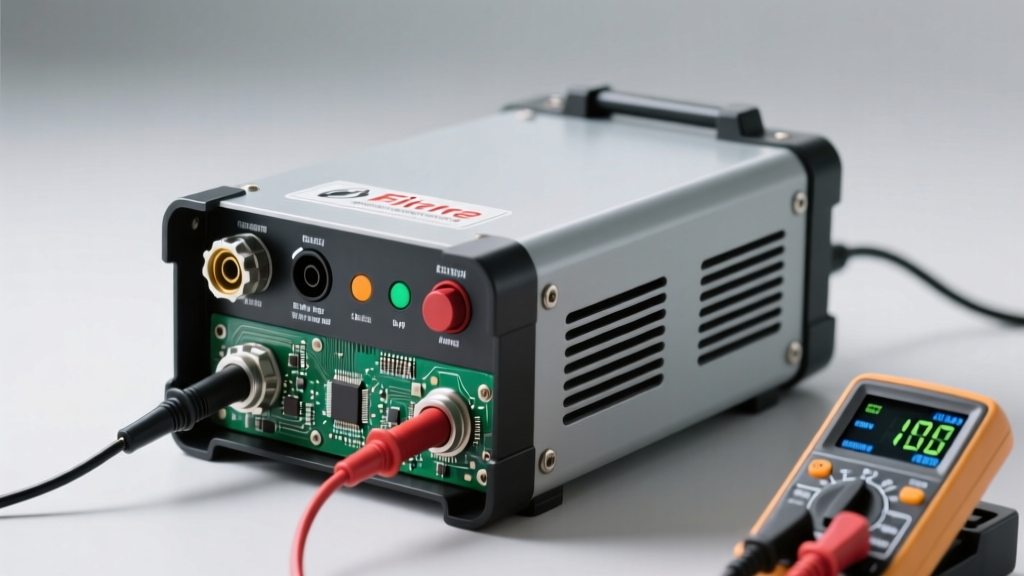
Types of Cross-Road Switches
A cross-road switch is an essential electrical component used to manage power distribution, ensure system safety, and prevent overloading in electrical networks. These switches are widely used in industrial, commercial, and utility applications to redirect power flow, isolate circuits, and maintain operational continuity. Understanding the different types of cross-road switches helps in selecting the right one for specific electrical requirements.
Manual Cross-Road Switches
Operated physically via a lever or handle, manual cross-road switches require direct human intervention to change circuit connections.
Advantages
- High reliability with minimal failure points
- No need for external power or control systems
- Durable construction for long-term use
- Cost-effective for small-scale installations
Limitations
- Requires on-site personnel for operation
- Slower response time during emergencies
- Not suitable for remote or automated systems
Best for: Small electrical networks, backup systems, and facilities with limited automation needs
Automated Cross-Road Switches
These switches are electronically controlled and can be activated remotely through SCADA systems, PLCs, or smart grid interfaces.
Advantages
- Remote operation capability
- Faster switching during faults or load changes
- Integration with monitoring and control systems
- Ideal for large or distributed power networks
Limitations
- Higher initial investment
- Dependent on control power and communication systems
- More complex maintenance requirements
Best for: Smart grids, industrial plants, and remote power distribution systems
Single-Phase & Three-Phase Switches
Designed based on the type of electrical system—single-phase switches are used in lighter-duty applications, while three-phase switches handle higher power loads typical in industrial settings.
Advantages
- Single-phase: Simpler design, ideal for residential or small commercial use
- Three-phase: Higher efficiency, balanced load distribution
- Improved power stability and reduced energy loss
- Scalable for different voltage and current levels
Limitations
- Three-phase switches are bulkier and more expensive
- Single-phase not suitable for heavy machinery
- Requires proper phase synchronization during switching
Best for: Single-phase: Offices, homes; Three-phase: Factories, data centers, large facilities
Socket & Panel Mount Switches
Distinguished by their installation method—socket-mounted switches plug into a base, while panel-mounted versions are fixed directly onto control panels or enclosures.
Advantages
- Socket type allows for quick replacement and modularity
- Panel mount offers secure, permanent installation
- Both support easy integration into existing systems
- Versatile for retrofitting or new installations
Limitations
- Socket types may loosen over time due to vibration
- Panel mounts require precise drilling and alignment
- Limited interchangeability between brands
Best for: Socket: Temporary setups, test systems; Panel: Permanent control boards, industrial panels
Double Throw Cross-Road Switches
Also known as transfer switches, these allow a single input source to be connected to two separate output circuits. They are commonly used in redundancy setups and dual-power supply systems.
Advantages
- Enables seamless switching between primary and backup power sources
- Supports load sharing and circuit redundancy
- Critical for uninterrupted power supply (UPS) systems
- Prevents backfeeding when properly interlocked
Limitations
- More complex wiring and configuration
- Requires careful timing to avoid power gaps
- Higher cost compared to single-throw variants
Best for: Emergency power systems, hospitals, data centers, and critical infrastructure
| Type | Operation | Application | Reliability | Automation Ready |
|---|---|---|---|---|
| Manual | Human-operated (lever/handle) | Small networks, backup systems | High | No |
| Automated | Electronic/remote control | Smart grids, industrial plants | Very High | Yes |
| Single/Three-Phase | Depends on system phase | Residential to industrial power | High | Optional |
| Socket/Panel Mount | Installation-dependent | Modular or fixed installations | Medium to High | Yes (with controls) |
| Double Throw | Input to dual outputs | Redundancy, backup power | Very High | Yes (in automated versions) |
Expert Tip: When selecting a cross-road switch, always consider the load type, environmental conditions, and whether future automation integration is planned. Properly rated switches prevent overheating and ensure long-term system safety.
Material and Durability of Cross-Road Switches
For buyers to be satisfied, they must understand the materials used in cross-road switches and how these contribute to long-term durability and performance. These switches are critical components in electrical and mechanical systems, especially in outdoor, industrial, or high-traffic environments. The right combination of materials ensures resistance to environmental stress, mechanical wear, and electrical degradation. Below is a detailed breakdown of the key factors that determine the strength and longevity of cross-road switches.
Core Material Selection and Performance
Sturdy Construction Materials
Cross-road switches are typically constructed from high-grade metals such as stainless steel and brass, chosen for their exceptional durability in demanding applications. Stainless steel offers superior corrosion resistance, making it ideal for installations in coastal areas, humid climates, or locations exposed to road salts and moisture. Its high tensile strength also resists deformation under mechanical stress.
Brass, on the other hand, is valued for its excellent electrical conductivity and wear resistance. It maintains stable performance over time, even with frequent operation, and naturally resists galvanic corrosion when paired with other metals. This makes brass a preferred choice for switch housings and contact carriers in both indoor and protected outdoor settings.
Internal Component Quality
The internal contacts are among the most critical components of a cross-road switch. High-performance models use copper or silver alloy contacts due to their superior conductivity and resistance to arcing and pitting. Copper provides excellent current-carrying capacity, while silver alloys (such as silver-cadmium oxide or silver-tin oxide) enhance durability under high-load switching conditions.
These materials minimize contact resistance, reduce heat buildup, and extend service life. Switches with premium internal contacts require less frequent maintenance, deliver consistent electrical performance, and are less prone to failure during peak load operations—making them ideal for industrial automation, railway signaling, and traffic control systems.
Environmental and Operational Resilience
Heat Resistance
Cross-road switches often operate under significant thermal stress due to high electrical currents and ambient temperature fluctuations. To prevent overheating, melting, or fire hazards, manufacturers incorporate heat-resistant materials such as ceramics, thermoset plastics, and high-temperature alloys in critical areas like arc chutes and insulating barriers.
Ceramic components, in particular, offer excellent thermal stability and electrical insulation, maintaining structural integrity even at temperatures exceeding 500°C. This ensures safe operation during fault conditions and prevents premature degradation of internal parts, contributing to long-term reliability.
Water and Dust Ingress Protection
Outdoor and industrial-grade switches are engineered with robust IP (Ingress Protection) ratings, typically ranging from IP65 to IP68, to guard against water, dust, and debris. Sealing mechanisms such as rubber gaskets, silicone seals, and epoxy resin encapsulation prevent contaminants from entering the switch housing.
This protection is essential for maintaining electrical continuity and preventing short circuits, especially in environments exposed to rain, snow, dirt, or industrial particulates. Fully sealed designs also inhibit moisture accumulation that could lead to internal corrosion or insulation breakdown over time.
Corrosion Resistance
Corrosion is a major threat to switches installed in harsh environments. Cross-road switches designed for outdoor use often feature anti-corrosive coatings, passivated surfaces, or marine-grade alloys to resist rust and chemical degradation. Stainless steel housings, nickel plating, and UV-stabilized polymers protect against moisture, salt spray, and prolonged sun exposure.
These features ensure that the switch remains functional and safe over extended periods, even in coastal regions, underground installations, or areas with extreme temperature swings. Corrosion-resistant construction also reduces maintenance costs and downtime.
Reinforced Mechanical Design
Beyond material quality, the mechanical design plays a crucial role in durability. Switches used in high-traffic or heavy machinery applications are built with reinforced housings, impact-resistant casings, and ergonomic, wear-resistant actuators (such as levers or push buttons).
These design elements help withstand repeated operation, physical impacts, and vibration. For example, a sturdier handle reduces fatigue on internal linkages, while a rigid frame prevents misalignment and ensures consistent contact engagement. This mechanical robustness is essential for applications in transportation systems, construction equipment, and public infrastructure.
| Feature | Key Materials | Benefits |
|---|---|---|
| Structural Housing | Stainless Steel, Brass | High strength, corrosion resistance, long service life |
| Electrical Contacts | Copper, Silver Alloys | Low resistance, high conductivity, arc resistance |
| Insulation & Heat Barriers | Ceramics, Thermoset Plastics | Thermal stability, electrical isolation, fire resistance |
| Environmental Sealing | Rubber Gaskets, Epoxy Resin | IP65+ protection, dust/water resistance |
| Surface Protection | Nickel Plating, UV-Stabilized Coatings | Prevents oxidation, UV damage, and weathering |
Best Practices for Ensuring Longevity
Important: Never install a cross-road switch in an environment exceeding its rated specifications. Exposure to excessive heat, moisture, or mechanical stress without proper protection can lead to premature failure, electrical hazards, or system downtime. Always consult technical datasheets and follow installation guidelines to ensure optimal performance and safety.
Commercial Use of Cross-Road Switches
Cross-road switches—also known as transfer or changeover switches—are essential components in commercial electrical systems due to their reliability, durability, and ability to seamlessly manage power distribution. These switches allow for the automatic or manual transfer of electrical loads between primary and backup power sources, ensuring uninterrupted operations in mission-critical environments. Their versatility makes them ideal across a wide range of industries where power continuity, safety, and system redundancy are paramount.
Data Centers
Data centers demand uninterrupted power to maintain server uptime, network connectivity, and data integrity. Cross-road switches play a vital role in managing dual power feeds and enabling seamless transitions between primary utility power and backup generators or UPS systems.
- Support high-load environments with stable, fail-safe switching mechanisms
- Enable load shedding and phased reconnection during power restoration
- Integrate with monitoring systems for real-time status alerts and remote operation
- Ensure N+1 or 2N redundancy configurations meet Tier III/IV standards
Key benefit: Minimizes downtime during grid failures or maintenance windows
Manufacturing Plants
In industrial settings, continuous operation of machinery is crucial to productivity. Three-phase cross-road switches are widely used to support heavy-duty motors, conveyor systems, and automated production lines.
- Facilitate safe power transfer during planned maintenance without halting operations
- Protect sensitive equipment from phase imbalances and voltage fluctuations
- Support integration with SCADA and PLC systems for automated control
- Reduce equipment wear by preventing abrupt power interruptions
Operational advantage: Lowers production downtime and improves equipment lifespan
Commercial Buildings
Large office complexes, shopping malls, and mixed-use facilities use panel-style cross-road switches to manage power distribution across lighting, HVAC, elevators, and emergency systems.
- Allow flexible load management during peak demand or outages
- Automated models integrate with Building Management Systems (BMS) for intelligent energy use
- Enable selective backup powering of critical zones (e.g., security, fire systems)
- Simplify compliance with local electrical codes and safety regulations
Smart building integration: Enhances energy efficiency and occupant safety
Telecommunications Facilities
Telecom rooms and network operation centers rely on continuous power to maintain connectivity, data transmission, and customer service availability. Cross-road switches ensure seamless failover to backup sources.
- Maintain uptime for routers, switches, and fiber optic systems during grid instability
- Support redundant power architectures for 99.999% network availability
- Enable hot-swappable configurations for maintenance without service loss
- Compatible with DC and AC power systems used in telecom infrastructure
Mission-critical role: Prevents costly network outages and data loss
Hospitals and Healthcare Facilities
In healthcare environments, life-support systems, surgical suites, and patient monitoring devices cannot afford power interruptions. Cross-road switches are part of the emergency power system required by code.
- Ensure uninterrupted power to critical care units, ICUs, and operating rooms
- Comply with NFPA 99 and NEC Article 517 standards for healthcare facilities
- Work in tandem with automatic transfer switches (ATS) and generator sets
- Support fast transfer times (typically under 10 seconds) for essential circuits
Life-saving function: Maintains power to equipment where failure could endanger lives
Wind Power Plants
Wind farms use cross-road switches to manage the distribution of generated electricity from multiple turbines to the main grid or local storage systems, especially during maintenance or grid instability.
- Enable selective connection of turbine clusters to optimize output
- Support islanding operations during grid faults or repairs
- Facilitate safe isolation of sections for technician safety
- Integrate with SCADA systems for remote monitoring and control
Renewable energy advantage: Increases system flexibility and operational efficiency
Expert Insight: When specifying cross-road switches for commercial applications, consider factors such as switching speed, current rating, phase configuration (single or three-phase), and integration capabilities. Automatic Transfer Switches (ATS) are recommended for unattended facilities, while manual versions may suffice for controlled environments with on-site personnel. Always ensure compliance with local electrical codes and consider future scalability when designing the power system.
| Application | Switch Type | Key Requirement | Typical Configuration |
|---|---|---|---|
| Data Centers | Automatic Transfer Switch (ATS) | Zero downtime, fast transfer | 3-phase, 400-600A, dual redundancy |
| Manufacturing Plants | Manual or Auto Transfer Switch | High current handling, durability | 3-phase, 600V, heavy-duty enclosure |
| Commercial Buildings | Integrated BMS-Compatible Switch | Remote monitoring, energy management | Panel-mounted, 200-400A |
| Telecom Facilities | Fast-Acting ATS | High availability, low latency | Single/3-phase, N+1 setup |
| Hospitals | Certified Emergency ATS | Code compliance, life safety | NFPA 99-compliant, 10-sec max transfer |
| Wind Farms | Distribution & Isolation Switch | Remote operation, grid synchronization | Medium voltage, SCADA-integrated |
Additional Considerations for Selection
- Transfer Time: Critical applications (e.g., hospitals, data centers) require fast transfer (≤10 seconds); non-critical may allow longer delays
- Maintenance Access: Ensure switches are installed in accessible locations with proper clearance for servicing
- Environmental Protection: Use weatherproof or explosion-proof enclosures in harsh or outdoor environments
- Monitoring & Diagnostics: Advanced models offer remote alarms, event logging, and predictive maintenance alerts
- Scalability: Choose modular systems that can be expanded as facility power needs grow
How to Choose the Right Cross-Road Power Switch
Selecting the appropriate cross-road power switch is essential for ensuring safe, reliable, and efficient electrical system operation. These switches are commonly used in traffic control systems, street lighting, and infrastructure power distribution where switching between multiple power sources or routes is required. The decision involves evaluating several critical factors including operational needs, environmental conditions, spatial constraints, regulatory standards, and cost-effectiveness. This guide provides a comprehensive breakdown of each factor to help engineers, contractors, and facility managers make informed purchasing decisions.
Safety Note: Always ensure power is disconnected before installation or inspection. Use only qualified personnel for electrical work involving cross-road switches to prevent accidents and ensure compliance with local electrical codes.
Key Factors When Selecting a Cross-Road Power Switch
- Operational Conditions
The primary function of a cross-road switch determines its technical specifications. Consider the type of electrical load it will handle—whether it’s single-phase or three-phase power—and the required current and voltage ratings (e.g., 120V, 240V, 480V). Additionally, decide between manual operation (lever-actuated or key-operated) versus automated switching (motorized or solenoid-driven), especially if integration with control systems or remote operation is needed.
For example, automated switches are ideal for smart city applications where remote monitoring and failover between power sources are crucial. Ensuring the switch can handle inrush currents and continuous load without overheating is vital for long-term reliability and system efficiency.
- Environmental Conditions
Cross-road switches are often installed in outdoor or industrial environments exposed to moisture, dust, temperature extremes, and corrosive elements. Therefore, selecting a switch with an appropriate ingress protection (IP) rating—such as IP65 or IP67—is essential for dust-tight and water-resistant performance.
In coastal areas or industrial zones, corrosion-resistant materials like stainless steel or powder-coated enclosures are recommended. For extreme climates, consider switches rated for wide operating temperature ranges (e.g., -30°C to +70°C). NEMA 3R, 4, or 4X enclosures are commonly specified for outdoor durability and protection against rain, snow, and ice.
- Space Availability and Mounting Configuration
Physical space constraints significantly influence switch selection. Panel-mounted switches require adequate clearance inside control cabinets for heat dissipation and wiring access. Verify dimensions (height, width, depth) and mounting hole patterns before procurement.
Alternatively, socket-style or surface-mounted switches may be preferable in tight spaces or retrofit installations. Also, consider accessibility for routine operation, inspection, and maintenance—especially in public infrastructure where utility workers need quick and safe access without disrupting surrounding equipment.
- Regulatory Compliance and Certification Standards
Cross-road switches must comply with regional and international safety and performance standards. Common certifications include:
- IEC 60947: International standard for low-voltage switchgear and controlgear
- NEMA Standards: Widely used in North America for enclosure ratings and performance
- UL Listing: Indicates compliance with U.S. safety requirements
- CE Marking: Required for sale within the European Economic Area
Always verify that the switch meets local electrical codes (e.g., NEC in the U.S., IEC in Europe) and any industry-specific regulations (e.g., DOT for transportation infrastructure). Compliance ensures not only legal operation but also enhanced safety, reduced liability, and easier insurance approval.
- Cost vs. Quality and Long-Term Value
While initial cost is a consideration, prioritize long-term value over short-term savings. High-quality switches from reputable manufacturers typically feature durable contacts, robust mechanical design, and longer service life—reducing downtime and maintenance costs.
Low-cost switches may use inferior materials, leading to frequent failures, arcing, or contact wear, especially under heavy loads. Over time, these issues result in higher total cost of ownership due to replacements, labor, and potential system outages. Investing in a reliable, well-rated switch ensures consistent performance and minimizes lifecycle expenses.
| Selection Factor | Recommended Specifications | Common Mistakes to Avoid | Verification Tips |
|---|---|---|---|
| Operational Conditions | Match voltage/current rating; choose manual/automatic based on control needs | Overloading switch beyond rated capacity | Review load calculations and duty cycle requirements |
| Environmental Protection | IP65 or higher; NEMA 4X for harsh environments | Using indoor-rated switches outdoors | Check IP/NEMA ratings and material specs |
| Mounting & Space | Confirm panel cutout size or surface mount clearance | Ignoring wire bending radius and service access | Use installation drawings and mock-ups |
| Regulatory Compliance | UL, CE, IEC, or NEMA certification as per region | Assuming global standards are interchangeable | Request official certification documents |
| Cost vs. Quality | Balanced investment in durability and brand reputation | Choosing cheapest option without lifecycle analysis | Compare warranty, MTBF, and user reviews |
Expert Tip: When specifying cross-road switches for critical infrastructure, consider models with auxiliary contacts or status indicators. These features enable integration with SCADA systems or remote monitoring platforms, improving system visibility and enabling predictive maintenance.
Additional Selection Recommendations
- Consult with manufacturers or suppliers to confirm compatibility with existing control systems
- Request product datasheets, installation manuals, and test reports before purchase
- Ensure spare parts availability and technical support for long-term maintenance
- Label switches clearly in the field for easy identification and operational safety
- Train maintenance personnel on proper operation and lockout/tagout (LOTO) procedures
Choosing the right cross-road power switch goes beyond basic functionality—it’s about ensuring system resilience, safety, and scalability. By carefully evaluating operational demands, environmental exposure, installation logistics, compliance needs, and total cost of ownership, you can select a switch that delivers reliable performance for years. When in doubt, consult with an electrical engineer or certified electrician to validate your selection and ensure alignment with project requirements and safety standards.
Frequently Asked Questions About Crossroad Power Switches
Q1: How does one maintain crossroad power switches?Proper maintenance of crossroad power switches is essential for ensuring long-term reliability and operational safety. A comprehensive maintenance routine should include the following key steps:
- Periodic Inspections: Conduct regular visual and functional checks to identify signs of wear, overheating, or loose connections. Monthly or quarterly inspections are recommended, depending on usage intensity.
- Cleaning: Remove dust, dirt, and moisture from switch components using appropriate non-abrasive cleaners. Pay special attention to contact surfaces and ventilation areas to prevent insulation breakdown or arcing.
- Lubrication: Apply dielectric grease or manufacturer-recommended lubricants to moving mechanical parts to reduce friction and prevent corrosion, especially in outdoor or high-humidity environments.
- Electrical Contact Maintenance: Inspect contacts for pitting, erosion, or excessive wear. Replace contacts if they show significant degradation, as compromised contacts can lead to increased resistance and potential system failure.
- Seal and Gasket Integrity: Verify that all seals and gaskets are intact and properly seated. Damaged seals can allow moisture, dust, or debris to enter the enclosure, leading to short circuits or corrosion.
Following a structured maintenance schedule helps extend the lifespan of crossroad switches and ensures uninterrupted power transfer in critical applications.
Q2: What types of switches do hospitals use?Hospitals rely on advanced power transfer switches—particularly automatic transfer switches (ATS) and crossroad power switches—to maintain continuous electricity supply to life-support systems, emergency lighting, surgical suites, and critical care units. These switches play a vital role during power outages by:
- Seamless Power Transition: Automatically or manually switching the electrical load from the primary utility source to a backup generator within seconds, minimizing downtime.
- Redundancy and Reliability: Supporting redundant power pathways to ensure that even if one circuit fails, another can take over without interruption.
- Compliance with Safety Standards: Meeting strict healthcare regulations such as NFPA 99 and NEC Article 517, which mandate reliable emergency power systems in medical facilities.
- Integration with Monitoring Systems: Many hospital-grade switches are equipped with remote monitoring, alarms, and diagnostic features to allow facility managers to track switch status in real time.
Given that uninterrupted power can mean the difference between life and death in healthcare settings, hospitals prioritize high-quality, durable, and fail-safe switching solutions.
Q3: Are crossroad switches robust and durable?Yes, crossroad power switches are engineered for exceptional durability and performance under demanding conditions. Their construction is specifically designed to withstand harsh environments and heavy usage. Key features contributing to their robustness include:
- Corrosion-Resistant Materials: Housings are typically made from stainless steel or brass, offering excellent resistance to rust, moisture, and chemical exposure—ideal for outdoor or industrial installations.
- High-Conductivity Internal Components: Contacts and conductors are often made from copper or silver alloys, ensuring minimal electrical resistance and efficient power transfer.
- Mechanical Strength: Reinforced enclosures and rugged internal mechanisms allow these switches to endure frequent operation and physical stress without degradation.
- Environmental Protection: Many models come with IP65 or higher ingress protection ratings, shielding internal components from dust, water, and extreme temperatures.
Due to their resilience, crossroad switches are widely used in heavy-duty applications such as industrial plants, data centers, transportation hubs, and emergency response facilities.
Q4: Are manual crossroad switches suitable for smaller electrical systems?Absolutely. Manual crossroad switches are an excellent choice for smaller-scale electrical systems where simplicity, cost-effectiveness, and ease of operation are priorities. Advantages include:
- Simple Installation: They require minimal wiring and integration, making them ideal for retrofitting into existing setups or deploying in remote locations.
- User-Controlled Operation: Operators can manually direct power flow based on real-time needs, providing flexibility without the complexity of automation systems.
- Lower Cost: Compared to automated switches, manual versions are more affordable to purchase and maintain, making them accessible for small businesses, rural clinics, or temporary power setups.
- Reliability: With fewer electronic components, there are fewer points of failure, enhancing long-term dependability.
These switches are commonly found in small commercial buildings, agricultural operations, and backup power systems where the electrical load is manageable and does not require instantaneous transfer.
Q5: What factor should be considered first when buying a power switch?The most critical factor when selecting a crossroad power switch is understanding the **operational requirements** of your electrical system. This foundational assessment ensures compatibility, safety, and optimal performance. Key considerations include:
- System Voltage and Phase: Determine whether your system operates on single-phase or three-phase power, and ensure the switch is rated accordingly (e.g., 120V, 240V, 480V).
- Current Rating (Amperage): Choose a switch that matches or exceeds the maximum load current to prevent overheating and ensure safe operation.
- Manual vs. Automatic Operation: Decide if manual control suffices or if an automatic transfer switch (ATS) is needed for seamless failover during outages.
- Environmental Conditions: Consider installation location—indoor, outdoor, hazardous areas—and select a switch with appropriate NEMA or IP ratings.
- Future Scalability: Opt for a switch that allows for potential system expansion, avoiding premature replacement.
By prioritizing operational needs during the selection process, you ensure that the chosen switch not only meets current demands but also supports long-term efficiency, safety, and system integrity.