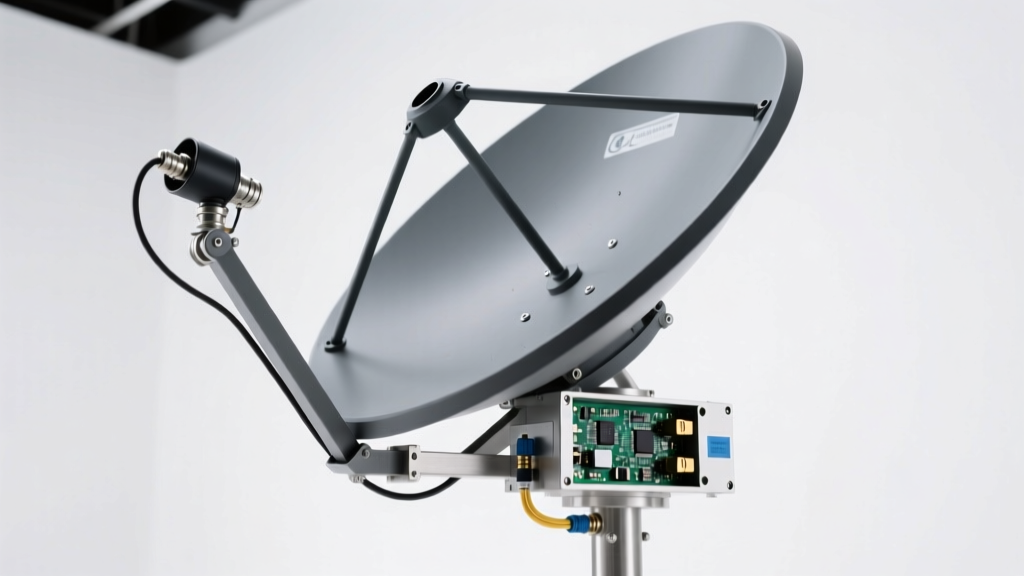
Types of Connector Base Plates
A connector base plate is a critical mechanical component widely used in industrial and manufacturing environments to securely link motors, gearboxes, pumps, and other power transmission equipment. These plates ensure precise alignment, reduce vibration, and enhance system stability. Typically fabricated from high-grade steel, aluminum, or composite materials, connector base plates are engineered for durability, precision, and adaptability across diverse applications.
Available in standard and specialized configurations, these base plates can be purchased in bulk for large-scale installations or customized for specific engineering requirements. Below is a comprehensive overview of the most common types of connector base plates and their unique characteristics.
Standard Base Plates
The foundational option for most mechanical systems, standard base plates offer a flat, robust surface for mounting connectors and drivetrain components.
Advantages
- Simple, reliable design
- Cost-effective for mass deployment
- High structural integrity
- Easy to install and maintain
Limitations
- Limited customization options
- No integrated thermal or electrical features
- May require modifications for complex setups
Best for: General-purpose industrial machinery, conveyor systems, HVAC units
Custom Base Plates
Tailored to meet specific dimensional, mounting, or functional requirements, custom base plates are ideal for unique or prototype applications.
Advantages
- Fully customizable hole patterns and cutouts
- Compatible with non-standard equipment
- Supports small-batch prototyping
- Precise fit reduces alignment errors
Limitations
- Higher cost than standard plates
- Longer lead times for production
- Requires detailed engineering specs
Best for: Prototype development, retrofit projects, specialized machinery
Heat Sink Base Plates
Engineered to manage thermal loads, these plates feature fins, grooves, or extended surfaces to enhance heat dissipation from attached components.
Advantages
- Effective passive cooling
- Prevents overheating of motors and electronics
- Lightweight aluminum construction
- Improves system longevity
Limitations
- More expensive than standard plates
- Requires adequate airflow for optimal performance
- Not suitable for high-vibration environments without reinforcement
Best for: High-power electronics, servo drives, LED lighting systems, power supplies
Insulated Base Plates
Designed for electrical safety, these plates incorporate dielectric layers (e.g., ceramic, polymer) to prevent current leakage and protect sensitive components.
Advantages
- Provides reliable electrical isolation
- Protects against short circuits and ground faults
- Essential for high-voltage applications
- Reduces risk of equipment damage
Limitations
- May reduce thermal conductivity
- Additional layer increases thickness and weight
- Higher cost due to specialized materials
Best for: Power inverters, transformers, EV charging systems, industrial control panels
Ferrite Core Base Plates
Incorporating magnetic ferrite materials, these base plates help suppress electromagnetic interference (EMI) and improve signal integrity in electronic systems.
Advantages
- Reduces EMI and RF interference
- Enhances performance of sensitive electronics
- Improves compliance with EMC standards
- Compact integration of EMI shielding
Limitations
- Fragile material—requires careful handling
- Limited mechanical strength
- Specialized use cases only
Best for: Communication devices, medical equipment, automotive electronics, industrial sensors
Thermal Interface Base Plates
Equipped with pre-applied thermal interface materials (TIMs) like pads, greases, or adhesives, these plates optimize heat transfer between components and heat sinks.
Advantages
- Maximizes thermal conductivity
- Eliminates air gaps between surfaces
- Simplifies assembly process
- Improves cooling efficiency
Limitations
- TIMs may degrade over time
- Not reusable after removal
- Higher initial cost
Best for: High-performance computing, power modules, LED arrays, aerospace systems
| Type | Material | Primary Function | Key Benefit | Typical Applications |
|---|---|---|---|---|
| Standard Base Plates | Steel, Cast Iron | Structural Support | Reliability & Durability | Conveyors, Pumps, General Machinery |
| Custom Base Plates | Steel, Aluminum, Composite | Application-Specific Mounting | Precision Fit | Prototypes, Retrofits, Specialized Equipment |
| Heat Sink Base Plates | Aluminum | Thermal Management | Passive Cooling | Power Electronics, LED Systems, Drives |
| Insulated Base Plates | Steel + Ceramic/Polymer Layer | Electrical Isolation | Safety in High-Voltage Systems | Inverters, Transformers, EV Chargers |
| Ferrite Core Base Plates | Steel + Ferrite Composite | EMI Suppression | Signal Integrity | Medical Devices, Automotive, Telecom |
| Thermal Interface Base Plates | Aluminum/Steel + TIM | Heat Transfer Optimization | Efficient Thermal Coupling | Computing, Aerospace, Power Modules |
Expert Tip: When selecting a connector base plate, consider the operating environment—factors like temperature, electrical load, vibration, and space constraints can significantly influence performance. For mixed requirements (e.g., thermal + electrical), hybrid designs combining insulation and heat dissipation features may offer the best solution.
Industrial Applications of Connector Base Plates: Functionality, Thermal Management, and Design Efficiency
Connector base plates are essential structural and functional components in modern industrial electronics. Their role extends beyond simple mounting—they provide mechanical stability, enable efficient thermal dissipation, reduce electromagnetic interference (EMI), and support high-density interconnections. Due to these multifunctional capabilities, connector base plates are widely adopted across industries where reliability, performance, and compact design are critical.
Key Industrial Applications
Automotive Industry
In both conventional and electric vehicles (EVs), connector base plates play a pivotal role in managing heat generated by power electronics such as battery management systems, inverters, and motor controllers. These base plates are typically made from thermally conductive yet electrically insulating materials like aluminum nitride or ceramic-filled composites.
They serve as interfaces between high-power components and cooling systems, ensuring stable operating temperatures. Additionally, they provide secure mounting points for sensors, control units, and communication modules, enhancing signal integrity and system responsiveness.
Aerospace and Defence
In aerospace and defence applications, connector base plates must meet stringent requirements for reliability under extreme conditions—high altitudes, rapid temperature fluctuations, and intense vibration. Insulated base plates are used to prevent EMI, which could disrupt navigation, communication, and radar systems.
Many designs incorporate integrated heat sinks or thermal vias to maintain optimal operating temperatures in avionics and onboard computing systems. The materials used—such as copper-invar-copper (CIC) or aluminum silicon carbide (AlSiC)—offer excellent thermal expansion matching and long-term durability.
Medical Equipment
Precision and safety are paramount in medical devices such as MRI machines, patient monitors, and surgical robots. Connector base plates in this sector are designed for compact integration, enabling high component density without compromising thermal performance.
Thermal interface base plates with embedded temperature sensors help regulate the operating environment of sensitive electronics, preventing overheating that could affect diagnostic accuracy or device functionality. Biocompatible coatings and RoHS-compliant materials ensure regulatory compliance and patient safety.
Telecommunications
In telecom infrastructure—including 5G base stations, routers, and optical transceivers—connector base plates ensure stable, high-speed signal transmission. They minimize signal loss and crosstalk by providing grounded, shielded platforms for RF components.
Base plates often feature controlled impedance layouts and EMI shielding layers to maintain signal integrity in high-frequency environments. Their thermal management capabilities also support continuous operation in outdoor enclosures exposed to direct sunlight and varying weather conditions.
Consumer Electronics
Smartphones, laptops, wearables, and home automation systems rely on miniaturized connector base plates to integrate batteries, displays, cameras, and wireless modules. These plates are engineered for space efficiency and multi-functionality.
Thermal interface materials (TIMs) within the base plates facilitate passive heat dissipation, reducing hotspots and improving device longevity. With increasing processing power in compact form factors, effective thermal management via base plates has become crucial for maintaining performance and user comfort.
Industrial Machinery
Heavy-duty industrial equipment such as CNC machines, robotics, and PLC-controlled systems use robust, vibration-resistant base plates capable of withstanding mechanical stress and harsh environments. These base plates often feature reinforced mounting points and corrosion-resistant finishes.
They support high-current connections and integrate cooling channels or heatspreader layers to manage heat from motors, drives, and control circuits. By maintaining component stability and temperature, they contribute to reduced downtime and extended service life.
Renewable Energy Systems
Solar inverters, wind turbine controllers, and energy storage systems operate under variable loads and environmental conditions. Custom connector base plates in these applications are designed to optimize spatial utilization and enhance heat dissipation in confined enclosures.
They often use aluminum or copper substrates with dielectric layers to provide electrical isolation while efficiently transferring heat to external radiators or cooling fins. This ensures reliable operation even during peak energy conversion periods, improving overall system efficiency and safety.
Cross-Industry Trends
Across all sectors, there is a growing trend toward modular, scalable base plate designs that support rapid prototyping and system upgrades. Advances in material science—such as the use of graphene-enhanced composites and embedded micro-cooling channels—are pushing the boundaries of performance.
Smart base plates with integrated sensors for temperature, strain, and current monitoring are emerging, enabling predictive maintenance and real-time diagnostics. As industries move toward Industry 4.0 and IoT integration, connector base plates are evolving into intelligent platforms that combine structural, thermal, and electronic functions.
| Industry | Primary Function | Common Materials | Thermal Consideration |
|---|---|---|---|
| Automotive | Power module mounting & sensor integration | Aluminum, Ceramic-filled polymers | High thermal conductivity required for EV power systems |
| Aerospace & Defence | EMI shielding & thermal stability | CIC, AlSiC, PTFE laminates | Stable performance across extreme temperatures |
| Medical | Compact connectivity & temperature control | FR4 with metal cores, biocompatible coatings | Precise thermal regulation for sensitive components |
| Telecom | Signal integrity & RF component mounting | High-frequency laminates, copper-clad | Moderate; focused on passive cooling and shielding |
| Consumer Electronics | Miniaturization & multi-component integration | Flexible PCBs, aluminum alloys | Passive dissipation critical due to limited space |
| Industrial Machinery | Mechanical stability & high-load support | Steel-reinforced composites, anodized aluminum | Active and passive cooling integration common |
| Renewable Energy | Space optimization & heat spreading | Copper, aluminum, insulated metal substrates (IMS) | High heat flux handling in compact enclosures |
Design and Selection Considerations
Important: Always align base plate specifications with the operational demands of the target application. Using underspecified components can lead to thermal runaway, signal degradation, or mechanical failure. Consult engineering guidelines and industry standards (e.g., IPC, MIL-STD, IEC) when selecting or designing connector base plates for industrial use.
Product Specifications and Features for Connector Base Plate
Connector base plates are essential components in electronic, automotive, and industrial systems, providing structural support, thermal management, and electrical insulation. Designed for reliability and adaptability, these base plates ensure optimal performance across diverse applications. Below is a comprehensive overview of their technical specifications and key features, helping engineers and procurement specialists make informed decisions.
Technical Specifications
Material Composition
Connector base plates are primarily constructed from high-density aluminum due to its excellent strength-to-weight ratio and superior thermal conductivity. In specialized applications, lightweight copper alloys are also used to enhance electrical and thermal performance.
- Aluminum: Offers excellent machinability, corrosion resistance, and efficient heat dissipation—ideal for consumer electronics and power modules.
- Copper Alloys: Provide higher thermal and electrical conductivity, making them suitable for high-power applications such as inverters and industrial drives.
- Hybrid Composites: Some advanced designs incorporate metal matrix composites for enhanced rigidity and thermal stability.
Engineering Note: Material selection directly impacts both thermal performance and long-term durability under mechanical stress.
Thickness Range
These base plates are manufactured in thicknesses ranging from 3 mm to 30 mm, allowing customization based on structural and thermal requirements.
- Thin Plates (3–10 mm): Ideal for compact devices where space and weight are critical, such as portable medical equipment.
- Medium Plates (10–20 mm): Balance thermal mass and structural support for industrial control systems.
- Thick Plates (20–30 mm): Used in heavy-duty applications requiring maximum heat dissipation and vibration resistance, like rail or energy systems.
Design Tip: Thicker plates improve heat spreading but may require reinforcement in mounting areas.
Weight Considerations
The weight of connector base plates typically ranges from 1 kg to 25 kg, depending on size, material, and thickness.
- Lightweight plates (1–5 kg) facilitate easy handling and installation, especially in modular systems.
- Mid-weight plates (5–15 kg) offer a balance between portability and mechanical stability.
- Heavy-duty plates (15–25 kg) provide enhanced rigidity and thermal inertia for industrial machinery and power distribution units.
Application Insight: Weight affects not only installation logistics but also system-level vibration damping and shock resistance.
Surface Finish Options
Surface treatments are critical for enhancing performance and longevity. Common finishes include:
- Anodizing: Increases corrosion resistance and electrical insulation, commonly used in outdoor or humid environments.
- Nickel Plating: Improves wear resistance and solderability, often applied in high-reliability aerospace and defense systems.
- Chemical Conversion Coatings: Provide temporary protection during storage and assembly.
- Polished or Brushed Finishes: Used for aesthetic or cleanroom applications in medical and semiconductor equipment.
Technical Advantage: Proper surface finishing can extend service life by up to 40% in corrosive environments.
Custom Mounting Holes & Integration
Manufacturers offer fully customizable mounting configurations to align with specific component layouts and chassis designs.
- Holes can be counterbored, countersunk, or threaded to accommodate various fastener types.
- Reinforced inserts or bushings enhance durability in high-vibration applications.
- Custom hole patterns support quick assembly and precise alignment in automated production lines.
Pro Tip: Provide CAD drawings or templates when ordering to ensure perfect fitment and reduce rework.
Key Features and Performance Benefits
Enhanced Thermal Management
As heat spreader base plates, these components are engineered to efficiently transfer and dissipate heat away from sensitive electronics.
- Minimizes thermal hotspots in power modules, LEDs, and processors.
- Integrates with thermal interface materials (TIMs) like pads, greases, or phase-change films for optimal heat transfer.
- Reduces component operating temperatures, improving reliability and lifespan.
Performance Impact: Effective thermal management can increase system efficiency by up to 20% and reduce failure rates.
Compact and Space-Efficient Design
Designed for integration into tight and complex assemblies, these base plates maximize functionality without increasing footprint.
- Ideal for miniaturized electronics such as smartphones, wearables, and diagnostic devices.
- Supports high-density circuit layouts by providing stable mechanical foundations.
- Reduces the need for additional cooling components, saving space and cost.
Design Advantage: Enables sleeker, lighter end products without compromising performance.
Durability and Long-Term Stability
Constructed from robust aluminum or copper alloys, these base plates withstand mechanical stress, thermal cycling, and environmental exposure.
- Resistant to warping under repeated heating and cooling cycles.
- Low wear characteristics ensure consistent performance over thousands of operational hours.
- Suitable for harsh environments including industrial plants, automotive under-hood locations, and outdoor enclosures.
Reliability Factor: High durability reduces maintenance needs and downtime in mission-critical systems.
High Customizability
These base plates are highly adaptable to meet application-specific requirements.
- Custom dimensions, thickness, hole patterns, and finishes available on request.
- Supports rapid prototyping and low-volume production runs.
- Can be integrated with embedded sensors, grounding features, or shielding elements.
Versatility Benefit: One base plate design can be adapted across multiple product lines, reducing inventory complexity.
Electrical Insulation and Safety
In high-voltage applications, insulated connector base plates play a crucial role in preventing electrical faults.
- Coated with dielectric materials such as ceramic oxide or polymer films to prevent short circuits.
- Meets international safety standards (e.g., IEC, UL) for use in automotive, aerospace, and renewable energy systems.
- Protects operators and equipment in high-power environments like EV charging stations and solar inverters.
Critical for Compliance: Proper insulation ensures adherence to electrical safety regulations and reduces liability risks.
Expert Recommendation: When selecting a connector base plate, prioritize material and thermal performance based on your application’s heat load. For high-reliability systems, invest in nickel-plated or anodized finishes and fully customized mounting solutions. Always verify compatibility with adjacent components and consider long-term maintenance and thermal aging effects.
| Application Type | Recommended Material | Typical Thickness | Key Feature Emphasis |
|---|---|---|---|
| Consumer Electronics | Aluminum | 3–8 mm | Compact design, lightweight, corrosion resistance |
| Industrial Automation | Aluminum or Copper Alloy | 10–20 mm | Thermal management, durability, customizable mounting |
| Automotive & EV Systems | Insulated Aluminum | 15–25 mm | Electrical insulation, heat dissipation, vibration resistance |
| Aerospace & Defense | Copper Alloy with Nickel Plating | 20–30 mm | High conductivity, reliability, surface durability |
Additional Considerations
- Thermal Interface Compatibility: Ensure base plate surface flatness and finish are compatible with chosen TIMs for maximum efficiency.
- Environmental Resistance: For outdoor or marine applications, specify corrosion-resistant coatings and sealed mounting hardware.
- EMI Shielding: Some base plates can be modified to act as electromagnetic shields, enhancing signal integrity.
- Sustainability: Aluminum is recyclable, making it an eco-friendly choice for environmentally conscious designs.
- Lead Time & Scalability: Standard sizes ship faster; custom designs may require 2–6 weeks depending on complexity.
How To Choose the Right Connector Base Plate: A Comprehensive Buyer’s Guide
Selecting the appropriate connector base plate is a critical decision in electrical and mechanical system design. Whether you're sourcing in bulk for industrial applications or custom integration, the right base plate ensures long-term reliability, efficient thermal management, and seamless compatibility. This guide explores the key factors buyers should evaluate—material composition, thickness, surface finish, customization options, mounting compatibility, industry compliance, and load-bearing capacity—to make informed, performance-driven decisions.
Important Note: Never compromise on material quality or compliance standards when purchasing base plates in bulk. Substandard components can lead to overheating, electrical failures, or mechanical breakdowns, resulting in costly downtime and safety hazards.
Key Factors to Consider When Choosing a Connector Base Plate
- Material Selection for Optimal Performance
The base plate material significantly influences thermal conductivity, electrical insulation, weight, and cost. Common materials include:
- Aluminum: Lightweight, cost-effective, and offers good thermal dissipation. Ideal for applications requiring efficient heat transfer without excessive weight.
- Copper: Superior thermal and electrical conductivity compared to aluminum. Best suited for high-performance systems where heat management is critical, though more expensive and heavier.
- Insulated Materials (Ceramic or Epoxy Resin): Used when electrical isolation is required. Ceramics offer excellent thermal stability and dielectric strength, while epoxy resins provide flexibility in molding and moderate insulation properties.
Choose based on your thermal requirements, budget, and whether electrical insulation is necessary.
- Thickness: Balancing Strength and Application Needs
Connector base plates are typically available in thicknesses ranging from 3 mm to 30 mm. The choice depends on mechanical and thermal demands:
- Thin Plates (3–6 mm): Suitable for lightweight applications with minimal load, such as consumer electronics or low-power connectors.
- Medium Plates (6–15 mm): Offer a balance between structural integrity and thermal mass. Common in industrial control systems and power distribution units.
- Thick Plates (15–30 mm): Provide enhanced rigidity and heat dissipation for heavy-duty applications, including high-load machinery, transformers, and outdoor electrical enclosures.
Thicker plates improve durability and heat spreading but may add unnecessary weight and cost if over-specified.
- Surface Finish: Enhancing Functionality and Longevity
The surface treatment of a base plate affects corrosion resistance, solderability, electrical performance, and adhesion:
- Anodized Finish: Primarily used on aluminum plates to increase corrosion and wear resistance. Also provides electrical insulation and allows for color coding.
- Nickel Plating: Improves solderability, reduces oxidation, and enhances electrical conductivity. Often used in high-reliability or high-frequency applications.
- Bare or Mill-Finished: Lower cost but more prone to oxidation. Suitable only in controlled environments with short operational lifespans.
Always match the finish to your operating environment—harsh or humid conditions demand protective coatings.
- Customization Options for Specific Applications
Bulk buyers often require tailored solutions to integrate base plates into unique system designs. Manufacturers can customize:
- Mounting hole patterns and thread types
- Custom cutouts for connectors, cables, or cooling vents
- Non-standard dimensions or shapes (e.g., L-shaped, circular, or multi-segment plates)
- Engraved labels or identification marks for traceability
Work closely with suppliers early in the design phase to ensure manufacturability and cost-efficiency of custom features.
- Mounting Compatibility and Integration
A base plate must align perfectly with the components it supports. Mismatched hole patterns or spacing can lead to misalignment, stress on fasteners, and poor electrical contact.
- Verify hole diameter, pitch, and positioning against your connector or housing specifications.
- Opt for standard hole patterns (e.g., DIN, NEMA, or ISO-compliant layouts) when possible to simplify replacement and maintenance.
- Consider using alignment pins or guide slots for precision assembly in automated production lines.
- Industry Compliance and Safety Standards
Ensure the base plates meet regulatory and safety standards relevant to your industry:
- RoHS (Restriction of Hazardous Substances): Mandatory in the EU and many global markets; ensures no harmful materials like lead or cadmium are used.
- CE Marking: Indicates conformity with health, safety, and environmental protection standards for products sold in the European Economic Area.
- UL or CSA Certification: Required for electrical components in North America, verifying fire resistance and electrical safety.
- ISO 9001: Reflects quality management practices in manufacturing, ensuring consistency and reliability.
Always request compliance documentation from suppliers before placing bulk orders.
- Load-Bearing Capacity and Mechanical Strength
The base plate must support both static and dynamic loads without deformation:
- Assess the total weight of mounted components, including connectors, cables, and ancillary hardware.
- In high-vibration environments (e.g., automotive, aerospace, or industrial machinery), choose thicker or reinforced plates with higher tensile strength.
- Consider using gussets or support brackets in conjunction with the base plate for added stability.
Underestimating load requirements can lead to warping, cracking, or catastrophic failure under stress.
| Selection Factor | Best Use Cases | Recommended Materials | Common Pitfalls to Avoid |
|---|---|---|---|
| Thermal Management | Power electronics, motor drives, LED lighting | Copper, Anodized Aluminum | Using non-conductive materials without heat sinks |
| Electrical Insulation | High-voltage systems, medical devices | Ceramic, Epoxy-Coated Aluminum | Assuming all metals are conductive—verify dielectric needs |
| Corrosion Resistance | Outdoor, marine, or chemical environments | Anodized Aluminum, Nickel-Plated Copper | Using bare metal in humid conditions |
| Custom Integration | Proprietary enclosures, modular systems | Aluminum, Steel, or Composite | Poor communication with manufacturer leading to fit issues |
| High Load Support | Industrial machinery, transformers | Thick Steel or Reinforced Copper | Overlooking vibration and fatigue over time |
Pro Tip: Request sample prototypes before placing large orders. Testing a few units under real-world conditions helps validate thermal performance, fit, and durability—saving time and cost in the long run.
Final Recommendations for Bulk Buyers
- Evaluate total cost of ownership, not just unit price—higher-quality materials may reduce maintenance and failure rates.
- Partner with suppliers who offer technical support and documentation (e.g., material certifications, CAD drawings).
- Standardize base plate designs across product lines to simplify inventory and assembly.
- Implement incoming quality checks to verify dimensions, material, and finish consistency.
- Plan for future scalability—design base plates with potential upgrades or expansions in mind.
Choosing the right connector base plate is more than a technical specification—it's a strategic decision impacting system efficiency, safety, and longevity. By carefully weighing material, thickness, finish, customization, compatibility, compliance, and load requirements, you can ensure optimal performance and reliability in any application. When in doubt, consult with engineering or procurement experts to validate your selection before mass production.
Frequently Asked Questions About Connector Base Plates
Q1: What are the common materials used for making connector base plates?Connector base plates are manufactured from a variety of materials, each selected based on the functional requirements of the application. The choice of material significantly impacts electrical insulation, thermal conductivity, mechanical strength, and durability.
- Metallic Materials: Aluminum, copper, and steel are widely used for their excellent thermal conductivity and structural rigidity. Aluminum is favored for its lightweight and corrosion resistance, while copper offers superior heat dissipation—ideal for high-power applications. Steel is chosen when high mechanical strength and durability are required.
- Insulating Materials: Polymers (such as PBT, nylon, or polycarbonate) and ceramics are used when electrical isolation is critical. Ceramic base plates offer high thermal stability and excellent insulation, making them suitable for harsh environments. Polymers provide cost-effective insulation with good moldability for complex shapes.
The selection often involves a trade-off between thermal performance, electrical isolation, weight, and cost, depending on the end-use environment.
Q2: Which factors are normally considered when choosing base plates in bulk?When purchasing connector base plates in large quantities, buyers evaluate multiple technical and commercial factors to ensure compatibility, reliability, and value for money.
- Material Specifications: Buyers assess whether the base plate material meets the thermal, electrical, and mechanical demands of their application.
- Industry Standards Compliance: Base plates must adhere to relevant standards such as UL, RoHS, REACH, or IEC, ensuring safety, environmental compliance, and interoperability.
- Customization Options: The ability to customize dimensions, hole patterns, cutouts, surface finishes, and mounting features is crucial for integration into specific connector designs.
- Cost and Scalability: Unit pricing, minimum order quantities (MOQs), and production lead times influence procurement decisions, especially for OEMs and large-scale manufacturers.
- Supplier Reliability: Consistent quality, on-time delivery, and technical support are key considerations when selecting a long-term supplier.
Conducting thorough supplier audits and requesting material test reports (MTRs) can help ensure that bulk purchases meet both performance and regulatory requirements.
Q3: How does the thickness of a connector base plate impact its performance?The thickness of a connector base plate plays a critical role in determining its mechanical, thermal, and electrical performance characteristics.
- Mechanical Rigidity: Thicker base plates offer greater structural stability and resistance to warping or bending under load. This is especially important in high-vibration environments like automotive or industrial systems.
- Thermal Management: While thicker plates can absorb more heat due to increased mass, thinner plates often exhibit better thermal conductivity across their surface, enabling faster heat dissipation. However, this depends on the base material—copper or aluminum plates benefit more from optimized thickness for thermal spreading.
- Hole Support and Mounting: Thicker plates allow for deeper threading or more robust press-fit connections, enhancing mechanical retention of terminals and fasteners.
- Weight and Space Constraints: In compact or weight-sensitive applications (e.g., consumer electronics), thinner plates are preferred despite potential trade-offs in rigidity.
Designers typically balance thickness with material choice and application demands to achieve optimal performance without over-engineering.
Q4: Do manufacturers offer custom base plates for specific applications?Yes, most reputable manufacturers provide fully customizable connector base plates tailored to meet unique design and engineering requirements.
- Custom Cutouts and Hole Patterns: Manufacturers can produce precise cutouts, screw holes, terminal slots, and alignment features based on CAD drawings or specifications provided by the client.
- Material and Finish Options: Customization extends to material selection (e.g., anodized aluminum, plated steel) and surface treatments (e.g., anti-corrosion coatings, EMI shielding layers).
- Prototyping and Low-Volume Runs: Many suppliers offer rapid prototyping services using CNC machining or laser cutting to validate designs before mass production.
- Application-Specific Design Support: Engineering teams often collaborate with clients to optimize base plate geometry for thermal flow, electrical isolation, or mechanical integration.
This flexibility makes custom base plates ideal for specialized applications in aerospace, medical devices, electric vehicles, and industrial automation, where off-the-shelf solutions may not suffice.
Q5: What are the common applications of these connector base plates?Connector base plates serve as foundational components in a wide range of industries, providing both structural integrity and functional performance in electrical and electronic systems.
- Automotive: Used in powertrain connectors, battery management systems (BMS), and lighting modules to ensure reliable electrical connections and efficient heat dissipation in high-temperature environments.
- Industrial Equipment: Found in motor drives, control panels, and power distribution units where mechanical durability and thermal stability are essential.
- Consumer Electronics: Integrated into chargers, power supplies, and modular connectors to support compact designs and efficient thermal management.
- OEM Thermal Management: Original Equipment Manufacturers (OEMs) utilize base plates as part of active or passive cooling solutions, helping to transfer heat away from sensitive components and maintain consistent connector performance over time.
- Telecommunications and Energy: Employed in power connectors, RF modules, and renewable energy systems (e.g., solar inverters) where long-term reliability under continuous load is critical.
Due to their adaptability and performance benefits, connector base plates are indispensable in modern electronic design, enabling safer, more efficient, and scalable connectivity solutions.