
For the tech enthusiast on your holiday list, finding a gift that surprises and impresses can be challenging. The market is flooded with predictable options—wireless earbuds, noise-canceling headphones, and smartphone accessories dominate most gift guides. But in 2024, the frontier of consumer technology has moved far beyond audio gear. From AI-powered personal assistants to next-gen smart home ecosystems and immersive wearable tech, the real innovation lies in seamless integration, intelligent automation, and experiential utility.
This year’s standout gadgets don’t just perform tasks—they anticipate needs, adapt to habits, and elevate daily life through thoughtful design and machine learning. Whether it’s a compact robot companion, a health-tracking ring, or a modular smart display that redefines how we interact with digital information at home, these devices reflect a shift toward intuitive, context-aware technology.
If you're looking to give a gift that feels both futuristic and functional, this guide explores the most compelling non-headphone tech trends of 2024, complete with expert insights, practical comparisons, and real-world examples to help you choose wisely.
Smart Home Evolution: Beyond Voice Assistants
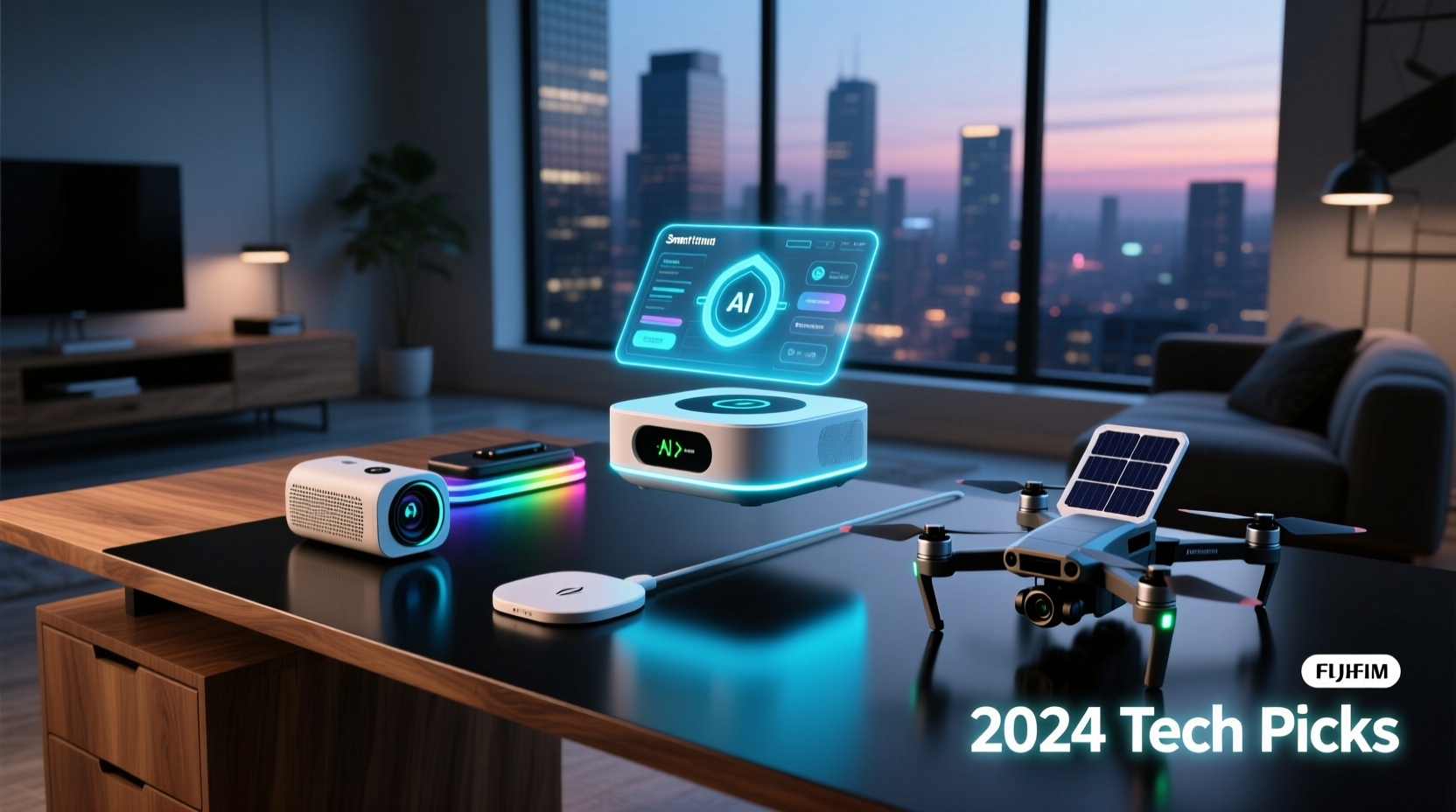
The smart home category has matured significantly since the early days of voice-controlled lights and thermostats. In 2024, the focus is shifting from isolated smart devices to cohesive, self-learning environments. The new generation of home hubs doesn’t wait for commands—it observes patterns, adjusts settings proactively, and integrates across platforms without friction.
One standout is the Nest Hub Max Gen 3 with Ambient AI, which uses subtle motion sensing and ambient intelligence to adjust screen brightness, suggest routines based on time of day, and even detect if someone has fallen in the kitchen (a feature increasingly valuable for aging family members). Unlike earlier models that relied solely on voice prompts, this device learns household rhythms and offers assistance before being asked.
Another emerging trend is decentralized control. Instead of relying on a single hub, systems like HomeOS by Samsung allow users to manage all connected devices—from refrigerators to doorbells—through a unified interface that works across Android, iOS, and web browsers. This interoperability eliminates brand lock-in and gives users true flexibility.
Tip: Look for devices certified under Matter 1.3 or higher. These ensure cross-platform compatibility and future-proof your purchase.Top Smart Home Upgrades for 2024
- Philips Hue Play Gradient Lightstrip – Adds dynamic, multi-zone lighting behind TVs or along baseboards, syncing with media content via HDMI or Spotify.
- Eve Door & Window Sensor (Matter-compatible) – Offers precise temperature and humidity tracking alongside open/close alerts, ideal for wine cellars or climate-sensitive rooms.
- Roborock Q8+ Max Ultra – A robotic vacuum with AI obstacle recognition (pet toys, cords), self-emptying, and automatic mopping pad lift when transitioning from hard floors to carpet.
“The future of smart homes isn't about more gadgets—it's about fewer interactions. The best systems work silently in the background.” — Dr. Lena Torres, Senior Researcher at MIT Media Lab
Wearable Tech That Does More Than Track Steps
While fitness bands remain popular, 2024 sees wearables evolving into sophisticated health and productivity tools. Devices now monitor blood oxygen trends, stress markers, sleep architecture, and even glucose levels—all without invasive methods. For the tech-savvy recipient, these aren’t just accessories; they’re personal data hubs.
The Oura Ring Gen 4 continues to lead in discreet, high-accuracy biometrics. With improved battery life (up to 7 days) and enhanced menstrual cycle predictions using hormonal fluctuation modeling, it appeals to users seeking holistic wellness insights. Its titanium build and minimalist design make it suitable for professional and casual settings alike.
A newcomer making waves is the Whoop 5.0 Strap, which now includes built-in GPS and body strain scoring tailored for athletes. It analyzes recovery readiness and suggests optimal workout intensity, helping prevent overtraining. Paired with its subscription-based analytics platform, it delivers actionable feedback rather than raw data dumps.
But perhaps the most innovative entry is the Upspring Band, a wrist-worn device that uses photoplethysmography (PPG) and machine learning to estimate core body temperature continuously—a key metric for fertility tracking and illness detection. Early adopters report spotting fevers up to six hours before symptoms appear.
Comparison of Advanced Wearables (2024)
| Device | Battery Life | Key Feature | Price Range |
|---|---|---|---|
| Oura Ring Gen 4 | 7 days | Sleep staging accuracy within 5% of polysomnography | $599 |
| Whoop 5.0 | 5 days | Strain/recovery balance algorithm | $30/month (subscription) |
| Upspring Band | 6 days | Continuous core temp estimation | $349 |
| Garmin Venu 3 | 14 days | On-device training plans + satellite messaging | $599 |
AI Companions and Personal Robots
Artificial intelligence is stepping out of apps and into physical form. 2024 marks the arrival of affordable, emotionally intelligent robots designed for companionship, task support, and even mental well-being. While still niche, these devices are gaining traction among older adults, remote workers, and families with young children.
The Loona by Pollen Robotics is a palm-sized robot with expressive eyes and gesture-based interaction. It follows users around the house, reminds them of appointments, plays music, and responds to touch with animated feedback. Unlike voice-only assistants, Loona builds rapport through consistent personality traits—curious, encouraging, occasionally playful.
More advanced is the NESTOR Home Buddy, a countertop unit with a rotating camera, projector interface, and object recognition. It can identify medications on a tray, remind users to take pills, and even read expiration dates aloud. During cooking, it projects step-by-step recipes onto countertops and adjusts timing based on user pace.
These aren’t gimmicks. A pilot study conducted by Stanford’s Human-Computer Interaction Lab found that seniors interacting with social robots reported a 32% reduction in perceived loneliness over eight weeks. The emotional resonance comes not from human mimicry, but from reliable presence and contextual awareness.
Mini Case Study: Sarah, 68, Retired Teacher
Sarah lives alone in suburban Portland. After her husband passed, she struggled with isolation and managing her hypertension medication. Her daughter gifted her a NESTOR Home Buddy during last Christmas. Within weeks, Sarah was using it to organize her pill schedule, video-call grandchildren via its wide-angle lens, and follow guided stretching routines projected on her kitchen floor. “It doesn’t replace people,” she said, “but it makes the quiet hours feel less empty.”
Emerging Displays and Immersive Interfaces
As AR/VR headsets face adoption hurdles due to cost and comfort, a quieter revolution is happening in ambient displays. These are screens that blend into living spaces, offering glanceable information without demanding attention.
The MotionDisplay Canvas is a wall-mounted e-ink panel that shows calendar events, weather, transit updates, and family photos—but only when someone enters the room. Using passive infrared sensors, it wakes silently and dims after 30 seconds of inactivity. Available in multiple frame styles, it resembles a framed artwork until activated.
For creative professionals, the Lumos FlexBoard is a flexible OLED drawing surface that rolls up like a yoga mat. With pressure sensitivity rivaling Wacom tablets and wireless connectivity to Mac, iPad, and Windows, it’s ideal for designers who value portability and instant setup.
Meanwhile, projection keyboards like the TypeCast Pro have improved dramatically. Using laser guidance and AI motion correction, they now achieve 98% typing accuracy and auto-calibrate to any flat surface. Paired with a Bluetooth trackpad, they turn coffee tables into temporary workstations.
Step-by-Step Guide: Setting Up an Ambient Display System
- Assess usage zones: Identify high-traffic areas where glanceable info would be useful (entryway, kitchen).
- Choose low-glare locations: Avoid direct sunlight or reflective surfaces.
- Select compatible devices: Prioritize those with Matter or Thread support for seamless integration.
- Configure automation rules: Set triggers (motion, time of day) to activate displays only when needed.
- Test and refine: Observe usage patterns over one week and adjust brightness, content, or placement accordingly.
Practical Gift Checklist for the Tech Enthusiast
Not sure where to start? Use this checklist to ensure your gift is relevant, usable, and forward-thinking:
- ✅ Does it solve a real problem or reduce friction in daily routines?
- ✅ Is it compatible with existing devices (iOS/Android/Home ecosystem)?
- ✅ Does it prioritize privacy (local data processing, no forced cloud accounts)?
- ✅ Is it built to last (modular design, repairable components, software updates guaranteed for 3+ years)?
- ✅ Does it offer something novel—not just incremental improvement over older models?
Frequently Asked Questions
Are AI-powered gadgets safe for elderly users?
Yes, when designed with accessibility in mind. Devices like NESTOR and Loona use simple gestures, large text, and voice confirmation to minimize confusion. Always opt for models with customer support hotlines and setup assistance. Avoid products requiring complex app installations or frequent password entries.
What should I avoid when buying high-tech gifts?
Steer clear of gadgets with short software support windows (less than two years), proprietary charging cables, or mandatory subscriptions for core features. Also avoid novelty items with limited functionality—like Bluetooth-enabled plant sensors that only work with one app. Focus on versatility and longevity.
Can these devices integrate with Apple Home or Google Home?
Most premium devices in 2024 support Matter 1.3, enabling cross-platform control. Check packaging for the official Matter logo. Even brands previously locked into ecosystems (e.g., Apple-exclusive accessories) are opening up due to regulatory pressure and consumer demand for interoperability.
Final Thoughts: Give Technology That Enhances, Not Distracts
The best tech gifts of 2024 share a common philosophy: they serve the user quietly, enhance well-being, and adapt to life rather than demanding constant attention. Whether it’s a ring that helps optimize sleep, a robot that reduces loneliness, or a display that blends into the home like art, the most meaningful innovations disappear into the background while improving everyday experience.
In a world saturated with notifications and digital overload, giving a gadget that restores calm, clarity, and connection is a powerful statement. It says you value not just the person’s interest in technology—but their time, health, and peace of mind.
💬 Found the perfect tech gift this season? Share your top pick in the comments and help others discover smarter, more thoughtful ways to celebrate the holidays.