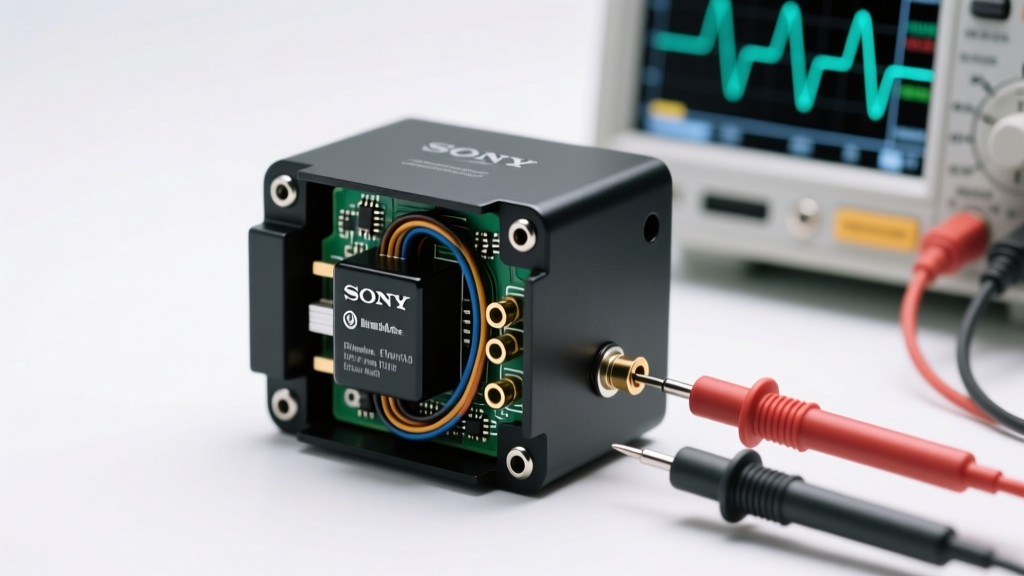
Types of Battery Packs for Breast Pumps
A reliable battery pack for a breast pump is essential for modern, mobile parents who need flexibility and uninterrupted pumping sessions—whether at home, at work, or on the go. With various technologies available, choosing the right power source can significantly impact convenience, performance, and peace of mind.
This guide explores the most common types of battery packs, their benefits, limitations, and ideal use cases to help you make an informed decision based on your lifestyle and pumping needs.
Internal Battery Packs
Integrated or replaceable batteries built directly into electric, automatic, or wearable breast pumps.
Advantages
- Compact and wire-free design
- Enhanced portability and comfort
- Seamless integration with the pump
- Quick recharge via included charger
- Ideal for discreet, hands-free use
Limitations
- Limited runtime per charge (typically 1–3 hours)
- Battery degrades over time and may require full unit replacement
- Not easily swappable during long sessions
Best for: Wearable pumps, frequent travelers, and users prioritizing discretion and mobility
External Battery Packs
Detachable power sources that connect to the breast pump via cable, either as a primary or backup power option.
Advantages
- Extended runtime with spare batteries
- Can revive a pump when internal battery dies
- Often uses standard AA/AAA batteries (widely available)
- Cost-effective and replaceable
Limitations
- Bulkier and less portable due to wiring
- Requires carrying extra batteries
- Potential tripping hazard from cords
- May not be compatible with all models
Best for: Home or office use, backup power, and users with non-wearable pumps
USB Rechargeable Battery Packs
Portable power banks that connect via USB to charge or power the breast pump during use.
Advantages
- Highly portable and travel-friendly
- Rechargeable using laptops, car chargers, or wall outlets
- Compatible with many modern breast pumps and devices
- Varying capacities (5,000–20,000 mAh) to suit different needs
- Dual-purpose (can charge phones, tablets, etc.)
Limitations
- Requires compatible USB input on the pump
- May not deliver consistent power under high load
- Bulkier than internal batteries
Best for: On-the-go parents, frequent travelers, and tech-savvy users
Solar-Powered Battery Packs
Eco-friendly external packs that harness solar energy to recharge, offering sustainable power for outdoor use.
Advantages
- Environmentally sustainable energy source
- Great for off-grid or outdoor adventures
- No reliance on electrical outlets
- Long-term cost savings on electricity
Limitations
- Slow charging dependent on sunlight
- Lower efficiency in cloudy or indoor conditions
- Limited availability and higher upfront cost
- Typically lower capacity than standard power banks
Best for: Eco-conscious parents, outdoor enthusiasts, and emergency preparedness
Specialized Breast Pump Battery Packs
Manufacturer-designed external batteries made specifically for certain breast pump models.
Advantages
- Optimized performance and compatibility
- Plug-and-play—no adapters needed
- Often include safety features (overcharge protection)
- High reliability and consistent power delivery
Limitations
- Limited to specific brands or models
- Higher cost compared to generic options
- Less flexibility if switching pump brands
- Potential supply chain dependency
Best for: Users committed to a specific brand, hospitals, or clinical settings
| Type | Portability | Runtime | Cost | Best Use Case |
|---|---|---|---|---|
| Internal Battery Packs | Excellent | Low to Medium | Medium | Wearable pumps, daily mobility |
| External Battery Packs | Fair | Medium to High | Low to Medium | Home use, backup power |
| USB Rechargeable Packs | Excellent | High (depending on capacity) | Low to Medium | Travel, multi-device users |
| Solar-Powered Packs | Good | Low to Medium | High | Outdoor, eco-friendly use |
| Specialized Battery Packs | Good | High | High | Brand-specific pumps, clinical use |
Expert Tip: For maximum flexibility, consider combining an internal battery with a high-capacity USB power bank as a backup. This dual-power strategy ensures uninterrupted pumping during travel or power outages.
Pro Tip: Always check your breast pump’s voltage and current requirements before using a third-party battery pack to avoid damage or performance issues.
Essential Features of a Breast Pump Battery Pack
A high-quality battery pack is a game-changer for nursing mothers who rely on their breast pumps for regular expression of milk. It provides essential mobility and independence—especially for busy parents on the go or those pumping during work hours. Choosing the right battery pack ensures uninterrupted use, convenience, and peace of mind. Below are the most important features to consider when selecting a battery pack for your breast pump.
Battery Life and Capacity
The battery life determines how long your breast pump can operate without being plugged in. This is directly influenced by the battery's capacity, typically measured in milliamp hours (mAh). A higher mAh rating means longer runtime, allowing for multiple pumping sessions between charges.
For example, a 5000mAh battery may support 3–5 full pumping sessions, depending on the pump’s power draw. Long-lasting battery life is particularly beneficial for travel, workdays, or situations where access to an electrical outlet is limited. Look for packs that offer at least 4–6 hours of continuous use to ensure reliability throughout the day.
Portability and Size
Portability is key for a breast pump battery pack. The ideal pack should be compact, lightweight, and easy to carry—slipping into a diaper bag, purse, or even a large pocket. Bulky or heavy batteries can be cumbersome and defeat the purpose of wireless convenience.
Modern designs often integrate slim profiles with ergonomic shapes, making them easy to transport without adding extra strain. Consider models that are specifically designed for discreet, on-the-go use, especially if you plan to pump in public or office environments.
Charging Time and Efficiency
Fast charging capability is a major convenience factor. While some battery packs take 6–8 hours to fully recharge, others support rapid charging and can reach full capacity in 2–3 hours. Quick recharge times ensure your battery is ready when you need it most—especially important for frequent users.
Look for models with USB-C or fast-charging technology, which not only reduce downtime but also offer compatibility with common chargers. Some packs even support "pass-through charging," allowing you to use the battery while it’s charging—a useful feature during back-to-back pumping sessions.
Compatibility with Your Breast Pump
Not all battery packs work with every breast pump model. Compatibility is crucial to avoid performance issues or potential damage. Some packs are universal and come with multiple adapters to fit various brands (e.g., Medela, Spectra, Freemie), while others are designed specifically for a single pump model.
Always verify that the battery pack is compatible with your pump’s connector type, voltage requirements, and mounting system. Using an incompatible battery may result in poor suction, overheating, or voiding the pump’s warranty. When in doubt, consult the manufacturer’s guidelines or product specifications.
Power Output and Stability
The battery pack must deliver consistent and stable power output that matches your breast pump’s voltage and wattage requirements. Most pumps operate on 5V to 12V DC power, and the battery should provide the correct voltage to maintain optimal suction strength.
Insufficient power can lead to weak or inconsistent performance, reducing milk expression efficiency. Conversely, excessive voltage may damage internal circuitry. A high-quality battery pack includes built-in voltage regulation and surge protection to ensure safe, reliable operation.
Additional Features for Enhanced Usability
Many modern battery packs go beyond basic functionality by offering smart features that improve user experience:
- LED Battery Indicator: Displays remaining charge levels (e.g., 25%, 50%, 75%, 100%) so you can plan recharging in advance.
- Multiple Charging Ports: Allows simultaneous charging of your breast pump and other devices like smartphones or tablets.
- Power Bank Functionality: Doubles as a portable charger for other USB-powered devices, maximizing utility.
- Overcharge and Overheat Protection: Built-in safety mechanisms prevent damage and extend battery lifespan.
- Mounting Options: Some packs include clips, straps, or cases that securely attach to the pump or bag for hands-free use.
| Feature | Why It Matters | Recommended Specs |
|---|---|---|
| Battery Capacity | Determines how many pumping sessions you can complete on a single charge | ≥ 5000 mAh for full-day use |
| Charging Time | Affects convenience and readiness between uses | ≤ 3 hours with fast charging |
| Compatibility | Ensures proper fit and safe operation with your pump model | Check manufacturer list; universal adapters preferred |
| Power Output | Maintains consistent suction and prevents pump damage | Match pump voltage (usually 5V–12V) |
| Portability | Impacts ease of transport and discretion | Compact, lightweight (< 8 oz), pocket-friendly |
Important: Always use a battery pack that meets your breast pump manufacturer’s specifications. Using an incompatible or low-quality battery may result in reduced performance, equipment damage, or safety hazards. Regularly inspect your battery for signs of wear, swelling, or overheating, and replace it if necessary. Proper care and usage will ensure long-term reliability and safety for both you and your baby.
What Makes a Durable Breast Pump Battery Pack?
A high-quality breast pump battery pack is more than just a power source—it's a vital companion for nursing mothers on the move. For a battery pack to be truly effective and durable, it must combine robust construction, resistance to daily wear, portability, and long-term power efficiency. Whether used at home, in the office, or while traveling, a reliable battery pack ensures uninterrupted pumping sessions and peace of mind. Let’s explore the key features that define a durable and dependable breast pump battery solution.
Build Materials
The foundation of a durable battery pack lies in its construction materials. High-grade plastics or lightweight metals like aluminum are ideal for the outer casing, offering superior protection against physical stress and environmental factors.
- Impact-resistant polymers prevent cracking from drops or bumps during daily use
- Aluminum housings provide enhanced heat dissipation and structural rigidity
- Reinforced corners and edges add extra protection in vulnerable areas
- Non-toxic, BPA-free materials ensure safety for close-contact use
Key insight: A well-constructed casing not only protects internal components but also extends the overall lifespan of the battery pack.
Resistance & Environmental Protection
Durability isn’t just about surviving drops—it also means resisting everyday hazards like moisture, dust, and temperature fluctuations.
- Water-resistant seals (IPX4 or higher) protect against spills, humidity, and accidental exposure
- Dust-proof design prevents debris from entering sensitive electrical connections
- Scratch-resistant coating maintains appearance and structural integrity over time
- Wide operating temperature range ensures reliability in both hot cars and cold environments
Pro tip: Look for battery packs with certified ingress protection (IP) ratings for guaranteed durability in real-world conditions.
Portability & Ergonomic Design
For busy mothers, portability is essential. A compact, lightweight battery pack seamlessly integrates into daily routines without adding bulk or inconvenience.
- Lightweight design (under 8 oz) makes it easy to carry in diaper bags or purses
- Compact dimensions fit comfortably in cup holders, side pockets, or under strollers
- Integrated grip or stand allows hands-free operation during pumping
- Universal compatibility with major breast pump brands enhances versatility
User-friendly benefit: A portable design supports discreet and convenient use at work, during travel, or in public spaces.
Power Efficiency & Thermal Management
Efficient energy delivery is critical for both performance and longevity. A high-efficiency battery maintains consistent output while minimizing heat buildup.
- Lithium-ion or Li-Po cells offer high energy density and stable voltage output
- Low self-discharge rate ensures the battery stays charged when not in use
- Advanced thermal regulation prevents overheating during extended use
- Energy-efficient circuitry maximizes runtime and reduces strain on the battery
Technical advantage: Efficient power management reduces the need for frequent recharging, preserving battery health over time.
Charging & Discharge Cycles
The long-term durability of a battery pack depends heavily on its charge cycle performance and built-in safety features.
- 500+ charge cycles indicate a long service life before capacity degrades significantly
- Faster charging (2–3 hours) with smart charging technology improves convenience
- Overcharge and over-discharge protection safeguards battery health and user safety
- Balanced cell management ensures even wear across battery cells for consistent performance
Durability benchmark: Lithium-ion batteries with proper charge management can last 2–3 years with regular use.
Additional Features for Longevity
Beyond core functionality, advanced features enhance both usability and lifespan.
- LED power indicator helps monitor charge levels and avoid deep discharge
- Pass-through charging allows use while charging—ideal for back-to-back sessions
- Auto-shutdown function conserves power when not in use
- Corrosion-resistant connectors ensure reliable electrical contact over time
Smart investment: Battery packs with thoughtful engineering offer better long-term value and reliability.
Expert Recommendation: When selecting a breast pump battery pack, prioritize models from reputable manufacturers that provide clear specifications on cycle life, safety certifications (like UL or CE), and warranty coverage. Opt for kits that include protective cases and charging cables to maximize longevity. For frequent travelers, consider dual-battery systems to ensure continuous power throughout the day.
| Feature | Basic Battery Pack | Premium Durable Pack | Why It Matters |
|---|---|---|---|
| Build Material | Standard plastic | Aluminum alloy or reinforced polymer | Enhanced durability and heat resistance |
| Water Resistance | None | IPX4 or higher | Survives spills and humid environments |
| Weight | 7–10 oz | 5–7 oz | Easier to carry and store |
| Charge Cycles | 300 cycles | 500+ cycles | Longer lifespan and better value |
| Charging Time | 4+ hours | 2–3 hours | Greater convenience and readiness |
Final Considerations for Long-Term Use
- Warranty & Support: Look for at least a 1-year warranty as a sign of manufacturer confidence
- Compatibility: Ensure the battery works with your specific breast pump model and voltage requirements
- Safety Certifications: Choose packs with UL, FCC, or CE marks for verified electrical safety
- Eco-Friendliness: Consider recyclable materials and energy-efficient designs for sustainable use
- User Reviews: Real-world feedback often highlights durability issues not evident in product specs
How to Choose the Right Battery Pack for Your Breast Pump
Selecting the ideal battery pack for your breast pump is essential for maintaining mobility, reliability, and comfort during pumping sessions. Whether you're at home, at work, or traveling, a high-quality battery pack ensures uninterrupted operation and peace of mind. This comprehensive guide walks you through the key factors to consider when choosing a compatible and efficient battery solution for your electric breast pump.
Important Note: Using an incompatible or low-quality battery pack can damage your breast pump, reduce suction performance, or void the manufacturer's warranty. Always verify compatibility and safety certifications before purchasing.
1. Breast Pump Compatibility
Compatibility is the most critical factor when selecting a battery pack. Not all battery packs work with every breast pump model, and using the wrong one may result in poor performance or equipment damage.
- Model-Specific Packs: Many manufacturers design proprietary battery packs that are engineered to work only with their specific pump models (e.g., Medela, Spectra, Elvie).
- Universal Battery Packs: Some third-party options offer universal compatibility with multiple brands, often using adapter cables or multi-voltage settings.
- Voltage & Connector Match: Ensure the battery pack delivers the correct voltage (typically 12V or 19V) and has the right DC plug size and polarity to fit your pump.
- Check Manufacturer Guidelines: Always refer to your breast pump’s user manual or official website to confirm approved battery accessories.
Pro Tip: Look for battery packs labeled as "OEM-approved" or "certified compatible" to ensure they meet safety and performance standards set by the pump manufacturer.
2. Power Requirements and Output
Your breast pump requires a consistent and adequate power supply to maintain optimal suction strength and cycle frequency across all speed settings.
- Wattage & Amperage: Check your pump’s power requirements (usually listed on the AC adapter or in the manual). The battery should provide equal or greater output (e.g., 12V/2A).
- Stable Voltage Output: Fluctuating voltage can cause the motor to stall or behave erratically. Choose a pack with regulated output and over-current protection.
- Support for Advanced Features: If your pump has features like double pumping, massage mode, or customizable rhythms, ensure the battery can handle peak power demands without draining quickly.
3. Mobility, Portability, and Charging Options
A portable battery pack should enhance your freedom of movement without adding bulk or complexity.
- Compact Design: Opt for lightweight, slim-profile batteries that easily fit into diaper bags, nursing totes, or pockets.
- Multiple Charging Methods: Modern battery packs often support USB-C, micro-USB, car chargers, or solar charging—ideal for travel or on-the-go use.
- Pass-Through Charging: This feature allows you to use the pump while the battery is charging, ensuring continuous operation even when plugged in.
- Travel-Friendly: Lithium-ion batteries under 100Wh are generally allowed on airplanes, making them suitable for air travel with proper labeling.
4. Battery Life and Capacity
Battery capacity directly impacts how long you can pump without recharging, which is crucial for busy parents.
- Capacity (mAh or Wh): Higher milliampere-hour (mAh) or watt-hour (Wh) ratings mean longer runtime. For example:
- 5,000 mAh ≈ 1–2 pumping sessions
- 10,000–20,000 mAh ≈ 3–6 sessions
- Runtime Estimation: A typical 20-minute double pumping session consumes about 1,500–2,500 mAh depending on suction level and pump efficiency.
- Fast Charging: Look for packs that recharge fully in 2–4 hours to minimize downtime between uses.
| Battery Capacity | Estimated Pumping Sessions | Recharge Time | Ideal For |
|---|---|---|---|
| 5,000 mAh | 1–2 sessions | 2–3 hours | Occasional use, short trips |
| 10,000 mAh | 3–4 sessions | 3–4 hours | Daily pumping, work commutes |
| 15,000–20,000 mAh | 5–6+ sessions | 4–6 hours | Frequent use, extended travel |
5. Warranty, Support, and Safety Features
A reliable warranty and responsive customer service provide long-term confidence in your purchase.
- Warranty Length: Reputable brands typically offer 1–2 year warranties covering defects and performance issues.
- Safety Certifications: Look for UL, CE, FCC, or RoHS certification to ensure the battery meets international safety standards.
- Protection Circuits: Built-in safeguards against overcharging, overheating, short circuits, and deep discharge extend battery lifespan and prevent hazards.
- Customer Support: Choose brands with accessible support teams for troubleshooting, replacements, or compatibility questions.
Expert Tip: Consider purchasing a spare battery pack if you rely heavily on cordless pumping. Having a backup ensures you’re never caught off guard during long outings or overnight stays.
Additional Considerations
- Noise Level: Some battery-powered pumps operate more quietly than when plugged into AC power—ideal for discreet use in public or shared spaces.
- Eco-Friendliness: Rechargeable lithium-ion batteries reduce waste compared to disposable options and are more cost-effective over time.
- Smart Features: Advanced models include LED indicators for charge level, low-battery alerts, or Bluetooth connectivity for app-based monitoring.
- Price vs. Value: While OEM batteries may cost more, they often deliver better performance and reliability. Third-party options can be budget-friendly but vary in quality—read reviews carefully.
Choosing the right battery pack for your breast pump enhances convenience, supports your pumping routine, and empowers greater independence. By prioritizing compatibility, power output, portability, battery life, and product support, you can find a solution that seamlessly integrates into your lifestyle. Always invest in quality and safety—your breast pump is a vital tool, and its power source deserves equal attention.
Frequently Asked Questions About Breast Pump Battery Packs
Q1: How long do breast pump battery packs last on a single charge?The runtime of a breast pump battery pack depends on several factors, including the pump model, battery capacity (measured in mAh), usage intensity, and whether it's an internal or external pack. However, most high-quality external battery packs provide between 3 to 5 hours of continuous use per full charge—enough for multiple pumping sessions.
- Internal Battery Packs: Built into some portable pumps, these typically last 1–2 hours but are convenient and easy to recharge via USB.
- External Battery Packs: Often more powerful, with larger capacities that support longer usage and can even power other devices like phones.
- Variable Usage: Intermittent use (such as short pumping breaks throughout the day) can extend battery life significantly beyond estimated continuous runtimes.
To maximize efficiency, choose a pump with energy-saving modes and consider carrying a spare or rechargeable battery when traveling.
Q2: Can any battery pack be used with any breast pump?No, not all battery packs are compatible with every breast pump. Using an incompatible battery can result in poor performance, overheating, or even permanent damage to your pump. Compatibility depends on several technical specifications:
- Voltage Match: The battery must deliver the exact voltage required by the pump (commonly 5V, 9V, or 12V).
- Connector Type: The plug size and polarity (center-positive vs. center-negative) must match the pump’s input port.
- Power Output (Wattage): Insufficient power may cause the pump to stall; excessive output can overload internal circuits.
- Brand-Specific Designs: Many manufacturers design proprietary battery systems to ensure safety and optimal performance.
Always consult your breast pump’s user manual or manufacturer guidelines before purchasing a third-party battery pack. When in doubt, opt for OEM (original equipment manufacturer) accessories.
Q3: How can I extend the lifespan of my breast pump battery pack?Proper care and charging habits can significantly prolong the life of your battery pack, especially since most use lithium-ion or lithium-polymer cells, which degrade over time if misused:
- Avoid Full Discharge: Try not to let the battery drop to 0%. Regularly recharging at around 20–30% helps maintain cell health.
- Don’t Leave It at 100%: Prolonged storage at full charge increases stress on the battery. For long-term storage, aim for 40–60% charge.
- Prevent Overcharging: Use smart chargers that automatically stop when full, and unplug once charged if no auto-cutoff is available.
- Control Temperature: Keep the battery away from extreme heat (e.g., direct sunlight, hot cars) and cold environments, both of which accelerate degradation.
- Store Properly: Store in a cool, dry place with moderate humidity—ideally between 50°F and 77°F (10°C–25°C).
With consistent maintenance, a quality battery pack can last 2–3 years or more, even with daily use.
Q4: Are breast pump battery packs water-resistant?Many modern external battery packs designed for breast pumps offer some degree of water and dust resistance, especially those marketed for travel or outdoor use. However, true waterproofing is rare—most are rated for splash resistance only.
- IP Ratings: Look for packs with an IPX4 rating or higher, indicating protection against splashing water from any direction.
- Dust Protection: Some models include sealed ports and rugged casings to prevent debris from entering.
- Build Quality: Higher-end models use durable materials like rubberized coatings or shock-absorbent shells to protect internal components.
- Caution: Never submerge the battery or expose it to excessive moisture. Even water-resistant units should be wiped dry immediately after contact with liquids.
Always check the product specifications for environmental protection ratings before assuming your battery pack is safe in damp conditions.
Q5: What key features should I look for in a breast pump battery pack?Choosing the right battery pack involves balancing performance, convenience, and reliability. Here are the most important features to consider:
| Feature | Description & Benefits |
|---|---|
| Battery Capacity (mAh) | Higher mAh (e.g., 10,000+) means longer runtime. Ideal for frequent travelers or extended outings. |
| Charging Speed & Method | Fast-charging support (e.g., USB-C PD) reduces downtime. Some packs charge via solar or car adapters for added flexibility. |
| Portability | Compact, lightweight designs fit easily in diaper bags. Built-in handles or clips enhance convenience. |
| Multiple Output Ports | Allows simultaneous charging of your pump and other devices like smartphones or tablets. |
| Power Indicator | LED lights or digital displays show remaining charge, helping you plan recharging times. |
| Safety Features | Look for overcharge protection, short-circuit prevention, and temperature control for safe operation. |
| Universal Compatibility | Adaptable tips or voltage settings make the pack usable with various pumps and devices. |
Investing in a well-rounded battery pack enhances mobility, reduces stress, and ensures uninterrupted pumping wherever life takes you.