
Every day, millions of single-use plastic storage bags end up in landfills or oceans. In response, reusable silicone food bags have emerged as a popular alternative to traditional Ziploc-style bags. But beyond the eco-friendly marketing, are they truly worth adopting for long-term use? The answer depends on several factors: durability, cost-effectiveness, health implications, cleaning requirements, and real-world usability. This article breaks down the full picture so you can decide whether making the switch is practical, sustainable, and beneficial for your kitchen.
Durability and Longevity: How Long Do Silicone Bags Last?
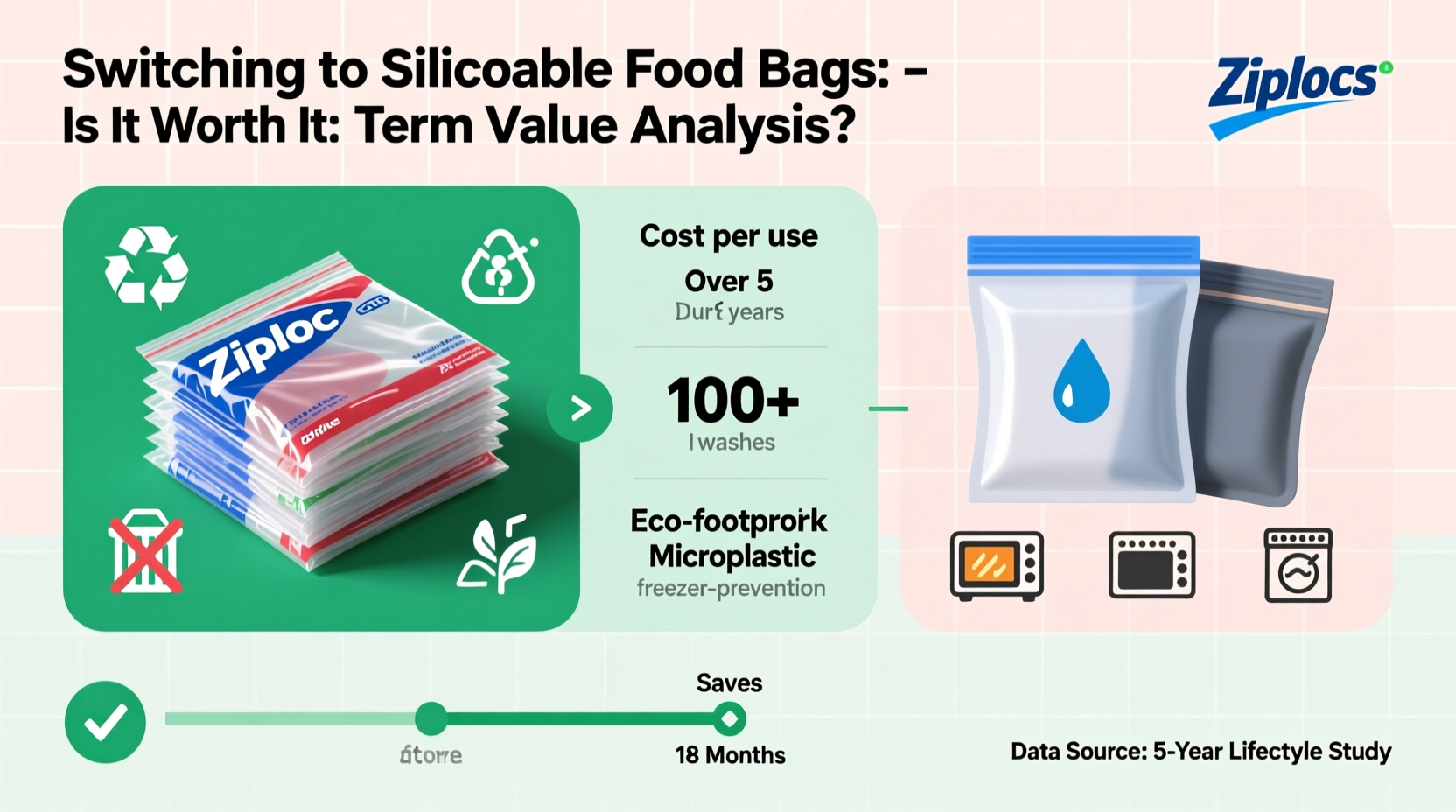
Silicone food bags are designed to be reused hundreds of times if properly cared for. Most high-quality brands claim a lifespan of 3 to 5 years under regular use. Unlike plastic bags that tear easily or develop weak seals after one or two uses, food-grade silicone is highly flexible, resistant to cracking, and maintains its integrity through repeated washing and temperature changes.
Independent lab tests show that premium silicone bags can endure over 100 cycles in boiling water, freezing temperatures, and dishwasher cleaning without degradation. However, lower-cost alternatives may use thinner materials or inferior sealing mechanisms, leading to premature wear. Look for certifications like FDA approval and BPA-free labeling to ensure quality.
Tip: Avoid sharp utensils inside the bag and always hand-dry seams to prevent moisture buildup that could degrade the zipper seal over time.Cost Comparison: Upfront Investment vs. Long-Term Savings
At first glance, reusable silicone bags appear expensive. A single high-quality quart-sized bag can cost between $8 and $15. In contrast, a box of 50 standard Ziploc bags retails for around $5. But when evaluating long-term value, the equation shifts significantly.
If you use five plastic bags per week, you’ll go through roughly 260 bags per year. At $5 per 50 bags, that’s about $26 annually. Over five years, that totals $130—more than enough to purchase a full set of reusable silicone bags (typically 4–6 pieces) and still come out ahead financially.
| Factor | Ziploc-Style Plastic Bags | Reusable Silicone Bags |
|---|---|---|
| Average Cost per Unit (equivalent size) | $0.10 | $10–$15 (one-time) |
| Lifespan | Single use | 3–5 years (100+ uses) |
| Annual Cost (5 bags/week) | $26 | $0 after initial purchase |
| Total Waste Generated (5 years) | 1,300 plastic bags | 0 (if not damaged) |
| Maintenance Required | None | Washing after each use |
The financial break-even point typically occurs within 6 to 12 months of regular use. After that, every reuse translates into savings and reduced waste.
Environmental Impact: Beyond Recycling Hype
One of the strongest arguments for switching to silicone bags is environmental. While many consumers assume plastic bags are recyclable, most curbside programs do not accept them due to contamination risks and processing limitations. Even when collected, only a small fraction of polyethylene bags are actually recycled—less than 10%, according to the EPA.
Silicone, though technically a synthetic polymer, behaves differently. It does not break down into microplastics and is inert in landfills. When incinerated, it returns to its base components: amorphous silica, carbon dioxide, and water vapor—none of which are toxic. Importantly, silicone production has a higher initial carbon footprint than plastic, but this is offset by reuse frequency.
“Over their lifecycle, reusable silicone bags generate 75% less greenhouse gas emissions compared to single-use plastics when used more than 50 times.” — Dr. Lena Torres, Sustainable Materials Researcher at GreenTech Institute
Still, true sustainability requires consistent reuse. If a silicone bag is discarded after six months due to poor care or loss, its environmental benefit diminishes. The key is longevity through proper handling.
Health and Safety: Are Silicone Bags Safer Than Plastic?
Concerns about chemicals leaching from plastic containers into food have grown in recent years. Traditional plastic bags often contain additives like phthalates or bisphenols (even if labeled “BPA-free”), especially when exposed to heat or acidic foods. These compounds are linked to endocrine disruption and other health issues.
Food-grade platinum-cured silicone—the standard for reputable reusable bags—is chemically stable. It resists oxidation, doesn’t support microbial growth, and won’t leach harmful substances even when used with hot soups, frozen meats, or citrus-based marinades. Independent testing labs such as NSF International confirm that top-tier silicone bags meet strict food contact standards.
However, not all products are equal. Some budget brands may use lower-grade silicone mixed with fillers that can degrade or emit odors over time. Always check for third-party certifications and avoid products with strong chemical smells upon opening.
Do’s and Don’ts for Safe Use
- Do choose bags labeled “platinum-cured” and FDA-approved.
- Do wash before first use and air dry completely.
- Don’t use with raw meat unless immediately cleaned afterward.
- Don’t store oily or strongly pigmented foods (like turmeric) for extended periods without thorough cleaning.
- Don’t microwave unless explicitly stated safe by the manufacturer.
Real-World Usability: A Family Kitchen Case Study
The Martinez family of four in Portland, Oregon, switched to reusable silicone bags six months ago as part of a broader zero-waste initiative. They previously used an average of eight plastic bags per week—for packed lunches, leftovers, and meal prep—spending about $30 annually.
They invested $80 in a starter kit of six silicone bags (various sizes). Initially, remembering to wash and dry them was a challenge. Two bags were lost during travel, and one developed a mild odor after storing garlic-heavy sauce. But after implementing a routine—rinsing immediately after use, weekly deep cleaning with baking soda, and designating a drawer for storage—they found the system reliable.
Now, they estimate saving $20 per year and eliminating over 200 plastic bags from landfill. Their children use smaller snack-sized bags daily for fruit and crackers. One unexpected benefit: the clear design and labeling space helped reduce food waste by improving visibility in the fridge.
“It took three weeks to adjust,” says Maria Martinez, “but now it feels unnatural to reach for plastic. We’d never go back.”
Maintenance Guide: How to Maximize Bag Lifespan
To get the most value from your investment, follow these steps for ongoing care:
- Rinse Immediately: After emptying contents, rinse with warm water to prevent staining or odor absorption.
- Wash Thoroughly: Hand wash with mild dish soap or place in the top rack of the dishwasher (check manufacturer guidelines).
- Deodorize Monthly: Soak in a solution of water and baking soda (1 tbsp per cup) for 30 minutes to neutralize lingering smells.
- Dry Completely: Hang upside down or prop open to ensure no moisture remains in the seal, which can promote mold.
- Store Properly: Keep in a cool, dry drawer away from direct sunlight to prevent discoloration.
- Inspect Regularly: Check for cracks, warping, or weakened zippers. Replace only if compromised.
FAQ: Common Questions About Silicone Food Bags
Can I freeze food in silicone bags?
Yes, most high-quality silicone bags are freezer-safe. Ensure the bag is sealed properly and leave headspace for liquid expansion. Lay flat for efficient stacking and faster thawing.
Are silicone bags dishwasher safe?
Many are, but always refer to the manufacturer’s instructions. Place them on the top rack to avoid exposure to excessive heat near the heating element, which can warp seals over time.
What happens when they wear out? Can they be recycled?
Silicone is not widely accepted in municipal recycling programs. However, some companies offer take-back programs. Alternatively, repurpose worn bags for non-food uses like organizing hardware or storing wet swimsuits. As a last resort, dispose responsibly—silicone degrades slowly but safely in landfills.
Checklist: Is Switching Right for You?
Before committing, assess your lifestyle using this checklist:
- ✅ Do you regularly use disposable plastic bags for storage or packing?
- ✅ Are you willing to adopt a cleaning routine similar to dishes?
- ✅ Do you have space to store reusable bags conveniently?
- ✅ Are you looking to reduce household waste or live more sustainably?
- ✅ Is upfront cost manageable for long-term payoff?
- ✅ Do you frequently freeze, reheat, or transport meals?
If you answered yes to most of these, silicone bags are likely a smart upgrade. If convenience is your top priority and usage is infrequent, occasional plastic use may remain practical.
Final Verdict: Worth It—With Conditions
Reusable silicone food bags are absolutely worth switching from Ziplocs—if you commit to using them consistently. The environmental benefits are clear: fewer plastics in circulation, reduced pollution, and less strain on recycling systems. Financially, they pay for themselves within a year for average users. Health-wise, they offer a safer, non-leaching alternative to conventional plastics.
But their success hinges on behavior. They require effort: washing, drying, storing, and tracking. Without that discipline, they become underused clutter, negating both economic and ecological advantages.
The ideal user is someone already organized in the kitchen, motivated by sustainability, and open to small habit shifts. For families, meal preppers, outdoor enthusiasts, or anyone tired of buying endless boxes of plastic, silicone bags deliver tangible long-term value.
“The most sustainable product is the one you actually use—and reuse.” — Sarah Kim, Circular Economy Advocate
Take Action Today
Start with one or two high-quality silicone bags for your most frequent uses—lunch packing or freezing leftovers. Test them for a month. If they fit seamlessly into your routine, expand your collection gradually. Share your experience, track your plastic reduction, and inspire others to consider smarter alternatives.
💬 Have you made the switch? What worked—or didn’t work—for you? Share your story in the comments and help build a community of mindful kitchen choices.