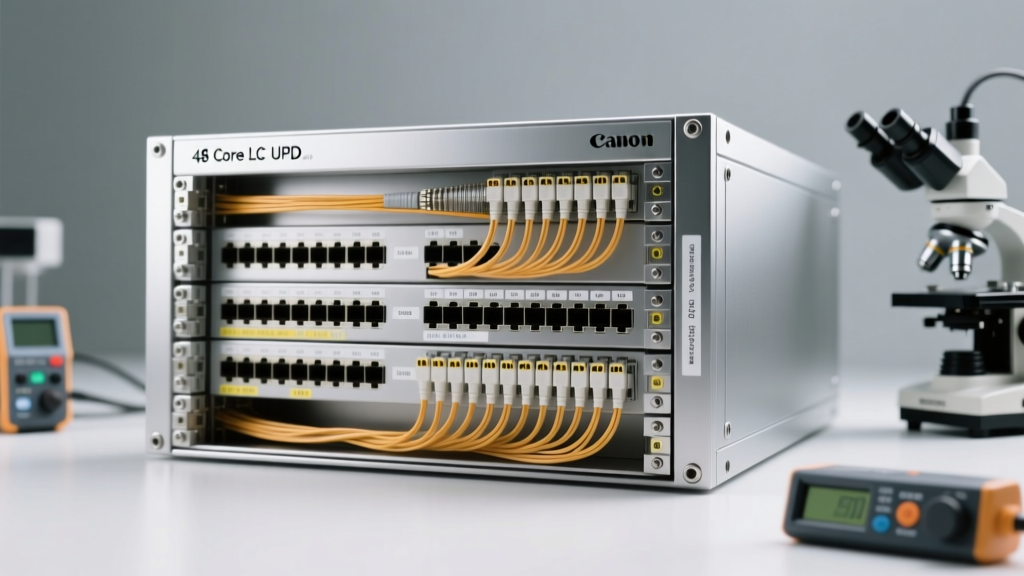
Types of Air-Blown Micro Optic Fiber Cables
Air-blown micro optic fiber cables are an innovative solution in modern fiber optic network deployment, designed for flexibility, scalability, and ease of installation. These cables are installed using compressed air or low-pressure systems to "blow" the fiber through pre-laid micro ducts, reducing labor costs and installation time. This section provides a comprehensive overview of the various types of air-blown fiber cables, their construction, advantages, and ideal applications.
Single-Core Pneumatic Fiber Cable
Designed for high-speed, point-to-point data transmission, single-core pneumatic fiber cables contain only one glass fiber strand. This simplicity ensures minimal signal loss and maximum bandwidth over long distances.
Advantages
- Optimized for high-speed data transmission
- Low signal attenuation and dispersion
- Ideal for dedicated links requiring maximum performance
- Easy to manage and terminate
Limitations
- Limited capacity (only one fiber strand)
- Less scalable for future expansion
- Requires multiple cables for multi-channel setups
Best for: Telecommunications backbones, data center interconnects, and high-frequency trading networks
Multi-Core Pneumatic Fiber Cable
Multi-core cables integrate multiple fiber strands—grouped into cores—within a single pneumatic tube. Common configurations include 2, 3, or 5-core designs, allowing parallel data transmission and increased network capacity without additional ducting.
Advantages
- Higher data capacity and throughput
- Space-efficient design for dense installations
- Scalable for growing network demands
- Reduces the number of required micro ducts
Limitations
- Slightly more complex termination process
- Higher initial cost compared to single-core
- Potential for cross-talk if not properly insulated
Best for: Enterprise networks, telecom hubs, campus-wide infrastructure, and cloud service providers
Armored Pneumatic Fiber Cable
These cables feature a robust outer layer made of steel or aluminum, providing superior mechanical protection. The armor shields the delicate glass fibers from crushing, rodent damage, and environmental hazards, making them ideal for challenging installations.
Advantages
- Exceptional durability and impact resistance
- Suitable for direct burial and outdoor use
- Protects against rodent and crush damage
- Includes internal pneumatic channel for future upgrades
Limitations
- Heavier and less flexible than non-armored types
- Requires specialized tools for termination
- Higher material and installation cost
Best for: Underground deployments, industrial plants, utility corridors, and harsh outdoor environments
Rugged Pneumatic Fiber Cable
Engineered for extreme conditions, rugged pneumatic fiber cables offer enhanced resistance to moisture, temperature fluctuations, UV radiation, and physical stress. Their reinforced jacketing ensures long-term reliability in demanding settings.
Advantages
- Superior environmental protection
- Resistant to water, oil, and chemicals
- Operates reliably in extreme temperatures (-40°C to +70°C)
- Durable for temporary or mobile installations
Limitations
- Higher cost than standard cables
- Bulkier design may limit routing options
- May require protective conduit in some cases
Best for: Mining operations, oil and gas facilities, military applications, and remote construction sites
Blowing PVC Pneumatic Fiber Cable
Constructed with a lightweight PVC jacket, these cables are specifically designed for air-assisted installation. Their smooth outer surface and low friction coefficient allow for easy blowing over long distances through micro ducts.
Advantages
- Lightweight and highly flexible
- Low friction for efficient blowing installation
- Cost-effective for large-scale deployments
- Ideal for tight spaces like walls and ceilings
Limitations
- Less durable than armored or rugged variants
- Not suitable for outdoor or buried applications
- Limited UV and moisture resistance
Best for: Indoor cabling, office buildings, data centers, and residential FTTH (Fiber to the Home) installations
| Type | Core Count | Durability | Installation Environment | Best Application |
|---|---|---|---|---|
| Single-Core | 1 | Medium | Indoor, controlled | High-speed dedicated links |
| Multi-Core | 2–5 | Medium | Indoor/semi-outdoor | Enterprise & telecom networks |
| Armored | 1–5 | Excellent | Outdoor, underground | Industrial & buried installations |
| Rugged | 1–5 | Very Good | Harsh environments | Mining, oil & gas, military |
| Blowing PVC | 1–3 | Fair | Indoor, confined spaces | Office, residential, data centers |
Expert Tip: When planning air-blown fiber installations, ensure micro ducts are clean and free of obstructions. Use compatible lubricants and follow manufacturer-recommended blowing pressures to prevent fiber damage and ensure smooth deployment.
Durability and Dependability of Blown-In Fiber Cables
Blown-in fiber cables are engineered for long-term performance in demanding environments. Their advanced construction ensures both durability and dependability, making them ideal for modern telecommunications, industrial networks, and outdoor infrastructure. Understanding these two key attributes helps organizations make informed decisions about network reliability and lifecycle costs.
Durability: Built to Withstand Harsh Conditions
Robust Physical Protection
Blown-in fiber cables are designed with multiple layers of protection to resist physical damage across diverse installations. Armored variants incorporate steel or aluminum interlocking shields that protect against crushing forces, rodent bites, and accidental impacts during installation or maintenance.
These ruggedized versions are especially valuable in underground conduits, industrial plants, and high-traffic areas where mechanical stress is common.
Shock-Absorbing Cushioning
The use of blown-in PVC around the fiber core provides a critical layer of mechanical protection. This cushioning effect absorbs shocks and vibrations, minimizing micro-bending and fiber breakage during handling, pulling, or environmental shifts.
It also enhances performance during sudden temperature fluctuations, preventing stress fractures and maintaining structural integrity in extreme climates—from freezing winters to scorching summers.
High-Performance Outer Sheath
The outer sheath of blown-in fiber cables is constructed from premium materials such as high-density polyethylene (HDPE) or fluoropolymers like FEP and PTFE. These materials offer exceptional resistance to moisture, ultraviolet (UV) radiation, chemicals, and abrasion.
This makes the cables suitable for prolonged outdoor exposure, direct burial, and use in corrosive industrial environments without degradation in performance or lifespan.
Future-Proof Expandability
One of the standout durability advantages of blown-in fiber systems is their scalability. Extra fiber strands can be pneumatically installed into existing microducts as bandwidth demands grow, eliminating the need for full cable replacement.
This reduces wear-and-tear on infrastructure and minimizes downtime, extending the system’s usable life and lowering total cost of ownership over time.
Dependability: Consistent, High-Quality Signal Transmission
Low Signal Attenuation Over Distance
Blown-in fiber cables leverage the inherent advantages of optical fiber technology, offering significantly lower signal attenuation compared to traditional copper wiring. This allows data to travel over tens of kilometers without requiring repeaters or signal boosters.
The result is uninterrupted, high-speed connectivity ideal for backbone networks, rural broadband, and metropolitan area networks (MANs), ensuring consistent performance even over long distances.
Double-Wall Fiber Design
Double-wall blown fibers feature two concentric layers of glass: an inner core that serves as the primary transmission medium and an outer cladding with a smooth, protective surface. This dual-layer structure enhances mechanical strength and optical isolation.
By shielding the inner fiber from micro-bends and external pressure, this design preserves signal integrity, reduces latency, and prevents outages caused by physical disturbances in the conduit.
Immunity to Electromagnetic Interference (EMI)
Unlike copper cables, which act as antennas for electromagnetic noise, fiber optic cables transmit data using light pulses—making them completely immune to EMI and radio frequency interference (RFI).
This makes blown-in fiber cables highly reliable in electrically noisy environments such as factories, power plants, hospitals, and transportation hubs, where machinery and high-voltage equipment can disrupt conventional cabling.
High Bandwidth Capacity
Modern pneumatic fiber systems are engineered to support multi-gigabit and even terabit-level bandwidths. This enables seamless support for bandwidth-intensive applications including HD video conferencing, real-time cloud computing, large-scale IoT deployments, and 5G backhaul networks.
Their future-ready architecture ensures network scalability and adaptability to evolving digital demands without requiring infrastructure overhauls.
| Feature | Benefit | Best Use Cases |
|---|---|---|
| Armored Construction | Resists crushing, rodents, and impact | Underground installations, industrial sites |
| PVC Blown Cushioning | Reduces micro-bending and thermal stress | Extreme climates, dynamic environments |
| HDPE/Fluoropolymer Sheath | Waterproof, UV-resistant, chemically stable | Outdoor runs, coastal areas, chemical plants |
| EMI Immunity | No signal degradation from electrical noise | Hospitals, manufacturing, data centers |
| Expandable Fiber Capacity | Easy upgrades without new trenching | Urban networks, campus expansions |
Important: While blown-in fiber cables are highly durable and dependable, proper installation and handling remain crucial. Always follow manufacturer guidelines for blowing pressure, bend radius, and storage conditions to avoid damaging the fibers. Poor installation practices can negate the inherent advantages of the system, leading to signal loss or premature failure.
Commercial Uses of Fiber Optic Cables
Fiber optic cables have become the backbone of modern commercial infrastructure, enabling ultra-fast, reliable, and scalable communication networks across industries. Their ability to transmit large volumes of data over long distances with minimal signal loss makes them indispensable in today’s connected business environment.
Commercial Real Estate
Modern office buildings and mixed-use developments rely on fiber optic connectivity to meet the high-speed internet demands of tenants. Property managers install fiber to support cloud-based operations, video conferencing, and real-time data access—critical for productivity in tech-driven workplaces.
- Enables gigabit+ internet speeds for seamless business operations
- Supports smart building systems (security, HVAC, lighting) via integrated networks
- Increases property value and tenant satisfaction with future-ready infrastructure
Key benefit: Future-proofs buildings against rising bandwidth demands
Telecommunications
Telecom providers use blown fiber cable systems to rapidly expand and maintain their network infrastructure. The pneumatic installation method allows for quick deployment and easy upgrades without disruptive trenching or rewiring.
- Facilitates rapid service rollouts in urban and suburban areas
- Reduces downtime during network expansions or repairs
- Supports 5G backhaul and FTTH (Fiber to the Home) initiatives
Pro insight: Blown fiber reduces installation time by up to 50% compared to traditional methods
Data Centers
Data centers depend on high-density fiber optic networks to interconnect servers, storage systems, and networking equipment. Pneumatically installed PVC fiber cables offer superior bandwidth and low latency, essential for handling massive data workloads.
- Supports 10G, 40G, and 100G+ network speeds for high-performance computing
- Enables efficient data replication, backup, and disaster recovery
- Improves energy efficiency by reducing signal degradation and retransmission
Technical advantage: Fiber reduces heat generation compared to copper, lowering cooling costs
Education Sector
Schools, universities, and research campuses use blown fiber to deliver robust, high-speed internet across large facilities. This supports e-learning platforms, digital classrooms, and campus-wide Wi-Fi networks.
- Ensures uninterrupted access to online learning tools and cloud-based applications
- Supports thousands of simultaneous users across lecture halls, dorms, and labs
- Enables secure, high-capacity networks for research and administrative functions
Impact: Enhances digital equity and educational outcomes through reliable connectivity
Public Infrastructure & Smart Cities
Transportation systems, traffic control, and municipal services use fiber optic networks to maintain real-time communication. Blown fiber is ideal for smart city projects, connecting IoT devices like surveillance cameras, sensors, and emergency response systems.
- Supports intelligent traffic management and public safety networks
- Enables real-time monitoring of utilities (water, power, waste)
- Provides resilient communication backbone for emergency services
Urban advantage: Fiber supports scalable, city-wide digital transformation
Industrial & Manufacturing
In industrial environments, fiber optics provide noise-immune, high-bandwidth communication essential for automation, robotics, and machine-to-machine (M2M) connectivity. Pneumatic fiber installations withstand harsh conditions while delivering consistent performance.
- Resists electromagnetic interference (EMI) common in factory settings
- Supports real-time monitoring and control of production lines
- Enables integration with Industry 4.0 technologies like predictive maintenance
Reliability factor: Fiber ensures uptime in mission-critical manufacturing operations
Healthcare Facilities
Hospitals and medical centers use fiber optic networks to securely transmit large medical files—such as imaging scans (MRI, CT), electronic health records (EHR), and telemedicine data—with zero latency and high reliability.
- Ensures HIPAA-compliant, secure data transfer between departments
- Supports real-time telehealth consultations and remote diagnostics
- Enables fast access to patient records across multi-campus health systems
Critical use: Life-saving applications depend on uninterrupted network performance
Construction & Engineering
During large-scale construction projects, fiber is installed early to establish the communication backbone for both the project site and future occupants. Blown fiber systems are preferred for their flexibility and ease of modification.
- Allows for future expansion without major retrofitting
- Reduces labor and material costs during installation
- Simplifies network upgrades as technology evolves
Long-term value: Infrastructure built today supports next-generation services tomorrow
Industry Insight: Organizations investing in fiber optic infrastructure today are positioning themselves for long-term scalability, reduced operational costs, and enhanced service delivery. Whether for enterprise connectivity, public services, or industrial automation, fiber optics offer a future-proof solution that adapts to evolving technological demands.
| Sector | Primary Use Case | Key Fiber Benefit | Installation Method |
|---|---|---|---|
| Commercial Real Estate | High-speed tenant internet | Scalability & future readiness | Blown fiber in microducts |
| Telecom | Network expansion & 5G backhaul | Rapid deployment & low maintenance | Pneumatic installation |
| Data Centers | Server interconnectivity | Low latency & high bandwidth | Dense fiber bundles |
| Healthcare | Medical data transmission | Security & reliability | Direct burial & conduit |
| Smart Cities | IoT & traffic systems | Long-distance signal integrity | Blown fiber in underground ducts |
| Manufacturing | Automation & M2M communication | EMI resistance & durability | Industrial-grade cabling |
Emerging Trends & Strategic Advantages
- Bandwidth Scalability: Fiber networks can be upgraded without replacing cables, simply by changing endpoint equipment
- Energy Efficiency: Fiber consumes less power than copper networks over long distances
- Security: Immune to tapping and eavesdropping, making it ideal for sensitive data environments
- Cost Efficiency: Lower total cost of ownership due to reduced maintenance and longer lifespan (25+ years)
- Sustainability: Supports green initiatives by enabling remote work, smart grids, and efficient resource management
How to Choose the Right Pneumatic Fiber Cable
Selecting the optimal pneumatic fiber cable is essential for ensuring reliable, high-performance data transmission in modern network infrastructures. Whether deploying in industrial environments, urban telecom networks, or data centers, the right cable choice impacts longevity, scalability, and operational efficiency. This comprehensive guide explores the key selection criteria—bandwidth needs, installation conditions, cable types, customization options, and cost considerations—to help you make an informed decision tailored to your specific application.
Important Note: Pneumatic fiber cables—also known as blown fiber systems—are designed for installation using compressed air to "blow" fibers through microducts. This method enables rapid deployment, future upgrades, and reduced labor costs compared to traditional cabling methods.
Key Factors in Pneumatic Fiber Cable Selection
- Bandwidth Requirements
The required data throughput is one of the most critical factors in selecting a pneumatic fiber cable. Bandwidth needs vary significantly depending on the application:
- Low-bandwidth applications such as closed-circuit television (CCTV), building automation systems, or access control systems typically perform well with single-core pneumatic fiber cables. These are cost-effective and sufficient for transmitting smaller data volumes over moderate distances.
- High-bandwidth applications including data center interconnects, telecommunications backbones, enterprise networks, and 5G infrastructure require multi-core pneumatic fiber cables. These support higher data rates by allowing multiple fibers to be installed in parallel, enabling scalability and future-proofing for growing network demands.
Always assess current and projected bandwidth usage to avoid premature obsolescence or costly upgrades.
- Installation Environment
The physical and environmental conditions of the deployment site play a major role in determining the appropriate cable type. Choosing a cable that matches the environment ensures durability and minimizes maintenance:
- Rugged or hazardous environments (e.g., industrial plants, construction zones, underground conduits) benefit from armored pneumatic fiber cables. These feature a protective metallic or corrugated layer that resists crushing, rodent damage, and mechanical stress.
- Moisture-prone or high-temperature areas (such as outdoor installations, tunnels, or coastal regions) require ruggedized cables with enhanced moisture barriers and temperature-resistant jackets (e.g., polyethylene or LSZH).
- Confined or complex routing paths (e.g., within office walls, tight risers, or existing duct systems) are ideal for blowing PVC microduct cables. Their smooth inner lining and small diameter allow fibers to be pneumatically installed with minimal friction and maximum reach.
Conduct a site survey to evaluate environmental stressors before finalizing your cable selection.
- Type of Fiber Cable
Pneumatic fiber cables are available in various configurations, each suited to different use cases:
- Armored Pneumatic Fiber Cables: Designed for harsh environments, these provide superior mechanical protection and are resistant to impact, vibration, and abrasion. Ideal for outdoor, underground, or industrial deployments where physical threats are present.
- Standard (Non-Armored) Pneumatic Fiber Cables: Lightweight and flexible, these are best suited for indoor or low-risk installations such as office buildings, campuses, or data centers where environmental hazards are minimal.
- Microduct Bundles: Often used in blown fiber systems, these consist of multiple small-diameter ducts grouped together, allowing individual fibers to be installed or upgraded later without disturbing the entire network.
Selecting the right type ensures optimal performance and protection without over-engineering for the application.
- Customization and Future-Proofing Flexibility
One of the greatest advantages of pneumatic fiber systems is their scalability and adaptability:
- Blown PVC microducts allow network operators to install additional fibers at any time using compressed air, eliminating the need for disruptive re-cabling. This supports incremental growth and technology upgrades (e.g., from 1G to 10G or beyond).
- Multi-core cables can be pre-loaded with multiple fibers (e.g., 2, 4, 12, or 24 strands) based on current needs, with the option to activate more as demand increases.
- Custom jacket colors, fiber counts, and labeling options enhance organization and simplify troubleshooting in complex installations.
Investing in a modular, blowable system provides long-term flexibility and reduces total cost of ownership over time.
- Cost Considerations
Budget constraints are always a factor, but cost should be evaluated in terms of total lifecycle value rather than upfront price alone:
- Higher-end cables like armored or ruggedized versions may have a premium initial cost but offer extended lifespan, reduced failure rates, and lower maintenance expenses—making them more economical in demanding environments.
- Standard pneumatic fiber cables are more affordable and suitable for controlled, low-risk installations where protection requirements are minimal.
- Consider the long-term savings from blown fiber systems: reduced labor for future upgrades, minimal downtime, and avoidance of full cable replacement.
Balance performance needs with budget by choosing a solution that meets current demands while supporting future expansion.
| Selection Factor | Recommended Cable Type | Best For | Not Recommended For |
|---|---|---|---|
| Low Bandwidth Needs | Single-core pneumatic fiber | CCTV, access control, lighting systems | Data centers, high-speed networks |
| High Bandwidth Needs | Multi-core pneumatic fiber | Telecom, cloud services, enterprise networks | Simple point-to-point sensors |
| Hazardous Environment | Armored pneumatic cable | Industrial, underground, outdoor | Indoor office spaces |
| Future Expansion | Blowing PVC microducts | Smart buildings, campus networks | Static, one-time installations |
| Budget-Conscious Projects | Standard non-armored cable | Indoor, low-risk environments | High-traffic or exposed areas |
Expert Tip: When planning a pneumatic fiber deployment, collaborate with your supplier or installer early to design a microduct layout that supports future scalability. Pre-installing empty microducts in parallel allows for easy fiber upgrades without new trenching or wall modifications.
Final Recommendations
- Always match the cable specification to the environmental and performance requirements of the installation site.
- Prioritize blown fiber systems in dynamic environments where network changes are expected.
- Use armored cables in areas prone to physical damage, moisture, or extreme temperatures.
- Document your fiber infrastructure with clear labeling and as-built drawings for easier maintenance.
- Consult with fiber optic specialists or manufacturers to validate your selection based on real-world deployment data.
Choosing the right pneumatic fiber cable is not just about meeting today’s needs—it’s about building a resilient, scalable, and cost-effective network for the future. By carefully evaluating bandwidth, environment, cable type, customization, and cost, you can ensure optimal performance and long-term reliability across your entire fiber infrastructure.
Frequently Asked Questions About Pneumatic and Blown Fiber Cables
Q1. What are the main factors buyers should consider when purchasing blown fiber cables?When investing in blown fiber cable systems, buyers must evaluate several critical factors to ensure long-term performance, scalability, and cost-efficiency. These considerations help match the cable solution to the specific infrastructure and operational needs:
- Installation Space & Flexibility: Blown fiber systems are ideal for congested or complex environments where traditional cabling is difficult. They allow fibers to be installed on-demand through pre-laid microducts, minimizing disruption during upgrades or expansions.
- Cost and Budget: While the initial installation of microduct pathways may have higher upfront costs, blown fiber reduces long-term expenses by eliminating the need to replace entire cables when bandwidth demands increase.
- Customization Options: These systems support modular deployment—fibers can be blown in different configurations (single-mode, multi-mode, varying core counts) based on application needs, offering future-proof adaptability.
- Core Count: Choose a system that supports scalable core counts. Some installations start with fewer fibers and expand over time, reducing initial material and labor costs.
- Fiber Type: Decide between single-mode (ideal for long-distance, high-bandwidth applications like data centers and telecom) and multi-mode (suited for shorter distances such as LANs and campus networks).
- Environmental Conditions: Consider temperature ranges, moisture exposure, UV resistance, and physical stress. Outdoor or industrial installations may require armored or gel-filled variants to protect against harsh conditions.
By carefully assessing these elements, organizations can deploy a flexible, future-ready network infrastructure that evolves with technological demands.
Q2. What is the main function of pneumatic fiber cables in commercial places?Pneumatic (or blown) fiber cable systems play a pivotal role in modern commercial network infrastructure by enabling rapid, efficient, and non-disruptive deployment of fiber optics. Their primary function is to streamline the installation and scalability of high-speed data networks across large buildings, campuses, and enterprise environments.
- Fast Deployment: Using compressed air or low-pressure gas, fiber bundles are "blown" into pre-installed microducts at speeds up to 150 feet per minute, significantly reducing installation time compared to pulling cables manually.
- Future-Proofing: Businesses can install empty ducts during construction and add fiber only when needed—ideal for phased rollouts or anticipating future bandwidth growth without rewiring.
- Minimal Downtime: Upgrades or repairs don’t require tearing down walls or ceilings. Technicians simply blow new fibers through existing pathways, maintaining business continuity.
- High-Density Applications: Data centers, office complexes, hospitals, and universities benefit from the ability to manage hundreds of fibers in compact duct bundles, supporting gigabit-to-terabit connectivity.
This combination of speed, flexibility, and scalability makes pneumatic fiber systems a preferred choice for commercial environments aiming to maintain cutting-edge communication capabilities.
Q3. What are the common materials around which the blowing PVC of pneumatic fiber cables is based?The tubing used in pneumatic fiber cable systems—often referred to as microducts or blowing tubes—is engineered for smooth internal surfaces and durability to facilitate easy fiber insertion. The most commonly used materials include:
| Material | Properties | Common Use Cases |
|---|---|---|
| Polyethylene (PE) | Flexible, moisture-resistant, UV-stable, and cost-effective. High-density polyethylene (HDPE) offers excellent crush resistance. | Outdoor installations, underground conduits, direct burial applications. |
| Fluoropolymers (e.g., FEP, PTFE) | Low friction coefficient, high thermal stability, chemical resistance, and excellent dielectric properties. | Indoor plenum spaces, data centers, environments requiring fire safety compliance. |
| Polyvinyl Chloride (PVC) | Flame-retardant, rigid, and suitable for indoor use. Less flexible than PE but easier to terminate. | Indoor riser cables, building backbones, vertical shafts. |
In addition to the base tube material, many pneumatic fiber cables incorporate reinforcing layers such as:
- Aramid Yarn (e.g., Kevlar): Adds tensile strength and protects against pulling forces during installation.
- Steel Wire or Armor: Used in armored variants to prevent crushing, rodent damage, or tampering in high-risk areas.
- Water-Blocking Gel or Tapes: Prevent moisture ingress in outdoor or humid environments.
These material choices ensure the delicate optical fibers inside remain protected while allowing smooth, reliable blowing over long distances.
Q4. What makes pneumatic fiber cables better for industrial use than others?Pneumatic fiber cables are uniquely suited for industrial environments due to their robust design and adaptive installation method. Unlike traditional fiber cables that are vulnerable to mechanical stress and environmental degradation, blown fiber systems offer enhanced resilience and operational efficiency in demanding settings.
- Environmental Resistance: Industrial sites often expose cables to extreme temperatures, humidity, oil, chemicals, and corrosive substances. Blown fiber microducts are typically made from HDPE or fluoropolymers that resist these conditions, preserving signal integrity.
- Moisture and Dust Protection: Sealed duct systems prevent water and particulate ingress, crucial in manufacturing plants, refineries, and outdoor facilities.
- Vibration and Physical Impact Tolerance: When combined with armored inner cables or protective conduits, pneumatic systems withstand constant vibration from machinery and accidental impacts.
- Long-Distance Installation Without Splices: Fibers can be blown up to 2,000 meters in a single run, reducing signal loss points and maintenance needs—ideal for sprawling industrial campuses.
- Scalability Under Harsh Conditions: Factories and power plants can pre-install duct networks during construction and upgrade fiber capacity remotely as automation and IoT systems expand.
These advantages make pneumatic fiber solutions a reliable backbone for industrial communication networks, including SCADA systems, process control, and real-time monitoring applications.
Q5. Are armored pneumatic fiber cables worth the extra cost compared to standard ones?Yes, armored pneumatic fiber cables are generally worth the additional investment in environments where physical threats or harsh conditions are present. While standard cables are sufficient for controlled indoor or low-risk areas, armored versions provide critical protection that enhances longevity, safety, and performance.
- Superior Mechanical Protection: Integrated metal armor (usually corrugated steel or aluminum) shields against crushing, rodent bites, accidental digging, and heavy equipment pressure—common risks in industrial, outdoor, or underground installations.
- Enhanced Durability: Armor increases the cable’s lifespan, reducing the frequency of replacements and lowering total cost of ownership over time.
- Improved Grounding & EMI Resistance: Metallic armor can act as a grounding path and provide shielding against electromagnetic interference (EMI), which is vital near motors, transformers, or high-voltage equipment.
- Safety Compliance: In hazardous locations, armored cables meet stringent fire, safety, and mechanical standards (e.g., NEC, IEC, UL), ensuring regulatory compliance.
- Reduced Downtime Risk: The added resilience minimizes the chance of network outages due to cable damage, which is crucial for mission-critical operations.
Although armored pneumatic fiber cables cost 20–40% more than standard versions, their ability to prevent costly repairs, maintain uptime, and protect sensitive data justifies the premium in high-risk or mission-critical applications. For standard office environments, however, unarmored variants may suffice and offer better cost efficiency.