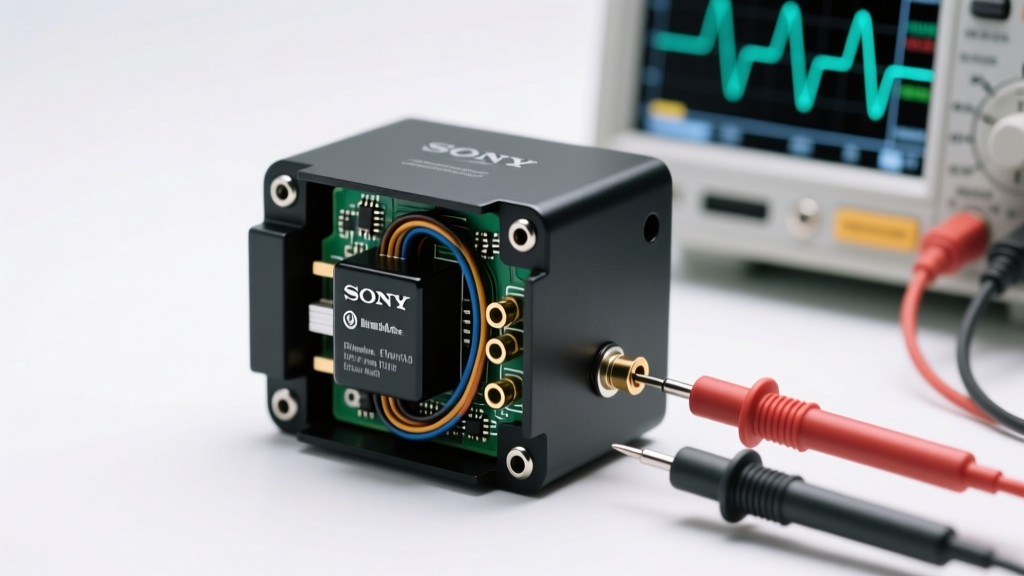
Types of 8790160 Battery Cell: LiFePO4 and Beyond
The 8790160 battery cell is a high-performance lithium-based energy storage solution increasingly used across electric vehicles, renewable energy systems, and industrial applications. While commonly associated with Lithium Iron Phosphate (LiFePO4) chemistry, the 8790160 designation may also refer to cells with alternative lithium-ion formulations designed for specific performance needs.
LiFePO4 cells are available in multiple physical formats—prismatic, cylindrical, and pouch—each optimized for space efficiency, thermal management, and mechanical stability. These structural variations allow manufacturers to tailor battery packs for applications ranging from EVs to solar energy storage.
LiFePO4 (Lithium Iron Phosphate)
One of the safest and most stable lithium-ion chemistries, known for long cycle life and thermal resilience.
Advantages
- Exceptional thermal and chemical stability
- Long cycle life (2,000–5,000+ cycles)
- High safety with low risk of thermal runaway
- Environmentally friendly (no cobalt)
- Stable voltage output throughout discharge
Limitations
- Slightly lower energy density than NCA or NMC
- Higher initial cost in some configurations
- Performance drops in extreme cold without heating
Best for: Solar storage, marine applications, electric buses, and safety-critical systems
Polycarbonate (PC) Enclosures
While not a battery chemistry, polycarbonate is a critical structural material used in 8790160 battery enclosures due to its strength-to-weight ratio.
Advantages
- High impact resistance and durability
- Lightweight, improving energy efficiency
- Heat-resistant (withstands up to 130°C)
- Excellent electrical insulation properties
- UV and corrosion resistant
Limitations
- Can degrade under prolonged UV exposure without coating
- More expensive than ABS plastics
- Requires precise manufacturing for sealing
Best for: Electric vehicle battery packs, portable power stations, and outdoor energy systems
NiCoAl (NCA) – Nickel Cobalt Aluminum
High-energy lithium-ion chemistry using a cathode blend of nickel, cobalt, and aluminum, commonly used in premium EVs.
Advantages
- Very high energy density (up to 250 Wh/kg)
- Excellent power-to-weight ratio
- Long driving range in EVs
- Good cycle life with proper management
Limitations
- Higher risk of thermal runaway
- More expensive due to cobalt content
- Requires advanced battery management systems (BMS)
- Sensitive to overcharging and overheating
Best for: High-performance electric vehicles (e.g., Tesla), aerospace, and premium consumer electronics
LMO (Lithium Manganese Oxide)
A thermally stable lithium-ion variant known for safety and consistent performance under load.
Advantages
- Excellent thermal stability and safety
- Good high-temperature performance
- Low internal resistance for high discharge rates
- Environmentally safer than cobalt-heavy chemistries
Limitations
- Moderate energy density (~100–150 Wh/kg)
- Shorter cycle life compared to LiFePO4
- Capacity fades faster over time
Best for: Power tools, medical devices, and hybrid electric vehicles
| Battery Type | Energy Density | Safety | Cycle Life | Best Application |
|---|---|---|---|---|
| LiFePO4 | Medium (90–160 Wh/kg) | Excellent | 2,000–5,000+ | Solar storage, EVs, marine |
| NiCoAl (NCA) | Very High (200–250 Wh/kg) | Fair | 1,000–2,000 | Premium EVs, aerospace |
| LMO | Medium (100–150 Wh/kg) | Very Good | 500–1,000 | Power tools, medical devices |
| Polycarbonate (Enclosure) | N/A | Enhances Safety | N/A | All high-performance battery packs |
Expert Tip: When selecting a battery chemistry for the 8790160 cell, prioritize LiFePO4 for longevity and safety in stationary or commercial applications, while NCA may be preferable for high-range EVs where energy density is critical. Always ensure the enclosure material (like polycarbonate) provides adequate thermal and mechanical protection.
Industrial Applications of 8790160 Battery Cell: LiFePO4 Technology
Lithium iron phosphate (LiFePO4) batteries, particularly those using high-performance cells like the 8790160 model, have become a cornerstone in modern industrial energy solutions. Known for their exceptional thermal stability, long cycle life, and safety profile, LiFePO4 batteries are increasingly replacing traditional lead-acid and other lithium-ion variants across critical sectors. Their robust chemistry makes them ideal for continuous, high-demand operations where reliability and longevity are paramount.
Renewable Energy Storage Systems
Energy Time-Shifting
LiFePO4 batteries play a vital role in solar and wind energy systems by storing excess electricity generated during peak production hours—such as midday sunlight or high-wind periods. This stored energy is then discharged during periods of high demand or low generation, ensuring a stable and uninterrupted power supply to homes, businesses, and microgrids.
Longevity and Efficiency
With cycle lives exceeding 3,000–7,000 full charge-discharge cycles (depending on depth of discharge), LiFePO4 batteries maintain over 80% capacity even after years of daily use. This durability reduces the total cost of ownership and minimizes the need for frequent replacements, making them economically viable for large-scale renewable installations.
Their high round-trip efficiency (typically 95% or higher) ensures minimal energy loss during charging and discharging, maximizing the utilization of clean energy. Additionally, LiFePO4 batteries perform reliably in a wide range of ambient temperatures, further enhancing their suitability for outdoor solar farms and remote wind installations.
Electric Vehicles and Public Transit
Safety and Thermal Stability
LiFePO4 chemistry is inherently safer than other lithium-ion types due to its stable olivine structure, which resists thermal runaway—a critical factor in electric vehicles (EVs) and electric buses. Even under overcharge, short-circuit, or high-temperature conditions, these batteries remain stable, reducing fire risks.
Daily Cycling Performance
Electric buses and heavy-duty EVs often undergo multiple charge-discharge cycles per day. The 8790160 LiFePO4 cell’s ability to handle deep cycling without significant degradation ensures consistent performance over years of operation. This contributes to lower maintenance costs and higher vehicle uptime in fleet operations.
While LiFePO4 batteries have a slightly lower energy density than NMC or NCA lithium-ion variants, they offer a balanced compromise between energy storage, power delivery, and lifespan. This makes them ideal for urban transit vehicles that prioritize safety, durability, and predictable range over maximum mileage per charge.
Industrial Material Handling Equipment
High Discharge Rates and Durability
Forklifts, automated guided vehicles (AGVs), and warehouse robotics demand batteries capable of delivering high currents for lifting, acceleration, and continuous operation. The 8790160 LiFePO4 cell supports high discharge rates while maintaining voltage stability, ensuring consistent power delivery under heavy loads.
Operational Efficiency
Unlike lead-acid batteries, LiFePO4 units do not require water topping, ventilation, or lengthy cooldown periods. They support opportunity charging, allowing operators to recharge during breaks without harming battery life. This leads to reduced downtime and increased productivity in 24/7 industrial environments.
Additionally, the long service life and low self-discharge rate of LiFePO4 batteries reduce the frequency of replacements and inventory management overhead. Their compact design also allows for space-efficient integration into modern automated machinery.
Telecom and Remote Energy Storage
Uninterrupted Power Supply
Telecommunication towers, especially in rural or off-grid locations, rely on dependable backup power. LiFePO4 batteries store energy from solar panels or the main grid and provide seamless power during outages, ensuring uninterrupted signal transmission and network connectivity.
Environmental Resilience
These batteries perform reliably in extreme temperatures (typically -20°C to 60°C), resist capacity fade over time, and can endure prolonged partial discharges—common in telecom applications. Their maintenance-free nature and long lifespan (10+ years with proper management) make them ideal for hard-to-reach installations where service visits are costly.
By reducing the need for diesel generators and frequent battery swaps, LiFePO4 systems contribute to greener, more sustainable telecom infrastructure with lower operational costs and carbon emissions.
| Application | Key Benefit | Lifecycle Advantage |
|---|---|---|
| Solar & Wind Storage | Energy time-shifting, high efficiency | 3,000–7,000 cycles; 10+ year lifespan |
| Electric Buses & EVs | Thermal safety, deep cycling | Reduced fire risk; lower TCO over fleet life |
| Forklifts & AGVs | High power output, fast charging | Minimal downtime; no watering or ventilation |
| Telecom Towers | Reliability in remote areas | Low maintenance; wide temperature tolerance |
Important: While LiFePO4 batteries are highly durable, proper battery management systems (BMS) are essential to maximize performance and safety. Always ensure compatibility with charging infrastructure and use certified components to avoid premature failure. Regular monitoring of voltage, temperature, and state of charge helps maintain optimal operation in all industrial applications.
Product Specifications and Features of 8790160 LiFePO4 Battery Cell
The 8790160 LiFePO4 battery cell is a high-performance, safe, and durable lithium iron phosphate (LiFePO4) cell widely used in energy storage, electric mobility, and industrial applications. Known for its excellent thermal stability, long cycle life, and environmental friendliness, this battery cell is an ideal choice for systems requiring reliable, long-term power solutions.
Technical Specifications
- Nominal Voltage: 3.2–3.3 volts per cell — provides stable output ideal for series configurations in battery packs.
- Capacity Range: Available from 10 Ah to over 200 Ah, allowing customization based on energy demands (e.g., solar storage vs. EVs).
- Charge Voltage: 3.6–3.65 volts per cell — requires precise charging to avoid degradation and ensure longevity.
- Discharge Cut-Off Voltage: 2.5–3.0 volts per cell — discharging below 2.5V can damage the cell and reduce lifespan.
- Operating Temperature: -20°C to +60°C — performs reliably in extreme environments, with reduced efficiency at temperature extremes.
- Cycle Life: 2,000 to 5,000 full charge-discharge cycles — among the highest in lithium-based technologies, especially when maintained at 20–80% depth of discharge (DoD).
Note: Cycle life is highly dependent on operating conditions, including temperature, charge rate, and depth of discharge.
Key Features & Advantages
- Enhanced Safety: Inherently stable chemistry resists thermal runaway, making it safer than NMC or LCO batteries. Ideal for indoor and high-temperature environments.
- Extended Longevity: Up to 10 years of service life with proper maintenance — significantly outperforms lead-acid and other lithium-ion variants in repeated cycling.
- High Efficiency: 90–95% round-trip efficiency — minimizes energy loss during charging and discharging, improving overall system performance.
- Cost-Effective: Lower material costs due to absence of cobalt and nickel — offers better value over time despite slightly lower energy density.
- Eco-Friendly: Non-toxic materials and recyclable components reduce environmental impact. Free from hazardous heavy metals, making disposal safer and more sustainable.
Key Benefit: Combines safety, durability, and sustainability — ideal for commercial, residential, and off-grid applications.
Recommended Applications
The 8790160 LiFePO4 cell is engineered for demanding, long-duration applications where reliability and safety are paramount. Common use cases include:
- Solar & Wind Energy Storage: Stores renewable energy efficiently with minimal degradation over years of daily cycling.
- Electric Vehicles (EVs) and E-Bikes: Powers electric transportation with consistent output and excellent thermal management.
- Uninterruptible Power Supplies (UPS): Provides clean, instant backup power for telecom, data centers, and medical equipment.
- Industrial Machinery: Used in forklifts, AGVs, and portable tools requiring deep-cycle durability.
- Marine & RV Systems: Resists vibration and performs well in variable climates, ideal for mobile power needs.
Expert Tip: For optimal system design, pair multiple 8790160 cells with a Battery Management System (BMS) to monitor voltage, temperature, and state of charge. This prevents imbalances and extends overall pack life.
Usage Guidelines for Optimal Performance
To maximize the lifespan and efficiency of the 8790160 LiFePO4 battery cell, follow these best practices:
- Use a LiFePO4-Specific Charger: Ensure the charger delivers the correct voltage profile (CC/CV) to prevent overcharging or undercharging.
- Maintain Voltage Limits: Never discharge below 2.5V or charge above 3.65V per cell to avoid irreversible damage.
- Monitor Cell Health Regularly: Check voltage balance across cells in a pack to detect early signs of degradation.
- Store at 50% State of Charge (SoC): For long-term storage (>1 month), keep the battery at ~50% charge in a cool, dry place.
- Inspect for Physical Damage: Look for swelling, cracks, or terminal corrosion — these indicate potential failure and require immediate attention.
Maintenance Best Practices
- Temperature Management: Operate and store between 20–25°C for peak performance. Avoid prolonged exposure to temperatures above 60°C or below -20°C.
- Proper Ventilation: Install in a dry, well-ventilated area to prevent moisture buildup and ensure heat dissipation.
- Regular Terminal Cleaning: Clean connections with a dry cloth or isopropyl alcohol to prevent corrosion and ensure low resistance.
- Avoid Deep Discharges: Limit depth of discharge to 80% or less to extend cycle life significantly.
- Use a BMS: Essential for multi-cell configurations to prevent overvoltage, undervoltage, and overheating.
Maintenance Tip: Schedule quarterly inspections for commercial installations to catch issues early.
Repair & Safety Considerations
LiFePO4 batteries like the 8790160 are designed for minimal maintenance and are generally not user-repairable.
- No DIY Repairs: Internal cell repair or replacement should only be performed by certified professionals. Attempting repairs can lead to short circuits, leaks, or fire.
- Cell Replacement: If a single cell fails in a pack, replace it with an identical model and rebalance the pack using a BMS.
- Disposal Protocol: Recycle through authorized facilities. Do not dispose of in regular trash due to lithium content.
- Fire Safety: Though highly resistant, in rare cases of damage, use Class D fire extinguishers. Never use water on lithium fires.
Critical Warning: Damaged, swollen, or leaking cells must be isolated and handled with protective gear.
| Parameter | Value / Range | Notes |
|---|---|---|
| Nominal Voltage | 3.2 – 3.3 V | Stable output for series configurations |
| Charge Voltage | 3.6 – 3.65 V | Must use LiFePO4-specific charger |
| Discharge Cut-Off | 2.5 – 3.0 V | Avoid deep discharge to preserve lifespan |
| Cycle Life | 2,000 – 5,000 cycles | At 80% DoD; up to 10 years with care |
| Operating Temp | -20°C to +60°C | Optimal at 20–25°C |
| Efficiency | 90% – 95% | Higher than lead-acid and NMC batteries |
Final Recommendation: The 8790160 LiFePO4 battery cell offers an exceptional balance of safety, longevity, and cost-efficiency. For system integrators and end-users, investing in quality charging equipment, a robust BMS, and proper installation practices will ensure maximum return on investment and years of reliable service.
Quality and Safety Considerations of 8790160 LiFePO4 Battery Cells
LiFePO4 (Lithium Iron Phosphate) batteries, including the 8790160 cell format, are widely recognized for their safety, longevity, and thermal stability. However, the performance and reliability of these batteries heavily depend on manufacturing quality and built-in safety features. This guide provides a comprehensive overview of the key quality and safety considerations when selecting and using 8790160 LiFePO4 battery cells, helping you make informed decisions for residential, commercial, or industrial applications.
Safety Warning: Always handle LiFePO4 batteries with care. Improper use, storage, or installation can lead to overheating, fire, or reduced lifespan—even with inherently stable chemistries. Use only compatible chargers and follow manufacturer guidelines strictly.
Quality Considerations for 8790160 LiFePO4 Cells
High-quality LiFePO4 cells deliver consistent performance, longer cycle life, and better return on investment. Below are critical quality factors to evaluate before purchasing:
- Choosing Reputable Brands: Opt for manufacturers with a proven track record in producing reliable LiFePO4 cells. Established brands typically adhere to strict quality control standards, offer better customer support, and provide transparent technical documentation.
- Cell Quality and Materials: Ensure the manufacturer uses high-purity lithium iron phosphate cathode materials and premium-grade separators. High-quality materials reduce the risk of internal defects and improve long-term stability and energy density.
- Internal Resistance: Low internal resistance is essential for efficient charge and discharge cycles. Cells with lower resistance generate less heat during operation, improving efficiency and extending battery life—especially under high-current loads.
- Tight Manufacturing Tolerances: Precision in electrode coating, winding, and sealing ensures uniform performance across cells. Tight tolerances minimize variations in capacity and voltage, leading to more predictable and reliable operation.
- Thermal Management: Look for batteries designed with enhanced thermal management, such as internal heat-dissipating layers or integration-ready cooling channels. Effective heat control is vital in high-drain applications like solar storage, EVs, or power tools.
- Test for Quality: Request independent test reports or datasheets that include cycle life (e.g., 3000+ cycles at 80% depth of discharge), capacity verification, charge/discharge efficiency, and temperature performance. These validate claims made by the supplier.
- Cell Matching: In multi-cell battery packs, all cells should be carefully matched by capacity, internal resistance, and self-discharge rate. Poorly matched cells lead to imbalance, premature aging, and reduced pack efficiency. Always verify binning or grading processes used by the manufacturer.
Safety Considerations for 8790160 LiFePO4 Batteries
While LiFePO4 chemistry is inherently safer than other lithium-ion variants, proper safety design and handling are still crucial. Consider the following safety aspects to prevent accidents and ensure long-term reliability:
- Reliable Manufacturers: Source batteries from manufacturers with certified production facilities (e.g., ISO 9001, IATF 16949) and a history of compliance with international safety standards such as UL, IEC, or UN38.3.
- Safety Circuitry: Confirm the battery includes a robust Battery Management System (BMS) with protections against overcharging, over-discharging, overcurrent, short circuits, and temperature extremes. A high-quality BMS is essential for safe long-term operation.
- Proper Packaging: The battery should be enclosed in a durable, impact-resistant casing with internal padding or shock-absorbing materials. This protects against physical damage during transport and installation.
- Secure Connections: Terminals should be well-insulated and protected from accidental contact. Use locking connectors or terminal covers where possible to prevent arcing or short circuits during maintenance.
- Heat Management: Effective heat dissipation—through thermal pads, heat sinks, or active cooling—is critical in high-power systems. Overheating can degrade cell performance and compromise safety, even in thermally stable LiFePO4 cells.
- Proper Labelling: The battery must have clear labels indicating voltage, capacity, polarity, warnings, handling instructions, and emergency procedures. Compliance with GHS or local regulatory standards ensures user safety and traceability.
- Interlock Systems: For large-scale installations (e.g., energy storage systems), interlock mechanisms should prevent access to live components during operation and automatically disconnect power during faults or maintenance.
| Aspect | Recommended Standard | Risks of Poor Quality | Verification Method |
|---|---|---|---|
| Cell Quality | Premium-grade LiFePO4, low impurity | Reduced cycle life, early failure | Material certifications, datasheets |
| Internal Resistance | < 0.5 mΩ (per cell) | Overheating, inefficiency | Impedance tester, spec sheets |
| BMS Protection | Overcharge, over-discharge, short-circuit | Fire, cell damage | BMS schematic review, testing |
| Thermal Management | Heat sinks, thermal paste, ventilation | Thermal runaway (rare but possible) | Thermal imaging, stress testing |
| Cell Matching | ±1% capacity & resistance matching | Imbalance, reduced pack life | Factory binning report |
Expert Tip: When integrating 8790160 LiFePO4 cells into a battery pack, perform an initial formation cycle and balance check using a smart charger or BMS. This ensures all cells start at the same state of charge and helps detect early inconsistencies.
Additional Best Practices
- Store batteries in a cool, dry place away from direct sunlight and flammable materials.
- Use only chargers specifically designed for LiFePO4 chemistry with correct voltage limits (typically 3.65V per cell).
- Inspect batteries periodically for swelling, leakage, or damaged terminals.
- Avoid deep discharges below 10% State of Charge (SoC) to maximize lifespan.
- Dispose of old or damaged batteries at certified recycling centers—do not incinerate.
By prioritizing both quality and safety, you can ensure that your 8790160 LiFePO4 battery investment delivers reliable, long-lasting, and safe performance across a wide range of applications. Always consult technical documentation and consider professional advice for complex installations.
Frequently Asked Questions About the 8790160 LiFePO₄ Battery Cell
Q1: Is the 8790160 LiFePO₄ Battery Ideal for Electric Vehicles?Yes, the 8790160 LiFePO₄ (Lithium Iron Phosphate) battery cell is exceptionally well-suited for electric vehicles (EVs). Unlike traditional lithium-ion chemistries, LiFePO₄ offers a balanced combination of performance, safety, and longevity—making it a preferred choice in modern EV designs.
- High Energy Density: Provides substantial power storage in a compact form, contributing to extended driving range without excessive weight.
- Long Cycle Life: Capable of enduring 2,000 to over 5,000 charge-discharge cycles while maintaining 80% or more of its original capacity—significantly outlasting many other battery types.
- Thermal Stability: Resists overheating and thermal runaway, even under high-stress conditions, enhancing safety during rapid charging or prolonged use.
- Consistent Power Output: Delivers stable voltage throughout discharge, ensuring smooth acceleration and efficient energy use in electric drivetrains.
These attributes make the 8790160 LiFePO₄ cell a reliable and efficient energy solution for electric cars, e-bikes, scooters, and commercial EV fleets seeking durability and operational safety.
Q2: Which Industries Use the 8790160 LiFePO₄ Battery Cells?The 8790160 LiFePO₄ battery cell is widely adopted across multiple industries due to its robust performance, safety profile, and long service life. Key sectors include:
- Electric Vehicles (EVs): Powers passenger EVs, electric buses, delivery vans, and micro-mobility devices like e-scooters and e-bikes, offering reliable and long-lasting energy storage.
- Renewable Energy Storage: Used in solar and wind power systems to store excess energy for use during low-generation periods, improving grid stability and off-grid independence.
- Industrial Equipment: Drives forklifts, automated guided vehicles (AGVs), and material handling systems in warehouses and manufacturing plants, where consistent power and minimal downtime are critical.
- Telecommunications: Serves as a backup power source for cell towers, routers, and remote communication hubs, especially in areas with unreliable grid access.
- Uninterruptible Power Supplies (UPS): Provides emergency power for data centers, hospitals, and industrial control systems, ensuring continuous operation during outages.
- Marine and RV Applications: Increasingly used in boats and recreational vehicles for house battery systems due to their deep-cycle capability and safety in confined spaces.
Its versatility, combined with low maintenance and environmental resilience, makes the 8790160 LiFePO₄ cell a go-to option for both consumer and industrial applications.
Q3: How Should the 8790160 LiFePO₄ Battery Be Maintained and Serviced?One of the major advantages of the 8790160 LiFePO₄ battery is its minimal maintenance requirements. However, proper care extends lifespan and ensures optimal performance. Recommended practices include:
- Use a Compatible Charger: Always use a charger specifically designed for LiFePO₄ chemistry. Incorrect charging profiles can lead to undercharging, reduced capacity, or safety risks.
- Temperature Management: Operate and store the battery within a moderate temperature range (typically 0°C to 45°C). Avoid exposure to extreme heat or freezing conditions to prevent degradation.
- Storage Conditions: Store in a dry, well-ventilated area. If storing long-term, maintain a charge level between 30% and 70% to minimize stress on the cells.
- Regular Visual Inspections: Check for signs of physical damage, corrosion, or swelling. Damaged cells should be removed and replaced promptly to avoid system failure.
- Balancing and Monitoring: For battery packs, ensure a Battery Management System (BMS) is in place to monitor cell voltage, temperature, and state of charge, enabling automatic balancing and protection.
Unlike lead-acid batteries, LiFePO₄ cells do not require water topping or equalization charging. With proper handling, they can operate efficiently for many years with little intervention.
Q4: What Safety Precautions Should Be Followed with the 8790160 LiFePO₄ Battery?While LiFePO₄ batteries are among the safest lithium-based technologies, adherence to safety protocols is essential to prevent accidents and ensure reliable operation. Key precautions include:
- Use a Protective BMS: A high-quality Battery Management System prevents overcharging, deep discharging, short circuits, and overheating—critical for safe long-term use.
- Secure Physical Packaging: House the battery in a sturdy, impact-resistant enclosure to protect against mechanical damage, vibration, and environmental exposure.
- Ensure Proper Electrical Connections: Use correct wiring gauges and secure terminals to prevent arcing, loose connections, or voltage drops that could lead to fire hazards.
- Clear Labeling and Documentation: Clearly label terminals, voltage ratings, and safety warnings. Include handling instructions and emergency procedures for users and technicians.
- Avoid Direct Short Circuits: Never allow metal tools or conductive materials to bridge the positive and negative terminals, as this can cause rapid heating and potential fire.
- Fire Safety Measures: Install smoke detectors and fire suppression systems in areas where large battery banks are stored or operated.
Due to their stable chemistry, LiFePO₄ batteries are less prone to thermal runaway than other lithium-ion types, but proper installation, ventilation, and monitoring remain essential for maximum safety—especially in high-capacity or mission-critical applications.