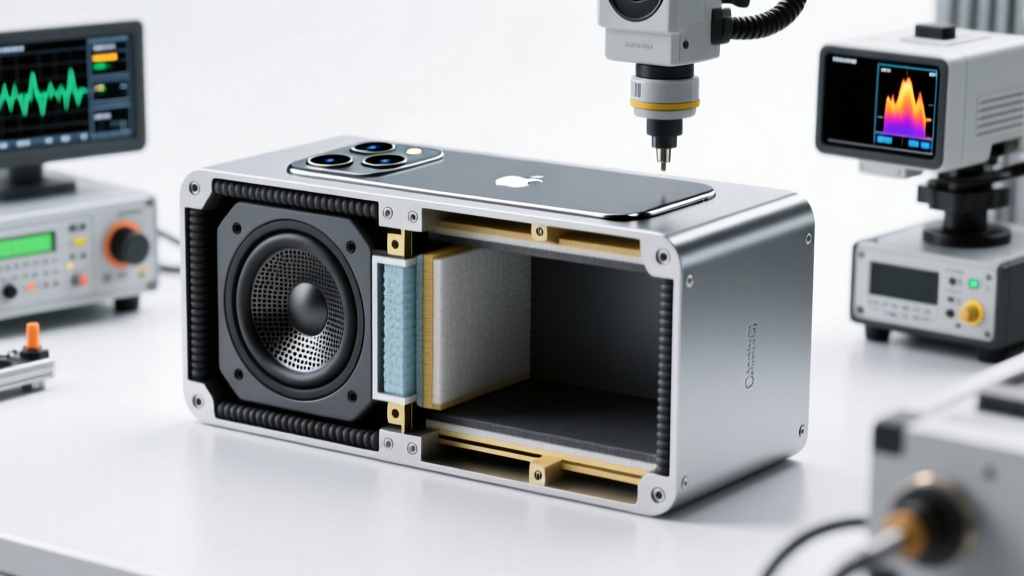
Types of 2V Solar Batteries
A 2-volt solar battery is a fundamental building block in many large-scale solar energy storage systems. These low-voltage cells are typically connected in series to achieve higher system voltages (such as 12V, 24V, or 48V), offering modular scalability and long-term reliability. Available in multiple chemistries and designs, 2V batteries are engineered to meet diverse energy demands across residential, commercial, and industrial applications.
Choosing the right type of 2V solar battery is crucial for maximizing efficiency, lifespan, and cost-effectiveness. Each battery technology offers distinct advantages and trade-offs in terms of cycle life, maintenance, depth of discharge, temperature tolerance, and overall performance under real-world conditions.
Lithium-ion 2V
Advanced batteries with high energy density and minimal self-discharge, ideal for modern solar installations.
Advantages
- Exceptional energy density (more power in less space)
- Long lifespan (5,000+ charge cycles)
- Low self-discharge rate (~1–3% per month)
- High round-trip efficiency (90–95%)
- Maintenance-free operation
Limitations
- Higher initial investment
- Requires battery management system (BMS)
- Sensitive to overcharging and extreme temperatures
Best for: Space-constrained systems, off-grid homes, high-efficiency solar farms
Lead-Acid 2V
Reliable and cost-effective workhorses of solar storage, available in flooded and sealed variants.
Advantages
- Affordable upfront cost
- Proven, well-understood technology
- Widely available and recyclable
- Tolerant to voltage fluctuations
Limitations
- Lower energy density (bulky and heavy)
- Shorter lifespan (800–1,500 cycles)
- Requires regular maintenance (flooded type)
- Ventilation needed for gassing (flooded)
Best for: Budget-conscious installations, backup power systems, rural electrification
AGM (Absorbed Glass Mat)
Sealed lead-acid batteries with electrolyte suspended in fiberglass mats for enhanced durability.
Advantages
- Maintenance-free and spill-proof
- Resists deep discharges better than flooded
- No ventilation required
- Vibration-resistant design
- Fast recharge capability
Limitations
- More expensive than flooded lead-acid
- Sensitive to overcharging
- Lifespan reduced if deeply cycled frequently
Best for: Off-grid cabins, telecom towers, mobile solar units
Gel 2V
Sealed lead-acid batteries with silica-gelled electrolyte for improved safety and orientation flexibility.
Advantages
- Spill-proof and leak-resistant
- Excellent performance in high-temperature environments
- Can be mounted in any orientation
- Low maintenance and minimal gassing
Limitations
- Shorter cycle life than AGM (~500–1,000 cycles)
- Slower charging rates required
- Higher cost per cycle over time
Best for: Marine solar systems, remote monitoring stations, hot climates
Nickel-Cadmium (NiCd) 2V
Rugged batteries known for extreme durability and wide operating temperature range.
Advantages
- Operates reliably from -40°C to +60°C
- Long cycle life (2,000+ cycles)
- Tolerant to deep discharges and overcharging
- Low maintenance and highly durable
- Performs well in remote, harsh environments
Limitations
- Lower energy efficiency (~65–75%)
- Cadmium is toxic and requires special disposal
- Higher self-discharge rate (~10–20% per month)
- More expensive than lead-acid options
Best for: Arctic stations, desert installations, critical backup systems
Flow Batteries (2V Cells)
Emerging technology using liquid electrolytes stored in external tanks for scalable energy storage.
Advantages
- Extremely long cycle life (10,000+ cycles)
- Scalable energy capacity (independent of power)
- Deep discharge capability (up to 100%)
- Non-flammable and safe chemistry
- Minimal degradation over time
Limitations
- Low energy density (requires large footprint)
- High upfront cost and complexity
- Lower round-trip efficiency (~65–75%)
- Requires pumps and plumbing maintenance
Best for: Utility-scale solar farms, long-duration storage, grid stabilization
| Battery Type | Typical Cycle Life | Energy Efficiency | Depth of Discharge (DoD) | Ideal Use Case |
|---|---|---|---|---|
| Lithium-ion | 5,000 – 7,000+ | 90–95% | 80–100% | High-efficiency residential & commercial |
| Lead-Acid (Flooded) | 800 – 1,500 | 70–80% | 50% | Budget off-grid systems |
| AGM | 1,000 – 1,500 | 80–85% | 60–80% | Remote telecom, mobile solar |
| Gel | 500 – 1,000 | 75–80% | 60–80% | Marine, high-temp environments |
| Nickel-Cadmium (NiCd) | 2,000 – 3,000 | 65–75% | 100% | Extreme climates, critical infrastructure |
| Flow Battery | 10,000+ | 65–75% | 100% | Grid storage, long-duration applications |
Expert Tip: When designing a solar storage system with 2V batteries, ensure proper ventilation for flooded lead-acid types and always use a charge controller compatible with your battery chemistry to maximize lifespan and safety.
Pro Tip: For maximum system longevity, avoid discharging lead-acid batteries below 50% DoD and lithium-ion below 20%, even though they can technically handle deeper cycles.
Industrial Applications of 2V Battery Solar Systems
2V solar batteries—specifically 2V lead-acid cells—are increasingly becoming the backbone of industrial energy storage solutions due to their exceptional durability, deep-cycle performance, scalability, and long service life. These robust batteries are engineered to deliver stable power over extended periods, making them ideal for mission-critical and remote industrial operations. Unlike conventional battery systems, 2V solar batteries can be connected in series to build high-voltage battery banks, offering flexibility in system design and superior charge retention. Below is a comprehensive overview of their key industrial applications.
Telecommunications Infrastructure
Telecommunication towers, especially those located in remote or off-grid regions, rely heavily on uninterrupted power to maintain signal transmission and network connectivity. Accessing the main electrical grid in such areas is often impractical or cost-prohibitive. As a result, telecom operators are turning to 2V solar battery systems as a dependable and sustainable backup power solution.
These batteries store solar energy generated during daylight hours and discharge it during nighttime, cloudy conditions, or grid failures. Their deep-cycle design enables them to withstand frequent and deep discharges without significant degradation—often lasting over 10 years with proper maintenance. This resilience ensures continuous operation of critical telecom equipment, including transceivers, routers, and monitoring systems, minimizing downtime and enhancing service reliability.
Off-Grid and Remote Industrial Power Systems
Industries operating in isolated locations—such as mining sites, oil and gas rigs, forestry operations, and rural processing plants—face significant challenges in securing a consistent power supply. Traditional diesel generators, while functional, are expensive to fuel, require constant maintenance, and contribute to environmental pollution.
2V solar battery systems offer a cleaner, more economical alternative. When paired with photovoltaic arrays, these batteries store solar energy to power essential equipment, lighting, ventilation, and control systems—even during extended periods of low sunlight. Their modular nature allows for scalable configurations, enabling facilities to expand energy storage capacity as operational needs grow. By reducing dependency on fossil fuels, companies can lower operational costs, minimize carbon emissions, and comply with environmental regulations.
Grid Support and Frequency Regulation
As renewable energy penetration increases, power grids face growing instability due to the intermittent nature of solar and wind generation. 2V solar batteries are now being deployed at utility-scale to enhance grid stability and support frequency regulation.
These batteries act as dynamic energy buffers—absorbing excess electricity during periods of low demand or high generation and releasing it during peak usage times. This load-leveling capability helps prevent voltage fluctuations, reduces strain on transmission infrastructure, and avoids costly grid upgrades. Additionally, 2V battery banks can respond within milliseconds to frequency deviations, injecting or absorbing power to maintain grid balance. This rapid response is crucial for preventing cascading failures and blackouts, particularly in regions with aging infrastructure or high renewable integration.
Utility-Scale Energy Storage and Power Optimization
Electric utilities are integrating 2V solar batteries into power generation and distribution networks to improve efficiency and reliability. In solar farms and hybrid power plants, these batteries store surplus energy produced during midday peak generation, which is then dispatched during evening hours when demand spikes and solar output drops.
This time-shifting capability reduces the need to activate expensive peaking power plants, lowers overall generation costs, and enhances grid resilience. Moreover, 2V batteries can store energy from diverse sources, including wind turbines and off-peak grid power, creating a more flexible and responsive energy ecosystem. Their long cycle life and low self-discharge rate make them particularly suitable for daily cycling applications in utility environments.
Emergency and Critical Backup Power Systems
In industrial facilities where operational continuity is paramount—such as manufacturing plants, data centers, hospitals, and chemical processing units—power outages can lead to safety hazards, data loss, equipment damage, and significant financial losses. 2V solar batteries serve as a reliable emergency power source in these scenarios.
Integrated into uninterruptible power supply (UPS) systems, they provide seamless transition to backup power during grid failures, ensuring that critical systems remain operational. Their ability to deliver consistent voltage and high surge currents supports the startup of emergency generators and maintains sensitive control systems. Unlike smaller battery units, 2V cells offer superior reliability and longer runtime, making them ideal for prolonged outages or facilities with high energy demands during emergencies.
| Application | Key Benefit | Typical Configuration |
|---|---|---|
| Telecommunications | Uninterrupted signal transmission in remote areas | Series-connected 2V cells (48V or 120V banks) |
| Off-Grid Industrial Sites | Reduced fuel costs and emissions | Modular 2V battery banks with solar charge controllers |
| Grid Frequency Regulation | Millisecond response to stabilize grid frequency | Large-scale battery energy storage systems (BESS) |
| Utility Energy Storage | Time-shifting solar energy to meet peak demand | High-capacity 2V flooded or AGM battery arrays |
| Emergency Backup | Seamless power transition for critical systems | Integrated with UPS and automatic transfer switches |
Important: Proper system design, ventilation, and maintenance are essential when deploying 2V solar batteries in industrial settings. Regular monitoring of electrolyte levels (for flooded types), terminal corrosion, and charge/discharge cycles ensures optimal performance and longevity. Always follow manufacturer guidelines and safety standards to prevent hazards such as thermal runaway or hydrogen gas accumulation.
Product Specifications and Features of 2V Battery Solar Systems
2V solar batteries are a cornerstone of reliable off-grid and industrial energy storage systems. Known for their durability, scalability, and deep-cycle performance, these batteries are engineered to deliver consistent power over long periods. Whether used in remote telecommunications, solar farms, or backup power systems, 2V cells offer unmatched longevity and adaptability. This guide explores their key features, installation best practices, and essential maintenance routines to help users maximize system efficiency and lifespan.
Deep Discharge Capacity
One of the most significant advantages of 2V solar batteries—particularly lead-acid variants—is their ability to withstand deep discharge cycles. These batteries can routinely discharge up to 80% of their capacity without significant degradation, making them ideal for applications requiring sustained energy output.
- Engineered with thick lead plates to resist degradation during repeated deep cycling
- Ideal for off-grid solar systems where daily deep discharges are common
- Outperform standard automotive batteries, which are not designed for deep cycling
- Commonly used in industrial UPS systems and renewable energy storage
Technical Insight: Deep-cycle tolerance reduces the need for oversized battery banks, optimizing space and cost.
Extended Lifespan
Modern 2V solar batteries, especially advanced flooded lead-acid (FLA) and lithium-ion variants, offer impressive service lives. While lithium-ion models can last 10–15 years, high-quality 2V FLA batteries often exceed 10 years with proper care—significantly longer than standard 12V units.
- Lithium-ion versions offer 3,000–7,000 charge cycles at 80% depth of discharge
- Lead-acid 2V cells typically achieve 2,000+ cycles under optimal conditions
- Reduced replacement frequency lowers long-term operational costs
- Favored in commercial installations where downtime and maintenance are critical concerns
Pro Tip: Regular maintenance and proper charging significantly extend battery life beyond manufacturer estimates.
Scalability & System Flexibility
2V batteries are inherently scalable, allowing users to build custom energy storage systems by connecting multiple units in series or parallel. This modularity makes them perfect for growing energy demands.
- Add batteries in series to increase system voltage (e.g., 24V, 48V, or higher)
- Connect in parallel to increase total amp-hour capacity
- Support hybrid configurations for complex off-grid or industrial applications
- Enable phased expansions without replacing the entire battery bank
Real-World Use: Telecom towers and solar microgrids often start with 10–20 batteries and scale up as demand grows.
Modular Design & Serviceability
The modular nature of 2V batteries simplifies installation, maintenance, and replacement. Individual cells can be accessed and replaced without dismantling the entire system—a crucial advantage in mission-critical environments.
- Individual cell monitoring enables early detection of performance issues
- Single faulty units can be replaced, reducing long-term costs
- Standardized dimensions allow compatibility across brands and racks
- Widely used in data centers, railways, and emergency power systems
Key Benefit: Minimizes system downtime and supports predictive maintenance strategies.
Expert Recommendation: For maximum reliability, pair 2V batteries with a battery monitoring system (BMS) that tracks voltage, temperature, and specific gravity. This proactive approach prevents imbalances and extends overall system life.
Installation Guide: Step-by-Step Best Practices
Proper installation is critical to ensuring safety, performance, and longevity. Follow these industry-standard steps when setting up a 2V solar battery system.
- Site Preparation: Choose a cool, dry, and well-ventilated location away from direct sunlight and heat sources. The area must have a level, load-bearing surface. Use a corrosion-resistant battery rack or platform to secure the units and allow airflow beneath.
- Electrical Connections: Use heavy-gauge copper cables to minimize resistance. Connect batteries in series by linking the positive terminal of one to the negative of the next. Ensure all connections are tight and insulated to prevent short circuits or reverse polarity.
- Inverter Integration: Connect the final positive and negative terminals of the battery bank to the DC input terminals of the inverter. Double-check polarity before powering on.
- Charge Controller Setup: Wire the solar charge controller between the solar array and the battery bank. The controller’s input connects to the panels, while its output connects to the battery terminals. This regulates charging and prevents overcharging.
- Final System Checks: Verify all connections are secure. Use a multimeter to measure total system voltage and confirm it matches expected levels (e.g., 48V from 24 x 2V batteries). Inspect for any voltage drops or inconsistencies across individual cells.
Safety First: Always wear protective gear (gloves, goggles) when handling batteries. Turn off all systems before making connections. Use torque wrenches to tighten terminals to manufacturer specifications.
Maintenance and Troubleshooting
Regular maintenance ensures peak performance and extends the operational life of 2V solar batteries. Follow this schedule to keep your system running efficiently.
- Monthly Inspections: Check for physical damage, swelling, leaks, or cracks in battery casings. Examine terminals for corrosion and ensure all connections are tight. Replace any damaged units immediately to prevent cascading failures.
- Electrolyte Management (for FLA types): For flooded lead-acid 2V batteries, check electrolyte levels monthly. Top up with distilled water if plates are exposed. Note: Do not add water to sealed AGM or gel batteries.
- Terminal Cleaning: Clean corroded terminals with a paste of baking soda and water. Use a wire brush to remove buildup, then rinse and dry thoroughly. Apply petroleum jelly or anti-corrosion spray to prevent future oxidation.
- Performance Testing: Conduct monthly voltage checks using a digital multimeter. Perform quarterly load tests to assess capacity. Replace any battery showing a voltage deviation of more than 0.2V from the average or failing under load.
| Battery Type | Average Lifespan | Depth of Discharge (DoD) | Maintenance Needs | Best Use Case |
|---|---|---|---|---|
| Flooded Lead-Acid (FLA) | 8–12 years | 70–80% | Monthly water checks, regular cleaning | Off-grid solar, industrial backup |
| AGM (Valve-Regulated) | 5–8 years | 60–70% | Low maintenance, no watering | Remote telecom, mobile systems |
| Gel | 7–10 years | 60–80% | Sealed, no maintenance | Marine, high-temperature environments |
| Lithium-Ion (LiFePO4) | 10–15 years | 80–100% | Minimal, integrated BMS | Premium solar, commercial storage |
Additional Considerations for Optimal Performance
- Temperature Management: Install batteries in environments between 20–25°C (68–77°F). Use battery enclosures with ventilation or climate control in extreme climates.
- Balancing: In large banks, ensure all cells are balanced in voltage and specific gravity to prevent weak links.
- Warranty & Support: Choose reputable brands offering 5+ year warranties and technical support for commercial deployments.
- Recycling: Plan for end-of-life recycling—lead-acid batteries are over 99% recyclable.
- Monitoring Tools: Invest in battery monitors or SCADA systems for real-time performance tracking in critical applications.
Quality and Safety Considerations of 2V Battery Solar Systems
2V solar batteries are essential components in off-grid and renewable energy systems, providing reliable power storage for various applications. However, their performance, lifespan, and safety depend heavily on both manufacturing quality and proper handling practices. This guide explores key quality factors in 2V battery construction and outlines critical safety protocols to protect users and ensure long-term system reliability. Whether you're selecting batteries for a solar installation or maintaining an existing system, understanding these considerations is vital for optimal performance and risk mitigation.
Safety Alert: Improper handling of 2V solar batteries—especially lead-acid and lithium-ion types—can result in chemical burns, fire, or explosion due to hydrogen gas buildup or electrolyte leakage. Always follow manufacturer guidelines and use appropriate protective measures when installing, servicing, or disposing of these batteries.
Key Quality Considerations for 2V Solar Batteries
The performance, durability, and efficiency of a 2V solar battery are directly influenced by the materials used and the manufacturing processes applied. High-quality batteries not only deliver better energy output but also last longer and require less maintenance.
- Battery Materials and Construction: The foundation of a high-performance 2V solar battery lies in its internal materials. Gel-type lead-acid batteries should use premium lead-calcium or lead-antimony alloys to enhance deep-cycle durability and reduce water loss. For lithium-ion variants, high-purity lithium iron phosphate (LiFePO₄) or NMC (Nickel Manganese Cobalt) electrodes are preferred for their stability, high energy density, and thermal resistance. Internal components such as grids, terminals, and connectors must also be corrosion-resistant and designed to minimize internal resistance, ensuring efficient charge transfer and reduced heat generation.
- Separator Quality and Functionality: The separator plays a critical role in preventing short circuits between the positive and negative plates while allowing ion flow. High-quality separators are made from microporous polyethylene, polypropylene, or fiberglass mats (in AGM batteries), offering excellent dielectric strength, mechanical durability, and low electrical resistance. A superior separator resists degradation over time, maintains structural integrity under repeated charge-discharge cycles, and contributes to longer battery life and consistent performance.
- Electrolyte Composition and Purity: In flooded, AGM, and gel 2V lead-acid batteries, the electrolyte—a mixture of sulfuric acid and distilled water—must be precisely formulated to achieve optimal specific gravity (typically between 1.265 and 1.285 at full charge). Impurities or incorrect concentrations can lead to sulfation, reduced capacity, and premature failure. For sealed batteries like AGM and gel types, the immobilized electrolyte must remain stable under varying temperatures and orientations. Lithium-ion batteries use non-aqueous electrolytes with lithium salts in organic solvents, which must be free from contaminants to prevent dendrite formation and thermal runaway.
- Manufacturing Standards and Quality Control: Reputable manufacturers adhere to international standards such as ISO 9001, IEC 61427, and UL 1973, ensuring consistent quality across production batches. Rigorous testing includes capacity verification, cycle life testing, internal resistance measurement, and leak detection. Automated assembly lines with controlled environments help minimize human error and contamination. Look for certifications like CE, RoHS, and third-party testing reports when evaluating battery suppliers to ensure compliance with safety and performance benchmarks.
Expert Tip: When comparing 2V solar batteries, request technical datasheets that include cycle life (e.g., 2000+ cycles at 50% depth of discharge), self-discharge rate, and operating temperature range. These metrics are strong indicators of real-world performance and longevity.
Safety Best Practices for Handling 2V Solar Batteries
Due to the chemical and electrical nature of 2V solar batteries, proper safety protocols are essential during installation, operation, and disposal. Following these guidelines minimizes risks to personnel and equipment.
-
Ensure Proper Ventilation:
Flooded lead-acid 2V batteries release hydrogen and oxygen gases during charging, especially during equalization or overcharging. Hydrogen is highly flammable at concentrations above 4% in air. To prevent gas accumulation, install batteries in well-ventilated enclosures or battery rooms with passive or active ventilation systems. Vents should direct gases outdoors, away from ignition sources. Even sealed AGM and gel batteries may vent under fault conditions, so adequate airflow remains crucial for all battery types.
-
Wear Appropriate Personal Protective Equipment (PPE):
Always wear acid-resistant gloves, safety goggles, and protective clothing when handling 2V batteries. Sulfuric acid in lead-acid batteries can cause severe chemical burns, while lithium-ion electrolytes are toxic and flammable. In environments where battery caps are removed or maintenance is performed, use a face shield for additional protection against splashes. Keep a neutralizing agent (like baking soda) and an eyewash station nearby in case of accidental exposure.
-
Use Non-Sparking, Anti-Explosion Tools:
When working near batteries—especially in confined spaces—use tools made from non-conductive or non-sparking materials such as brass, bronze, or high-strength plastics. Steel tools can create sparks upon contact with battery terminals, potentially igniting hydrogen gas. Insulated wrenches and plastic-handled screwdrivers are recommended. Avoid wearing metallic jewelry and ensure all tools are in good condition to prevent accidental short circuits.
-
Follow Proper Disposal and Recycling Procedures:
2V solar batteries contain hazardous materials and must never be disposed of in regular trash. Lead-acid batteries contain sulfuric acid and toxic lead, both of which can contaminate soil and water. Lithium-ion batteries contain cobalt, nickel, and other heavy metals that pose environmental and health risks if not handled properly. Return used batteries to certified recycling centers or authorized collection points that comply with local and federal regulations (e.g., EPA in the U.S.). Many manufacturers and distributors offer take-back programs to facilitate safe recycling.
| Aspect | High-Quality Indicators | Safety Risks if Neglected | Best Practices |
|---|---|---|---|
| Battery Materials | Pure lead alloys, LiFePO₄ electrodes, corrosion-resistant terminals | Reduced lifespan, overheating, capacity loss | Choose reputable brands with transparent material sourcing |
| Separator Quality | Microporous polyethylene, uniform thickness, high puncture resistance | Internal short circuits, thermal runaway | Inspect for damage during maintenance; avoid physical stress |
| Electrolyte Management | Correct specific gravity, no contamination, sealed design (AGM/gel) | Sulfation, gassing, leakage | Regularly check levels (flooded), use distilled water only |
| Ventilation & Environment | Adequate airflow, temperature control (15–25°C ideal) | Hydrogen explosion, accelerated aging | Install in ventilated enclosures; avoid extreme temperatures |
| Disposal & Recycling | Certified recycling, no landfill disposal | Environmental contamination, regulatory fines | Use approved recyclers; maintain disposal records |
Maintenance Tip: Conduct quarterly inspections of your 2V solar battery bank. Check for terminal corrosion, loose connections, abnormal swelling, and fluid levels (if applicable). Clean terminals with a baking soda solution and apply anti-corrosion spray to extend service life.
Investing in high-quality 2V solar batteries and adhering to strict safety protocols ensures not only optimal system performance but also protects people, property, and the environment. Whether you're deploying a small off-grid cabin system or a large-scale solar farm, prioritizing quality and safety from selection through disposal is essential for sustainable and reliable energy storage.
Frequently Asked Questions About 2V and 12V Solar Batteries
Q1: Which is better between a 2V solar battery and a 12V one?The choice between a 2V and a 12V solar battery depends on the scale, complexity, and energy demands of your solar power system. Here’s a detailed comparison to help guide your decision:
- 2V Solar Batteries: These are typically used in large-scale off-grid or industrial solar installations. Their main advantage is modularity—multiple 2V cells can be connected in series to build high-voltage battery banks (e.g., 24V, 48V, or higher), allowing for precise voltage control and scalability. They often offer superior cycle life, especially in flooded lead-acid or lithium iron phosphate (LiFePO₄) configurations, making them ideal for long-term, heavy-duty applications.
- 12V Solar Batteries: Best suited for small to medium-sized residential systems, RVs, boats, or backup power units. They are plug-and-play, easy to install, and compatible with most standard solar charge controllers and inverters. While less scalable than 2V cells, they provide a compact, self-contained solution perfect for low-power needs.
Bottom Line: Choose 2V batteries for custom, high-capacity systems requiring longevity and expansion. Opt for 12V batteries when simplicity, compatibility, and space efficiency are priorities.
Q2: How long do 2V solar batteries last?The lifespan of a 2V solar battery varies significantly based on its chemistry, usage patterns, depth of discharge (DoD), and environmental conditions. Here's a breakdown by type:
| Battery Type | Average Lifespan | Key Influencing Factors |
|---|---|---|
| Lead-Acid (Flooded or AGM) | 5–7 years | Regular maintenance, proper charging, ventilation, and temperature control (ideal: 20–25°C) |
| Lithium-Ion (LiFePO₄) | 10–15 years | Lower self-discharge, higher cycle count (3,000–7,000 cycles), and better performance in varied temperatures |
With proper care—such as avoiding deep discharges, using compatible charge controllers, and maintaining optimal operating temperatures—high-quality 2V batteries can exceed their expected lifespans. Regular monitoring and maintenance further enhance durability and reliability.
Q3: Do 2V solar batteries require maintenance?Maintenance requirements depend heavily on the battery technology used:
- Lead-Acid 2V Batteries (Flooded Type): Require regular maintenance. This includes checking electrolyte levels every 1–3 months, topping up with distilled water as needed, cleaning terminals to prevent corrosion, and ensuring proper ventilation to release gases during charging.
- Valve-Regulated Lead-Acid (VRLA/AGM/Gel): Considered maintenance-free. They are sealed and do not require water refills, though periodic voltage checks and terminal inspections are still recommended.
- Lithium-Ion (LiFePO₄) 2V Cells: Virtually maintenance-free. These batteries have built-in Battery Management Systems (BMS) that monitor cell balance, temperature, and charge levels, minimizing user intervention.
While lithium options reduce labor and risk, lead-acid systems—especially flooded types—demand consistent attention to avoid premature failure and ensure safety.
Q4: How often should 2V solar batteries be replaced?Replacement frequency is directly tied to battery chemistry and operating conditions:
- Lead-Acid 2V Batteries: Typically need replacement every 5 to 7 years under normal usage. However, frequent deep cycling, high temperatures, or poor charging practices can shorten this to 3���4 years.
- Lithium-Ion 2V Batteries: Can last 10 to 15 years due to higher cycle endurance and better efficiency. Many retain 80% capacity even after thousands of charge-discharge cycles.
Environmental factors also play a critical role. Exposure to extreme heat (above 30°C) accelerates chemical degradation, while very cold conditions reduce effective capacity temporarily. Installing batteries in a climate-controlled environment significantly extends service life. Regular performance testing—such as measuring voltage under load and tracking charge acceptance—can help predict when replacement is due before system failure occurs.
Q5: What are the main benefits of using 2V solar batteries?2V solar batteries serve as powerful, reliable energy storage units in solar power systems, offering several key advantages:
- Energy Storage: Store surplus solar energy generated during daylight hours for use at night, during cloudy periods, or during grid outages.
- System Scalability: Enable flexible system design by connecting multiple 2V cells in series to achieve desired voltage levels (e.g., 48V systems built from 24 x 2V cells).
- High Efficiency & Longevity: Especially in lithium or premium lead-acid forms, they deliver thousands of deep cycles with minimal degradation, ensuring long-term return on investment.
- Backup Power: Provide uninterrupted power supply for homes, telecom stations, medical facilities, and remote installations, enhancing energy independence and resilience.
- Improved Load Management: Allow users to shift energy usage to peak demand times, reducing reliance on the grid and lowering electricity bills in hybrid systems.
In summary, 2V solar batteries are foundational components in robust, scalable renewable energy systems, particularly where reliability, customization, and long-term performance are essential.