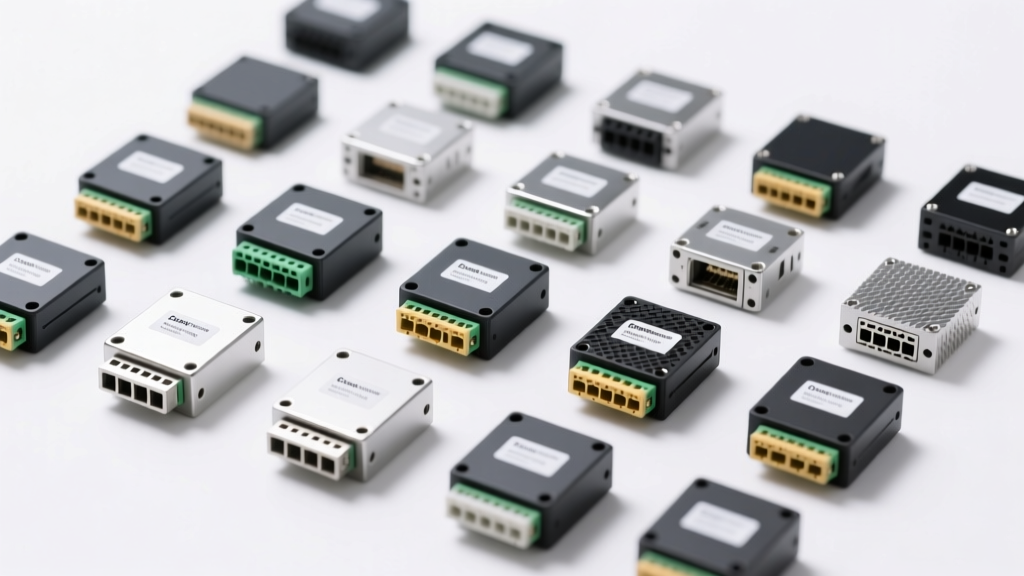
Types of 200-Watt Bluetooth Amplifiers
A 200-watt Bluetooth amplifier delivers powerful audio performance with the convenience of wireless connectivity. These amplifiers are engineered to suit a wide range of environments and applications, from home entertainment to mobile audio setups. While all operate at a 200-watt output capacity, their design, features, and integration capabilities vary significantly based on intended use. Choosing the right type ensures optimal sound quality, ease of installation, and long-term reliability.
Home Audio Amplifier
Designed for residential use, the 200-watt Bluetooth home amplifier enhances living room, bedroom, or whole-house audio systems with robust sound and wireless control.
Advantages
- Supports multi-room audio distribution
- Equipped with EQ settings for sound customization
- Multiple input options (AUX, optical, HDMI, USB)
- Compatible with home theater and surround sound systems
- Stable power delivery for consistent performance
Limitations
- Larger footprint requires dedicated space
- Not portable or vehicle-ready
- May require additional cabling for full setup
Best for: Home theaters, living room sound systems, audiophiles, and whole-home audio networks
Car Audio Amplifier
Built for vehicles, the 200-watt Bluetooth car amplifier delivers high-fidelity sound in compact, rugged designs optimized for automotive electrical systems.
Advantages
- Compact and space-efficient for tight installations
- Powers subwoofers and full-range speakers for deep bass
- Supports diverse inputs: Bluetooth, USB, SD card, FM radio
- Designed to handle voltage fluctuations in car systems
- Enhances factory or aftermarket car audio setups
Limitations
- Requires proper grounding and wiring for safety
- May need professional installation
- Limited ventilation in enclosed spaces can affect performance
Best for: Car audio enthusiasts, bass lovers, mobile entertainment, and upgraded vehicle sound systems
Mini Bluetooth Amplifier
Despite its compact size, the 200-watt mini Bluetooth amplifier packs powerful performance using advanced hybrid circuitry and efficient heat dissipation technology.
Advantages
- Space-saving design ideal for small spaces
- High power-to-size ratio with modern amplification tech
- Portable and easy to install
- Energy-efficient with low heat output
- Perfect for DIY audio projects and compact setups
Limitations
- May lack advanced features like full EQ or multi-zone support
- Limited cooling can affect sustained high-volume output
- Fewer physical input options compared to larger models
Best for: Small apartments, desktop audio, portable sound systems, and users seeking powerful yet discreet amplification
| Type | Power Output | Portability | Key Features | Ideal Use Case |
|---|---|---|---|---|
| Home Audio | 200W RMS | Low | Multi-input, EQ controls, surround sound support | Living rooms, home theaters, whole-house audio |
| Car Audio | 200W RMS | Medium | USB/SD support, FM radio, compact design | Vehicles, mobile sound systems, subwoofer setups |
| Mini Amplifier | 200W Peak (approx. 120–150W RMS) | High | Ultra-compact, energy-efficient, Bluetooth streaming | Small spaces, portable setups, DIY audio projects |
Expert Tip: When selecting a 200-watt Bluetooth amplifier, verify whether the power rating is RMS (continuous) or peak (maximum burst). RMS provides a more accurate measure of real-world performance, especially for home and car systems where sustained output matters.
Installation Note: For car amplifiers, ensure proper power wiring (4-gauge recommended) and grounding to prevent voltage drops and distortion. Home models benefit from placement in well-ventilated areas to avoid overheating during extended use.
What Makes a 200-Watt Bluetooth Amplifier Durable?
The durability of a 200-watt Bluetooth amplifier is not accidental—it's the result of thoughtful engineering, high-quality materials, and intelligent design. Whether used in home audio systems, car installations, or portable sound setups, a durable amplifier must withstand electrical stress, environmental factors, and physical wear. Understanding the core elements that contribute to longevity helps consumers make informed decisions and ensures optimal performance over time.
Key Factors That Enhance Amplifier Durability
High-Quality Materials
Durability begins with the materials used in construction. Premium 200-watt Bluetooth amplifiers typically feature housings made from aluminum or stainless steel. These metals offer excellent resistance to impact, corrosion, and thermal expansion, making them ideal for both indoor and outdoor use.
Aluminum, in particular, provides a strong yet lightweight chassis that also acts as a passive heat sink, enhancing thermal performance. In contrast, lower-end models often use plastic enclosures, which are more prone to cracking, warping under heat, and degrading over time when exposed to UV light or extreme temperatures.
Additionally, durable amplifiers use reinforced connectors—such as gold-plated RCA inputs, heavy-duty speaker terminals, and robust power terminals—that resist loosening, oxidation, and arcing, ensuring reliable signal transmission and electrical safety over years of use.
Advanced Heat Management
Heat is one of the primary enemies of electronic components. A 200-watt amplifier generates significant thermal energy, especially during extended playback at high volumes. Without proper dissipation, heat can degrade capacitors, weaken solder joints, and shorten the lifespan of transistors and integrated circuits.
To combat this, durable amplifiers are equipped with large, finned aluminum heat sinks that maximize surface area for efficient thermal transfer. These passive cooling systems draw heat away from critical components and release it into the surrounding air.
Some high-performance models also include silent or variable-speed cooling fans that activate only when necessary, balancing noise reduction with effective temperature control. Proper ventilation design—such as strategically placed vents and elevated mounting—further enhances airflow, preventing hotspots and ensuring stable operation even under continuous load.
Robust Design and Construction
Beyond materials and cooling, the internal architecture plays a crucial role in durability. High-quality 200-watt amplifiers are built on rigid, shock-resistant chassis that minimize vibration-induced stress on solder points and circuit boards.
Many feature modular designs, allowing for easier servicing and component replacement—such as power supplies, output transistors, or fan units—without requiring a full unit replacement. This modularity significantly extends the amplifier’s usable life and supports sustainability by reducing electronic waste.
Internal components are often shielded or mounted independently from the main PCB (printed circuit board) to reduce the impact of mechanical shocks and thermal cycling. Protective enclosures around sensitive parts prevent dust ingress and accidental short circuits, while conformal coating on circuit boards guards against moisture and corrosion, especially in automotive or marine environments.
Proactive Maintenance and Care
Even the best-built amplifiers benefit from regular maintenance. Simple practices can dramatically extend lifespan and maintain peak performance. Regularly wiping down the unit prevents dust buildup on heat sinks and ventilation grilles, which can insulate heat and lead to overheating.
Users should periodically inspect all connections—including power, ground, speaker wires, and input cables—for tightness, corrosion, or fraying. Loose or oxidized terminals increase resistance, leading to power loss and potential overheating.
Some amplifiers come with user-replaceable components like fuses, cooling fans, or input modules. Following the manufacturer’s recommended service intervals and using genuine replacement parts ensures compatibility and maintains safety certifications. Keeping firmware updated (in smart amplifiers with digital signal processing) can also improve stability and functionality over time.
| Feature | Impact on Durability | Best Practices |
|---|---|---|
| Metal Housing (Aluminum/Stainless) | High | Choose metal over plastic; look for thick, vented casings |
| Heat Sink Size & Design | High | Ensure adequate ventilation; avoid enclosed spaces |
| Cooling Fan (if present) | Medium-High | Check for dust; replace if noisy or failing |
| Modular Component Design | Medium | Opt for serviceable models with replaceable parts |
| Connection Quality | High | Use corrosion-resistant terminals; tighten regularly |
Tips for Maximizing Longevity
Important: Always follow the manufacturer’s installation and maintenance guidelines. Using incompatible speakers, incorrect wiring, or improper grounding can void warranties and cause irreversible damage. A well-maintained 200-watt Bluetooth amplifier can last 10+ years, delivering consistent, high-fidelity sound across countless applications.
How to Choose a 200-Watt Bluetooth Amplifier
Selecting the right 200-watt Bluetooth amplifier is essential for achieving high-quality audio performance across various environments—whether for home entertainment, car audio systems, or portable sound setups. A well-chosen amplifier not only delivers powerful, distortion-free sound but also integrates seamlessly with your existing equipment and usage patterns. To make an informed decision, consider key technical specifications, physical design, thermal management, and feature integration.
Power Output & Impedance Matching
A 200-watt amplifier provides substantial power, ideal for driving larger speakers or low-impedance (4-ohm) loads efficiently. However, power alone isn't enough—compatibility between the amplifier and speaker impedance is crucial for optimal performance and system safety.
- Impedance Match: Ensure the amplifier supports the speaker’s impedance (typically 4Ω or 8Ω). Mismatches can lead to overheating, distortion, or even permanent damage.
- Power Distribution: Check if the 200 watts is RMS (continuous power) or peak power. RMS ratings reflect real-world performance more accurately.
- Bridged Mode: Some amplifiers offer bridged outputs for higher power delivery to a single channel, useful in subwoofer applications.
- Headroom: An amplifier with headroom above your typical listening levels prevents clipping and maintains clarity during dynamic audio passages.
Key consideration: Always match amplifier specifications with speaker sensitivity and impedance for balanced, efficient sound reproduction.
Dynamic Range & Signal-to-Noise Ratio (SNR)
These two specifications are critical indicators of audio fidelity and clarity, especially in environments where detail and precision matter—such as home theaters, studio monitoring, or audiophile setups.
- Dynamic Range: Measured in decibels (dB), this refers to the difference between the softest and loudest sounds the amplifier can reproduce without distortion. A range of 90dB or higher ensures lifelike audio with deep bass and crisp highs.
- Signal-to-Noise Ratio: A high SNR (ideally 95dB or above) means the desired audio signal is significantly stronger than background electronic noise, minimizing hiss, hum, or static during quiet passages.
- Total Harmonic Distortion (THD): Look for THD values below 0.1% at full power, indicating clean amplification with minimal coloration.
- DAC Quality: If the amplifier includes a built-in digital-to-analog converter (DAC), its quality directly affects Bluetooth audio clarity, especially with high-resolution codecs.
Pro tip: For high-fidelity listening, prioritize amplifiers with transparent sound signatures and low distortion metrics.
Form Factor & Aesthetic Integration
The physical design of a 200-watt Bluetooth amplifier should align with both functional space constraints and visual harmony within your environment—be it a living room, car dashboard, or mobile setup.
- Full-Size vs. Compact: Traditional amplifiers offer better heat dissipation and internal component spacing, while mini or slimline models save space and suit modern minimalist setups.
- Build Materials: Aluminum chassis provide durability and act as natural heat sinks, while brushed metal finishes enhance visual appeal.
- Display & Controls: LED indicators, volume knobs, and input selection buttons should be intuitive and accessible. Touch-sensitive panels add a premium feel.
- Placement Flexibility: Consider orientation (horizontal/vertical), mounting options, and ventilation clearance when selecting a model.
Critical factor: Choose a design that complements your existing audio gear and room decor without sacrificing airflow or accessibility.
Thermal Management & Longevity
High-power amplifiers generate significant heat, especially during extended use. Effective thermal management ensures stable performance and extends the lifespan of internal components.
- Heat Sinks: Large aluminum fins passively dissipate heat and are common in Class AB and high-efficiency Class D amplifiers.
- Fan Cooling: Some models include silent or variable-speed fans that activate under heavy load, preventing thermal shutdown.
- Thermal Protection: Built-in sensors automatically reduce output or shut down the unit if temperatures exceed safe limits.
- Ventilation Requirements: Allow at least 4–6 inches of clearance around the unit, especially on sides and top, to promote airflow.
Technical note: Class D amplifiers are inherently more efficient (up to 90%), producing less heat than traditional Class AB designs—ideal for compact or enclosed installations.
Bluetooth Connectivity & Audio Features
Modern 200-watt amplifiers often integrate Bluetooth for wireless convenience. The version and supported codecs determine audio quality and connection stability.
- Bluetooth Version: Opt for Bluetooth 5.0 or higher for improved range, faster pairing, and lower power consumption.
- Audio Codecs: Support for aptX, aptX HD, LDAC, or AAC ensures higher bitrates and better sound quality compared to standard SBC.
- Multi-Device Pairing: Allows switching between phones, tablets, or laptops without re-pairing.
- Additional Inputs: AUX, optical, coaxial, or USB inputs provide flexibility for non-Bluetooth sources like TVs, turntables, or gaming consoles.
Smart choice: Choose an amplifier with versatile connectivity to future-proof your audio setup.
Application-Specific Suitability
The ideal 200-watt Bluetooth amplifier varies depending on its intended use case—home, automotive, or portable scenarios each have unique demands.
- Home Audio: Prioritize clean sound, high SNR, and aesthetic design. Look for models with remote control or app support.
- Car Audio: Ensure compatibility with 12V DC power, vibration resistance, and weatherproofing. Remote bass control is a valuable feature.
- Portable Use: Battery-powered or DC/AC dual-voltage models offer flexibility for outdoor events or travel.
- Multi-Room Systems: Amplifiers with stereo or zone control can drive multiple speaker pairs simultaneously.
Time-saving tip: For DIY audio projects, select amplifiers with clear labeling, terminal blocks, and included mounting hardware.
Professional Recommendation: When selecting a 200-watt Bluetooth amplifier, focus on continuous (RMS) power rating, impedance compatibility, and Bluetooth codec support. For most users, a Class D amplifier with Bluetooth 5.0+, aptX support, and robust heat dissipation offers the best balance of efficiency, sound quality, and reliability. Always verify compatibility with your speakers and power supply before purchase.
| Use Case | Recommended Features | Power Efficiency | Top Pick Criteria |
|---|---|---|---|
| Home Theater | High SNR (>95dB), optical input, remote control | Class D (85–90%) | Low THD, wide dynamic range |
| Car Audio | 12V DC input, remote bass knob, compact size | Class D (88–92%) | Vibration-resistant build |
| Portable Speaker System | Battery operation, Bluetooth 5.2, rugged casing | Class D (90%) | Lightweight, multi-device pairing |
| Studio Monitoring | Neutral sound profile, XLR inputs, high damping factor | Class AB (60–70%) | Precise audio reproduction |
Additional Considerations
- Brand Reputation: Trusted brands often provide better customer support, firmware updates, and consistent quality control.
- Warranty & Support: Look for at least a 1–2 year warranty and accessible technical assistance.
- Expandability: Some amplifiers support daisy-chaining or multi-amp synchronization for larger setups.
- EMI Shielding: Proper shielding prevents interference with Wi-Fi, radio, or other wireless devices.
- Eco-Mode: Energy-saving standby modes reduce power consumption when idle.
What Extra Features Should 200-Watt Bluetooth Amplifiers Have?
While the core function of a 200-watt Bluetooth amplifier is to deliver powerful, high-quality audio, it’s the additional features that truly elevate its value and versatility. These enhancements go beyond basic amplification, improving user experience, connectivity, and adaptability across home, portable, and commercial environments. Thoughtfully designed features can transform a standard amplifier into a smart, flexible audio hub that meets diverse listening needs.
Pro Tip: When selecting a 200-watt Bluetooth amplifier, prioritize features that align with your primary use case—whether it’s home entertainment, outdoor events, or multiroom audio distribution. This ensures you get the most value and performance from your investment.
Essential Advanced Features for Modern 200-Watt Bluetooth Amplifiers
- Voice Assistant Compatibility: Modern Bluetooth amplifiers are increasingly integrating with popular voice assistants such as Amazon Alexa, Google Assistant, and Apple Siri. This functionality enables seamless hands-free control, allowing users to play music, adjust volume, skip tracks, or switch audio sources using simple voice commands. This is especially beneficial in kitchen, living room, or portable setups where physical access to the device may be limited. Built-in microphones or companion app integration make voice control reliable and responsive.
- Multizone or Multiroom Capability: For users with larger homes or commercial spaces, multiroom or multizone audio is a game-changing feature. This allows the amplifier to connect and manage multiple speakers in different areas—such as living room, bedroom, patio, or office—simultaneously. Advanced models support independent volume control, source selection, and even zone-specific equalization. Some systems integrate with apps like Spotify Connect or Apple AirPlay 2, enabling synchronized or independent playback across zones for a truly customized audio experience.
- Integrated Equalization (EQ): Built-in equalization gives users precise control over sound output, allowing customization of bass, midrange, and treble frequencies. This is crucial for optimizing audio performance based on room acoustics, speaker type, or personal preference. Many amplifiers offer preset EQ modes (e.g., "Bass Boost," "Vocal Clarity," "Live") as well as customizable profiles. High-end models may include room calibration features or app-based EQ tuning, ensuring rich, balanced sound in any environment.
- Portability Features: For outdoor use, events, or mobile setups, portability is key. Amplifiers designed for mobility often include a rechargeable lithium-ion battery, lightweight construction (typically under 10 lbs), rugged casing, and compact form factors. Some models feature built-in handles, rubberized corners for shock resistance, and IP-rated enclosures for dust and water resistance. Battery life can range from 4 to 12 hours, making them ideal for backyard parties, camping, or street performances without access to AC power.
- USB Connectivity: USB ports provide a direct and stable method for playing audio from flash drives, external hard drives, or computers. This eliminates reliance on wireless connections for local file playback and supports a wide range of audio formats (MP3, WAV, FLAC, AAC). Some amplifiers even support USB recording, allowing users to capture live audio directly to a drive. This feature is particularly useful in DJ setups, karaoke systems, or educational environments where quick access to stored media is essential.
| Feature | Primary Benefit | Ideal Use Case | Recommended Models With This Feature |
|---|---|---|---|
| Voice Assistant Support | Hands-free control and smart home integration | Smart homes, kitchens, living rooms | Yamaha A-S Series, Denon DRA Series |
| Multizone Audio | Simultaneous audio in multiple rooms | Large homes, offices, restaurants | Sonos Amp, NAD C 390D, Marantz NR1711 |
| Built-in Equalizer | Customizable sound profiles | Home theaters, studios, varied room acoustics | Pioneer A-70, Onkyo A-9110 |
| Portability & Battery Power | Wireless operation and easy transport | Outdoor events, mobile DJs, travel | Bose SoundLink Revolve+, JBL PartyBox 310 |
| USB Audio Input/Playback | Direct digital file access | Home audio, presentations, karaoke | Sony STR-DH190, Cambridge Audio AXA35 |
Note on Compatibility: Always verify that the amplifier's Bluetooth version (e.g., 5.0 or higher) supports low-latency codecs like aptX or AAC for high-quality wireless audio. Additionally, ensure USB and voice assistant features are compatible with your existing devices and ecosystem (iOS, Android, Alexa, etc.).
Additional Considerations for Optimal Performance
- Bluetooth Range and Stability: Look for amplifiers with extended Bluetooth range (up to 100 feet) and strong signal retention, especially for outdoor or large-room use.
- Multiple Input Options: In addition to Bluetooth and USB, consider models with AUX, optical, HDMI, or RCA inputs for maximum connectivity.
- Remote Control or App Support: Companion apps allow for advanced control, firmware updates, and system monitoring from smartphones or tablets.
- Thermal and Overload Protection: Essential for sustained high-power operation, preventing damage from overheating or electrical surges.
- Subwoofer Output: A dedicated subwoofer pre-out enhances bass response and enables full-range audio system expansion.
Ultimately, the best 200-watt Bluetooth amplifiers combine robust power with intelligent features that enhance usability and audio quality. Whether you're building a whole-home audio system, hosting outdoor events, or simply upgrading your living room setup, choosing an amplifier with these advanced capabilities ensures a future-proof, versatile, and enjoyable listening experience. Always test features in real-world conditions and consult user reviews to confirm reliability and performance before purchasing.
Frequently Asked Questions About 200-Watt Bluetooth Amplifiers
Q1: Can a 200-watt amplifier be connected to outdoor speakers?Yes, a 200-watt Bluetooth amplifier is an excellent match for outdoor speakers, providing ample power to overcome ambient noise and deliver clear, dynamic sound across open spaces. Whether you're hosting a backyard gathering or enjoying music by the pool, the high wattage ensures strong audio projection even in environments with competing sounds like wind, traffic, or conversation.
- Power Efficiency: A 200-watt output delivers robust volume without distortion, making it ideal for larger outdoor areas.
- Noise Penetration: The amplifier’s output helps cut through environmental noise, ensuring your music remains audible and enjoyable.
- Weather Resistance Compatibility: While the amplifier itself may not be weatherproof, pairing it with outdoor-rated speakers—built with UV-resistant, moisture-proof materials—ensures long-term durability and consistent performance.
- Placement Tips: Position the amp in a covered or sheltered area to protect it from rain and direct sunlight, while outdoor speakers can be strategically placed for optimal sound distribution.
For best results, ensure impedance compatibility between the amplifier and speakers (typically 4–8 ohms) to prevent damage and maximize efficiency.
Q2: What factors allow a 200-watt amplifier to produce better sound than lower-powered models?The superior sound quality of a 200-watt amplifier stems from a combination of advanced engineering, high-quality components, and thoughtful design. Unlike lower-wattage models that may struggle at higher volumes, a 200-watt amp maintains clarity, depth, and dynamic range even under demanding conditions.
- Amplifier Class: Class A/B and Class D amplifiers are common in this range. Class A/B offers warm, natural sound with low distortion, while Class D provides high efficiency and compact size—ideal for portable or outdoor use.
- Power Supply Stability: A robust power supply ensures consistent voltage delivery, reducing audio clipping and improving bass response.
- Circuitry Design: Precision-tuned circuits with shielded wiring minimize electromagnetic interference and background noise, resulting in cleaner signal transmission.
- Low Distortion (THD): High-end 200-watt amps feature low Total Harmonic Distortion (often below 0.1%), preserving the original audio fidelity.
- Damping Factor: A higher damping factor improves control over speaker cones, enhancing tightness in bass and overall speaker accuracy.
Together, these elements allow a 200-watt amplifier to deliver richer, more immersive audio with greater headroom—meaning you can turn up the volume without sacrificing sound quality.
Q3: Are there Bluetooth 200-watt amplifiers that support voice assistants?Yes, many modern 200-watt Bluetooth amplifiers come equipped with built-in support for popular voice assistants such as Amazon Alexa, Google Assistant, or Apple Siri (via AirPlay-compatible models). This integration transforms your audio system into a smart, hands-free entertainment hub.
- Voice Control Features: Users can play/pause music, skip tracks, adjust volume, switch sources, or ask for song information using simple voice commands.
- Smart Home Integration: When paired with a Wi-Fi-enabled amplifier, voice assistants can sync with other smart devices—like lights or thermostats—for a fully connected experience.
- Microphone Input: Some models include a built-in mic or support external microphones to enable voice recognition, even in moderately noisy environments.
- Setup Requirements: Voice functionality often requires the amplifier to be connected to a home network via Wi-Fi or through a linked smartphone app.
This feature is particularly beneficial in kitchen, patio, or workshop settings where manual control is inconvenient. Always check product specifications to confirm which voice platforms are supported before purchasing.
Q4: What materials and design features make a 200-watt amplifier durable?Durability in a 200-watt amplifier is achieved through a combination of rugged construction, effective thermal management, and protective design elements—especially important for systems operating at high power levels over extended periods.
- Metal Chassis: Most high-wattage amplifiers use aluminum or steel enclosures. Aluminum offers excellent heat dissipation and lightweight strength, while stainless steel provides superior impact and corrosion resistance.
- Heat Sinks: Large, finned heat sinks are integrated into the casing to draw heat away from critical components like transistors and power supplies, preventing overheating and thermal shutdown.
- Cooling Systems: Some models include silent cooling fans or passive ventilation channels to enhance airflow and maintain optimal operating temperatures.
- Dust-Resistant Design: Sealed vents, protective grilles, and elevated mounting help reduce dust and debris accumulation, which can impair performance over time.
- Internal Component Quality: Industrial-grade capacitors, reinforced circuit boards, and anti-vibration mounting ensure longevity even under continuous use.
Regular maintenance—such as gently cleaning vents with compressed air—can further extend the life of your amplifier and maintain peak performance.
Q5: Do 200-watt Bluetooth amplifiers support multiple audio sources?Absolutely. One of the key advantages of modern 200-watt Bluetooth amplifiers is their versatility in connectivity, allowing seamless switching between various audio sources to suit different needs and devices.
| Input Type | Description | Common Use Cases |
|---|---|---|
| Bluetooth 5.0+ | Wireless streaming from smartphones, tablets, and laptops with improved range, stability, and audio codecs (AAC, aptX). | Mobile music, podcasts, hands-free calls |
| 3.5mm AUX Input | Analog input for older devices like MP3 players or gaming consoles. | Quick plug-and-play connectivity |
| Optical (TOSLINK) | Digital audio input for TVs, soundbars, or computers—ideal for high-quality, interference-free transmission. | Home theater integration, lag-free audio |
| RCA Inputs | Analog stereo inputs for CD players, turntables (with preamp), or satellite receivers. | Legacy audio equipment |
| USB Port | Direct playback from USB drives (supports MP3, WAV, FLAC); some models also charge devices. | Digital music libraries, firmware updates |
| Wi-Fi / App Control | Enables streaming from online services (Spotify, Tidal) or multi-room audio via dedicated apps. | Whole-home audio systems |
This wide array of input options ensures that whether you're using a vintage turntable or the latest smartphone, your 200-watt amplifier can accommodate your preferred audio source—making it a truly future-proof and flexible audio solution.