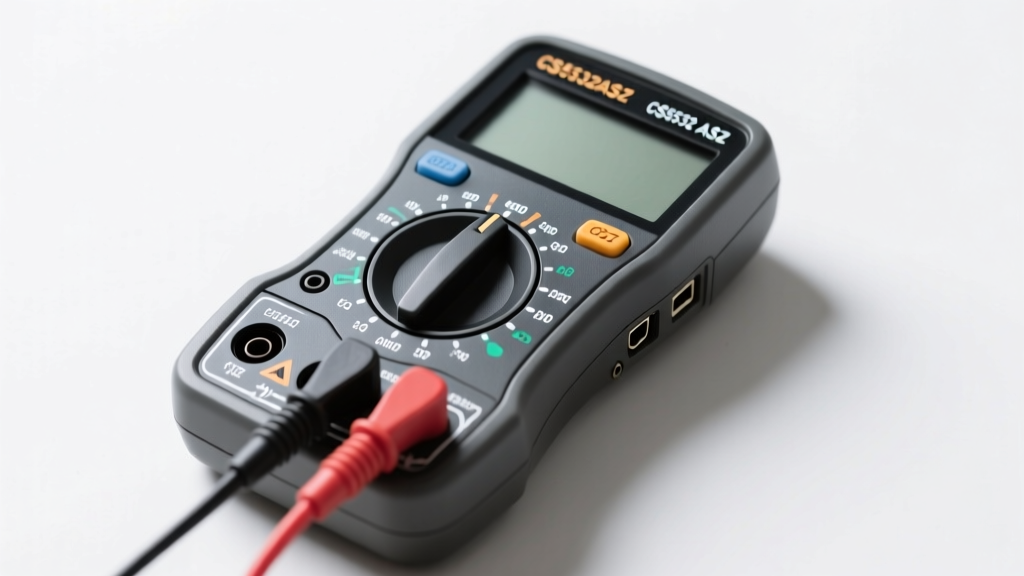
Types of 150Ah Battery Inverters
A 150Ah battery inverter is a crucial component in backup power systems, converting stored DC power from a battery into usable AC power for household and office appliances. Choosing the right type of inverter significantly impacts the efficiency, safety, and longevity of your electrical devices. Below is a comprehensive breakdown of the most common inverter types compatible with 150Ah batteries.
Sine Wave Inverters
These inverters generate a power waveform that closely mimics the smooth, consistent electricity supplied by utility grids. While often grouped with modified sine wave models, true sine wave inverters deliver high-quality output suitable for most electronics.
Advantages
- Produces clean, grid-like power output
- Compatible with most household appliances
- Reliable performance and durability
- Generally easy to install and integrate
Limitations
- Often more expensive than basic models
- Primarily found in larger UPS systems
- Can be harder to source in local markets
Best for: Homes and offices with mixed appliance loads, medium to high-power backup needs
Pure Sine Wave Inverters
Considered the gold standard in inverter technology, pure sine wave inverters produce a perfectly smooth waveform that is identical to utility power. This makes them ideal for sensitive electronics such as computers, medical devices, and modern appliances with digital controls.
Advantages
- Superior power quality with zero harmonic distortion
- Safe for all sensitive electronics
- Quieter operation (motors and compressors run smoother)
- Extends battery life due to efficient power conversion
- Reduces maintenance frequency in UPS systems
Limitations
- Higher initial investment
- May be overkill for basic lighting and fan loads
- Limited availability in budget segments
Best for: Critical applications, IT equipment, medical devices, and modern smart homes
Automatic Voltage Regulator (AVR) Inverters
These inverters come equipped with built-in AVR technology that automatically corrects input and output voltage fluctuations without switching to battery mode. This feature protects connected appliances from damage due to overvoltage, undervoltage, and power surges.
Advantages
- Real-time voltage stabilization
- Protects appliances from electrical damage
- Reduces wear and tear on connected devices
- Operates seamlessly without user intervention
- Extends the life of both appliances and battery
Limitations
- May add to the overall cost
- Some models have slower correction response
- Not all AVR inverters produce pure sine wave output
Best for: Areas with unstable grid power, voltage fluctuations, and frequent brownouts
Modified Sine Wave Inverters
While not mentioned in the original content, this common type produces a stepped waveform that is less smooth than pure sine wave. It's included here for completeness and comparison.
Advantages
- Affordable and widely available
- Sufficient for basic appliances (fans, lights, heaters)
- Good efficiency for non-sensitive loads
Limitations
- Can damage or disrupt sensitive electronics
- Produces audible noise in motors and transformers
- Less efficient power conversion
Best for: Budget setups, non-critical loads, temporary backup solutions
| Type | Power Quality | Appliance Safety | Efficiency | Best Use Case |
|---|---|---|---|---|
| Sine Wave | High | Good | Good | General home/office backup |
| Pure Sine Wave | Excellent | Excellent | Very Good | Sensitive electronics, critical systems |
| AVR Inverter | Good to High | Excellent | Good | Unstable power areas |
| Modified Sine Wave | Fair | Fair | Medium | Basic lighting and heating |
Expert Tip: When pairing a 150Ah battery with an inverter, ensure the inverter's wattage rating matches your total load. A 900–1200W inverter is typically ideal for a 150Ah battery to balance performance and battery life. Always opt for pure sine wave or AVR-enabled models if powering modern electronics.
Industrial Applications of 150Ah Battery Inverter Systems
A 150Ah battery inverter system is a powerful and reliable energy solution widely adopted across various industrial sectors. These systems convert stored direct current (DC) power from batteries into usable alternating current (AC), ensuring continuous operation during power outages or in off-grid environments. With a 150-ampere hour (Ah) battery capacity, these inverters offer extended runtime, making them ideal for critical infrastructure, remote operations, and high-demand applications. Below is a detailed exploration of their key industrial uses.
1. UPS (Uninterruptible Power Supply) Systems
150Ah battery inverters are a cornerstone of modern Uninterruptible Power Supply (UPS) systems, providing seamless backup power during electrical outages. When grid power fails, the inverter automatically switches to battery mode within milliseconds—ensuring no disruption to connected equipment.
This instantaneous transition is vital for protecting sensitive electronics such as servers, data centers, medical devices, and industrial control systems. By maintaining a steady power supply, these inverters prevent data loss, hardware damage, and operational downtime. A 150Ah battery offers sufficient capacity to support critical loads for extended durations, allowing time for safe shutdowns or generator activation.
2. Telecommunications Infrastructure
In the telecommunications industry, reliability is paramount. 150Ah inverter systems provide stable AC power to essential equipment such as telephone exchanges, fiber optic networks, cellular base stations, and signal repeaters—especially in remote or off-grid locations.
These systems convert DC power from the battery into regulated AC output, ensuring uninterrupted communication services during blackouts. The robust energy storage capacity of a 150Ah battery allows telecom networks to remain operational for several hours, supporting emergency calls, internet connectivity, and network stability even during prolonged power failures.
3. Renewable Energy Integration
150Ah battery inverters play a crucial role in solar and wind energy systems by converting DC electricity generated from renewable sources into usable AC power for homes, businesses, and industrial facilities.
During periods of low sunlight or wind, the 150Ah battery acts as an energy reservoir, supplying stored power through the inverter to maintain consistent energy flow. This ensures energy availability around the clock and enhances the efficiency and reliability of hybrid or off-grid renewable installations. Advanced inverters also support smart energy management, optimizing charging cycles and prolonging battery life.
4. Marine and Offshore Applications
Onboard marine vessels and offshore platforms, 150Ah battery inverters provide clean and stable AC power for navigation systems, communication devices, lighting, refrigeration, and entertainment units.
Designed to withstand harsh marine environments—including saltwater exposure, vibration, and temperature fluctuations—these systems ensure uninterrupted operation at sea. The 150Ah battery capacity delivers long-lasting power, reducing reliance on generators and minimizing fuel consumption, noise, and emissions during silent running modes.
5. Industrial Machinery and Automation
In manufacturing and industrial settings, power continuity is essential to maintain production lines, robotic systems, PLCs (Programmable Logic Controllers), and motor drives. A 150Ah battery inverter acts as a reliable backup power source, preventing costly interruptions and equipment damage.
These systems support critical control circuits and sensors that require stable voltage, ensuring smooth operation during grid instability or outages. Their integration into industrial automation setups improves system resilience, reduces downtime, and supports compliance with safety and operational standards.
| Application | Key Benefit | Typical Runtime (with 150Ah Battery) |
|---|---|---|
| UPS Systems | Prevents data loss and equipment damage | 2–6 hours (depending on load) |
| Telecom Networks | Ensures continuous communication | 4–8 hours (low-power equipment) |
| Solar/Wind Systems | Enables 24/7 energy availability | 5–10 hours (hybrid setup) |
| Marine Equipment | Supports navigation and safety systems | 6–12 hours (moderate load) |
| Industrial Machines | Prevents production downtime | 3–7 hours (critical systems) |
Advantages of Using a 150Ah Battery Inverter
- Extended Backup Time: The 150Ah capacity provides significantly longer runtime compared to smaller batteries, ideal for mission-critical applications.
- High Efficiency: Modern inverters offer >90% efficiency in DC-to-AC conversion, minimizing energy loss.
- Automatic Operation: Seamless switching between grid and battery power ensures zero downtime.
- Durability: Designed for industrial use, these systems withstand extreme temperatures, vibrations, and frequent charge-discharge cycles.
- Scalability: Multiple 150Ah units can be connected in parallel or series to increase capacity or voltage for larger loads.
Important: To maximize performance and lifespan, ensure proper ventilation, use compatible charging systems, and perform regular maintenance such as terminal cleaning and voltage checks. Always follow manufacturer guidelines for installation and operation. Using undersized wiring or overloading the inverter can lead to overheating, reduced efficiency, or safety hazards.
Product Specifications and Features of 150Ah Battery Inverter
A 150Ah battery inverter is a powerful and reliable energy solution ideal for homes, small offices, and backup power applications. Designed for efficiency and durability, this inverter delivers consistent performance during power outages and supports a wide range of electrical loads. Below is a comprehensive overview of its technical specifications, installation process, and maintenance practices to ensure optimal operation and longevity.
Technical Specifications
The inverter features a pure sine wave output, which is essential for sensitive electronics such as computers, medical devices, and modern appliances. Unlike modified sine wave inverters, pure sine wave technology ensures smooth, clean power delivery that mimics grid electricity, reducing the risk of damage or interference.
- Power Output: 600 watts continuous power, suitable for running lights, fans, TVs, routers, and small refrigerators
- Battery Compatibility: Works efficiently with 150Ah deep-cycle lead-acid, gel, or AGM batteries; supports up to 150-watt battery input with stable performance
- Efficiency: Up to 90% energy conversion efficiency, minimizing power loss and maximizing runtime
- Output Frequency: 50 Hz ± 1%, synchronized with standard utility frequency for seamless appliance operation
- Operating Voltage Range: Wide input voltage range allows stable performance even with fluctuating battery levels
- Weight: 24 kilograms – robust build for durability while remaining manageable for installation
Key Benefit: Pure sine wave output ensures compatibility with all household electronics without risk of humming, overheating, or reduced lifespan.
Advanced Features
Beyond basic power conversion, this inverter includes intelligent features that enhance safety, usability, and system integration.
- Overload Protection: Automatically shuts down if load exceeds capacity to prevent damage
- Low Voltage Alarm & Shutdown: Alerts users when battery voltage drops too low and disconnects to prevent deep discharge
- Over-Temperature Protection: Built-in thermal sensors reduce output or shut down the unit if internal temperatures rise
- Charging Functionality: Integrated battery charger allows recharging from AC mains when power is restored
- Digital Display: Real-time monitoring of voltage, load percentage, and fault codes (on select models)
- USB & AC Outlets: Dual output options for charging phones, laptops, and standard appliances
Pro Insight: The wide voltage operation and automatic protections make this inverter ideal for areas with unstable power or frequent blackouts.
How to Install Your 150Ah Battery Inverter
Proper installation is crucial for safe and efficient operation. Follow these step-by-step guidelines to ensure a secure setup:
- Choose the Installation Location
Select a dry, well-ventilated area away from direct sunlight, moisture, and extreme temperatures. The location should be close to the battery to minimize cable length and voltage drop. Avoid placing the inverter in enclosed spaces or near flammable materials.
- Mount the Inverter Securely
Use the provided mounting brackets to fix the inverter to a wall or stable surface. Ensure it is mounted level and firmly secured to prevent vibrations or accidental dislodging. Allow at least 6 inches of clearance around the unit for airflow and heat dissipation.
- Connect the Batteries
Use high-quality, appropriately sized copper cables (typically 4–6 AWG for 600W systems) to connect the inverter’s positive (+) and negative (–) terminals to the corresponding battery terminals. Double-check polarity to avoid short circuits. Tighten all connections securely and apply anti-corrosion grease on terminals where applicable.
- Connect the Inverter to the Load
Plug essential appliances into the inverter’s AC outlets. Calculate the total wattage of connected devices and ensure it remains below 600 watts to prevent overloading. Prioritize critical loads such as lights, communication devices, and medical equipment during outages.
- Power On and Test
After confirming all connections are secure, turn on the inverter using the power switch. Observe the startup sequence and check that connected devices operate normally. Monitor the display (if available) for voltage readings and load status.
Safety First: Always disconnect the battery before making or adjusting connections. Use insulated tools and wear protective gear when handling high-current systems. If unsure, consult a certified electrician for installation.
Maintenance and Repair Guidelines
Regular maintenance ensures your 150Ah battery inverter system performs reliably for years and avoids unexpected failures during critical times.
- Routine Inspection: Visually inspect the inverter monthly for signs of physical damage, dust accumulation, or loose components. Clean the exterior with a dry cloth and ensure vents are unobstructed.
- Battery Terminal Check: Examine battery terminals for corrosion (white/green crust). Clean with a baking soda solution and wire brush if needed, then re-tighten connections to manufacturer specifications.
- Water Level (for Flooded Lead-Acid): Check electrolyte levels every 1–3 months. Top up with distilled water only if plates are exposed. Avoid overfilling to prevent acid spillage.
- Software/Firmware Updates: For smart inverters, periodically check the manufacturer’s website for firmware updates that improve performance, add features, or fix bugs. Follow update instructions carefully.
- Performance Monitoring: Track runtime and charging cycles. A noticeable decrease in backup time may indicate aging batteries or internal issues.
- Professional Service: If the inverter displays error codes, fails to start, or emits unusual noises, discontinue use and contact a qualified technician. Do not attempt internal repairs unless trained.
| Maintenance Task | Frequency | Purpose | Tools Required |
|---|---|---|---|
| Visual Inspection | Monthly | Detect early signs of wear or damage | Flashlight, cloth |
| Battery Terminal Check | Every 2 Months | Prevent resistance and overheating | Wrench, wire brush, baking soda |
| Electrolyte Level Check | Quarterly (flooded batteries) | Maintain battery efficiency | Hydrometer, distilled water |
| Firmware Check | Biannually | Ensure optimal software performance | Computer, USB cable (if applicable) |
| Load Test | Annually | Verify full capacity and runtime | Wattmeter, common appliances |
Additional Tips for Optimal Performance
- Use Matching Batteries: Pair the inverter with a high-quality 150Ah deep-cycle battery for maximum efficiency and backup duration (typically 3–4 hours under average load).
- Cable Sizing: Use short, thick cables to reduce resistance and power loss between the battery and inverter.
- Avoid Overloading: Keep total connected load below 80% of rated capacity (480W) for sustained operation and longer component life.
- Environment: Install in a temperature-controlled space; extreme cold or heat reduces battery efficiency and inverter lifespan.
- Surge Capacity: Note that some appliances (like refrigerators) require higher startup power—ensure the inverter can handle brief surges.
Expert Recommendation: For best results, pair your 150Ah battery inverter with a solar charge controller and solar panels to create a hybrid off-grid system. This setup allows for renewable charging during the day, reducing reliance on the grid and extending battery life through balanced charging cycles.
Quality and Safety Considerations of 150Ah Battery Inverter Systems
When integrating a 150Ah battery inverter into your power system—whether for home backup, solar energy storage, or UPS applications—ensuring high power quality and operational safety is essential. Poor power delivery or inadequate safety measures can lead to equipment damage, data loss, fire hazards, or personal injury. This guide explores key aspects of power quality and safety to help you select, install, and maintain your inverter system effectively and securely.
Safety Warning: Always follow manufacturer guidelines when installing or maintaining inverter systems. Work with a certified electrician if you are not experienced with high-capacity electrical systems. Improper handling of 150Ah batteries and inverters can result in electric shock, fire, or battery explosion.
Maintenance of Power Quality
One of the most critical functions of a battery inverter is voltage regulation. A high-quality inverter must maintain a stable output voltage (typically 220–240V AC or 110–120V AC depending on region) regardless of input fluctuations from the battery or load changes on the output side. Unstable voltage—either too high (overvoltage) or too low (undervoltage)—can severely damage sensitive electronics such as computers, medical devices, refrigerators, and audio-visual equipment.
Voltage instability may cause appliances to operate inefficiently, overheat, or shut down unexpectedly. To mitigate these risks, choose an inverter with built-in Automatic Voltage Regulation (AVR) or pair your system with an external voltage stabilizer. This ensures consistent voltage delivery, prolonging the lifespan of connected devices and enhancing overall system reliability.
Waveform Distortion and Power Purity
Not all inverters deliver the same quality of alternating current (AC). The shape of the electrical waveform—whether it's a pure sine wave, modified sine wave, or square wave—has a direct impact on the performance and safety of your appliances.
Lower-quality inverters often produce modified sine waves, which introduce harmonic distortion and electrical noise into the power supply. This can lead to:
- Overheating in motors and transformers
- Unusual humming or buzzing in audio equipment
- Data corruption in computers and networking devices
- Reduced efficiency and shortened lifespan of sensitive electronics
For optimal performance and safety, especially with modern electronics, medical devices, or variable-speed motors, always use a pure sine wave inverter. These inverters replicate grid-quality electricity, providing smooth, clean power that is safe and efficient for all connected loads.
Expert Tip: When purchasing a 150Ah inverter system, verify the Total Harmonic Distortion (THD) rating. A THD below 3% indicates high power purity and is ideal for sensitive electronics.
Backup Power Quality in UPS and Emergency Systems
In Uninterruptible Power Supply (UPS) and emergency backup applications, maintaining high-quality power during outages is crucial. A sudden switch to battery power should not introduce voltage sags, frequency shifts, or waveform distortion that could disrupt operations or damage hardware.
Poor backup power quality can result in:
- Unexpected shutdowns of servers or workstations
- Data loss or file corruption
- Degraded performance of HVAC systems or medical equipment
- Increased wear on power supplies and internal components
To ensure seamless and safe power transition, use a UPS or inverter system that includes:
- Automatic Voltage Regulation (AVR)
- Fast switchover time (ideally less than 10 milliseconds)
- Pure sine wave output
- Surge protection and EMI/RFI filtering
These features help maintain a stable and clean power environment, even during grid failures.
Child and Household Safety Measures
150Ah battery-inverter systems store significant electrical energy, posing potential risks such as electric shock, short circuits, fire, and even battery explosion due to improper handling or installation. These risks are especially concerning in homes with children or pets.
To enhance safety:
- Install the inverter and battery in a locked, ventilated enclosure out of reach of children
- Use grounded outlets and ensure proper earthing of the entire system
- Install DC and AC circuit breakers, fuses, and residual current devices (RCDs) to prevent overcurrent and leakage
- Avoid placing the system in damp or high-traffic areas
- Label all components with clear warning signs (e.g., "High Voltage – Do Not Touch")
Regularly inspect cables and connections for wear, corrosion, or loose terminals to prevent arc flashes or overheating.
Overheating and Thermal Management
High-capacity inverters generate heat during operation, especially under heavy loads or prolonged use. Excessive heat can degrade internal components, reduce efficiency, and shorten the lifespan of both the inverter and battery.
To prevent overheating:
- Install the inverter in a cool, dry, and well-ventilated area
- Ensure at least 6–12 inches of clearance around all sides for airflow
- Avoid direct sunlight or proximity to heat sources (e.g., water heaters, furnaces)
- Use inverters with built-in thermal shutdown protection
- Clean dust from cooling fans and heat sinks regularly
If the inverter frequently shuts down due to overheating, consider upgrading ventilation or reducing the connected load to stay within safe operating limits.
| Safety/Quality Factor | Recommended Specification | Risks of Poor Quality | Prevention Strategy |
|---|---|---|---|
| Voltage Regulation | ±5% stability with AVR | Appliance damage, data loss | Use inverter with built-in AVR or external stabilizer |
| Waveform Type | Pure sine wave (THD < 3%) | Device overheating, noise, inefficiency | Select pure sine wave inverter for sensitive loads |
| Thermal Protection | Overheat shutdown & cooling fan | Component failure, fire risk | Ensure ventilation and monitor temperature |
| Electrical Safety | Grounding, fuses, RCDs | Shock, short circuit, fire | Proper installation with protective devices |
| Backup Power Quality | Fast switchover, clean output | System crashes, hardware damage | Use UPS-grade inverter with filtering |
Maintenance Tip: Perform a quarterly inspection of your 150Ah inverter system: check battery terminals for corrosion, test voltage output under load, verify cooling performance, and ensure all safety devices are functional. Keeping a maintenance log helps track system health over time.
Final Recommendations
- Invest in a pure sine wave inverter with AVR for the best power quality
- Ensure proper grounding and circuit protection during installation
- Keep the system in a secure, ventilated location away from children and moisture
- Monitor temperature and load levels to prevent overheating
- Choose reputable brands with safety certifications (e.g., CE, UL, IEC)
- Consult a licensed electrician for system design and installation
By prioritizing power quality and safety, your 150Ah battery inverter system can provide reliable, clean, and safe backup power for years. Never compromise on safety features—your home, devices, and loved ones depend on it.
Frequently Asked Questions About 150 Ah Inverter Batteries
Q1: Which is the best kind of battery for a 150 Ah inverter system?When choosing a battery for a 150 Ah inverter setup, the two primary options are lithium-ion and lead-acid batteries—each with distinct advantages and trade-offs.
- Lithium-Ion (Li-ion) Batteries: These are widely considered the superior choice due to their high energy density, longer lifespan (2,000–5,000 cycles), faster charging, and compact size. They require no maintenance, are lighter, and offer deeper discharge (up to 80–100% Depth of Discharge) without damage.
- Lead-Acid Batteries: This category includes flooded, gel, and AGM (Absorbed Glass Mat) types. While more affordable upfront, they are heavier, bulkier, and typically last only 300–700 cycles. They require regular maintenance (especially flooded types), have a lower DoD (around 50%), and charge more slowly.
Verdict: For most modern homes and offices, lithium-ion batteries are the best option for a 150 Ah inverter due to efficiency and longevity. However, if budget is a constraint, a well-maintained lead-acid battery (especially AGM or gel) can still provide reliable backup power.
Q2: How long will a 150 Ah inverter battery last on a single charge?The runtime of a 150 Ah battery depends on the total power consumption (in watts) of the connected appliances and the inverter's efficiency. Assuming a standard 12V battery and 85–90% inverter efficiency:
| Total Load (Watts) | Estimated Runtime | Common Appliances |
|---|---|---|
| 100W | ~5–6 hours | LED lights, fans, Wi-Fi router |
| 300W | ~2.5–3 hours | TV, laptop, small refrigerator |
| 500W | ~1.5–2 hours | Refrigerator, microwave, small AC |
| 800W+ | Less than 1 hour | Water pump, washing machine, larger AC |
Runtime can be roughly calculated using the formula:
(Battery Voltage × Battery Capacity × Inverter Efficiency) ÷ Load in Watts.
For example: (12V × 150Ah × 0.85) ÷ 100W ≈ 15.3 hours theoretical, but actual usage varies due to load patterns and battery health.
This is a common point of confusion due to similar terminology, but the two terms refer to very different electrical properties:
- 150 Amps (A): Measures the instantaneous current flow—the amount of electricity flowing at any given moment. It’s like measuring the width of a river.
- 150 Amp Hours (Ah): Measures battery capacity—the total amount of charge a battery can deliver over time. For example, a 150 Ah battery can supply 15 amps for 10 hours or 30 amps for 5 hours.
Comparing 150 Amps to 150 Ah is like comparing speed (km/h) to distance (km). Ah indicates capacity, while Amps indicate current. For inverters, battery capacity in Ah is the critical specification—not just peak current.
Q4: Is a 150 Ah battery the same as a 12V 150 Watt battery?No, these are fundamentally different specifications and should not be confused:
- 150 Ah: Refers to the battery’s charge capacity. A 12V 150 Ah battery can store 12V × 150Ah = 1,800 watt-hours (Wh) of energy—enough to power a 150W appliance for about 12 hours (in theory).
- 12V 150W: Refers to the output capability of a power source (like an inverter or power supply), not storage. It means the device can deliver up to 150 watts of power at 12 volts.
In short: 150 Ah is about energy storage; 150W is about power delivery. A 12V 150 Ah battery can power a 150W load for several hours, but they are not interchangeable terms.
Q5: Can a 150-watt inverter be used effectively at home?Yes, a 150-watt inverter can be useful for powering essential low-consumption devices during power outages, especially when paired with a 150 Ah battery for extended backup. Here’s how it fits into different home setups:
- 12V Inverters (150W): Ideal for small loads such as LED lights, ceiling fans, mobile chargers, Wi-Fi routers, and laptops. Perfect for basic emergency lighting and communication.
- 24V Inverters: Better suited for medium loads like TVs, desktop computers, and small refrigerators. More efficient for higher power needs.
- 48V Inverters: Recommended for heavy-duty applications including air conditioners, water pumps, washing machines, and large refrigeration units.
Note: The term "150Hp" in the original question appears to be a typo—Hp (horsepower) is not used for inverters. It likely meant 150W (watts). A 150W inverter is suitable for small-scale backup needs but insufficient for running high-power appliances. Always match your inverter size to your load requirements for optimal performance and safety.