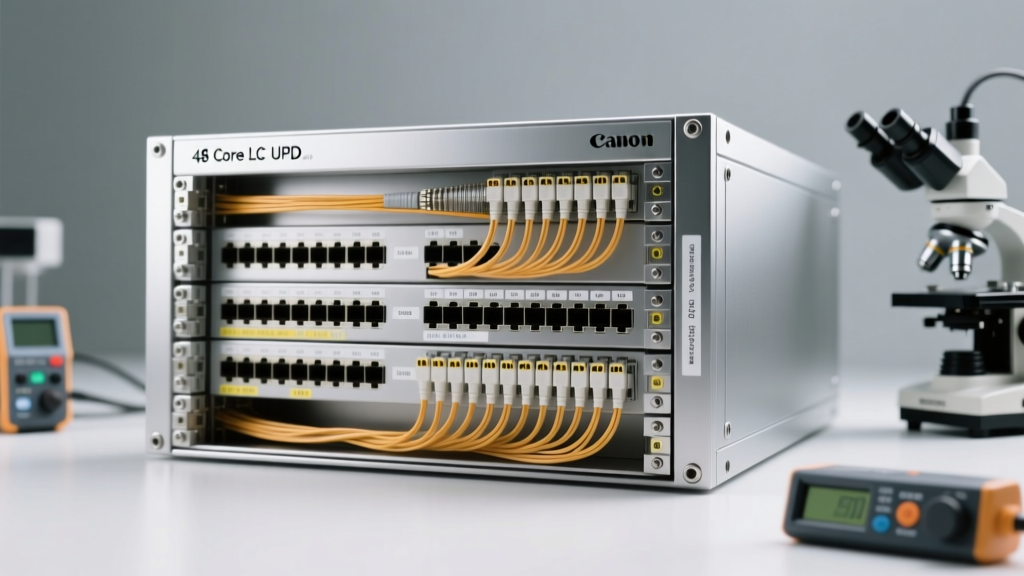
Types of 100 Pair Terminal Blocks
A 100 pair terminal block is a high-density electrical connector system designed to organize and secure up to 100 wire terminations in a compact, structured format. These blocks are essential components in telecommunications, industrial control systems, and power distribution setups, providing reliable, insulated connections that simplify wiring, reduce clutter, and enhance system safety.
Terminal blocks serve as insulating mounts for secure electrical connections, enabling efficient signal and power transmission while minimizing the risk of short circuits or interference. The 100 pair configuration is particularly valuable in applications requiring large-scale connectivity, such as telephone exchanges, data centers, and automation panels.
Insulation Displacement Connector (IDC)
Uses sharp metal blades to cut through wire insulation without pre-stripping, enabling rapid and tool-free connections.
Advantages
- No wire stripping required – saves time and labor
- High-speed installation ideal for mass wiring
- Consistent, reliable contact with minimal human error
- Commonly used in telecom and data network patch panels
Limitations
- Not easily reworkable – connections are permanent
- Requires precise wire gauge compatibility
- Limited to solid-core wires in most designs
Best for: Telecommunications, structured cabling, fast deployment environments
Solid-Slider Terminal Blocks
Features a movable conductive slider made from durable materials like copper or copper alloys to establish secure electrical contact.
Advantages
- Adjustable contact pressure for varying load conditions
- Excellent thermal and electrical conductivity
- Durable construction resists wear and corrosion
- Ideal for dynamic or fluctuating electrical loads
Limitations
- More complex design increases cost
- Requires periodic inspection and maintenance
- Bulkier than some other terminal types
Best for: Industrial control systems, variable load applications, power management panels
Isolation Terminal Blocks
Designed to electrically separate circuits using insulating barriers or opto-isolation to prevent signal interference.
Advantages
- Prevents crosstalk and electromagnetic interference (EMI)
- Protects sensitive equipment from voltage spikes
- Improves signal integrity in data transmission
- Essential for safety in mixed-voltage systems
Limitations
- Higher cost due to specialized insulation
- May require additional spacing or shielding
- Slightly larger footprint than standard blocks
Best for: Data communication systems, control circuits, medical and lab equipment
Ring Tongue Terminal Blocks
Utilize wires terminated with ring-shaped connectors that secure around screws or posts for maximum contact stability.
Advantages
- Extremely secure and vibration-resistant connection
- Superior electrical conductivity and low resistance
- Prevents wire pull-out under mechanical stress
- Common in high-power and safety-critical systems
Limitations
- Requires crimping tools and ring terminals
- More time-consuming to install
- Not easily modifiable once secured
Best for: Heavy machinery, power distribution, automotive and marine applications
Dual-Purpose Terminal Blocks
Combines two functionalities—such as connection and isolation—into a single, integrated unit for enhanced versatility.
Advantages
- Reduces component count and panel space
- Supports multiple wiring methods (e.g., IDC + screw clamp)
- Improves system flexibility and scalability
- Simplifies design and reduces wiring errors
Limitations
- Higher initial cost and complexity
- May require specialized training for installation
- Less standardized than single-function blocks
Best for: Complex industrial automation, hybrid signal/power systems, modular control panels
| Type | Installation Speed | Durability | Best Use Case | Key Benefit |
|---|---|---|---|---|
| Insulation Displacement (IDC) | Very Fast | High | Telecom & Data Wiring | No wire stripping needed |
| Solid-Slider | Moderate | Very High | Industrial Power Control | Adjustable load handling |
| Isolation | Moderate | High | Signal Integrity Systems | Prevents electrical noise |
| Ring Tongue | Slow | Very High | High-Power Applications | Maximum connection security |
| Dual-Purpose | Variable | High | Complex Control Panels | Multi-function integration |
Expert Tip: When working with 100 pair terminal blocks, always verify wire gauge compatibility and use proper labeling systems to ensure long-term maintainability and reduce troubleshooting time in large-scale installations.
Material & Durability of 100 Pair Terminal Block
Terminal blocks are essential components in electrical systems, providing secure and organized connections for multiple wires. The durability and performance of a 100 pair terminal block depend heavily on the materials used in its construction. Selecting the right materials ensures long-term reliability, safety, and efficiency—especially in demanding environments such as industrial facilities, outdoor installations, or high-vibration settings.
This guide explores the key material properties that define the durability and functionality of terminal blocks, including corrosion resistance, thermal stability, mechanical strength, electrical conductivity, and UV resistance. Understanding these characteristics helps engineers and technicians make informed decisions when specifying terminal blocks for critical applications.
Key Material Properties for Terminal Block Durability
Corrosion-Resistant Properties
Corrosion resistance is crucial for maintaining the integrity and performance of terminal blocks in humid, wet, or chemically aggressive environments. Exposure to moisture, salt, and airborne contaminants can lead to oxidation, pitting, or galvanic corrosion—especially in metal components like contacts and clamps.
Commonly used corrosion-resistant materials include copper, copper alloys (such as phosphor bronze), brass, and stainless steel. These metals resist rust and prevent the formation of insulating oxide layers (e.g., green patina on copper), which can degrade electrical contact over time. By minimizing oxidation, these materials help preserve low contact resistance and ensure consistent signal and power transmission throughout the block’s service life.
Thermal Resistance
Terminal blocks must operate reliably under varying thermal conditions, especially in high-current applications where resistive heating occurs at connection points. Thermal resistance refers to a material’s ability to withstand elevated temperatures without deforming, melting, or losing insulating properties.
Polyamide 66 (PA66), a widely used thermoplastic in terminal block housings, offers excellent thermal stability with a high melting point (around 260°C) and good flame retardancy. It acts as both an effective electrical insulator and a heat dissipater, helping to transfer heat away from conductive elements. This prevents localized overheating, reduces fire risk, and maintains structural integrity during prolonged operation or short-term overloads.
Mechanical Strength
Mechanical strength ensures that terminal blocks can endure repeated wiring operations, physical impacts, and constant vibration without cracking, loosening, or failing. In industrial machinery, transportation systems, or HVAC units, mechanical stress is common, making robust construction essential.
Materials like reinforced polyamide and polycarbonate offer high tensile strength, impact resistance, and dimensional stability. These properties allow terminal blocks to maintain secure wire clamping force over time, even after hundreds of insertions and removals. Strong mechanical design also prevents creep or deformation under load, contributing to long-term reliability in mission-critical systems.
Good Electrical Conductivity
Efficient electrical conductivity is fundamental to minimizing energy losses and voltage drops across terminal connections. Poor conductivity leads to increased resistance, which generates heat and reduces system efficiency.
Copper and its alloys are preferred for conductive parts due to their high electrical conductivity—second only to silver among common metals. They provide low-resistance pathways for current flow, ensuring optimal performance in power distribution and control circuits. Additionally, surface treatments like tin or nickel plating enhance conductivity while offering extra protection against oxidation and fretting corrosion.
UV Resistance
For terminal blocks installed outdoors or in direct sunlight, ultraviolet (UV) radiation poses a significant threat. Prolonged UV exposure can cause standard plastics to become brittle, discolored, or cracked—a process known as photodegradation. This compromises both the mechanical and insulating properties of the housing.
UV-resistant materials, such as specially formulated grades of polyamide or polycarbonate with UV stabilizers, are engineered to withstand years of sun exposure without degradation. These materials maintain flexibility, strength, and dielectric performance, making them ideal for outdoor enclosures, solar power installations, telecommunications cabinets, and marine applications.
Environmental Sealing & Longevity
Beyond individual material traits, many modern 100 pair terminal blocks incorporate sealed designs using gaskets or potting compounds to protect against dust, moisture, and contaminants. IP-rated enclosures further enhance durability in harsh conditions.
When combined with corrosion-resistant metals and UV-stable polymers, proper sealing significantly extends service life and reduces maintenance needs. This is particularly important in agricultural, coastal, and industrial environments where exposure to chemicals, salt spray, and extreme temperatures accelerates wear.
| Material Property | Primary Materials | Key Benefits |
|---|---|---|
| Corrosion Resistance | Copper, Brass, Stainless Steel, Tin-plated Contacts | Prevents rust and oxidation; maintains reliable electrical contact in wet or salty environments |
| Thermal Resistance | Polyamide 66 (PA66), PBT, Ceramic-Filled Polymers | Withstands high operating temperatures; resists melting and thermal deformation |
| Mechanical Strength | Reinforced Polyamide, Polycarbonate, Glass-Filled Nylon | Resists impact, vibration, and repeated use; prevents cracking or loosening |
| Electrical Conductivity | Copper, Phosphor Bronze, Silver-Plated Alloys | Minimizes resistance and energy loss; ensures efficient power transfer |
| UV Resistance | UV-Stabilized Polyamide, ASA, Polycarbonate Blends | Maintains structural and insulating integrity in outdoor sunlight exposure |
Best Practices for Ensuring Long-Term Durability
Important: Always match terminal block materials to the specific environmental and electrical requirements of your application. Using non-UV-resistant blocks outdoors or non-corrosion-resistant models in damp locations can lead to premature failure, safety hazards, and costly downtime. Investing in high-quality, properly specified terminal blocks enhances system reliability and reduces lifecycle costs.
Commercial Value of 100-Pair Terminal Blocks
Terminal blocks are fundamental components in modern electrical infrastructure, particularly in commercial and industrial environments. A 100-pair terminal block offers scalable, reliable, and organized connectivity for complex wiring systems. Its commercial value extends beyond simple wire connection—it enhances safety, operational efficiency, system reliability, and future adaptability. Understanding these benefits helps businesses make informed decisions when designing or upgrading electrical systems.
Efficient Wire Management
Terminal blocks provide a structured method for organizing and securing electrical wiring in complex systems. In commercial installations involving hundreds of connections—such as HVAC systems, control panels, or building automation—managing loose wires becomes impractical and error-prone.
- 100-pair terminal blocks consolidate numerous wires into a compact, labeled, and accessible unit
- Color-coded or numbered terminals simplify tracing circuits during installation or maintenance
- Modular design allows grouping by function (e.g., power, control, sensors), improving clarity
Key benefit: Reduces troubleshooting time by up to 60% and minimizes human error during servicing.
Reliable Machine & System Integration
In industrial automation and manufacturing, machines rely on precise electrical communication between motors, sensors, PLCs, and control units. Terminal blocks act as central connection hubs that ensure consistent and secure signal and power transmission.
- Supports daisy-chaining of multiple devices without splicing wires
- Enables quick disconnection for machine relocation or servicing
- Facilitates standardized wiring practices across production lines
Operational impact: Improves machine uptime and reduces unplanned downtime due to poor connections.
Enhanced Electrical Safety
Safety is paramount in commercial electrical systems. Exposed or poorly managed wiring increases the risk of short circuits, arc flashes, and electric shocks—hazards that can lead to equipment damage, injuries, or regulatory non-compliance.
- Insulated housings prevent accidental contact with live conductors
- Secure screw or spring-clamp terminals reduce the risk of loose connections and overheating
- Complies with electrical codes (e.g., NEC, IEC) when properly installed and labeled
Critical advantage: Helps meet OSHA and insurance requirements for workplace electrical safety.
Preservation of Signal Integrity
In data centers, telecom rooms, and process control systems, signal fidelity is crucial. Noise, crosstalk, or weak connections can corrupt data, disrupt communications, or trigger false alarms.
- Shielded and isolated terminal blocks reduce electromagnetic interference (EMI)
- Precise contact pressure ensures low-resistance, stable connections
- Dedicated signal blocks separate high-frequency data lines from power circuits
Business impact: Ensures reliable data transmission, reducing errors and improving system responsiveness.
Scalability and Future Expansion
Commercial facilities evolve—whether expanding production lines, upgrading IT infrastructure, or retrofitting buildings. A 100-pair terminal block provides built-in capacity for growth without requiring a complete rewiring effort.
- Extra terminals allow for adding new sensors, control circuits, or monitoring devices
- Rail-mounted modular blocks can be extended to 200, 300, or more pairs as needed
- Supports phased implementation in large-scale projects
Cost-saving insight: Reduces labor and material costs during system upgrades by up to 40%.
Time and Labor Efficiency
Installation and maintenance time directly affect project budgets and operational continuity. Terminal blocks streamline both processes through standardized, tool-assisted connections.
- Pre-labeled terminals reduce wiring errors during initial setup
- Spring-cage terminals allow faster wire insertion compared to screw terminals
- Test points and disconnect options enable live diagnostics without disassembly
Pro tip: Use terminal blocks with jumper bars to parallel power distribution efficiently.
Professional Recommendation: For commercial installations, invest in high-quality, modular terminal blocks with clear labeling, corrosion-resistant contacts, and compliance certifications (UL, CE, RoHS). While a 100-pair block may seem excessive initially, its long-term value in maintenance savings, scalability, and system reliability far outweighs the upfront cost. Consider color-coding and documentation practices to maximize its organizational benefits.
| Application | Primary Benefit | Terminal Block Type | Expected ROI (Timeframe) |
|---|---|---|---|
| Industrial Control Panels | Reduced downtime & easier troubleshooting | Modular screw terminal blocks | 6–12 months |
| Commercial Building Wiring | Simplified maintenance & code compliance | Barrier strip or rail-mounted blocks | 12–18 months |
| Telecom & Data Centers | Signal integrity & noise reduction | Shielded terminal blocks | 8–14 months |
| Facility Expansion Projects | Scalability & reduced retrofit costs | Expandable modular blocks | 10–16 months |
Additional Commercial Advantages
- Reduced Training Time: Standardized terminal block layouts make it easier for technicians to understand and work on systems, even across different sites.
- Improved Audit Readiness: Well-organized wiring supports faster inspections and compliance audits.
- Lower Warranty Claims: Reliable connections reduce field failures and associated service costs.
- Asset Longevity: Properly managed electrical systems extend the life of connected equipment.
- Sustainability: Reusable and recyclable materials in modern terminal blocks support green building initiatives.
How To Choose a 100-Pair Terminal Block: A Comprehensive Guide
Selecting the right 100-pair terminal block is essential for maintaining reliable, safe, and efficient electrical systems in commercial and industrial environments. Terminal blocks serve as critical connection points for wires, ensuring secure, organized, and accessible electrical junctions. With numerous options available, making an informed decision requires careful evaluation of several key factors. This guide outlines the five most important considerations when choosing a 100-pair terminal block to ensure optimal performance, longevity, and cost-efficiency.
Important Note: Terminal blocks are not one-size-fits-all. Selecting the wrong type can lead to electrical failures, safety hazards, or costly downtime. Always verify compatibility with your system’s voltage, current, environment, and physical layout before purchase.
1. Load Requirements: Matching Electrical Capacity
The primary function of any terminal block is to safely conduct electrical current. Therefore, understanding your system’s voltage and current demands is the first and most critical step in selection.
- Ensure the terminal block is rated for the maximum voltage and amperage your system will carry (e.g., 600V, 30A per circuit).
- Overloading a terminal block generates excessive heat, leading to insulation breakdown, arcing, or even fire hazards.
- Choose blocks with a safety margin—typically 20–25% above your expected load—to accommodate surges and future expansion.
- Verify compatibility with wire gauge (AWG) to ensure secure, low-resistance connections.
Proper load matching ensures long-term reliability, prevents premature failure, and supports uninterrupted business operations.
2. Environmental Conditions: Selecting the Right Material and Rating
Terminal blocks operate in diverse environments—from climate-controlled offices to harsh industrial plants. Environmental factors directly impact performance and lifespan.
- Temperature: Choose blocks rated for your operating range (e.g., -40°C to +120°C for extreme environments).
- Moisture and Humidity: In damp or outdoor settings, select IP-rated (Ingress Protection) terminal blocks with sealed housings to prevent corrosion and short circuits.
- Chemical Exposure: In facilities with oils, solvents, or cleaning agents, use chemically resistant materials like polycarbonate or reinforced thermoplastics.
- Dust and Debris: Enclosed or barrier-style blocks prevent contamination in dirty environments.
Terminal blocks designed for specific environmental challenges enhance durability, reduce maintenance, and minimize unplanned downtime.
3. Ease of Installation and Maintenance
In commercial and industrial settings where routine servicing is common, user-friendly design significantly impacts efficiency and labor costs.
- Look for features like clear terminal labeling, color-coded sections, and intuitive layouts for quick identification.
- Blocks with tool-free clamping (e.g., spring-cage or push-in terminals) reduce installation time and simplify wire changes.
- Quick-release mechanisms allow for easy removal and replacement without disturbing adjacent circuits.
- Modular designs support scalability and reconfiguration as system needs evolve.
Well-designed terminal blocks reduce installation errors, speed up troubleshooting, and empower technicians of varying skill levels—lowering dependency on highly specialized labor.
4. Cross-Compatibility with Existing Systems
Integrating new terminal blocks into existing electrical infrastructure should be seamless. Incompatibility can lead to expensive retrofits or operational delays.
- Verify terminal spacing (e.g., 5.08mm, 7.62mm) matches your current setup to ensure proper fit in enclosures and compatibility with wiring harnesses.
- Check connector types (screw, clamp, plug-in) and mounting options (DIN rail, panel mount) for alignment with existing hardware.
- Ensure material and insulation standards (e.g., UL, CE, RoHS) meet regulatory and safety requirements.
- Avoid mixing brands or types that may not mechanically or electrically interface well.
Cross-compatible terminal blocks ensure smooth upgrades, reduce installation disruption, and maintain consistency in system management and documentation.
5. Cost-Effectiveness: Balancing Initial Cost and Long-Term Value
While budget is important, the cheapest option may not be the most economical in the long run. True cost-effectiveness considers total ownership cost.
- Evaluate the initial purchase price against expected lifespan, maintenance frequency, and failure risk.
- High-quality blocks may have a higher upfront cost but offer better conductivity, durability, and resistance to environmental stress.
- Efficient designs reduce labor time during installation and servicing—directly lowering operational expenses.
- Blocks with modular or reusable components support future scalability without full replacement.
Investing in reliable, well-designed terminal blocks leads to reduced downtime, fewer replacements, and lower total operating costs over time.
| Selection Factor | Key Questions to Ask | Recommended Features | Potential Risks of Poor Selection |
|---|---|---|---|
| Load Requirement | What voltage and current will the block carry? | High current rating, proper wire gauge compatibility, thermal stability | Overheating, fire hazard, system failure |
| Environmental Conditions | Is the environment wet, hot, or chemically aggressive? | IP67 rating, corrosion-resistant housing, wide temperature range | Corrosion, short circuits, frequent replacements |
| Installation & Maintenance | Will the block be serviced often? | Tool-free terminals, clear labeling, modular design | Long downtime, high labor costs, human error |
| Cross-Compatibility | Does it fit existing enclosures and wiring? | Standard spacing, DIN rail mount, common connector types | Costly modifications, integration issues |
| Cost-Effectiveness | What is the total cost over 5+ years? | Durable materials, low maintenance, scalable design | High replacement frequency, hidden labor costs |
Expert Tip: When upgrading or replacing terminal blocks, consider taking a photo of your current setup and consulting with a technical representative from the manufacturer. This ensures you select a drop-in replacement or compatible upgrade without guesswork.
Final Recommendations
- Always refer to the manufacturer’s datasheet for electrical, mechanical, and environmental specifications.
- Choose reputable brands with proven reliability and technical support.
- Label all terminals clearly during installation for easier future maintenance.
- Perform periodic inspections to check for loose connections, discoloration, or signs of overheating.
- Keep spare terminal blocks on hand for critical systems to minimize downtime during failures.
Selecting the right 100-pair terminal block is more than a technical decision—it’s an investment in system safety, efficiency, and uptime. By carefully evaluating load requirements, environmental conditions, ease of use, compatibility, and long-term value, you can ensure your electrical infrastructure remains robust and reliable for years to come.
Frequently Asked Questions About 100-Pair Terminal Blocks
Q.1: What is a 100-pair terminal block used for?A 100-pair terminal block is a critical component in electrical distribution systems, designed to efficiently interconnect and manage large numbers of wires in complex installations. Each block accommodates 100 wire pairs—totaling 200 individual connections—making it ideal for organizing and securing electrical circuits in commercial buildings, industrial control panels, telecommunications infrastructure, and automation systems.
These terminal blocks streamline wiring processes by providing a centralized, labeled point for connecting incoming and outgoing conductors. This improves system clarity, reduces installation errors, and simplifies troubleshooting during maintenance. By consolidating connections in a structured manner, 100-pair blocks enhance overall electrical safety, reliability, and scalability in high-density environments.
Q.2: How many pairs are in a 100-pair terminal block?A 100-pair terminal block contains exactly 100 pairs of electrical terminals, which equates to 200 individual connection points—one for each wire in the pair. These blocks are engineered so that each pair connects two wires (typically an incoming and outgoing conductor), enabling reliable signal or power transmission across circuits.
The term "100-pair" directly refers to the number of wire sets the block can handle, not the total number of slots. Therefore, a 100-pair block has 200 terminal slots arranged in matched pairs, often color-coded or numbered for easy identification. This configuration supports efficient wire management in applications such as HVAC controls, security systems, and industrial machinery, where multiple circuits must be interconnected in a compact, accessible format.
| Terminal Block Type | Number of Pairs | Total Connection Points | Common Applications |
|---|---|---|---|
| 25-Pair | 25 | 50 | Residential control panels, small automation systems |
| 50-Pair | 50 | 100 | Medium-scale industrial controls, telecom enclosures |
| 100-Pair | 100 | 200 | Large control panels, data centers, factory automation |
| 200-Pair | 200 | 400 | Major infrastructure, power distribution hubs |
Yes, most 100-pair terminal blocks are constructed using durable, humidity-resistant materials such as high-grade thermoplastics (e.g., polycarbonate or nylon) and corrosion-resistant metal contacts. These materials ensure reliable performance even in challenging environments with elevated moisture levels, temperature fluctuations, or exposure to dust and chemicals.
For installations in high-humidity areas—such as basements, outdoor enclosures, or industrial facilities—engineers often select terminal blocks with additional protective features, including:
- Sealed housings: Prevent moisture ingress and protect internal connections.
- Corrosion-resistant coatings: Applied to metal terminals to resist oxidation.
- Thermal dissipation design: Helps manage heat buildup, reducing condensation risks.
- IP-rated enclosures: Provide dust and water resistance when installed properly.
Using environmentally resilient terminal blocks significantly reduces the risk of short circuits, insulation breakdown, and connection failures, ensuring long-term reliability and safety in demanding applications.
Q.4: What is the role of a terminal block cover?The terminal block cover plays a vital role in both safety and performance. It serves multiple protective functions:
- Electrical Safety: Shields live terminals from accidental contact, minimizing the risk of electric shock during maintenance or inspection.
- Environmental Protection: Acts as a barrier against dust, dirt, moisture, and chemical contaminants that could degrade connections or cause short circuits.
- Mechanical Strength: Reinforces the structural integrity of the terminal block, protecting against physical damage from impact or vibration.
- Labeling & Organization: Many covers include transparent windows or labeling strips for identifying circuits, improving serviceability and reducing downtime.
- Fire Resistance: Often made from flame-retardant materials to help contain faults and prevent fire propagation.
By extending the operational life of the terminal block and enhancing system safety, a properly fitted cover is a crucial component in any professional electrical installation. Always ensure the cover is compatible with the block model and securely fastened according to manufacturer specifications.