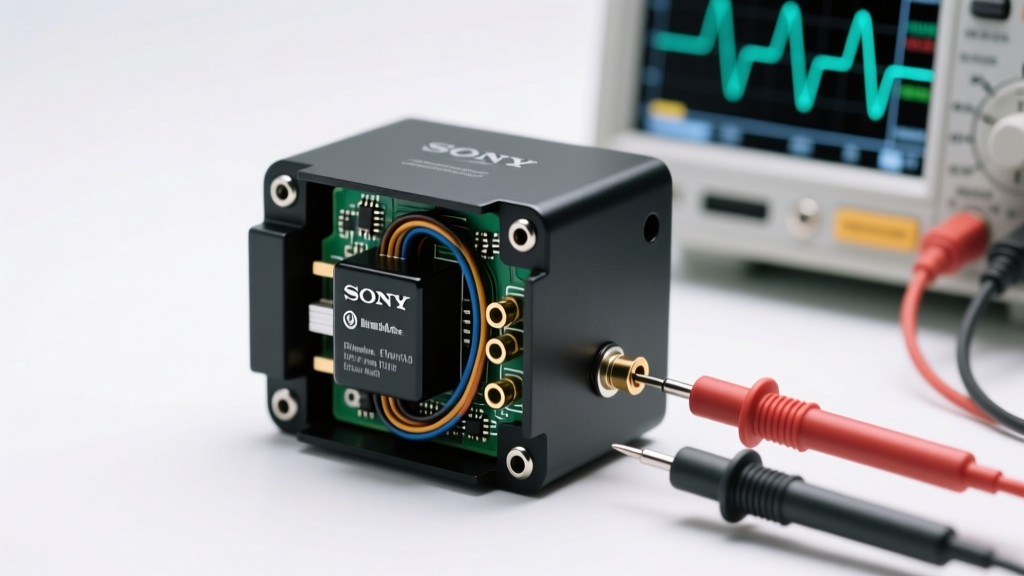
Types of 1/4" Surge Arresters
A 1/4" surge arrester (often referred to in electrical systems as a surge protection device) is a critical component designed to safeguard electrical and electronic equipment from damaging voltage spikes caused by lightning strikes, power surges, or switching transients. These devices work by diverting excess voltage to the ground, thereby limiting the voltage supplied to connected equipment. The "1/4" designation typically refers to the mounting or connection size, commonly used in industrial and commercial installations.
Surge arresters are essential for maintaining system reliability, preventing equipment damage, and ensuring safety in both residential and industrial power systems. Based on construction, application, and electrical characteristics, several types of surge arresters are available—each tailored to specific environments and protection needs.
AC Surge Arresters
Designed specifically for alternating current (AC) power systems, these arresters protect equipment from voltage transients originating from the utility grid, lightning, or internal switching events.
Advantages
- Effective protection for AC-powered devices
- Installed at service entrances for whole-building protection
- Multi-stage designs enhance reliability
- Compatible with standard electrical panels
Limitations
- Not suitable for DC systems
- May require coordination with downstream protectors
- Performance degrades after repeated surges
Best for: Residential panels, commercial buildings, HVAC systems, and main electrical distribution boards
DC Surge Arresters
Built to protect direct current (DC) systems such as solar photovoltaic (PV) arrays, battery banks, and off-grid power systems where voltage spikes can damage sensitive electronics.
Advantages
- Blocks DC leakage under normal conditions
- Fast response to transient surges
- Essential for solar and renewable energy systems
- Prevents inverter and controller damage
Limitations
- Limited to DC applications
- Requires proper polarity during installation
- May need thermal protection devices
Best for: Solar farms, battery storage systems, telecom power supplies, and electric vehicle charging stations
Composite Surge Arresters
Constructed with polymer or silicone rubber housings instead of traditional porcelain or glass, these arresters offer superior mechanical strength and environmental resistance.
Advantages
- Lightweight and shatter-resistant
- Excellent performance in extreme temperatures
- Resistant to moisture, UV, and pollution
- Improved safety due to non-ceramic housing
Limitations
- Higher initial cost
- Less common in legacy systems
- Potential for surface tracking if contaminated
Best for: Coastal areas, industrial zones, outdoor substations, and regions with severe weather
Line Surge Arresters
Installed directly on power transmission or distribution lines, these arresters protect the grid infrastructure from lightning and switching surges.
Advantages
- Reduces outage frequency and downtime
- Protects transformers and insulators
- Used on both overhead and underground lines
- Improves grid reliability
Limitations
- Requires professional installation
- Exposed to environmental wear
- Needs periodic inspection and maintenance
Best for: Utility power lines, rural electrification projects, and distribution networks
Station Surge Arresters
High-capacity arresters used in electrical substations and power generation facilities to protect critical equipment like transformers, circuit breakers, and switchgear.
Advantages
- High energy absorption capacity
- Rated for high-voltage systems (up to several hundred kV)
- Ensures continuity of power supply
- Extends equipment lifespan
Limitations
- Expensive and complex installation
- Requires coordination with protection relays
- Limited to large-scale infrastructure
Best for: Power plants, transmission substations, industrial complexes, and critical infrastructure
| Type | Voltage System | Typical Application | Durability | Installation Environment |
|---|---|---|---|---|
| AC Surge Arrester | AC | Building electrical panels, appliances | Good | Indoor/Outdoor (protected) |
| DC Surge Arrester | DC | Solar systems, battery banks | Very Good | Outdoor/Industrial |
| Composite Arrester | AC/DC | Harsh environments, coastal areas | Excellent | Outdoor/Exposed |
| Line Arrester | AC | Power distribution lines | Very Good | Overhead/Underground Lines |
| Station Arrester | AC (High Voltage) | Substations, power plants | Exceptional | Industrial/Utility |
Expert Tip: Always ensure that surge arresters are properly grounded and installed as close as possible to the equipment being protected. For 1/4" models, verify compatibility with mounting hardware and follow manufacturer torque specifications to ensure reliable performance and safety.
Choosing the right type of 1/4" surge arrester depends on the electrical system type (AC or DC), environmental conditions, and the level of protection required. Whether safeguarding a home solar array or a high-voltage substation, selecting the appropriate arrester enhances system longevity, safety, and operational efficiency.
Material & Durability of 1.4 kV Surge Arresters
The performance, reliability, and lifespan of a surge arrester are directly influenced by the materials used in its construction. The choice of materials impacts electrical insulation, mechanical strength, environmental resistance, and long-term durability—especially critical in outdoor and high-stress applications. Modern surge arresters, particularly those rated at 1.4 kV for low-voltage systems, utilize a combination of advanced materials to balance efficiency, safety, and cost-effectiveness.
Core Materials Used in Surge Arrester Construction
Porcelain Housing
For decades, porcelain has been the standard housing material for surge arresters due to its exceptional dielectric strength and thermal stability. It provides a rigid, non-conductive enclosure that effectively isolates internal components from external electrical interference and environmental exposure.
Porcelain is highly resistant to weathering, UV radiation, and temperature fluctuations, making it ideal for outdoor installations on power poles, substations, and distribution networks. Its dense structure prevents moisture ingress and maintains insulation integrity over time.
Limitations: Despite its strengths, porcelain is brittle and susceptible to cracking under mechanical stress or impact—such as from storms, falling debris, or seismic activity. It is also significantly heavier than modern alternatives, increasing installation complexity and structural load.
Composite/Polymer (Silicone Rubber) Housing
In recent years, composite materials—particularly silicone rubber-based polymer housings—have gained widespread adoption in surge arrester design. These offer superior mechanical resilience, being lightweight and shatterproof, which enhances safety and ease of handling during transport and installation.
Polymer insulators exhibit excellent hydrophobic properties, meaning they repel water and resist surface tracking even in wet or polluted environments. They also demonstrate strong resistance to ultraviolet (UV) light, ozone, and chemical contaminants, contributing to longer service life in harsh climates.
Limitations: While durable, polymer materials may degrade over time due to prolonged exposure to extreme heat or electrical discharges. Their lifespan can be shorter than porcelain in some high-exposure environments, and they require careful formulation to prevent aging and surface erosion.
Metal Oxide Varistors (MOVs – Zinc Oxide)
The heart of most modern surge arresters is the Metal Oxide Varistor (MOV), primarily composed of zinc oxide (ZnO) granules sintered with small amounts of bismuth, cobalt, and manganese oxides. MOVs are highly effective nonlinear resistors that remain insulative under normal voltage but become conductive during voltage surges.
Zinc oxide-based MOVs offer high energy absorption capacity, fast response time (nanoseconds), and stable performance across a wide range of transient voltages. This makes them ideal for protecting sensitive equipment in residential, commercial, and industrial settings.
Durability Note: MOVs degrade slightly with each surge event. While they can handle multiple small transients, a single large surge or repeated overvoltage events can lead to thermal runaway or failure. High-quality arresters include thermal disconnectors to prevent fire hazards when MOVs reach end-of-life.
Rubber and Plastic Seals & Enclosures
Rubber and thermoplastic materials are commonly used for sealing joints, end caps, and secondary enclosures in surge arresters. These components prevent moisture, dust, and corrosive elements from penetrating the internal circuitry.
Ethylene Propylene Diene Monomer (EPDM) rubber and polyurethane are frequently used for their flexibility, weather resistance, and long-term sealing performance. In portable or low-voltage surge protectors, plastic housings (e.g., polycarbonate or ABS) provide impact resistance and electrical insulation at a lower cost.
These materials are especially important in maintaining the integrity of the internal MOV stack and electrical connections, ensuring consistent performance even in humid or coastal environments.
Metals for Connectors and Electrodes
Electrical connectivity and low resistance are ensured through the use of high-conductivity metals such as copper, aluminum, and silver-plated alloys. These materials form the terminals, electrodes, and internal conductors within the arrester.
Copper is preferred for its excellent conductivity and corrosion resistance, especially in grounding connections. Silver plating is often applied to contact surfaces to reduce oxidation and maintain stable electrical performance over time.
Aluminum is used in some designs for weight reduction and cost efficiency, though it requires proper treatment to prevent galvanic corrosion when interfacing with dissimilar metals. All metallic components must be securely bonded to prevent arcing and ensure reliable surge current diversion.
Material Comparison Summary
| Material | Key Benefits | Lifespan & Limitations |
|---|---|---|
| Porcelain | High dielectric strength, weather-resistant, thermally stable | Long lifespan; fragile, heavy, prone to breakage under impact |
| Polymer/Silicone Rubber | Lightweight, shatterproof, hydrophobic, UV-resistant | 15–25 years; potential for surface erosion in extreme conditions |
| Zinc Oxide (MOV) | High energy absorption, fast response, nonlinear conductivity | Gradual degradation with surges; limited by cumulative energy exposure |
| Rubber/Plastic Seals | Moisture and contaminant protection, flexible sealing | Depends on material quality; may degrade under UV or heat over time |
| Copper/Silver/Aluminum | Excellent conductivity, low contact resistance, corrosion-resistant (when treated) | Long-lasting; risk of galvanic corrosion if improperly paired |
Best Practices for Ensuring Long-Term Durability
Important: Always follow manufacturer guidelines and local electrical codes when selecting, installing, or maintaining surge arresters. Using substandard materials or improper installation techniques can compromise safety and lead to equipment damage or fire hazards. Regular maintenance and material awareness are key to maximizing the service life and protective capability of your 1.4 kV surge protection system.
Scenarios for 1.4 Surge Arresters: Protecting Critical Systems from Voltage Surges
The primary purpose of surge arresters is to safeguard electrical and electronic equipment from transient overvoltages caused by lightning strikes, power grid switching, or internal electrical disturbances. A properly selected and installed surge arrester—such as those rated for 1.4 kV systems—can prevent costly damage, downtime, and safety hazards. Understanding where and how surge arresters are applied across various environments enables better protection strategies and informed decision-making. Below are the most common and critical application scenarios.
Residential Applications
A home surge protector is typically installed at the main electrical panel and at point-of-use locations for sensitive electronics such as computers, televisions, HVAC systems, and home entertainment centers. These arresters protect against voltage spikes originating from lightning, utility grid fluctuations, or large appliances cycling on and off.
- In regions with frequent thunderstorms, whole-house surge arresters are essential to prevent electrical fires and reduce the risk of appliance failure
- Point-of-use surge protectors offer an additional layer of defense for high-value electronics
- Modern smart homes with interconnected devices benefit significantly from layered surge protection
Key insight: Combining service entrance protection with individual device-level suppressors provides comprehensive coverage.
Commercial and Industrial Settings
Commercial buildings and industrial facilities rely heavily on sensitive electronic systems, including servers, control panels, manufacturing equipment, and communication networks. Surge arresters are strategically placed at the main power feed, distribution panels, and near mission-critical machinery.
- Hospitals use surge protection to ensure uninterrupted operation of life-support systems and diagnostic equipment
- Data centers implement multi-stage surge protection to avoid costly downtime and data loss
- Factories with automated production lines depend on surge arresters to prevent unplanned stoppages and equipment damage
Critical note: The financial impact of surge-related failures in industrial settings can run into thousands of dollars per hour—proactive protection is a cost-effective investment.
Renewable Energy Systems
Solar photovoltaic (PV) arrays and wind turbines are particularly vulnerable to lightning-induced surges due to their outdoor exposure and long cable runs. Surge arresters are installed between the energy source (panels or turbines), inverters, charge controllers, and battery storage systems.
- DC-side surge protection is crucial in solar installations to shield inverters from transient voltages generated by lightning or rapid cloud cover changes
- Wind farms use arresters at turbine bases and substation interconnections to manage switching surges and atmospheric events
- Hybrid solar-battery systems require coordinated surge protection to maintain system integrity and longevity
Technical tip: Use DC-rated surge arresters with appropriate voltage ratings (e.g., 1.4 kV) to match system insulation levels and ensure reliable clamping of transients.
Telecommunications Systems
Telecom infrastructure—including telephone lines, fiber-optic networks, coaxial cables, and wireless transmission equipment—is highly susceptible to induced surges from nearby lightning strikes or power line cross-contact. Surge arresters are integrated directly into signal lines and network entry points.
- Routers, modems, PBX systems, and satellite communication units require protection from both power and data line surges
- Cable TV and broadband providers install coaxial surge protectors to prevent service outages and equipment damage
- Cell towers and base stations use specialized arresters to maintain uptime and signal reliability
Important: Signal line arresters must maintain data integrity while diverting surges—select low-capacitance models for high-speed networks.
Transportation Systems
Modern transportation infrastructure depends on reliable electrical and electronic controls. Railway signaling, train propulsion systems, traffic lights, EV charging stations, and airport ground equipment all utilize surge arresters to maintain operational continuity and safety.
- Railway systems install arresters on trackside signaling circuits and overhead catenary lines to prevent false signals or system failures
- Electric vehicle (EV) charging stations require surge protection to safeguard both the charging unit and the connected vehicle
- Traffic control systems in urban areas use arresters to avoid disruptions during storms
Safety focus: In transportation, surge protection is not just about equipment—it's a critical component of public safety and system reliability.
Agricultural and Farming Equipment
Modern farms rely on automated systems such as irrigation pumps, climate-controlled barns, milking machines, and grain handling equipment—all of which are vulnerable to power surges. Rural locations often have less stable power grids and increased exposure to lightning.
- Submersible and centrifugal pumps used in irrigation benefit from surge protection to avoid motor burnout
- Automated feeding and ventilation systems in livestock facilities require uninterrupted power to maintain animal welfare
- Farms with solar-powered water systems need surge arresters on both DC and AC sides
Practical advice: Given the remote location of many farms, preventing surge-related breakdowns reduces costly service calls and equipment replacement.
Expert Recommendation: For optimal protection, implement a zoned surge protection strategy—installing primary arresters at the service entrance, secondary protectors at distribution panels, and tertiary suppressors at equipment inputs. This layered approach ensures that high-energy surges are safely diverted before reaching sensitive loads, significantly reducing failure rates across all application scenarios.
| Application Sector | Common Surge Sources | Recommended Protection Level | Key Components Protected |
|---|---|---|---|
| Residential | Lightning, grid switching, appliance cycling | Service entrance + point-of-use | TVs, computers, HVAC, smart devices |
| Commercial/Industrial | Lightning, capacitor switching, fault currents | Multi-stage (main + sub-panel + equipment) | Servers, PLCs, motors, control systems |
| Renewable Energy | Direct/induced lightning, rapid irradiance changes | DC & AC side arresters (1.4 kV rated) | Inverters, charge controllers, batteries |
| Telecommunications | Induced surges, cross-contact, ground potential rise | Signal line + power line protection | Routers, switches, coaxial lines, antennas |
| Transportation | Lightning, rail switching, regenerative braking | High-reliability, fail-safe arresters | Signaling systems, EV chargers, traffic lights |
| Agriculture | Unstable grid, lightning, long cable runs | Panel-level + equipment-level | Irrigation pumps, automation systems, sensors |
Additional Best Practices for Surge Arrester Deployment
- Proper Grounding: Effective surge protection requires a low-impedance grounding system to safely dissipate surge energy
- Regular Maintenance: Inspect arresters periodically for signs of wear, especially after known surge events
- Voltage Rating Match: Ensure the arrester’s MCOV (Maximum Continuous Operating Voltage) and duty cycle match the system (e.g., 1.4 kV for medium-voltage applications)
- Coordination: Use arresters in coordination with fuses, breakers, and SPDs (Surge Protective Devices) for seamless protection
- Environmental Protection: Outdoor installations should use weatherproof enclosures and UV-resistant materials
How To Choose a 1/4-Inch Surge Arrestor for Business Applications
Selecting the right 1/4-inch surge arrestor is essential for protecting sensitive business equipment from voltage transients, lightning strikes, and electrical surges. A properly chosen surge arrestor not only safeguards your infrastructure but also reduces downtime and repair costs. Key factors such as surge capacity, clamping voltage, installation location, environmental resilience, and compatibility with AC/DC systems play a crucial role in determining the right model for your needs.
Safety & Compliance Note: Always ensure that the surge arrestor meets recognized industry standards (e.g., UL 1449, IEEE C62.11) and is installed by a qualified electrician. Improper installation can compromise protection and create fire or shock hazards.
Key Factors in Selecting a 1/4-Inch Surge Arrestor
- Surge Capacity (Energy Rating)
Surge capacity, measured in kiloamperes (kA), indicates the maximum energy a surge arrestor can absorb during a transient event without failing. Higher kA ratings mean greater protection and longer lifespan under repeated surges.
- For commercial environments, choose arrestors with a minimum rating of 40kA to 100kA depending on exposure risk.
- Match the surge capacity to the criticality of the protected equipment—servers, network switches, and industrial controllers require higher ratings.
- Look for total surge current (Itotal) specifications to understand cumulative handling capability across multiple phases.
- Installation Location and Protection Stages
Effective surge protection follows a layered approach—installing arrestors at multiple points in the electrical system ensures maximum defense against transient voltages.
- Service Entrance (Type 1 or 2): Installed between the utility line and main panel, these handle large surges from external sources like lightning.
- Subpanels & Distribution Points (Type 2): Provide secondary protection for branch circuits and sensitive loads.
- Point-of-Use (Type 3): Deployed near individual devices (e.g., routers, POS systems) for fine-level protection.
- For optimal performance, use a coordinated protection strategy combining all three types.
- Environmental Durability and Enclosure Rating
The operating environment significantly impacts the longevity and reliability of a surge arrestor. Outdoor or industrial installations demand robust construction.
- Select models with IP65 or NEMA 4X-rated enclosures for outdoor or harsh environments to resist moisture, dust, and corrosion.
- Composite polymer housings offer better UV resistance and lighter weight than porcelain alternatives.
- In high-temperature areas, verify the operating temperature range (typically -40°C to +85°C).
- Ensure proper ventilation and avoid direct sunlight exposure when mounting.
- Clamping Voltage (Voltage Protection Level - VP)
Clamping voltage is the threshold at which the arrestor begins diverting excess current to ground. Lower clamping voltages provide tighter protection for sensitive electronics.
- For data centers and office equipment, aim for a clamping voltage of ≤ 600V (L-N) or lower.
- Metal Oxide Varistors (MOVs) typically have faster response times and lower clamping voltages than older technologies.
- Compare VP values at standard test currents (e.g., 3kA, 6kA) for accurate performance assessment.
- Type of Electrical System: AC, DC, or Hybrid
Surge arrestors are designed specifically for the type of electrical current they protect. Choosing the correct type ensures compatibility and effectiveness.
- AC Surge Arrestors: Ideal for standard commercial power systems (120/240VAC, 3-phase). Commonly used in main panels and HVAC systems.
- DC Surge Arrestors: Essential for solar PV arrays, battery storage systems, and telecom equipment. Rated for 12V to 1500VDC depending on application.
- Hybrid (AC/DC) Arrestors: Used in facilities with integrated renewable energy systems where both currents coexist.
- Confirm voltage rating matches your system (e.g., 120V, 277V, 480V) and includes tolerance for line fluctuations.
| Selection Factor | Recommended Specification | Application Example | Common Mistakes to Avoid |
|---|---|---|---|
| Surge Capacity | 40kA–100kA (per mode) | Data centers, manufacturing lines | Using undersized arrestors on high-exposure circuits |
| Clamping Voltage | ≤ 600V (L-N), ≤ 900V (L-G) | Network switches, servers, medical devices | Ignoring let-through voltage in sensitive zones |
| Installation Type | Type 1 (service entrance), Type 2 (panel), Type 3 (point-of-use) | Commercial buildings, solar farms | Relying solely on point-of-use protectors |
| Environmental Rating | IP65 / NEMA 4X for outdoor use | Outdoor lighting, rooftop solar, parking garages | Using indoor-rated units in wet locations |
| System Compatibility | AC-only, DC-only, or AC/DC hybrid | Solar inverters, EV charging stations | Mixing AC and DC arrestors incorrectly |
Expert Tip: Look for surge arrestors with status indicators (e.g., green/red windows) or remote alarm contacts that signal when the unit has reached end-of-life. This allows for proactive replacement before protection is lost.
Additional Selection & Maintenance Best Practices
- Verify the arrestor has thermal disconnects to prevent fire hazards if the MOV fails short-circuit.
- Choose models with modular designs for easy replacement of sacrificial components without removing the entire unit.
- Ensure compatibility with your electrical panel’s physical dimensions and busbar configuration (especially for DIN rail or bolt-on types).
- Check for warranty coverage and connected equipment protection guarantees offered by the manufacturer.
- Schedule annual inspections to verify grounding integrity, visual damage, and indicator status.
- Keep spare arrestor modules on-site for critical systems to minimize downtime during failures.
Choosing the right 1/4-inch surge arrestor involves more than just matching size and voltage. It requires understanding your facility’s electrical architecture, risk exposure, and equipment sensitivity. By carefully evaluating surge capacity, clamping performance, environmental resilience, and installation strategy, you can implement a robust protection plan that ensures business continuity and protects valuable assets. When in doubt, consult a licensed electrical engineer or surge protection specialist to design a comprehensive solution tailored to your operational needs.
Frequently Asked Questions About Surge Arrestors
Q1: Can 1/4" surge arrestors be used in both residential and commercial settings?Yes, 1/4" surge arrestors—commonly referring to those with standard NEMA or IEC mounting dimensions—are suitable for use in both residential and commercial environments. Their compact design and robust protection capabilities make them ideal for a wide range of applications.
- Residential Use: Installed at the main electrical panel or point-of-use, these devices protect sensitive electronics such as televisions, computers, gaming consoles, and home theater systems from transient voltage spikes caused by lightning, utility switching, or appliance cycling.
- Commercial Use: In offices, retail spaces, and industrial facilities, surge arrestors safeguard critical infrastructure including network servers, HVAC controls, point-of-sale (POS) terminals, and manufacturing equipment. This helps prevent costly downtime and data loss.
- Versatility: Many models are rated for whole-house or building-wide protection and can be integrated into service panels, subpanels, or individual circuits depending on the level of protection required.
Always ensure the surge arrestor meets local electrical codes and is properly grounded to deliver optimal performance in either setting.
Q2: What is the typical lifespan of a surge arrestor?The lifespan of a surge arrestor typically ranges from 8 to 10 years under normal operating conditions, though this can vary significantly based on several key factors:
- Quality of Components: Higher-grade metal oxide varistors (MOVs) and thermal disconnects in premium units contribute to longer service life and better durability.
- Surge Frequency and Intensity: Areas with frequent thunderstorms or unstable power grids expose arrestors to more voltage transients, accelerating wear and reducing longevity.
- Operating Environment: Extreme temperatures, humidity, and poor ventilation can degrade internal components over time.
- Protection Level: Arrestors that absorb multiple large surges may reach end-of-life sooner, even if they appear physically intact.
Many modern surge arrestors include status indicators (e.g., green/red lights) to signal when the unit is no longer functional. Regular visual inspections and annual electrical testing are recommended to ensure continued protection.
Q3: How often should surge arrestors be replaced or serviced?For reliable performance, surge arrestors should be inspected at least every 1–2 years, especially in regions prone to severe weather or electrical instability. Key maintenance practices include:
- Visual Inspection: Check for signs of physical damage, discoloration, or indicator lights showing failure (e.g., red light instead of green).
- Performance Monitoring: Some advanced models offer remote monitoring or diagnostic outputs that alert users to degradation.
- Manufacturer Recommendations: Follow the service schedule outlined in the product manual—some units are designed for replacement after 5–7 years regardless of condition.
- Post-Surge Events: After a known major surge (such as a nearby lightning strike), the arrestor should be evaluated immediately, even if no damage is apparent.
While surge arrestors require minimal maintenance, timely replacement ensures uninterrupted protection. Delaying replacement increases the risk of catastrophic equipment failure during future surges.
Q4: Do surge arrestors provide complete protection against all power surges?No, surge arrestors do not offer 100% protection against all types of electrical surges. While they are highly effective at suppressing most transient overvoltages, certain extreme events can overwhelm their capacity:
- Direct Lightning Strikes: A direct hit to a power line can generate millions of volts—far beyond what any standard surge arrestor can handle.
- Utility-Side Surges: Large-scale grid switching or transformer failures may introduce surges too powerful for downstream protection devices.
- Proximity Limitations: Arrestors located far from sensitive equipment may not fully suppress residual voltage spikes.
For comprehensive protection, a layered approach is recommended:
- Primary Protection: Service entrance surge arrestors (Type 1 or 2) installed at the main panel.
- Secondary Protection: Panel or subpanel arrestors (Type 2).
- Tertiary Protection: Point-of-use surge protectors (Type 3) for individual devices.
- Supplementary Measures: Uninterruptible power supplies (UPS), power conditioners, and proper grounding enhance overall system resilience.
Combining these strategies significantly improves defense against both common and extreme surge events.
Q5: What happens when a surge arrestor fails?When a surge arrestor fails, it loses its ability to divert excess voltage safely to ground, leaving connected equipment vulnerable to damage. The consequences and failure modes vary depending on design:
- Open-Failure Mode: Many modern arrestors are equipped with thermal fuses or disconnectors. Upon absorbing excessive energy, the MOVs heat up and trigger a safe shutdown—the unit disconnects itself from the circuit, preventing fire hazards. While this stops protection, it avoids dangerous short circuits.
- Catastrophic Failure: Lower-quality or aged units may fail shorted, potentially causing overheating, smoke, or in rare cases, fire if not properly fused or monitored.
- Silent Degradation: Some arrestors degrade gradually without visible signs, offering diminishing protection until they become ineffective.
Failed surge arrestors can result in:
- Damage to connected electronics (e.g., fried circuit boards in computers or appliances).
- Increased risk during subsequent surge events.
- Potential safety hazards if internal components overheat.
To mitigate risks, always choose UL-listed or IEEE-certified surge protection devices with clear end-of-life indicators and replace them according to manufacturer guidelines or after major surge events.