
Bruce Springsteen is a towering figure in American rock music, known for his poetic lyrics, electrifying live performances, and deep connection to working-class struggles. But beyond his music, one nickname has become inseparable from his identity: “The Boss.” It’s a title that echoes through stadiums, appears on merchandise, and is used with reverence by fans and critics alike. Yet, many wonder—where did it come from? What does it mean? And how did a blue-collar New Jersey rocker earn a moniker typically associated with authority and leadership?
The story behind “The Boss” is not about ego or self-promotion. Instead, it’s rooted in street-smart survival, youthful rebellion, and a touch of irony. Understanding the origin of the nickname reveals as much about Springsteen’s character as it does about the world he grew up in.
The Origins: A Streetwise Nickname from Freehold
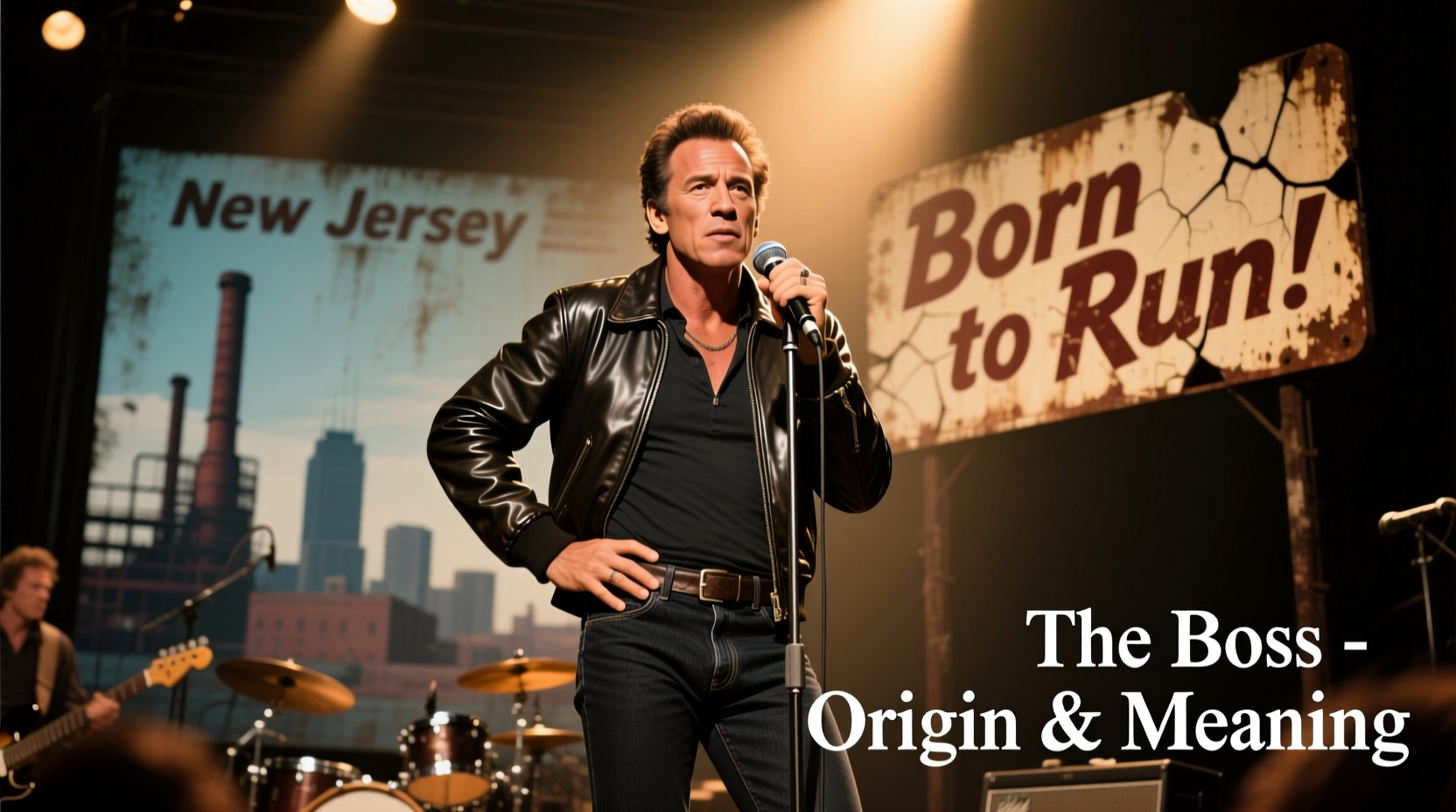
The earliest roots of “The Boss” trace back to Springsteen’s teenage years in Freehold, New Jersey. Born in 1949, Bruce grew up in a working-class household where money was tight and opportunities were limited. As a young man, he spent much of his time navigating the social landscape of local hangouts, diners, and street corners—places where reputation mattered.
According to multiple biographies and interviews, the nickname emerged during high school when Bruce began collecting weekly dues from members of his early bands. In the informal economy of youth bands trying to book gigs, someone had to manage the money—paying for equipment, transportation, and sometimes even bribes to get stage time at clubs. Springsteen took on that role.
“I was the one who made sure everyone got paid,” Springsteen once said in an interview. “If there was five bucks left after the rent was paid, I decided who got it. So they started calling me ‘The Boss’—half joking, half respect.”
The term wasn’t meant to suggest corporate power. Rather, it reflected a practical leadership—the guy who kept things running, made decisions, and looked out for the crew. In a world where few had steady jobs or financial stability, being trusted with money and responsibility was a form of quiet authority.
Cultural Meaning: From Irony to Icon
What began as a tongue-in-cheek nickname among friends evolved into something far more significant. By the mid-1970s, as Springsteen’s career gained momentum, journalists and fans picked up on the moniker. It resonated because it contrasted so sharply with his image: a denim-clad, guitar-slinging everyman singing about factory closings, dead-end towns, and broken dreams.
Yet, in those songs, Springsteen also projected strength, resilience, and moral clarity. He didn’t just describe struggle—he offered solidarity. That duality made “The Boss” feel earned. It wasn’t a title of privilege; it was one of earned respect.
“He’s not a CEO or a politician. He’s the kind of boss you’d want on your side—the one who works alongside you, fights for you, and never forgets where he came from.” — David Fricke, Senior Editor, Rolling Stone
The nickname also carried a subtle irony. In a society where “the boss” often symbolized exploitation or detachment from labor, Springsteen reclaimed the term. He became the anti-boss—a leader who stood with the workers, not above them. This reversal gave the name depth and staying power.
Timeline: How 'The Boss' Became Legendary
The evolution of the nickname mirrors Springsteen’s rise in popularity. Here’s a key timeline showing how “The Boss” transitioned from a local quip to a global identity:
- Early 1960s: Teenage Springsteen collects band dues and manages logistics in Freehold, earning the ironic nickname “The Boss” from peers.
- 1972: Columbia Records signs Springsteen. Early press materials mention his “boss-like” presence but don’t yet use the nickname widely.
- 1975: The release of Born to Run catapults him to fame. Magazines like Rolling Stone begin referring to him as “The Boss” in headlines.
- Late 1970s–1980s: The E Street Band adopts the term affectionately. Fans start chanting “Boss! Boss!” at concerts.
- 1984: With Born in the U.S.A., Springsteen becomes a global superstar. “The Boss” is now a fixture in media, merchandise, and fan culture.
- 2000s–Present: The nickname endures, appearing on official websites, tour posters, and documentaries. It’s recognized as part of rock history.
Why the Nickname Stuck: Authority Without Arrogance
Many musicians have flashy nicknames, but few carry the weight of “The Boss.” Its longevity comes from authenticity. Unlike titles bestowed by marketing teams, this one emerged organically—from the streets, the stage, and the studio.
Springsteen’s leadership style reinforces the nickname. On stage, he commands four-hour shows with relentless energy, often deferring spotlight moments to band members. Off stage, he’s known for his meticulous work ethic, loyalty to his team, and commitment to social causes. He doesn’t lead by decree; he leads by example.
In a 2016 interview, Max Weinberg, Springsteen’s longtime drummer, put it simply: “Bruce is the boss because he sets the standard. He shows up first, leaves last, and gives everything. You follow him because you want to—not because you have to.”
Tip: When analyzing celebrity nicknames, look beyond the surface. Often, the most enduring ones reflect real behavior, not branding.Common Misconceptions About the Name
Over the years, several myths have circulated about the origin of “The Boss.” Let’s clarify the facts:
| Misconception | Reality |
|---|---|
| He called himself “The Boss” to seem powerful. | No evidence supports this. The nickname was given by peers, not self-appointed. |
| It came from his father, who was strict. | His father, Douglas Springsteen, was indeed stern, but the nickname has no direct link to him. |
| It originated during the Born in the U.S.A. era. | Wrong. The term predates that album by over a decade. |
| It refers to his control over the E Street Band. | While he leads the band, the nickname existed before most members joined. |
Mini Case Study: The Power of a Nickname in Concert
In 2012, during a concert in Helsinki, Finland, Springsteen paused mid-set, smiling as the crowd roared “BOSS! BOSS! BOSS!” for nearly a full minute. Instead of launching into the next song, he raised his hand and said, “You know, I’ve been called a lot of things—but that one still surprises me.”
What followed was a raw, unplugged version of “Thunder Road,” performed with just his guitar and harmonica. The moment went viral online, not because of the song choice, but because of the emotional weight behind the nickname. Fans weren’t cheering for a star—they were acknowledging a figure of trust, perseverance, and shared experience.
This incident illustrates how “The Boss” transcends mere fandom. It’s a symbol of mutual respect between artist and audience—one built over decades of honest storytelling and relentless performance.
Frequently Asked Questions
Did Bruce Springsteen ever dislike the nickname?
There’s no record of him disliking it. In fact, he’s embraced it with humor and humility. Over time, he’s acknowledged its irony but accepts it as part of his public identity.
Is “The Boss” used officially anywhere?
Yes. It appears on his official website (brucespringsteen.net), tour merchandise, and even in legal documents related to his business entities. The E Street Band also uses it affectionately in interviews.
Are there other musicians with similar nicknames?
Yes—Elvis was “The King,” Prince was “The Artist,” and B.B. King was “The King of Blues.” But “The Boss” stands out for its grassroots origin and lack of pretension.
How to Embrace a Legacy: Lessons for Leaders and Artists
The story of “The Boss” offers valuable insights beyond music history:
- Authenticity matters. Titles earn respect only when backed by action.
- Humility strengthens authority. Springsteen leads not by demanding obedience but by setting an example.
- Origins shape identity. The nickname connects him to his roots, reminding fans that greatness can emerge from ordinary places.
- Take responsibility when others won’t
- Deliver consistently, even when unseen
- Earn trust through fairness and integrity
- Stay connected to your roots
- Let others give you credit—don’t claim it
Conclusion
The nickname “The Boss” is more than a catchy label—it’s a testament to Bruce Springsteen’s journey from a scrappy teenager in Freehold to one of the most respected figures in modern music. It reflects not dominance, but dedication; not arrogance, but accountability.
Understanding its origin reminds us that true leadership isn’t about titles or status. It’s about showing up, doing the work, and looking out for the people around you. Whether you’re leading a band, a team, or just your own life, that’s a standard worth striving for.
💬 What does 'The Boss' mean to you? Share your thoughts on Springsteen’s legacy, or tell us about a leader who earned their title the right way.








