
Setting up a home gym no longer requires a six-figure budget or an entire spare room. With smart equipment choices, you can build a powerful, adaptable workout space for under $500—often much less. The key is selecting gear that maximizes versatility, durability, and functional training potential without sacrificing quality. Whether you're tight on space, working with a limited budget, or just starting your fitness journey, the right combination of tools can transform any corner into a high-performance training zone.
Why Affordability and Versatility Matter
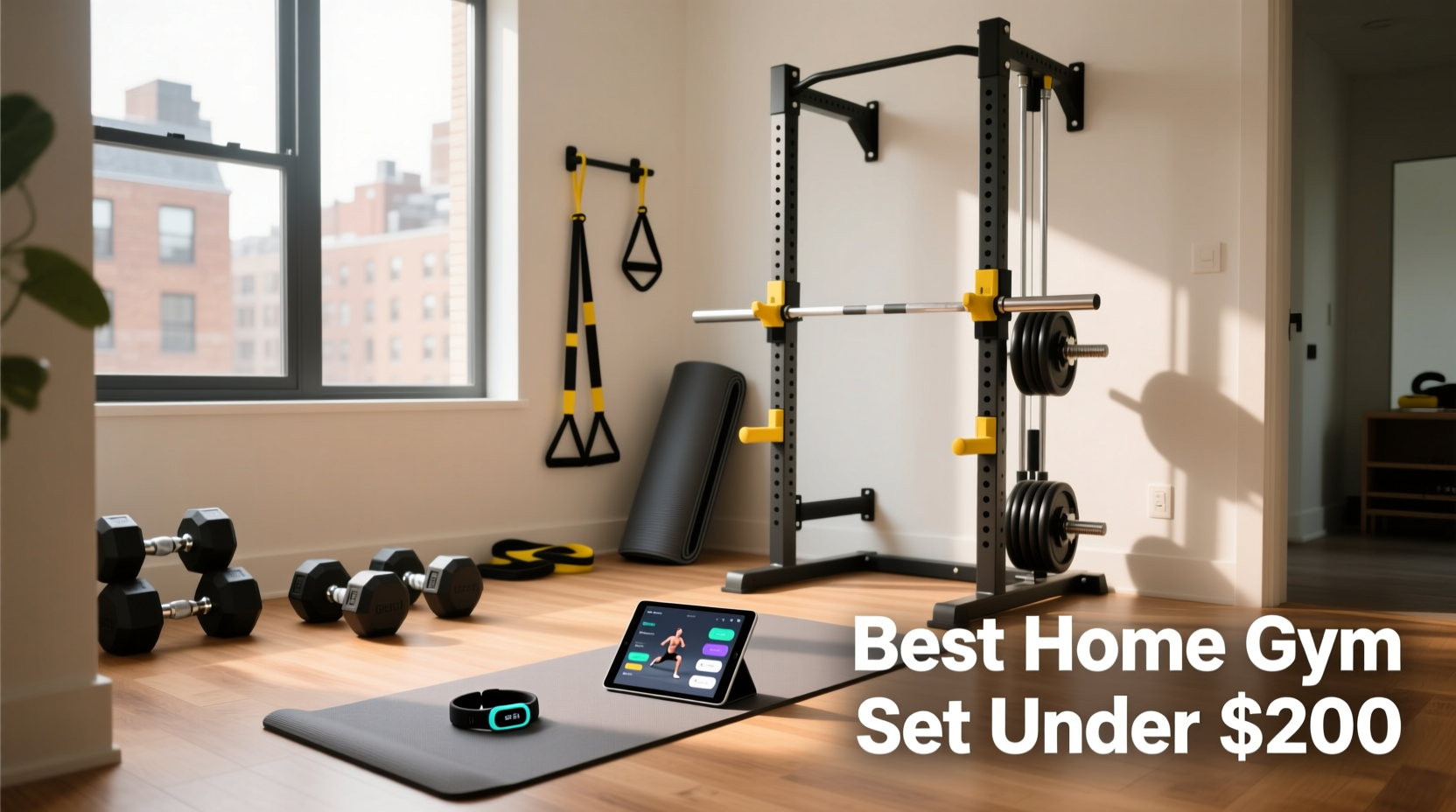
A home gym should serve multiple purposes: strength training, cardio conditioning, mobility work, and flexibility. Investing in single-use machines limits your long-term progress and often leads to unused clutter. Affordable doesn’t mean low-quality—it means getting the most functional return per dollar spent.
Versatile equipment allows you to perform dozens of exercises across muscle groups. A single adjustable dumbbell set, for example, can replace an entire rack of fixed weights. Resistance bands can simulate cable machines at a fraction of the cost. When combined strategically, these tools create a compact yet comprehensive system ideal for consistent, progressive training.
“Fitness isn’t about how much you spend—it’s about consistency and intelligent programming. The best home gyms are built around multi-functional tools.” — Marcus Lin, Certified Strength and Conditioning Specialist (CSCS)
Top 5 Affordable & Versatile Equipment Choices
The following items represent the highest value-to-cost ratio in home fitness. Each supports hundreds of movements, adapts to all fitness levels, and fits easily into small living spaces.
- Adjustable Dumbbells: Replace multiple sets of fixed weights. Brands like Bowflex, PowerBlock, and Ironmaster offer durable models ranging from $200–$400. Look for smooth adjustment mechanisms and solid construction.
- Resistance Bands: Light, portable, and effective for strength, rehab, and warm-ups. Loop bands, tube bands with handles, and flat bands each serve different needs. A full set costs under $50.
- Foldable Bench: Enables chest presses, step-ups, seated exercises, and core work. Choose one with multiple incline positions and sturdy locking legs. Quality models start around $80.
- Jump Rope: One of the most efficient cardio tools available. A weighted speed rope improves coordination and burns calories fast. Expect to pay $15–$30 for a durable option.
- Yoga Mat + Flooring Tiles: Protects floors and provides grip. Interlocking foam tiles ($1–$3 per square foot) add shock absorption and define your workout zone visually.
Comparison Table: Value vs. Functionality
| Equipment | Price Range | Key Benefits | Limited By |
|---|---|---|---|
| Adjustable Dumbbells | $200–$400 | Saves space, replaces 15+ pairs of weights, durable | Higher initial cost, limited max weight on some models |
| Resistance Bands (Set) | $30–$70 | Portable, joint-friendly, great for activation | Less precise loading, wears over time |
| Folding Weight Bench | $70–$150 | Enables pressing, step-ups, stretches | Takes floor space when in use |
| Kettlebells (1–2 sizes) | $100–$200 | Excellent for swings, carries, dynamic lifts | Requires technique; not adjustable |
| Slim Pull-Up Bar (Doorway) | $30–$60 | Builds back, arms, grip strength; zero footprint | Door frame must be sturdy; not for heavy kipping |
Step-by-Step: Building Your Budget-Friendly Home Gym
Follow this sequence to build a capable, scalable home gym without overspending.
- Define Your Space: Measure the area you can dedicate—even 4x6 feet is enough. Ensure ceiling height allows for jumping or overhead motion.
- Set a Realistic Budget: Aim for $300–$500 for a complete starter kit. Prioritize durability over flashy features.
- Purchase Core Equipment First: Begin with adjustable dumbbells and a mat. Add bands and a bench next.
- Incorporate Bodyweight Training: Use push-up bars, parallettes, or towels for sliding lunges and ab work—minimal cost, high return.
- Add Over Time: After 6–8 weeks, assess gaps. Need more cardio? Add a jump rope or second-hand rower. Want upper body pull? Install a doorway bar.
- Create a Weekly Routine: Design workouts that rotate between push, pull, legs, and core using only what you own. Track progress weekly.
Real Example: Sarah’s Apartment Workout Zone
Sarah lives in a one-bedroom apartment in Chicago with limited storage. She wanted to stay active but found gyms inconvenient and expensive. For under $450, she built a functional gym in her bedroom corner:
- $280 – Bowflex 552 Adjustable Dumbbells (5–52.5 lbs)
- $65 – Foldable utility bench with back support
- $40 – Full resistance band set (light to heavy)
- $25 – Speed jump rope with ball bearings
- $45 – Interlocking foam tiles and yoga mat combo
She uses a free app to follow guided dumbbell and band workouts three times a week. On weekends, she does HIIT circuits combining jumps, squats, and rows. In six months, she lost 18 pounds, gained noticeable muscle tone, and saved over $600 in gym fees. Her only regret? Not starting sooner.
Essential Checklist Before You Buy
Use this checklist to avoid common pitfalls and ensure every purchase counts:
- ✅ Does it support at least 5 major movement patterns (push, pull, hinge, squat, carry)?
- ✅ Can it be stored easily when not in use?
- ✅ Is it made with durable materials (steel, reinforced nylon, non-slip coating)?
- ✅ Does it scale with my fitness level (e.g., adjustable resistance)?
- ✅ Have I read verified customer reviews for long-term performance?
- ✅ Is there a warranty or return policy?
Common Myths About Budget Home Gyms
Several misconceptions deter people from building effective low-cost setups.
- Myth: “You need machines to build real strength.” Truth: Free weights and resistance training stimulate muscle growth just as effectively—if programmed correctly.
- Myth: “Cheap gear breaks quickly.” Truth: Many affordable brands use commercial-grade materials. Research before assuming lower price = lower quality.
- Myth: “No room means no gym.” Truth: Wall-mounted racks, doorframe bars, and rolling carts make tiny spaces viable.
FAQ
Can I build muscle with just resistance bands and dumbbells?
Yes—especially if you apply progressive overload. Increase reps, reduce rest time, or combine band tension with dumbbell load to keep challenging your muscles.
How do I avoid buying too much too soon?
Stick to the \"two-item rule\": Only buy new equipment after consistently using your current gear for at least four weeks. Most beginners overbuy and underuse.
Are second-hand gym items safe to buy?
Generally yes, especially for dumbbells, benches, and bars. Avoid used mats or anything with frayed cables. Inspect for rust, cracks, or wobbling parts before purchasing.
Final Thoughts: Build Smart, Train Consistently
The best home gym isn’t the most expensive—it’s the one you actually use. Affordability and versatility go hand-in-hand when you choose equipment that evolves with your goals. You don’t need a Peloton or power rack to get strong, lean, and healthy. What you need is commitment, smart selection, and a plan.
Start small. Master the basics. Add only when necessary. Focus on form, frequency, and effort—not gadgets. In a few months, you’ll look back amazed at what you’ve achieved with so little space and investment.
🚀 Ready to build your dream home gym without breaking the bank? Pick one piece of equipment from this guide and order it today. Momentum starts with action.








