
It’s a familiar scene: You’ve just finished a satisfying lunch, only to feel your eyelids grow heavy, your focus fade, and your motivation vanish. This post-lunch slump isn’t just inconvenient—it can derail productivity, affect mood, and even impact long-term health if ignored. While occasional fatigue is normal, consistently crashing after meals suggests deeper imbalances in diet, digestion, or circadian rhythm. The good news? Most causes are modifiable with smart, sustainable changes. Understanding the root reasons behind afternoon fatigue—and how food choices influence energy—can transform your daily rhythm.
The Science Behind the Post-Lunch Crash
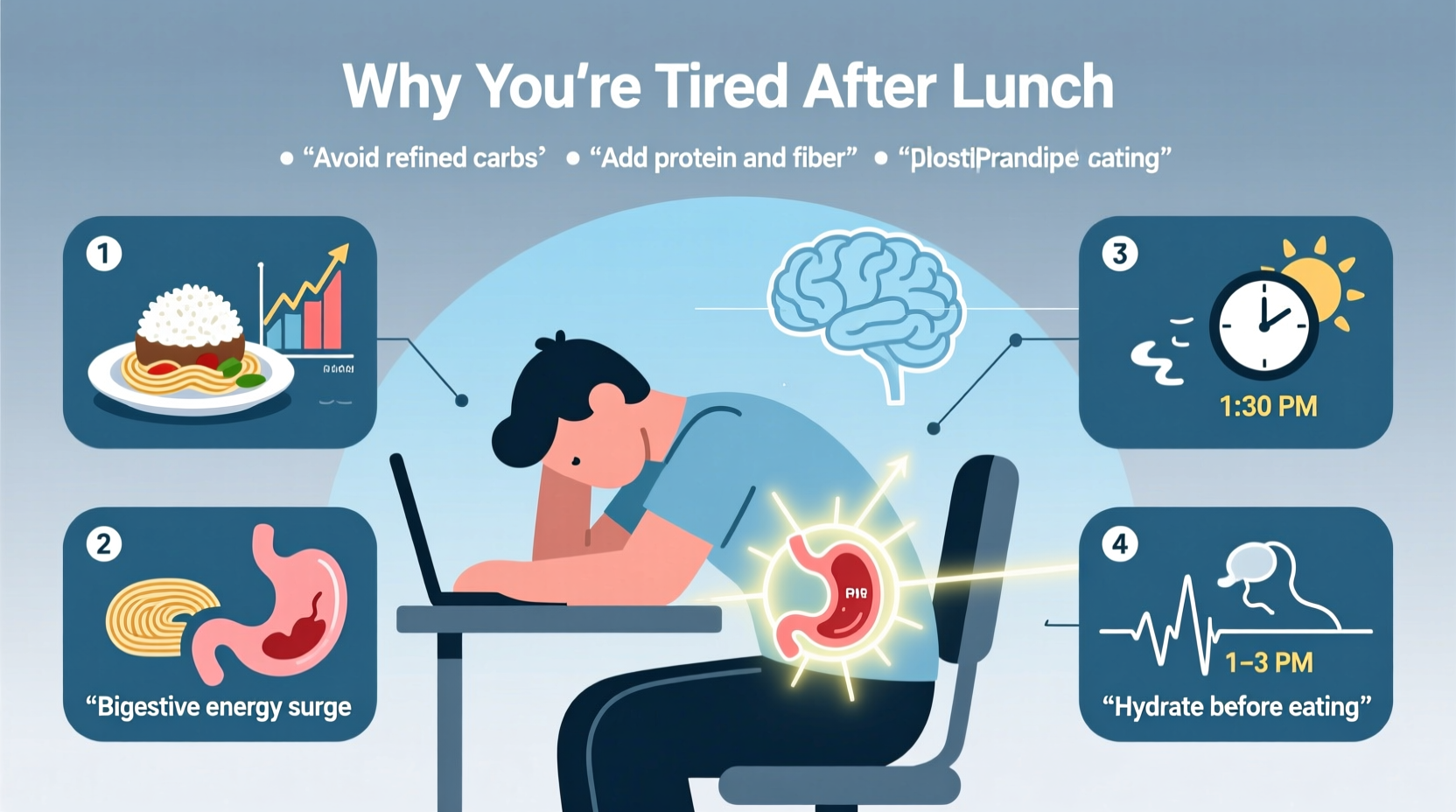
Afternoon fatigue isn't just laziness; it's often a physiological response. The body naturally experiences a dip in alertness between 1 p.m. and 3 p.m., influenced by the circadian rhythm. Core body temperature drops slightly during this window, signaling the brain to prepare for rest. But when this natural dip becomes a full-blown crash, diet usually plays a central role.
One major contributor is blood sugar dysregulation. Meals high in refined carbohydrates—white bread, pasta, sugary sauces—cause a rapid spike in glucose. In response, the pancreas releases insulin to shuttle sugar into cells. When too much insulin is released, blood sugar plummets quickly, leading to hypoglycemia-like symptoms: fatigue, irritability, brain fog, and cravings. This \"sugar roller coaster\" is one of the most common triggers of post-meal exhaustion.
Digestion itself demands energy. The parasympathetic nervous system activates during meals to support digestion—a process called the \"rest-and-digest\" response. Large, heavy meals increase this demand significantly, diverting blood flow from the brain and muscles to the gastrointestinal tract. This shift can leave you feeling sluggish, especially if lunch includes excessive fat, protein, or volume.
“Post-lunch fatigue is rarely about laziness. It’s often the body signaling that something in your meal—or routine—is out of balance.” — Dr. Lena Patel, Integrative Nutrition Specialist
Common Dietary Causes of Afternoon Fatigue
What you eat at lunch directly influences how you feel afterward. Several dietary patterns consistently contribute to energy crashes:
- High-glycemic meals: Foods like white rice, pastries, or processed sandwiches cause rapid glucose spikes and subsequent crashes.
- Excessive portion sizes: Overeating forces the digestive system to work harder, increasing fatigue.
- Poor macronutrient balance: Meals lacking protein or healthy fats fail to sustain energy and satiety.
- Hidden sugars: Salad dressings, sauces, and “healthy” packaged foods often contain added sugars that sabotage blood sugar control.
- Dehydration: Even mild dehydration reduces concentration and increases perceived fatigue.
- Caffeine timing: Drinking coffee late in the morning can lead to a crash just as lunch ends.
Simple Dietary Tweaks to Prevent the Slump
You don’t need a complete diet overhaul to fix post-lunch fatigue. Small, strategic adjustments can yield dramatic improvements in afternoon energy.
1. Prioritize Protein and Fiber
Protein slows digestion and stabilizes blood sugar. Include 20–30 grams of protein at lunch—such as grilled chicken, lentils, tofu, eggs, or Greek yogurt. Pair with fiber-rich vegetables or whole grains to further moderate glucose release.
2. Choose Low-Glycemic Carbohydrates
Swap refined carbs for complex, low-glycemic options. Brown rice instead of white, quinoa over pasta, sweet potatoes in place of fries. These digest more slowly, providing steady fuel without the crash.
3. Include Healthy Fats
Fats like avocado, olive oil, nuts, or seeds add satiety and help regulate insulin response. A tablespoon of olive oil on a salad or a quarter of an avocado in your wrap makes a noticeable difference.
4. Control Portion Size
Larger meals increase postprandial somnolence (post-meal sleepiness). Aim for balanced portions—roughly half your plate vegetables, a quarter lean protein, and a quarter complex carbs.
5. Stay Hydrated
Drink water throughout the day. Dehydration mimics fatigue symptoms. Have a glass before and after lunch to stay alert.
| Lunch Component | Energy-Draining Choice | Energy-Sustaining Swap |
|---|---|---|
| Carbohydrate | White bread sandwich | Whole grain or sprouted bread |
| Protein | Bacon or processed deli meat | Grilled chicken, beans, or tempeh |
| Fat | Fried side or creamy sauce | Avocado, olive oil, or nuts |
| Vegetables | None or minimal | Two cups of mixed greens or roasted veggies |
| Beverage | Soda or sweet tea | Water, herbal tea, or sparkling water |
Real-Life Example: How Sarah Fixed Her Afternoon Crash
Sarah, a 34-year-old project manager, used to rely on fast-food burritos or takeout noodles for lunch. By 2:30 p.m., she’d be struggling to keep her eyes open, reaching for candy or a second coffee. After tracking her meals and energy levels for a week, she noticed a clear pattern: high-carb, low-protein lunches led to crashes.
She made three key changes: swapped her burrito for a bowl with black beans, grilled chicken, brown rice, and veggies; added a small handful of almonds; and drank a full glass of water after eating. Within two days, her afternoon alertness improved. By week three, she no longer needed an afternoon nap or extra caffeine. Her productivity increased, and she reported feeling more in control of her energy.
Sarah’s case illustrates how targeted dietary adjustments—not extreme diets—can resolve chronic fatigue.
Step-by-Step Guide to Building an Energy-Boosting Lunch
Follow this five-step process to design a lunch that sustains energy and prevents crashes:
- Start with non-starchy vegetables: Fill half your plate with leafy greens, broccoli, peppers, zucchini, or carrots. They provide fiber, volume, and nutrients without spiking blood sugar.
- Add a quality protein source: Choose lean meats, fish, eggs, legumes, or plant-based proteins. Aim for at least 20 grams per meal.
- Select a complex carbohydrate: Opt for whole grains, sweet potatoes, or legumes in moderation. Keep portions to about ½ cup cooked.
- Incorporate healthy fats: Drizzle olive oil, add avocado, or sprinkle seeds. Fats slow digestion and enhance flavor and satisfaction.
- Hydrate wisely: Drink water with your meal. Avoid sugary drinks and limit caffeine after noon to prevent sleep disruption later.
Additional Factors That Contribute to Midday Fatigue
Diet is a primary factor, but not the only one. Other contributors include:
- Poor sleep quality: Even with eight hours in bed, fragmented or shallow sleep fails to restore energy.
- Sedentary lifestyle: Sitting all morning reduces circulation and oxygen flow, amplifying post-lunch drowsiness.
- Chronic stress: Elevated cortisol disrupts insulin sensitivity and sleep, creating a cycle of fatigue.
- Underlying conditions: Anemia, thyroid disorders, prediabetes, or sleep apnea may manifest as persistent tiredness.
If dietary changes don’t improve energy within a few weeks, consult a healthcare provider to rule out medical causes.
Checklist: Build a Crash-Free Lunch in 5 Minutes
Use this quick checklist before preparing or ordering lunch:
- ✅ Am I including a source of protein?
- ✅ Are there plenty of vegetables?
- ✅ Is my carbohydrate whole-grain or low-glycemic?
- ✅ Did I add a healthy fat?
- ✅ Am I drinking water with this meal?
- ✅ Is my portion size reasonable (not overly large)?
- ✅ Did I avoid sugary drinks or desserts?
Checking off even four or five items significantly reduces the likelihood of a crash.
Frequently Asked Questions
Is it normal to feel tired after lunch?
Yes, a mild dip in alertness is normal due to circadian rhythms. However, severe fatigue, brain fog, or the need to nap daily is not typical and often indicates dietary or lifestyle imbalances.
Can skipping breakfast make afternoon fatigue worse?
Yes. Skipping breakfast can lead to intense hunger at lunch, resulting in overeating or poor food choices. It also destabilizes blood sugar early in the day, priming the body for a larger crash later.
How long should post-lunch fatigue last?
A brief dip lasting 20–30 minutes may be normal. If fatigue persists beyond an hour or impairs function, it’s likely related to meal composition, portion size, or other factors needing adjustment.
Conclusion: Take Charge of Your Afternoon Energy
Feeling tired after lunch doesn’t have to be a daily inevitability. By understanding the interplay between food, metabolism, and energy regulation, you can make informed choices that support sustained alertness. Start with one or two dietary tweaks—add protein, reduce refined carbs, drink water—and observe how your energy shifts. Small changes compound over time, leading to greater focus, productivity, and well-being. You don’t need perfection—just consistency. Begin today, and reclaim your afternoons.
💬 Have you tried adjusting your lunch to beat fatigue? Share your experience or favorite energy-boosting meal in the comments below!








