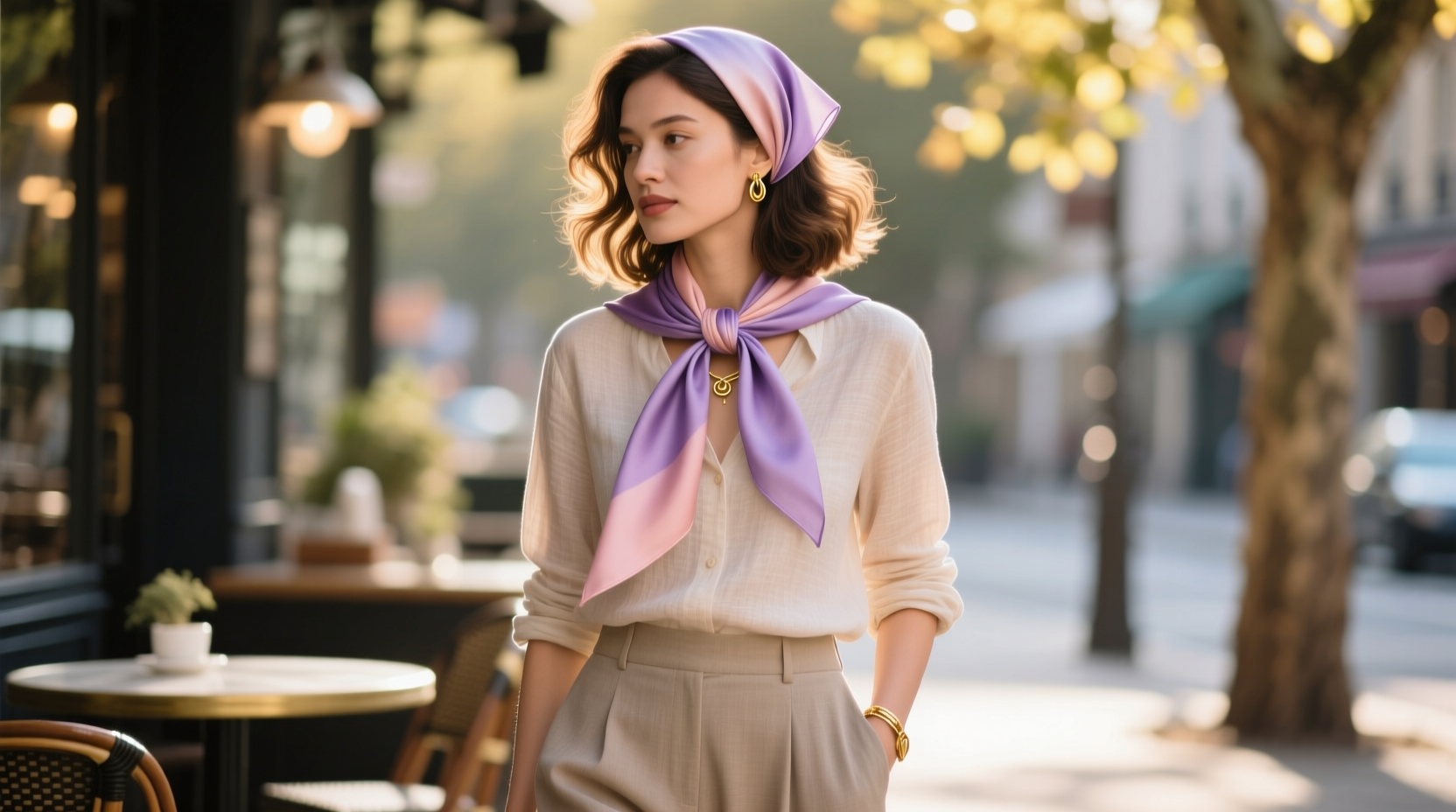
Silk headscarves have long been symbols of elegance, modesty, and cultural identity. Yet, despite their undeniable beauty, many people hesitate to wear them daily—worried they might appear old-fashioned or overly formal. The truth is, when styled with intention and modern flair, a silk headscarf can be one of the most versatile accessories in your wardrobe. From casual errands to office meetings and weekend brunches, the right styling approach keeps the look current, confident, and effortlessly chic.
The key lies not in avoiding tradition, but in reinterpreting it. With thoughtful fabric choices, contemporary knots, and coordination with everyday clothing, you can transform a classic accessory into a statement of modern personal style. This guide breaks down practical methods to integrate silk headscarves into daily life while staying fashion-relevant and authentic.
Choose the Right Silk and Print
Not all silk headscarves are created equal. The material’s quality and the design of the print play a crucial role in whether your look feels updated or dated. Real silk offers a luminous sheen, soft drape, and breathability that synthetic alternatives often lack. When shopping, prioritize 100% mulberry silk—it drapes better and resists fraying over time.
Equally important is the print. Outdated styles often feature overly ornate florals, excessive gold embroidery, or rigid geometric patterns from decades past. To keep things fresh:
- Opt for minimalist prints: small-scale geometrics, abstract watercolor effects, or tonal stripes.
- Select color palettes aligned with current trends—think muted earth tones, warm neutrals, or bold monochromes rather than high-contrast kitsch.
- Consider asymmetrical or off-center designs that create visual interest without appearing costume-like.
Modern Knots and Tying Techniques
The way you secure your headscarf determines much of its aesthetic impact. Traditional wraps tied tightly under the chin or pulled straight back can unintentionally age the look. Instead, embrace techniques that emphasize volume, texture, and effortless movement.
1. The Low Knot at the Nape
This method creates a relaxed, Parisian-inspired silhouette. Drape the scarf over your head so ends fall at the nape. Cross them behind your neck, bring them forward under the chin, then tie a loose knot at the base of your skull. Allow a few strands of hair or the scarf’s edge to escape slightly for softness.
2. The Twisted Crown Wrap
Ideal for updos or half-up styles. Start by placing the center of the scarf at your forehead. Twist both ends around each other two to three times, then wrap them around your head like a headband, securing at the back with a hidden clip or small knot. The twist adds dimension without bulk.
3. The Asymmetrical Shoulder Drape
For a fashion-forward touch, position the scarf so one side sits higher on the head. Let one end fall dramatically over one shoulder while tucking the other neatly behind the ear. This draws attention to your neckline and complements structured outerwear.
“Silk headscarves aren’t relics—they’re tools of self-expression. How you wear them defines their relevance.” — Nadia El-Amin, Fashion Stylist & Cultural Consultant
Dressing Your Scarf for Different Occasions
A common misconception is that silk headscarves are only suitable for formal events. In reality, they adapt beautifully to various settings when paired thoughtfully with your outfit.
| Occasion | Recommended Scarf Style | Outfit Pairing | Avoid |
|---|---|---|---|
| Casual Day Out | Loose knot, visible ends | Denim jacket, white tee, sneakers | Overly tight fit or heavy embellishments |
| Office Wear | Smooth turban or tucked wrap | Blazer, tailored pants, loafers | Bright mismatched prints |
| Weekend Brunch | Asymmetrical drape | Knit dress, ankle boots | Too much volume or stiff fabrics |
| Evening Event | Elegant bun wrap with brooch accent | Cocktail dress, heels | Over-accessorizing |
The goal is cohesion. If your outfit leans minimalist, let the scarf introduce subtle pattern or texture. If your clothing is bold, choose a solid-color silk in a complementary tone. Always consider proportion—large scarves with oversized coats work; tiny prints with wide-leg pants may get lost.
Real-Life Example: A Week of Everyday Styling
Meet Leila, a 34-year-old graphic designer in Toronto who wears a silk headscarf five days a week. She wanted to move away from her “Sunday best” look and find ways to make her scarves feel natural during creative workdays and coffee runs.
Her transformation began with swapping out heavily patterned scarves for solid sage green and heather gray silks with micro-textured finishes. On Mondays, she pairs a low-knot wrap with an oversized blazer and jeans—her go-to for client calls. By Wednesday, she uses the twisted crown method with a messy bun underneath, adding a thin gold hairpin for polish. Fridays are for experimentation: she lets one end trail over her shoulder when wearing a leather moto jacket, creating a striking contrast between soft and edgy.
Within two weeks, colleagues began complimenting her style. “You always look put together, but never fussy,” one said. Leila realized that updating her approach wasn’t about rejecting tradition—it was about aligning her presentation with her current lifestyle and confidence.
Common Mistakes That Make Headscarves Look Dated
Even with beautiful materials, certain habits can unintentionally age your look. Being aware of these pitfalls helps maintain a fresh aesthetic:
- Over-tightening: Pulling the fabric too taut flattens hair and creates tension lines across the forehead, aging the face.
- Mismatched textures: Pairing glossy silk with fuzzy knits or athletic wear without balance disrupts visual harmony.
- Ignoring hairline exposure: Completely concealing the hairline can appear severe. Allowing a soft fringe or temple sweep adds warmth.
- Using outdated fasteners: Large decorative pins from the ’80s or plastic combs detract from modern minimalism. Opt for slim, metallic clips or discreet bobby pins in matching tones.
- Wearing the same style daily: Repetition breeds perception of rigidity. Rotate tying methods weekly to reflect versatility.
Step-by-Step Guide: Creating a Modern Everyday Wrap
Follow this simple sequence to achieve a polished yet relaxed silk headscarf style suitable for daily wear:
- Prep your base: Smooth hair with a light serum or tuck into a low bun. Avoid wet or frizzy hair, which can distort the scarf’s drape.
- Fold the scarf: Take a square silk scarf and fold it into a triangle. Then roll the long edge toward the point to create a band about 2–3 inches wide.
- Position the center: Place the folded center at the back of your head, just above the nape. Hold one end in each hand.
- Wrap and cross: Bring both ends forward along the sides of your head, crossing them just above your forehead.
- Tie at the crown: Take one end over the other and tie a single knot at the top of your head. For extra security, add a second knot.
- Adjust for volume: Gently tug the fabric at the sides and back to create soft folds. Leave a bit of space between the scarf and your scalp for airiness.
- Secure discreetly: Use a small bobby pin at the nape if needed, hidden beneath the fabric.
This style stays secure throughout the day, works with glasses, and transitions seamlessly from indoor to outdoor environments.
Checklist: Modern Silk Headscarf Essentials
Before incorporating silk headscarves into your daily rotation, ensure you have the following:
- ✅ At least two neutral-toned silk scarves (e.g., taupe, navy, charcoal)
- ✅ One printed scarf in a contemporary design (abstract, linear, or painterly)
- ✅ Slim, matte-finish bobby pins in black and brown
- ✅ A lightweight silk-friendly hair serum to prevent snagging
- ✅ A steamer or cool iron setting for quick wrinkle removal
- ✅ Knowledge of at least three tying styles for variety
Frequently Asked Questions
Can I wear a silk headscarf with glasses?
Absolutely. Choose tying styles that avoid pressure points on the temples. The low nape knot or twisted crown work best, as they keep fabric behind the ears. If the scarf slips, use silicone-tipped grips inside the arms of your glasses for added hold.
How do I keep my silk scarf from slipping?
Slippage often occurs due to smooth fabric and oily hair. Before tying, apply a light texturizing spray to roots or use a cotton liner cap underneath. You can also lightly mist the inner side of the scarf with hairspray (test on a corner first) for grip.
Is it okay to wash silk headscarves frequently?
Silk should be cleaned gently and infrequently. Hand-wash in cold water with a pH-neutral detergent every 3–5 wears, depending on climate and sweat exposure. Air dry flat away from direct sunlight to preserve color and fiber integrity.
Final Thoughts: Make It Yours
Styling a silk headscarf for everyday wear isn’t about chasing trends—it’s about curating a look that feels authentic, comfortable, and aligned with who you are now. Fashion evolves, but personal expression is timeless. By choosing modern fabrics, experimenting with knots, and integrating your scarf into real-life outfits, you reclaim its relevance without sacrificing meaning.
The most stylish headscarf wearers aren’t those who follow rules perfectly, but those who wear them with confidence and creativity. Whether you're navigating city streets, working remotely, or meeting friends for tea, your silk scarf can be a quiet declaration of grace and individuality.
💬 What’s your favorite way to wear a silk headscarf? Share your go-to style or a photo in the comments—your tip could inspire someone else to refresh their everyday look.








