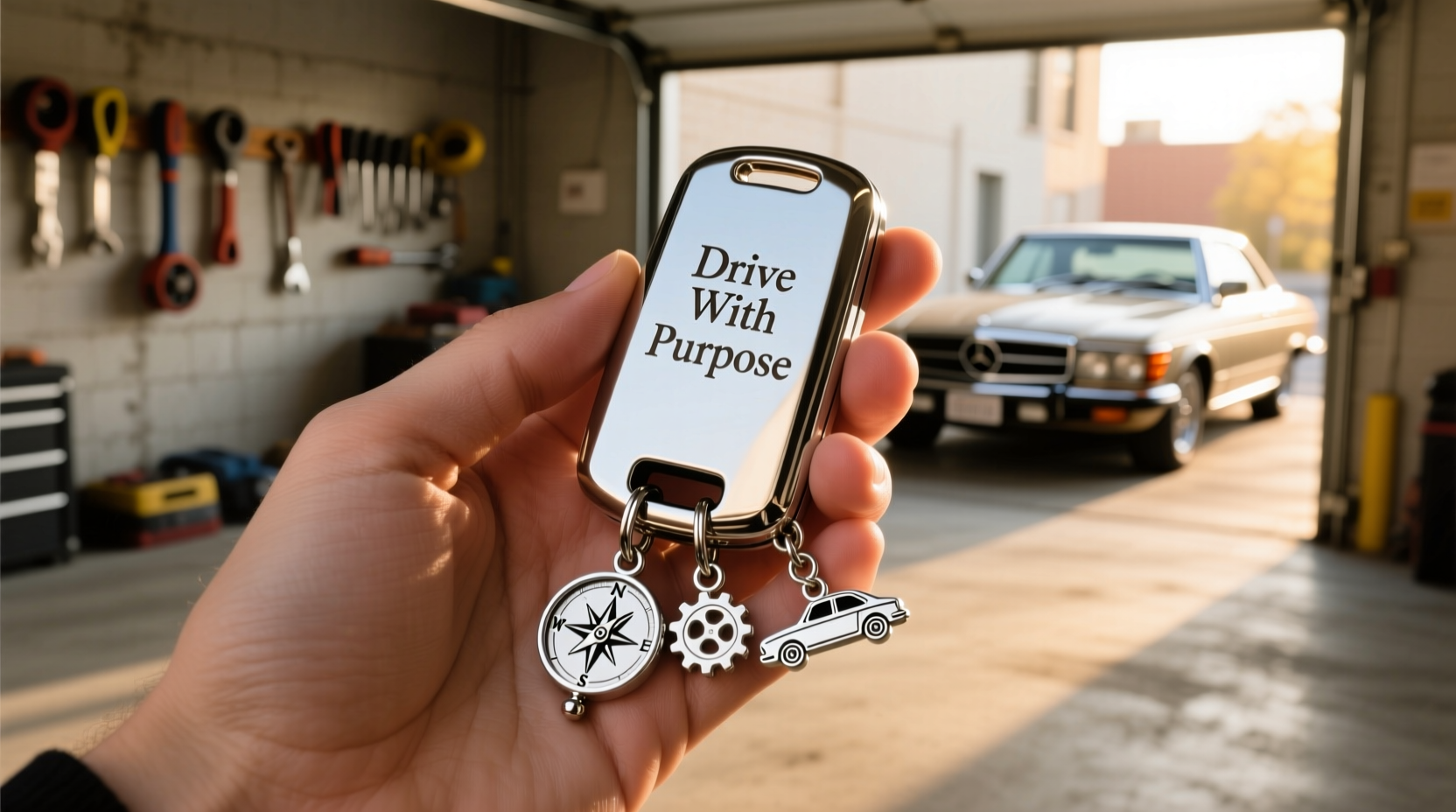
A key fob is more than just a tool to unlock your car—it’s an everyday object that passes through your hands, sits in your pocket, and often gets tossed into a purse or glove compartment. Yet, despite its constant presence, most people treat it as a generic piece of plastic and electronics. With a little creativity, you can transform this utilitarian item into a personal statement. Whether through precision engraving or playful charm attachments, customizing your key fob adds character, improves identification, and even enhances security by making it less likely to be mistaken for another.
Personalization isn’t just about aesthetics. It serves practical purposes: distinguishing your fob from others in a household, reducing loss due to improved visibility, and reinforcing emotional attachment to your vehicle. This guide walks you through the best methods, materials, and design ideas to make your key fob truly one-of-a-kind—without compromising functionality.
Why Personalize Your Key Fob?
Modern vehicles come with sleek, minimalist key fobs that often look nearly identical across models and brands. In homes with multiple drivers or shared parking spaces, telling them apart can be a daily hassle. Beyond convenience, personalization offers psychological and emotional benefits. When an object reflects your identity—through initials, favorite symbols, or meaningful trinkets—it becomes more valuable and harder to misplace.
Additionally, personalized items are less attractive to thieves. A customized fob with visible engravings or unique charms is harder to resell and signals that the owner is attentive—a small but effective deterrent.
“People form stronger attachments to objects they’ve customized. That emotional connection reduces careless handling and increases the likelihood of recovery if lost.” — Dr. Lydia Chen, Behavioral Design Researcher at the Institute for Human-Object Interaction
Choosing the Right Method: Engraving vs. Charms
Two primary approaches dominate key fob customization: engraving and charm attachment. Each has distinct advantages and limitations depending on your priorities—durability, style, budget, and technical comfort.
Engraving: Permanent and Sleek
Engraving involves etching text, patterns, or images directly onto the surface of the key fob. It's ideal for those who prefer a clean, professional look without added bulk. Laser engraving, in particular, offers high precision and works on metal, plastic, and coated surfaces common in OEM key fobs.
Common engraving options include:
- Monograms or full names
- Birth years or significant dates
- Short motivational words (“Drive,” “Explore,” “Home”)
- Vehicle model names or license plate numbers (for quick ID)
- Geometric patterns or minimalist icons (arrows, stars, paw prints)
Charms: Expressive and Interchangeable
Charms offer instant visual flair. They’re attached via a split ring, keychain loop, or adhesive backing and allow for seasonal or mood-based changes. Popular choices include leather tags, enamel pins, silicone shapes, and metal pendants.
While charms are more accessible and require no special tools, they do add volume. This can be problematic in tight pockets or when placing the fob near electronic devices (e.g., phones) where bulk may interfere.
For maximum versatility, combine both methods: engrave the body for permanence and attach removable charms for expression.
Step-by-Step Guide to Customizing Your Key Fob
Follow this detailed process to safely and effectively personalize your key fob using either method—or both.
- Assess Your Key Fob Type: Determine if it’s plastic, metal, rubber-coated, or hybrid. Check for seams, battery compartments, and button placements. Avoid modifying areas near sensors or hinges.
- Choose Your Design: Sketch out your idea. For engraving, limit text to 1–2 lines. For charms, consider weight—anything over 0.5 oz may strain the keyring.
- Gather Supplies:
- For engraving: laser engraver (or local service), masking tape, rubbing alcohol
- For charms: split ring, jump ring pliers, selected charm(s), optional adhesive pad
- Clean the Surface: Wipe the fob with isopropyl alcohol to remove oils and debris. Let dry completely before proceeding.
- Apply Engraving (if applicable):
- Use low power settings for plastic to avoid melting.
- If using a third-party service, provide clear digital files or written instructions.
- Attach Charms Safely:
- Open the split ring using pliers; never force it open with fingers.
- Add charms one at a time, ensuring they don’t block buttons or the key release mechanism.
- Secure adhesive-backed charms only on flat, non-moving parts.
- Test Functionality: Press all buttons to confirm range and responsiveness. Ensure the fob still fits comfortably in your pocket or bag.
Material Considerations and Compatibility
Not all key fobs respond equally well to customization. The table below outlines material types and recommended personalization methods.
| Material | Best for Engraving? | Charm-Friendly? | Notes |
|---|---|---|---|
| ABS Plastic | Yes (laser preferred) | Yes | Most common OEM material; avoid excessive heat |
| Aluminum/Metal | Excellent | Yes | Durable; supports deep engraving and heavy charms |
| Rubber-Coated | No | Limited | Engraving risks peeling; use lightweight charms only |
| Keyless Card Fob | No | No | Too thin; modifications may disable RFID function |
Real Example: Transforming a Family’s Key Chaos
The Reynolds family of four shared two cars but constantly mixed up their nearly identical key fobs. After one too many late departures caused by frantic searches, Sarah Reynolds decided to act. She purchased a portable laser engraver and spent one evening creating distinct identifiers:
- Dad’s fob: Engraved with “J.R.” and a tiny wrench icon
- Mom’s fob: “S.R.” with a coffee cup symbol
- Teen daughter: Pink silicone charm shaped like a music note + initials
- Son (new driver): Leather tag with his graduation year and a race flag
Within days, confusion disappeared. More importantly, each family member began treating their fob with greater care. The son even reported finding his mom’s fob in the mall parking lot because he recognized the pink charm from ten feet away.
Do’s and Don’ts of Key Fob Personalization
To ensure longevity and performance, follow these essential guidelines:
| Do | Don’t |
|---|---|
| Use lightweight, balanced charms | Attach oversized or heavy pendants |
| Clean the fob before engraving or applying adhesives | Engrave near battery covers or circuit edges |
| Test wireless functions after modification | Submerge or expose to solvents post-engraving |
| Choose weather-resistant materials for outdoor use | Use magnetic charms near sensitive electronics |
Frequently Asked Questions
Will engraving void my car’s warranty?
No, cosmetic modifications like engraving do not affect manufacturer warranties unless they directly cause component failure (e.g., drilling into the circuit board). Always check your vehicle’s warranty terms, but surface-level personalization is generally permitted.
Can I remove a charm if I no longer want it?
Yes—charms attached via split rings or jump rings can be easily removed with pliers. Adhesive-backed charms should be peeled off gently; residue can be cleaned with rubbing alcohol. Avoid pulling sharply to prevent surface damage.
Is laser engraving safe for smart key fobs?
When done correctly, yes. Use low-intensity settings and avoid prolonged exposure. Focus on flat, non-conductive areas. If unsure, opt for professional services that specialize in electronics engraving.
Checklist: Prepare Your Key Fob Personalization Project
Before starting, verify you have everything needed:
- ☐ Identify your key fob model and material type
- ☐ Choose between engraving, charms, or both
- ☐ Select design elements (text, symbols, color scheme)
- ☐ Gather tools: cleaning cloth, alcohol, pliers, engraving device or service info
- ☐ Test original fob function (lock/unlock, start)
- ☐ Backup spare key (in case of accidental damage)
- ☐ Perform final test after customization
Create Something That’s Unmistakably Yours
Your key fob doesn’t have to blend into the background. With thoughtful engraving or a carefully chosen charm, it can become a small but powerful reflection of who you are—whether you're a minimalist who values subtle elegance or someone who loves bold self-expression. The process takes little time but delivers lasting value: quicker identification, reduced loss, and a deeper sense of ownership.
Start simple. Try engraving your initials or adding a single charm that means something to you. Once you see how much easier it is to spot your keys in a crowded bag or dark parking lot, you’ll wonder why you didn’t do it sooner. And if you share your car with others, encourage them to personalize theirs too—turn a mundane routine into a moment of recognition and delight.
💬 What will you engrave or hang on your key fob? Share your design ideas or photos in the comments—let’s inspire each other to make everyday objects more meaningful!








