
Small square bags have become a fashion staple—compact, structured, and effortlessly stylish. But their compact size and frequent use expose them to more wear than larger handbags. From brushing against rough surfaces to accidental spills, these accessories are vulnerable to scratches and stains that dull their appeal. With the right daily habits and preventive strategies, you can preserve both the look and longevity of your favorite piece. This guide delivers practical, expert-backed methods to keep your small square bag looking new, no matter how often you carry it.
Understanding Your Bag’s Vulnerabilities
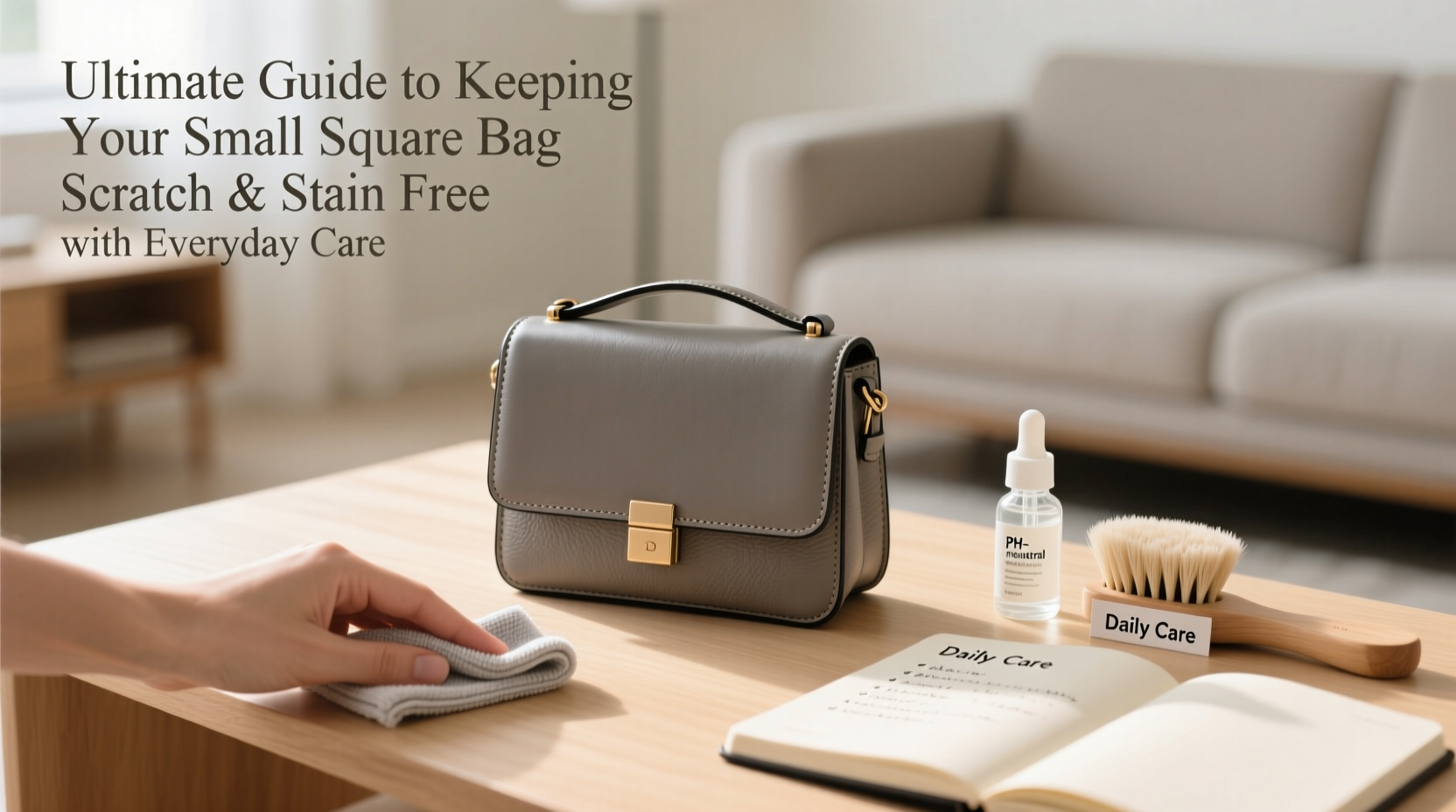
The design of small square bags—rigid edges, flat surfaces, and minimal padding—makes them prone to scuffing and surface damage. Unlike slouchy totes or soft crossbodies, every scratch is visible on clean lines and smooth finishes. Materials like patent leather, vegan leather, and coated canvas show fine abrasions quickly, while natural leather develops patina but can also suffer from dryness and cracking if neglected.
Everyday environments contribute to wear: placing the bag on café floors, rubbing against doorframes, or storing it in crowded spaces. Even routine contact with keys, makeup, or pens inside the bag can cause micro-scratches over time. Recognizing these risks is the first step toward effective prevention.
“Structure adds elegance, but it also means sharper edges are more likely to chip or mark when bumped. Prevention starts the moment you pick up the bag.” — Lena Ruiz, Accessory Conservation Specialist
Daily Handling Habits That Prevent Damage
Your interaction with the bag throughout the day plays a bigger role in its condition than periodic cleaning. Simple behavioral shifts can dramatically reduce the risk of scratches and stains.
- Avoid floor placement: Never set your bag directly on public floors. Use a hook, drape it over your chair, or place it in a protective tote when not in use.
- Carry with clean hands: Oils, lotions, and dirt transfer easily onto fabric and leather. Wash or wipe hands before adjusting your bag.
- Rotate usage: Using the same bag daily accelerates wear. Rotate between two or three pieces to give each time to rest and recover shape.
- Be mindful of surroundings: Narrow doorways, brick walls, and metal railings are common culprits. Adjust your posture or hold the bag slightly forward in tight spaces.
Step-by-Step Cleaning and Maintenance Routine
Regular upkeep prevents minor issues from becoming permanent blemishes. Follow this weekly-to-monthly timeline to maintain surface integrity.
- Weekly wipe-down: Use a microfiber cloth dampened with water (or a manufacturer-approved cleaner) to gently remove dust and fingerprints. Dry immediately with a second clean cloth.
- Bi-weekly interior check: Empty contents and vacuum or wipe the lining with a lint roller. Remove any spilled liquids or powder residue promptly.
- Monthly deep clean: For leather, apply a pH-balanced conditioner. For synthetic materials, use a mild soap solution. Always test in an inconspicuous area first.
- Quarterly inspection: Examine stitching, corners, and hardware for signs of wear. Address loose threads or tarnished zippers early.
Never soak the bag or use household cleaners like bleach, vinegar, or window spray. These can strip finishes, discolor fabric, or weaken adhesives.
Proper Storage Techniques to Preserve Shape and Finish
How you store your bag when not in use is just as important as how you carry it. Poor storage leads to warping, fading, and unnecessary abrasion.
Always store your small square bag upright, never flattened. Stuff it lightly with acid-free tissue paper or a soft scarf to maintain its structure. Avoid overstuffing, which can strain seams. Place it in a breathable cotton dust bag—never plastic, which traps moisture and encourages mildew.
| Material Type | Recommended Storage | Avoid |
|---|---|---|
| Genuine Leather | Cool, dry space with dust bag and silica gel pack | Direct sunlight, humid basements |
| Vegan Leather / PU | Upright in dust bag, away from heat sources | Folding, plastic wrapping |
| Coated Canvas | Vertical shelf with light stuffing | Damp areas, direct radiator heat |
| Suede or Nubuck | Dust bag with cedar block to absorb moisture | Humid closets, vinyl covers |
Real-Life Example: How One Commuter Saved Her Favorite Bag
Sophie, a graphic designer in Chicago, relied on her black square crossbody for her daily commute. After six months, the corners were scuffed, and the front panel had a faint coffee stain from a rushed morning. Instead of retiring it, she implemented a simple care plan: she began using a liner pouch for her travel mug, wiped the bag weekly with a leather-safe wipe, and stored it in a labeled dust bag at home. She also started carrying a foldable tote to shield the bag when riding the subway or dining out.
Within three months, the bag looked noticeably fresher. The existing scratches hadn’t worsened, and the stain faded slightly with gentle conditioning. Sophie now rotates three small bags seasonally and reports that her oldest piece has lasted nearly three years—double the lifespan of her previous bags.
Essential Care Checklist
To simplify maintenance, follow this actionable checklist every time you use or store your bag:
- ✅ Wipe exterior with a dry microfiber cloth after each use
- ✅ Empty contents and check for spills weekly
- ✅ Store upright with light stuffing to retain shape
- ✅ Use a breathable dust bag, never plastic
- ✅ Condition leather every 4–6 weeks
- ✅ Avoid contact with perfume, hand sanitizer, or ink
- ✅ Rotate bags to distribute wear evenly
- ✅ Inspect hardware and seams monthly
Frequently Asked Questions
Can I use baby wipes to clean my small square bag?
No. Most baby wipes contain alcohol, fragrances, and preservatives that can degrade coatings, dry out leather, or leave a sticky residue. Stick to products specifically formulated for your bag’s material.
What should I do if my bag gets stained?
Act quickly. Blot (don’t rub) liquid stains with a clean, absorbent cloth. For oil-based marks, sprinkle a small amount of cornstarch and let it sit overnight before brushing off. For persistent stains, consult a professional leather or textile cleaner—do not attempt aggressive scrubbing.
How often should I condition a leather small square bag?
Every 4 to 6 weeks under regular use. In dry or cold climates, increase frequency to once a month. Over-conditioning can soften leather too much, so follow product instructions carefully.
Final Thoughts: Small Efforts, Lasting Results
A well-maintained small square bag isn’t just a reflection of personal style—it’s a testament to thoughtful care. The habits that protect it don’t require extra time or expensive tools. A quick wipe, mindful placement, and proper storage are small actions with outsized impact. Over time, they preserve not only appearance but structural integrity, allowing your favorite accessory to remain functional and fashionable for years.
💬 Start today: Pick one habit from this guide—like using a dust bag or wiping down your bag weekly—and commit to it. Share your progress or tips in the comments to inspire others to care for their pieces with confidence.








