In a world where technology evolves faster than most can keep up, staying connected doesn’t have to mean overspending. Many high-performing gadgets and wearables now offer premium features at accessible price points. Whether you're upgrading your fitness tracker, exploring smart home tools, or seeking a reliable wireless earbud, there are smarter, budget-friendly choices that deliver exceptional value. The key is knowing where to look—and what specs truly matter.
Today’s market rewards informed buyers. With strategic timing, brand awareness, and an understanding of feature-to-cost ratios, it's entirely possible to own capable, durable tech without draining your wallet. This guide explores real-world options, backed by data and user experience, to help you maximize performance per dollar spent.
Why Affordable Doesn’t Mean Low Quality
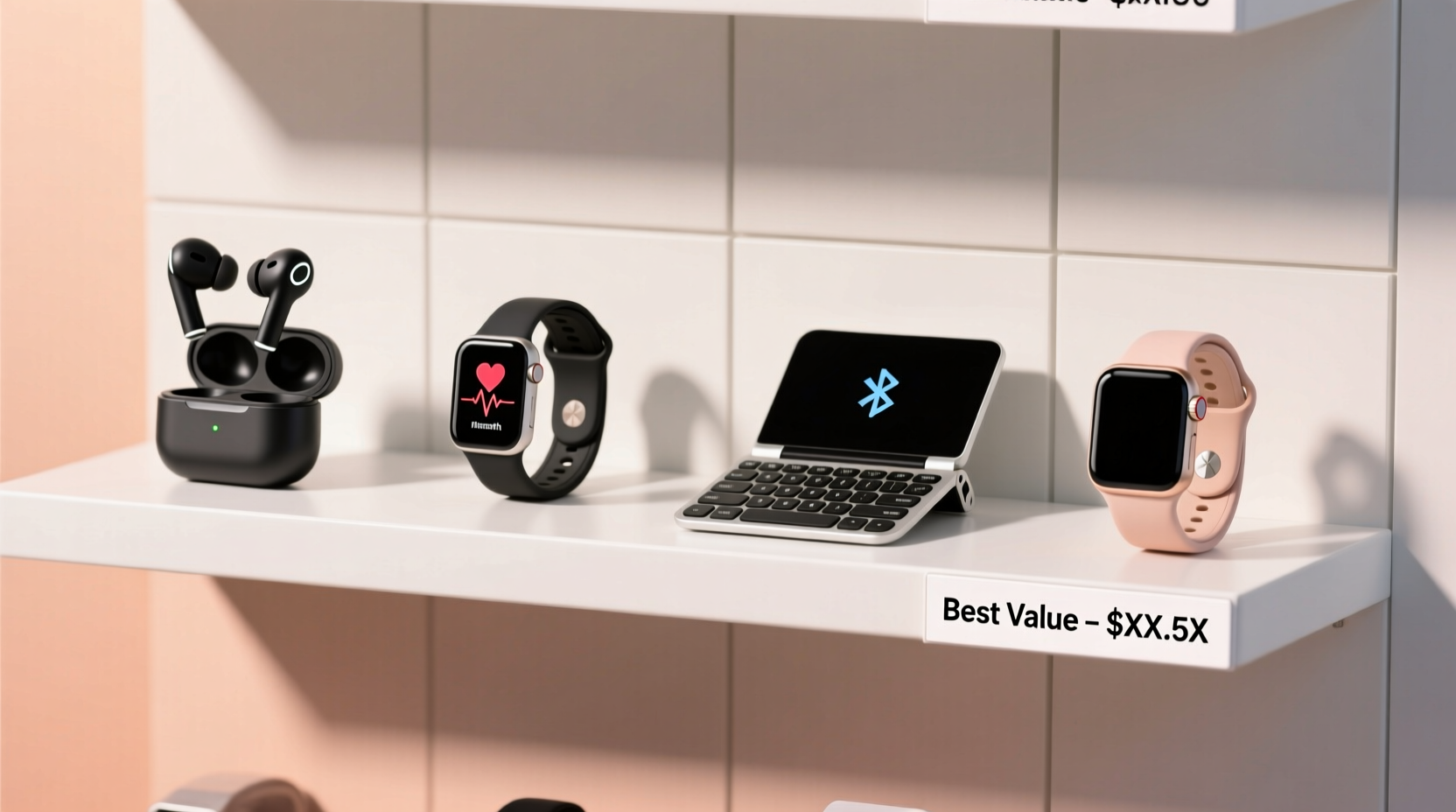
The misconception that low cost equals poor quality persists, but in the wearable and consumer electronics space, this is increasingly outdated. Brands like Xiaomi, Amazfit, Anker, and even Amazon’s in-house tech divisions have disrupted the market by offering tightly engineered products at aggressive prices.
These companies often operate on slimmer margins, leverage economies of scale, and focus on essential functionality—cutting out flashy marketing and premium materials while preserving core performance. As a result, many budget devices now match or exceed mid-tier offerings from just a few years ago.
“Affordability in tech today isn’t about compromise—it’s about efficiency. You’re not buying less; you’re paying less for the same innovation.” — Raj Patel, Consumer Electronics Analyst at TechInsight Group
Top Budget-Friendly Wearables Worth Your Attention
Fitness trackers and smartwatches no longer require a $300 investment to be useful. Several models under $100 deliver accurate heart rate monitoring, sleep tracking, GPS, and smartphone integration.
- Amazfit Bip U Pro – Priced around $70, it includes SpO2 monitoring, built-in GPS, 60+ sports modes, and a battery life of up to 9 days.
- Xiaomi Mi Band 8 – At approximately $50, it offers a bright AMOLED display, stress tracking, menstrual cycle monitoring, and 16-day battery life.
- Fitbit Inspire 3 – Slightly above budget at $99, but frequently discounted, it delivers excellent app integration, FDA-cleared ECG, and all-day wellness tracking.
Smart Home & Audio Gadgets That Deliver Value
Building a connected lifestyle doesn’t require top-tier brands. Affordable alternatives exist across categories—from voice assistants to noise-canceling earbuds.
Best Budget Picks by Category
| Category | Product | Price Range | Key Features |
|---|---|---|---|
| Smart Speaker | Amazon Echo Dot (5th Gen) | $49.99 | Improved audio, Zigbee hub, Alexa voice control |
| Wireless Earbuds | Anker Soundcore Life Q30 | $69.99 | Active noise cancellation, 40-hour battery, Hi-Res audio |
| Smart Plug | Kasa Smart Plug Mini (KP105) | $19.99 | Energy monitoring, works with Alexa/Google, compact design |
| Robot Vacuum | eufy RoboVac G30 Edge | $199.99 | LaserSmart navigation, 2000Pa suction, app scheduling |
These products prove that entry-level doesn’t mean entry-experience. Many include cloud connectivity, mobile apps, and compatibility with major ecosystems like Google Home and Apple HomeKit.
How to Maximize Long-Term Savings on Tech
Purchasing affordable gear is only part of the equation. True value comes from longevity, energy efficiency, and reduced replacement frequency. Follow this checklist to stretch every dollar.
Value Optimization Checklist
- ✅ Prioritize devices with software update support (minimum 2 years).
- ✅ Choose rechargeable over disposable battery models.
- ✅ Buy during seasonal sales (Black Friday, Prime Day, back-to-school).
- ✅ Check return policies and warranty terms before purchase.
- ✅ Use browser extensions like Honey or Capital One Shopping to auto-apply discounts.
- ✅ Join manufacturer loyalty programs for early access and exclusive deals.
“Consumers who wait 48 hours before purchasing save an average of 17% by allowing time for price-drop alerts and coupon discovery.” — Consumer Behavior Report, 2023, Digital Commerce Today
Real Example: Building a Smart Bedroom on a $200 Budget
Sophie, a freelance designer in Austin, wanted to improve her sleep environment without overspending. She allocated $200 toward creating a tech-enhanced bedroom using value-focused products.
She started with a Kasa Smart Plug ($20) to automate her fan and diffuser. Next, she added an Amazon Echo Dot ($50) for voice-controlled ambiance and alarms. For sleep tracking, she chose the Xiaomi Mi Band 8 ($50), which syncs with her phone and provides detailed sleep stage analysis. Finally, she installed LED strip lights via a GE Cync Strip Light Kit ($60) that dims gradually at bedtime.
Total spent: $180. Remaining $20 saved for future accessories. Within two weeks, Sophie reported falling asleep faster and waking up more refreshed—proof that thoughtful, low-cost tech can make a measurable difference.
Step-by-Step Guide to Finding the Best Rate Gadgets
Follow this five-step process to ensure you’re getting the best combination of price, performance, and reliability.
- Define Your Core Needs – List what features are essential (e.g., GPS, water resistance, voice assistant). Avoid paying for extras you won’t use.
- Research Verified Reviews – Focus on trusted sources like Wirecutter, PCMag, or YouTube reviewers with transparent testing methods.
- Compare Total Cost of Ownership – Include subscription fees, accessory costs, and expected lifespan. A $40 earbud with frequent replacements may cost more than a $80 durable pair.
- Track Price History – Use tools like CamelCamelCamel (for Amazon) or Keepa to see if current pricing is near a historic low.
- Buy Refurbished or Bundle Deals – Look for “Renewed” or “Open Box” listings with at least 90% condition rating and return options.
Frequently Asked Questions
Are refurbished gadgets reliable?
Yes, when purchased from certified sellers (like Amazon Renewed, Best Buy Outlet, or manufacturer refurbishment programs). These devices are tested, cleaned, and often come with a 1-year warranty—making them as dependable as new units at a fraction of the cost.
Do budget wearables last as long as premium ones?
In many cases, yes. While materials may be less luxurious, core components like sensors and batteries in brands like Amazfit and Huawei are built to last 2–3 years with regular use. Software support varies, so check update history before buying.
Can cheap smart home devices be secure?
Security depends more on setup than price. Always change default passwords, enable two-factor authentication, and keep firmware updated. Avoid obscure brands with no track record of security patches.
Final Thoughts: Smart Spending Is Smart Tech
The best rate isn’t always the lowest sticker price—it’s the optimal balance between upfront cost, functionality, durability, and long-term utility. Today’s affordable gadgets and wearables are no longer compromises; they’re intelligent alternatives designed for real people with real budgets.
By focusing on verified performance, leveraging sales cycles, and avoiding unnecessary frills, you can build a modern, connected lifestyle without financial strain. Technology should empower, not burden. With the right approach, affordability and excellence go hand in hand.
🚀 Ready to upgrade your tech stack without breaking the bank? Start with one high-value gadget this week and experience how smart choices lead to lasting results. Share your favorite budget find in the comments below!








