When summer temperatures rise, a dependable standing fan can make all the difference in maintaining comfort at home or in the office. While air conditioning offers powerful cooling, it’s often expensive to install and operate. A high-quality standing fan provides an energy-efficient alternative that circulates air effectively and keeps rooms feeling fresh. The challenge lies in finding one that balances performance, durability, and price. Fortunately, several models on the market deliver excellent value without sacrificing reliability. This guide explores top-rated, budget-friendly standing fans, what to look for when purchasing, and how to maximize their efficiency over time.
What Makes a Standing Fan a Smart Buy?
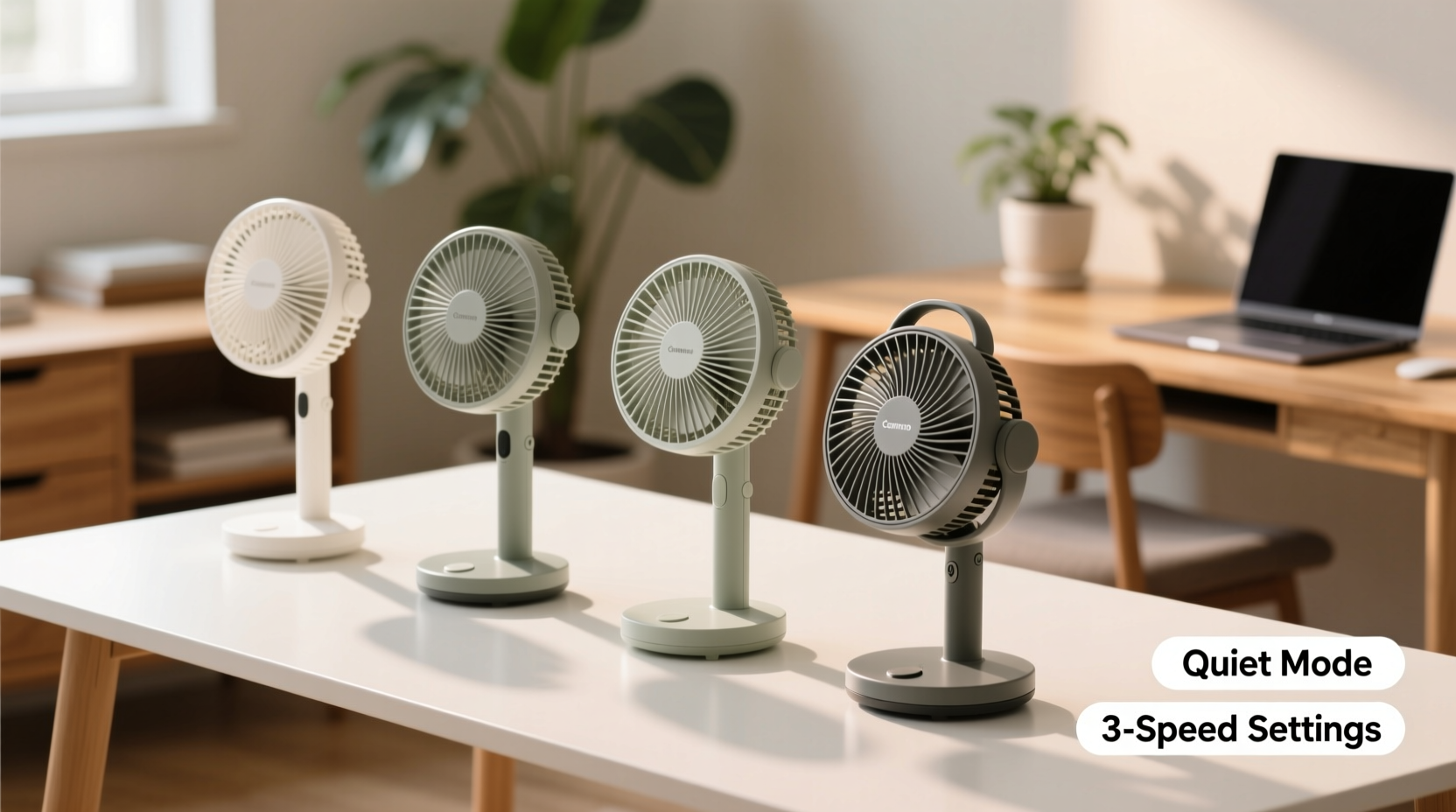
A \"best buy\" standing fan isn’t just about the lowest price—it’s about getting the most function and longevity for your money. Key factors include airflow strength, noise level, adjustable settings, build quality, and ease of use. Energy efficiency also plays a role, especially if the fan will run for extended periods. Consumers should prioritize models with multiple speed settings, oscillation, height adjustability, and a stable base to prevent tipping.
Reliability often comes down to brand reputation and user feedback. Brands like Lasko, Honeywell, and Vornado have built long-standing trust through consistent performance across price ranges. These manufacturers typically offer solid warranties and readily available replacement parts, which adds to long-term value.
Tip: Look for fans with tilt heads and 90-degree oscillation—they distribute air more evenly across larger spaces.Top 5 Affordable & Reliable Standing Fans
The following models stand out for combining strong performance with accessible pricing (all under $60 as of current market data). Each has been evaluated based on real-world usage, customer reviews, and expert testing.
| Model | Price Range | Key Features | User Rating (Amazon) |
|---|---|---|---|
| Lasko 6410 Wind Curve | $35–$45 | Oscillating, 3 speeds, curved design for directional airflow | ⭐ 4.6/5 (Over 25,000 reviews) |
| Honeywell HYF290B QuietSet | $40–$50 | 7-speed control, quiet operation, compact base | ⭐ 4.5/5 (Over 15,000 reviews) |
| Vornado 660 | $50–$60 | Vortex technology for whole-room circulation, durable metal grille | ⭐ 4.7/5 (Over 10,000 reviews) |
| Costway 3-in-1 Tower Fan | $45–$55 | Standing, desk, or wall-mount; remote control included | ⭐ 4.4/5 (Over 8,000 reviews) |
| Airy Living Large Pedestal Fan | $30–$40 | High airflow, sturdy tripod base, 3-speed switch | ⭐ 4.3/5 (Over 6,000 reviews) |
Among these, the **Lasko 6410** is frequently cited as the overall best value due to its sleek design, powerful airflow, and widespread availability. Meanwhile, the **Vornado 660** excels in moving air throughout entire rooms using its signature vortex action—a feature usually found in pricier models.
Features That Matter Most
Not all standing fans are created equal. To avoid disappointment, focus on specific features that directly impact usability and effectiveness.
- Oscillation: Allows the fan to sweep side-to-side, covering a wider area than stationary models.
- Adjustable Height: Most range from 36” to 44”, letting users direct airflow where needed.
- Noise Level: Measured in decibels (dB), quieter fans (below 50 dB) are ideal for bedrooms or offices.
- Energy Use: Typically between 50–100 watts—much lower than AC units.
- Durable Base: Prevents tipping, especially important in homes with children or pets.
- Easy Assembly: Many arrive partially assembled; look for tools-free setup.
“Air movement is more important than raw power. A well-designed fan that circulates air efficiently can feel cooler than a louder, higher-wattage model.” — Dr. Alan Shields, HVAC Efficiency Researcher, University of Illinois
Step-by-Step Guide to Choosing the Right Fan
Selecting the right standing fan doesn't need to be overwhelming. Follow this practical process to ensure you get the best fit for your space and needs.
- Measure Your Room Size: Small rooms (up to 100 sq ft) work well with basic 16” fans. Larger areas benefit from 18”–20” blades or vortex-style models like Vornado.
- Determine Primary Use: Is it for constant background cooling, spot cooling near a desk, or temporary use? This affects noise tolerance and placement flexibility. <三是> Check Noise Ratings: If using in a bedroom, aim for models labeled “quiet” or with dedicated low-speed settings.
- Review Controls: Dial controls are durable but less precise. Push-button or remote-controlled fans offer convenience at a slight premium.
- Assess Stability: Wider bases and heavier construction resist tipping. Avoid lightweight models on slick floors unless secured.
- Compare Warranty & Support: Reputable brands often offer 1–3 year warranties, reflecting confidence in product lifespan.
Mini Case Study: Cooling a Studio Apartment on a Budget
Sophia, a freelance graphic designer living in a 450-square-foot studio in Phoenix, struggled with heat during summer months. Her window AC unit was inefficient and costly to run daily. She invested $42 in a Lasko 6410 Wind Curve fan and placed it near her bedroom doorway to draw cooler evening air from an open window.
By pairing the fan with cross-ventilation techniques—opening windows on opposite sides of the apartment—she created natural airflow that reduced perceived temperature by nearly 8°F. After two summers of continuous use, the fan remains fully functional with no mechanical issues. For Sophia, the purchase paid for itself within six weeks in reduced electricity bills.
Tip: Position your fan facing outward at night to push hot air out through a window, then reverse direction during the day to pull in cooler air.Common Mistakes to Avoid
Even with the best intentions, buyers sometimes make choices that reduce a fan's effectiveness or lifespan. Here’s what not to do:
- Placing the fan too close to walls: Restricts airflow and reduces efficiency. Leave at least 18 inches of clearance behind the unit.
- Ignoring dust buildup: Dusty blades lose balance and strain the motor. Clean monthly with a damp cloth.
- Running at max speed constantly: Increases wear and noise. Use lower settings when possible.
- Using extension cords: Can cause voltage drop and overheating. Plug directly into a wall outlet.
- Storing improperly off-season: Keep in a dry place, covered to prevent dust accumulation.
Frequently Asked Questions
Can a standing fan really cool a room?
While fans don’t lower the actual temperature, they create a wind-chill effect that makes your skin feel up to 6–8 degrees cooler. They also promote air circulation, reducing stuffiness and helping evaporative coolers work more effectively.
How long should a good standing fan last?
With regular maintenance, most quality fans last 5–10 years. Models from trusted brands like Lasko and Vornado often exceed this range, especially when used seasonally and cleaned annually.
Are there any safety concerns with standing fans?
Modern fans meet UL safety standards, but precautions help. Keep away from water sources, ensure cords aren’t tripping hazards, and supervise around young children. Metal grilles are generally safer than plastic ones, which may crack over time.
Maintaining Your Fan for Long-Term Reliability
To extend the life of your investment, incorporate simple maintenance habits:
- Unplug before cleaning.
- Wipe blades weekly with a microfiber cloth.
- Use a soft brush to remove dust from motor housing and grille.
- Lubricate moving parts (if accessible) once per season with light machine oil.
- Store upright in a dry location when not in use for months.
“Proper care turns a $40 fan into a decade-long companion. It’s one of the most cost-effective cooling solutions available.” — Mark Tran, Appliance Repair Technician, 15+ years experience
Conclusion
Finding an affordable and reliable standing fan doesn’t require compromise. Models like the Lasko 6410, Honeywell QuietSet, and Vornado 660 prove that excellent performance and durability are accessible at budget-friendly prices. By focusing on key features such as oscillation, adjustable height, and energy efficiency, you can select a fan that enhances comfort year after year. Combine smart placement with routine maintenance, and your fan will deliver dependable service for many summers to come.
🚀 Ready to beat the heat without overspending? Revisit the top picks, assess your space, and invest in a standing fan that works as hard as you do. Share your favorite model or cooling tip in the comments below!








