For many, yoga is synonymous with flexibility, stress relief, and physical wellness. Yet for some Christians, the practice raises deeper questions about faith, spirituality, and biblical alignment. The concern isn’t merely about stretching or breathing—it’s about origins, intent, and whether yoga conflicts with Christian doctrine. As yoga continues to grow in popularity across gyms, churches, and homes, it's essential to examine what the Bible says, how different denominations respond, and whether Christians can engage with yoga without compromising their beliefs.
Understanding Yoga’s Origins and Spiritual Roots
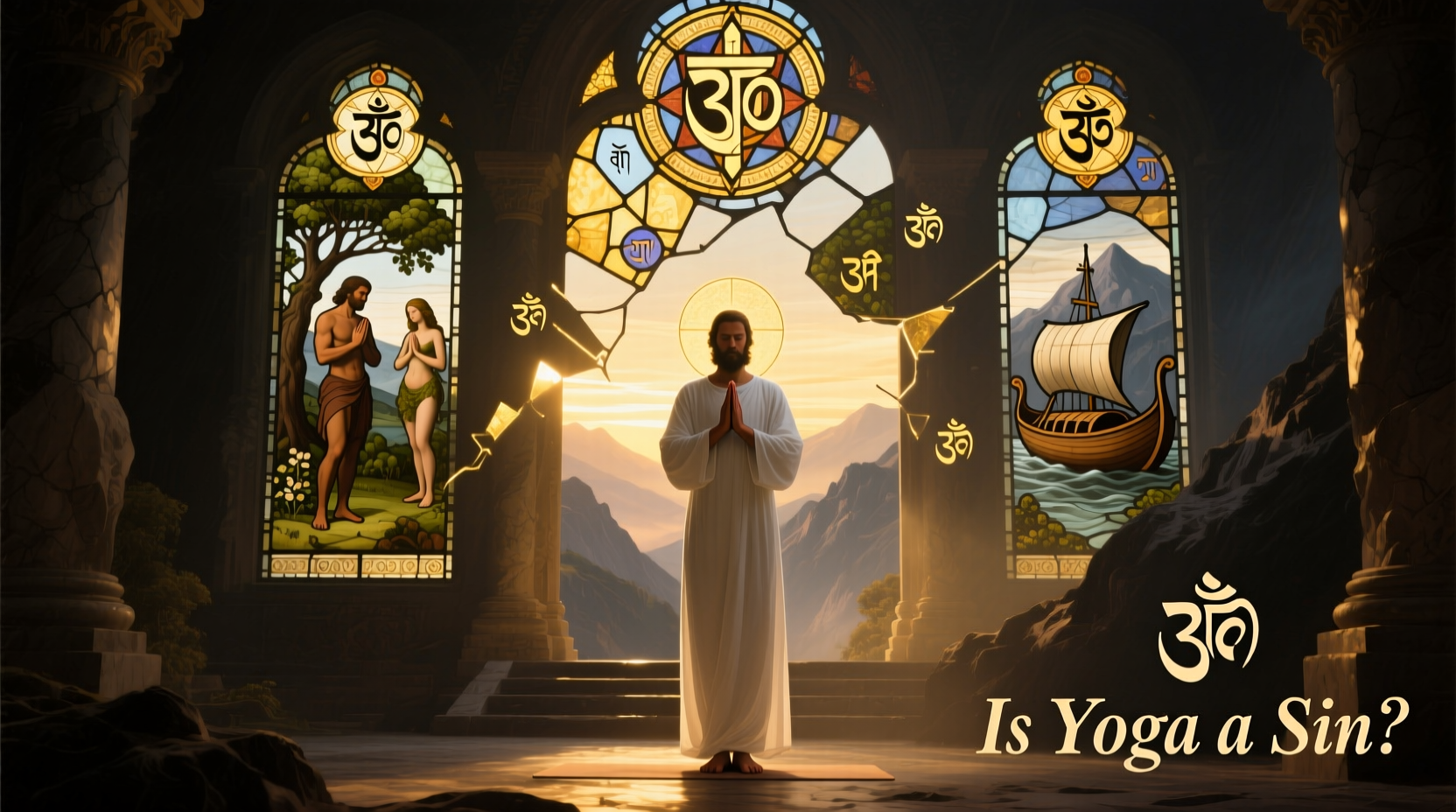
Yoga originated in ancient India over 5,000 years ago as a holistic system rooted in Hindu philosophy. The word “yoga” comes from the Sanskrit root “yuj,” meaning “to yoke” or “to unite”—typically referring to the union of the individual soul with the divine. Traditional yoga encompasses eight limbs, including ethical disciplines (yamas), physical postures (asanas), breath control (pranayama), and meditation (dhyana), culminating in samadhi, or spiritual enlightenment.
This spiritual framework is inseparable from its religious context. Classical texts like the Bhagavad Gita and Yoga Sutras of Patanjali are deeply theological, promoting devotion to deities and non-dualistic philosophies that contrast with monotheistic Christianity. For this reason, some Christian leaders argue that even secularized forms of yoga carry subtle spiritual undercurrents that may conflict with exclusive devotion to Christ.
“Yoga is not merely exercise; it is a spiritual discipline designed to awaken energies and consciousness in ways that contradict biblical teachings.” — Dr. Albert Mohler, President of The Southern Baptist Theological Seminary
Different Christian Perspectives on Yoga Practice
Christian responses to yoga vary widely—from outright rejection to cautious adaptation. Understanding these perspectives helps clarify where tensions arise and where common ground may exist.
1. The Conservative View: Yoga as Incompatible with Faith
Many conservative theologians and pastors maintain that yoga, by design, fosters mindfulness toward non-Christian spiritual systems. They caution against adopting practices that involve chanting mantras (like “Om”), focusing on chakras (energy centers), or engaging in meditative states aimed at self-realization—concepts seen as contrary to the Christian belief in salvation through grace and dependence on God.
Organizations such as the Christian Research Institute have published warnings about “emptying the mind” during meditation, which they contrast with biblical meditation—defined as actively reflecting on Scripture (e.g., Psalm 1:2).
2. The Moderate View: Separating Exercise from Spirituality
Other Christians distinguish between the physical aspects of yoga (postures and breathing) and its spiritual components. They argue that stretching, improving balance, and reducing anxiety through controlled movement are neutral activities that can be practiced with Christian intentionality.
In this view, one might do sun salutations not as a devotional act to Surya (the Hindu sun god), but as a series of stretches performed in gratitude to God for a healthy body. Breathing exercises become tools for calming the nervous system, not pathways to transcendental consciousness.
Tip: If practicing yoga, replace non-Christian mantras with Scripture-based affirmations like \"Be still and know that I am God\" (Psalm 46:10).3. The Progressive View: Yoga as a Tool for Spiritual Formation
A growing number of progressive Christians embrace yoga as a legitimate spiritual discipline. Some churches now offer “Christian Yoga” or “Holy Yoga” classes, where poses are paired with prayer, worship music, and biblical themes. In these settings, each posture symbolizes a spiritual truth—forward bends represent humility, open palms signify surrender.
Proponents believe that physical movement can deepen prayer life and help believers embody their faith more fully. They emphasize intentionality: if the heart is fixed on Christ, the form of the practice becomes secondary.
Do’s and Don’ts: A Practical Guide for Christians Considering Yoga
| Do’s | Don’ts |
|---|---|
| Practice yoga with gratitude to God for your body’s abilities | Chant mantras or use terms tied to Eastern deities |
| Focus on breathing as a way to reduce anxiety and increase mindfulness of God’s presence | Meditate with the goal of “emptying the mind” or achieving altered states |
| Modify sequences to avoid poses with religious symbolism (e.g., Namaste hands, lotus position) | Participate in classes that include idolatrous imagery or invocations |
| Use yoga as a complement to prayer and Scripture reading | Replace regular worship or fellowship with yoga as your primary spiritual practice |
Real-Life Example: Sarah’s Journey with Christian Yoga
Sarah, a 38-year-old church volunteer from North Carolina, struggled with chronic back pain and anxiety. Her doctor recommended yoga, but she hesitated due to her strong evangelical upbringing. After researching and speaking with her pastor, she decided to try a “Holy Yoga” class at a local community center led by a certified instructor who was also a believer.
The class began with a short devotional from Philippians 4:8 and ended with the Lord’s Prayer. Poses were taught with names like “Created in His Image” instead of traditional Sanskrit terms. Sarah found that combining gentle movement with intentional prayer brought a new depth to her walk with God. She no longer felt torn between caring for her body and honoring her faith.
“It’s not about becoming flexible in my hamstrings,” she said. “It’s about learning to bend my will to God’s.”
Can You Practice Yoga Without Compromising Your Faith?
The answer depends on context, motivation, and awareness. The Bible does not explicitly mention yoga, but it does warn against practices associated with foreign religions (Deuteronomy 18:9–12) and calls believers to test all things (1 Thessalonians 5:21). At the same time, Scripture affirms the value of bodily discipline (1 Corinthians 9:27) and peace cultivated through prayer and trust in God (Philippians 4:6–7).
The key lies in discernment. Ask yourself:
- What is the purpose of my practice? Is it health-focused or spiritually exploratory?
- Am I being drawn toward beliefs that contradict the gospel?
- Does this activity enhance or distract from my relationship with Christ?
If yoga leads you into deeper gratitude, stillness before God, and improved well-being—without importing foreign spiritual concepts—it may be a permissible practice. But if it introduces confusion, syncretism, or emotional detachment from biblical truth, reconsideration is wise.
Frequently Asked Questions
Is stretching considered sinful in Christianity?
No. Stretching itself is not sinful. The concern arises when stretching is part of a system that includes non-Christian spiritual practices. Simple physical exercise, including flexibility training, is encouraged as stewardship of the body (1 Corinthians 6:19–20).
What is “Holy Yoga,” and is it biblically sound?
Holy Yoga is a faith-based adaptation that integrates postures with Christian prayer and worship. While some appreciate its creative approach to embodied spirituality, others critique it for repackaging a non-Christian system. Churches offering such programs should ensure doctrinal clarity and avoid blending incompatible worldviews.
Can Christians meditate?
Yes—but biblical meditation differs from Eastern practices. Joshua 1:8 describes meditating on God’s law day and night, emphasizing reflection, obedience, and reverence. Christians are encouraged to “renew their minds” (Romans 12:2) through Scripture, not to empty their minds in pursuit of transcendence.
Conclusion: Practicing With Purpose and Discernment
Yoga is neither inherently evil nor automatically safe for Christians. Its permissibility hinges on how it’s practiced, why it’s pursued, and what spiritual associations accompany it. For some, modified, Christ-centered movement practices offer meaningful ways to care for the body and quiet the soul. For others, any connection to Eastern spirituality is too risky to justify.
Ultimately, believers are called to wisdom. Whether you choose to roll out a mat or stick to walking and prayer, do so with a clear conscience and a heart submitted to God. Let every breath, stretch, and moment of stillness be an offering to the One who formed you fearfully and wonderfully (Psalm 139:14).
💬 Have you navigated the tension between faith and yoga? Share your experience or questions in the comments—your story could help others find clarity and grace.








