
For runners, music and audio are more than just background noise—they’re rhythm keepers, motivation boosters, and mental anchors during long miles. But choosing between wireless earbuds and wired headphones isn’t as simple as convenience versus cost. The wrong pick can lead to discomfort, distraction, or even injury risk mid-run. Many athletes assume wireless is automatically superior, but that’s not always true. Understanding the real trade-offs helps avoid costly mistakes and ensures your gear supports—not hinders—your performance.
Performance and Stability: What Matters Most on the Run
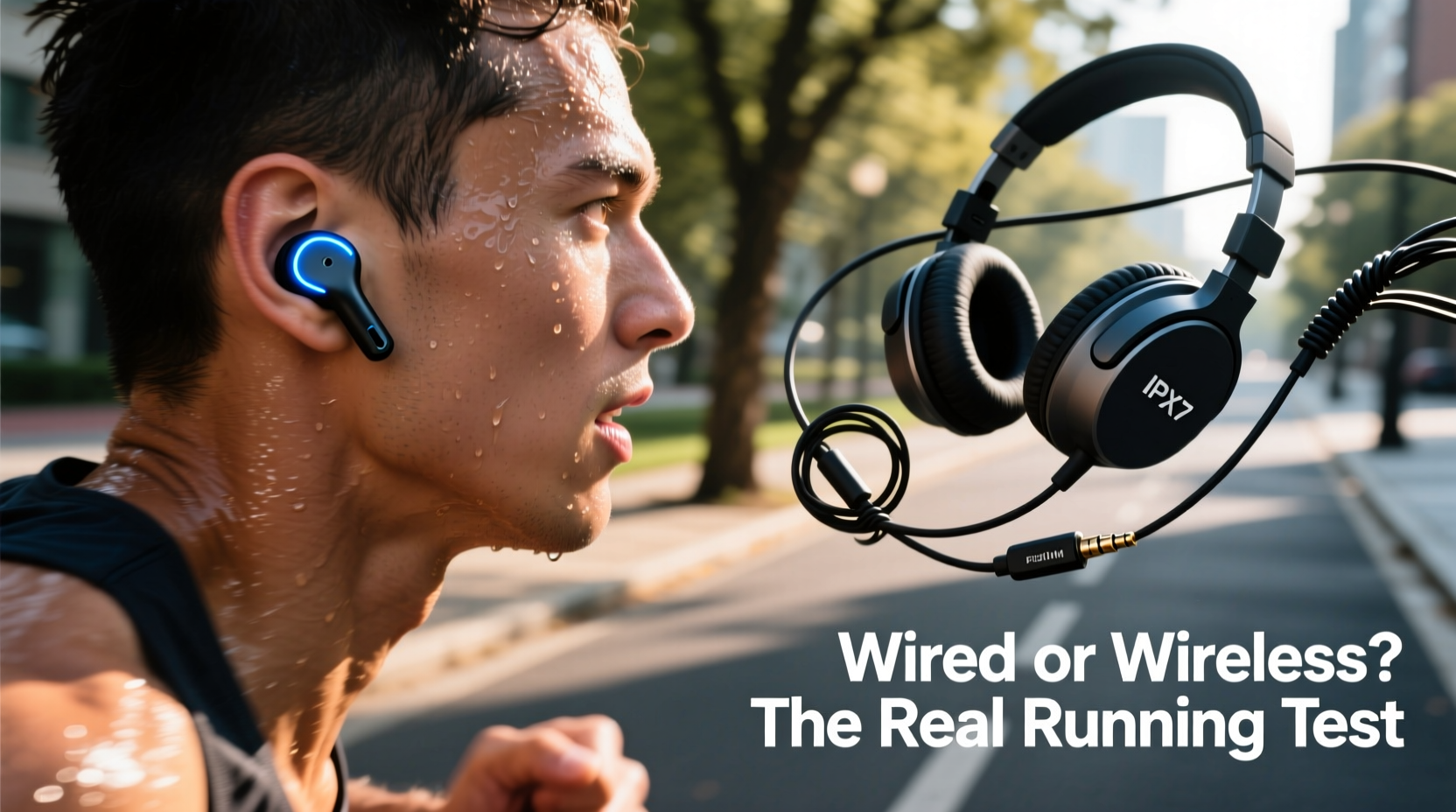
When you're pounding pavement or navigating trails, stability is non-negotiable. Headphones that slip, bounce, or fall out break focus and disrupt cadence. Wired models traditionally offer consistent sound delivery with no latency or signal dropouts. However, cables can snag, swing, and create friction under arms or backpack straps—especially during high-intensity intervals.
Modern wireless earbuds have improved dramatically in fit and connectivity. True wireless models now feature ergonomic wingtips, secure-fit fins, and IPX7+ water resistance, making them ideal for sweaty sessions. Yet, Bluetooth interference in crowded urban areas or near fitness equipment can still cause audio stuttering. Some users report one earbud disconnecting unexpectedly, which defeats stereo immersion.
Tip: Always test earbuds on a short jog before committing to long runs—movement affects fit more than static wear.Safety and Awareness: Staying Alert During Outdoor Runs
Outdoor runners face traffic, cyclists, and uneven terrain. Over-isolating with noise-canceling headphones—even at moderate volumes—can be dangerous. While both wireless and wired options can impair situational awareness, wireless earbuds often come with transparency modes or ambient sound features that let you hear horns, sirens, or approaching footsteps without removing them.
Wired headphones typically lack this functionality unless paired with a high-end device. However, their constant connection means fewer interruptions. You won't suddenly lose audio because of a low battery—a critical factor during marathon training when every beat counts.
“Runners using fully isolating earbuds are 3x more likely to experience near-miss incidents in urban environments.” — Dr. Lena Torres, Sports Safety Researcher, University of Colorado
Comparative Analysis: Wireless vs Wired for Runners
| Feature | Wireless Earbuds | Wired Headphones |
|---|---|---|
| Mobility & Tangle Risk | No cables; unrestricted movement | Cable snagging possible; restricted arm swing |
| Battery Life | 4–8 hours per charge; case extends use | Unlimited (no battery needed) |
| Sound Consistency | Potential Bluetooth lag or dropout | Stable analog signal |
| Fall-out Risk | Varies by fit; some models very secure | Rare if properly fitted |
| Weather Resistance | Most IPX5+, many IPX7 rated | Limited; jacks vulnerable to moisture |
| Ambient Sound Options | Transparency mode available on premium models | Only passive leakage |
| Cost Efficiency | $80–$250+; replacement costs higher | $20–$150; easier to repair |
Real Runner Experience: A Case Study
Mark R., a recreational marathoner from Portland, switched to premium wireless earbuds for his half-marathon training. Initially thrilled by the freedom of movement, he completed two 10-mile runs without issue. On his third run—a hilly trail route—he experienced intermittent audio cuts due to tree cover interfering with Bluetooth. By mile seven, one bud died entirely. Struggling to maintain pace without rhythm, he slowed significantly and later blamed the gear failure for missing his target time.
After returning to durable wired in-ears with a clip to secure the cable, Mark reported greater consistency. “I lost the flashy tech appeal,” he said, “but gained reliability. My splits were tighter, and I wasn’t worrying about battery or sync issues.”
This illustrates a key truth: advanced doesn’t always mean better. For endurance athletes, predictability often outweighs innovation.
Choosing the Right Option: A Step-by-Step Guide
Selecting audio gear should align with your environment, goals, and habits. Follow this decision framework:
- Evaluate Your Running Environment: Urban runners benefit from ambient sound modes (favoring select wireless models). Trail runners may prioritize durability and uninterrupted playback (wired or rugged wireless).
- Assess Distance and Duration: For runs over 90 minutes, consider whether battery life meets demand. Long-distance runners may need charging cases or revert to wired.
- Test Fit and Comfort: Try multiple ear tip sizes. Move your head and jaw to simulate running motion. If they feel loose, they’ll fall out.
- Check Weather Exposure: Frequent rain or sweat demands at least IPX5 rating. Avoid basic wired models with exposed jacks.
- Review Budget and Replacement Costs: Losing one wireless bud often means replacing the pair. Wires can fray but are frequently repairable.
Common Mistakes Runners Make
- Buying based on brand popularity rather than fit
- Ignoring battery life requirements for long runs
- Using noise-canceling mode in unsafe environments
- Not securing cables properly, leading to tugging and chafing
- Overlooking firmware updates that improve Bluetooth stability
FAQ: Quick Answers for Runners
Can wireless earbuds survive heavy sweating?
Yes, if they have an IPX5 rating or higher. Look for IPX7 for full protection against immersion-level moisture. Clean them regularly with a dry cloth after workouts to prevent corrosion.
Are wired headphones obsolete for running?
No. They remain excellent for budget-conscious runners, those doing long ultra-distances, or anyone prioritizing zero-latency audio. Newer models also include flexible, tangle-free cables designed specifically for athletics.
Do wireless earbuds affect running form?
Not directly, but poorly fitting ones can cause subconscious adjustments—like tensing the jaw or altering head position—to keep them in place. This can lead to neck strain over time.
Final Checklist Before You Buy
- ✅ Secure fit during dynamic movement
- Test with head turns and jumps
- ✅ Minimum IPX5 water resistance
- Essential for sweat and weather
- ✅ Battery lasts beyond longest run
- Add 30% buffer for safety
- ✅ Ambient/passthrough mode (if outdoors)
- Helps maintain environmental awareness
- ✅ Reliable Bluetooth version (5.0 or higher)
- Reduces dropouts and power consumption
- ✅ Comfort for extended wear
- No pressure points after 30+ minutes
Conclusion: Don’t Let Tech Sabotage Your Stride
The debate between wireless earbuds and wired headphones isn’t about which is universally better—it’s about matching tools to purpose. Assuming wireless is the only modern choice could lead to dropped beats, dead batteries, or compromised safety. Conversely, dismissing wired options ignores their unmatched reliability and value.
Your next run deserves gear that disappears into the background—physically and mentally. Whether you choose cutting-edge buds or trusted cords, prioritize fit, function, and real-world performance over specs and marketing. Test thoroughly, listen to your body, and remember: the best headphone is the one that lets you focus on the road ahead—not the device in your ears.
🚀 Ready to upgrade your run? Re-evaluate your current headphones using the checklist above—and share your go-to gear in the comments to help fellow runners make smarter choices.








