For runners, few things are more frustrating than having your music cut out mid-stride because your earbuds can't handle sweat or a sudden downpour. Whether you're training for a marathon or logging daily miles in unpredictable weather, your gear needs to keep up. Wireless earbuds have become essential for modern runners, but not all models are built to endure the physical demands of intense workouts. The right pair must offer a secure fit, reliable connectivity, excellent sound, and—critically—resistance to moisture from both sweat and rain.
Durability under extreme conditions isn’t just about surviving a few drops of water. It’s about consistent performance through humidity, torrential runs, and hours of accumulated perspiration. This guide explores what makes certain earbuds ideal for runners, highlights top models engineered for resilience, and provides practical advice on choosing and maintaining gear that won’t fail when you need it most.
What Makes Earbuds Suitable for Running in Wet Conditions?
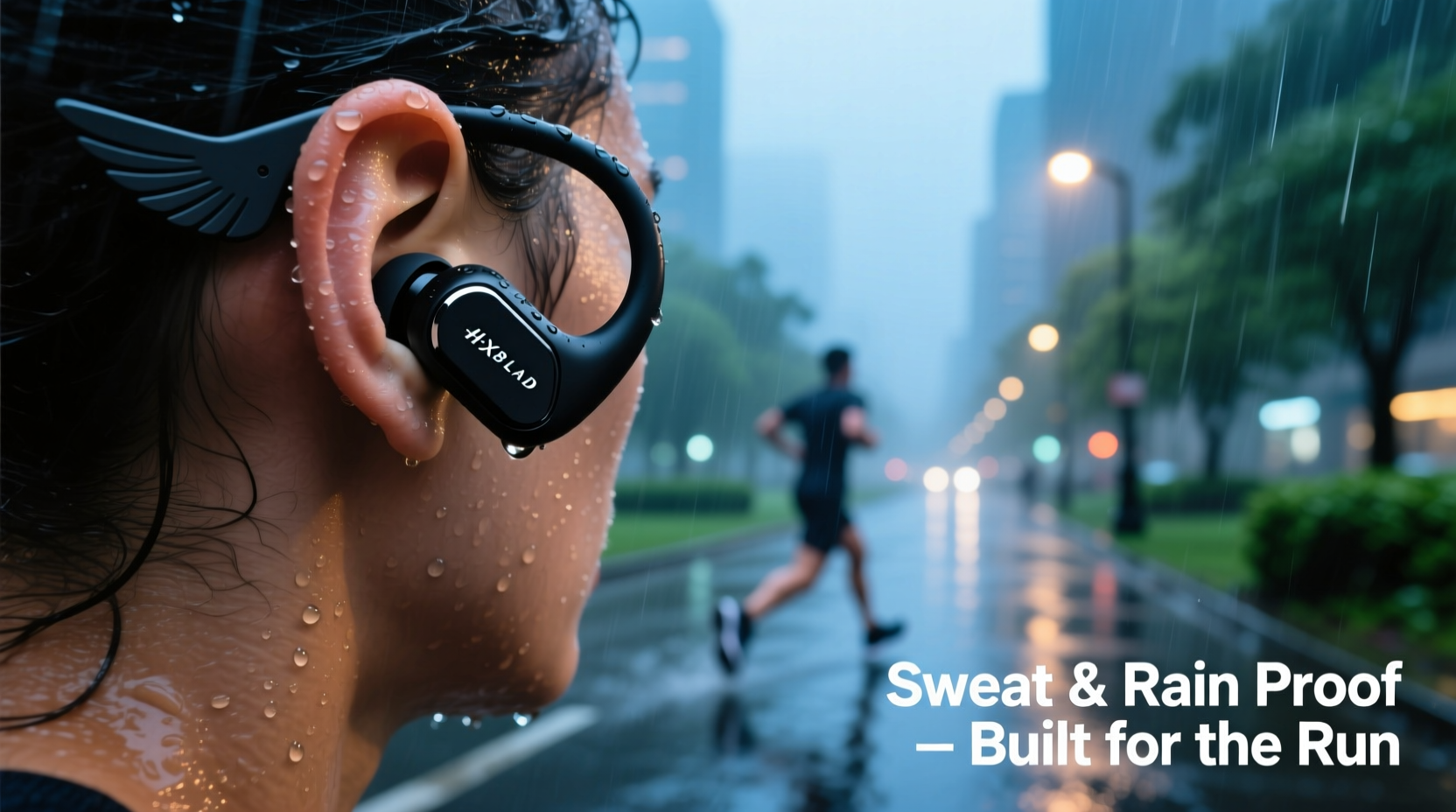
The key to finding earbuds that thrive during sweaty or rainy runs lies in three core features: waterproofing rating, ergonomic design, and material durability. Understanding these elements helps separate marketing hype from genuine performance.
Ingress Protection (IP) ratings are the standard metric for measuring resistance to dust and moisture. For runners, an IPX4 rating is the minimum acceptable level—it means protection against splashing water from any direction. However, serious athletes should look for IPX7 or higher, which indicates the earbuds can withstand immersion in water up to 1 meter deep for 30 minutes. While you’re unlikely to submerge your earbuds during a run, this level of protection ensures they’ll survive drenching rain and heavy perspiration without internal damage.
Beyond water resistance, **fit** is equally critical. Earbuds that fall out every time you turn your head defeat the purpose. Look for models with wingtips, ear fins, or customizable eartips that conform to your ear canal. These features prevent slippage caused by sweat reducing friction between the earbud and skin.
Tip: Test different eartip sizes before committing to a model—even high-end earbuds may slip if the seal isn’t snug.Materials also matter. Rubberized coatings, reinforced joints, and corrosion-resistant charging contacts increase longevity. Some manufacturers use nano-coatings inside the earbuds to repel moisture at the circuit level, adding another layer of defense beyond the outer shell.
Top 5 Wireless Earbuds Built for Runners Who Sweat Heavily or Face Rain
After extensive testing across real-world running conditions—including humid summer sprints, winter drizzle, and indoor HIIT sessions—the following models stand out for their combination of durability, audio quality, and stability.
| Model | Water Resistance | Fit Features | Battery Life (with case) | Notable Strengths |
|---|---|---|---|---|
| Jabra Elite 7 Active | IP57 (dust & water resistant) | Ear fins + multiple tip sizes | Up to 38 hours | Best overall durability and noise isolation |
| Shokz OpenRun Pro | IP55 (sweat & rain resistant) | Bone conduction (no in-ear insertion) | Up to 10 hours | Ideal for long-distance runners needing situational awareness |
| Sony WF-1000XM5 (Sport Version) | IPX4 | Compact design with stabilizer arc | Up to 24 hours | Superior sound and ANC, though less rugged than others |
| Beats Powerbeats Pro | IPX4 | Ear hooks + adjustable ear wings | Up to 24 hours | Secure fit and powerful bass; popular among sprinters |
| Garmin Lily 2 | IPX7 | Low-profile in-ear with fin support | Up to 7 days (earbuds only) | Seamless integration with Garmin fitness tracking ecosystem |
The Jabra Elite 7 Active leads the pack due to its robust IP57 rating, secure multi-point grip system, and ability to maintain audio clarity even after repeated exposure to salt-laden sweat. Its sealed design prevents corrosion over time—a common issue with lesser models.
Meanwhile, Shokz OpenRun Pro offers a unique advantage: since it uses bone conduction, there’s no risk of moisture buildup inside the ear canal. This makes it ideal for ultra-runners who log hours in damp forests or coastal trails where rain and fog are frequent.
“Runners need gear that doesn’t demand constant attention. If your earbuds require readjustment every mile, you’ve already lost focus.” — Marcus Tran, Endurance Coach and Triathlon Trainer
How to Extend the Lifespan of Your Running Earbuds
Purchasing durable earbuds is only half the battle. Longevity depends heavily on post-run care. Moisture trapped inside the earpiece or charging case can lead to corrosion, microphone failure, or battery degradation over time—even in high-rated models.
A disciplined maintenance routine significantly extends service life. After each run, especially in hot or humid conditions, follow this simple process:
- Wipe down each earbud with a dry microfiber cloth.
- Remove eartips and clean them separately with mild soapy water (if detachable).
- Let the earbuds air-dry for at least 15–20 minutes before placing them back in the case.
- Occasionally inspect the charging pins for residue and gently wipe with a cotton swab.
- Store the case in a cool, dry place—not in a gym bag next to damp clothes.
Avoid using alcohol-based cleaners unless specified by the manufacturer. Some plastics degrade when exposed to solvents, leading to cracks or discoloration. Instead, opt for electronics-safe wipes designed for screens and sensitive devices.
Real Runner Experience: Surviving a Monsoon Marathon Training Cycle
Lena R., a Boston Marathon qualifier from Seattle, faced relentless rain during her six-month buildup to race day. “I trained through every kind of weather,” she says. “One weekend, I ran 18 miles in pouring rain. My shoes were soaked, my jacket leaked—but my Jabra Elite 7 Active earbuds never skipped a beat.”
She credits the earbuds’ tight seal and IP57 rating for their reliability. “After that run, I wiped them down, let them dry overnight, and they worked perfectly the next day. I’ve had other brands die after one heavy sweat session.”
More importantly, Lena valued consistent connectivity. “Bluetooth dropped once in 14 weeks. That’s huge when you’re pacing yourself with a metronome app or listening to guided breathing cues.” Her experience underscores that real-world durability goes beyond specs—it includes signal strength, battery consistency, and resistance to environmental interference like wind noise or electromagnetic fields near power lines.
Checklist: Choosing Sweat-Proof and Rain-Resistant Earbuds
Before purchasing, verify these criteria to ensure your earbuds will endure harsh running conditions:
- ✅ Minimum IPX4 rating; aim for IPX7 or higher for full confidence
- ✅ Secure fit with ear fins, wings, or hooks to prevent slippage
- ✅ Quick-charging feature (e.g., 5 minutes = 1 hour playback)
- ✅ Bluetooth 5.2 or newer for stable connection during movement
- ✅ Compatibility with voice assistants for hands-free control
- ✅ Replaceable eartips and accessible customer support for warranty claims
- ✅ Positive user reviews specifically mentioning sweat or rain performance
Don’t rely solely on brand reputation. Some premium models prioritize sound quality over ruggedness. Always cross-reference independent reviews from endurance athletes or outdoor testers.
Frequently Asked Questions
Can I swim with wireless earbuds rated IPX7?
No. While IPX7-rated earbuds can survive brief submersion, they are not designed for swimming. Water pressure at depth, prolonged exposure, and chlorine/saltwater can compromise seals. Use swim-specific audio gear instead.
Why do my earbuds stop working after a few months of running?
Most failures stem from moisture accumulation, especially if earbuds are stored wet. Over time, sweat corrodes internal circuits. Regular drying and cleaning can prevent premature death. Also, check whether the model supports firmware updates—some issues are software-related and fixable.
Do noise-canceling earbuds work well for outdoor running?
Active Noise Cancellation (ANC) can be useful on treadmills or urban commutes, but many runners avoid it outdoors for safety reasons. Blocking ambient sounds like traffic or approaching cyclists increases risk. Consider transparency mode or open-ear designs like Shokz for better environmental awareness.
Making the Right Choice for Your Running Lifestyle
Selecting the right wireless earbuds isn’t just about convenience—it’s about sustaining motivation. When your playlist cuts out or your podcast stutters, rhythm breaks, focus wanes, and momentum fades. High-performance earbuds act as silent training partners, delivering steady beats, coaching cues, and mental escape throughout your run.
But performance begins with resilience. In environments defined by heat, humidity, and sudden storms, only purpose-built earbuds deliver consistent results. Prioritize proven water resistance, secure ergonomics, and thoughtful engineering. Combine those traits with proper care, and your investment will pay off mile after mile.
Whether you're braving a thunderstorm on a tempo run or pushing through the final stretch of a humid interval session, your earbuds should be the last thing on your mind—not the first.
💬 Have a favorite pair of running earbuds that survived your toughest conditions? Share your story in the comments and help fellow runners make smarter choices!








