
The dead loop—a dynamic swing movement where a gymnast rotates fully around the bar without regrasping—was once one of the most visually striking elements in men’s artistic gymnastics. Its fluidity and apparent effortlessness captivated audiences, but it also sparked intense debate among coaches, judges, and safety experts. Despite its elegance, the skill was ultimately banned from elite competition. The reasons behind this decision are rooted in athlete safety, evolving scoring systems, and concerns over long-term physical strain. This article examines the history, mechanics, and controversy surrounding the dead loop, and explains why it no longer has a place in modern gymnastics.
The Mechanics and Origins of the Dead Loop
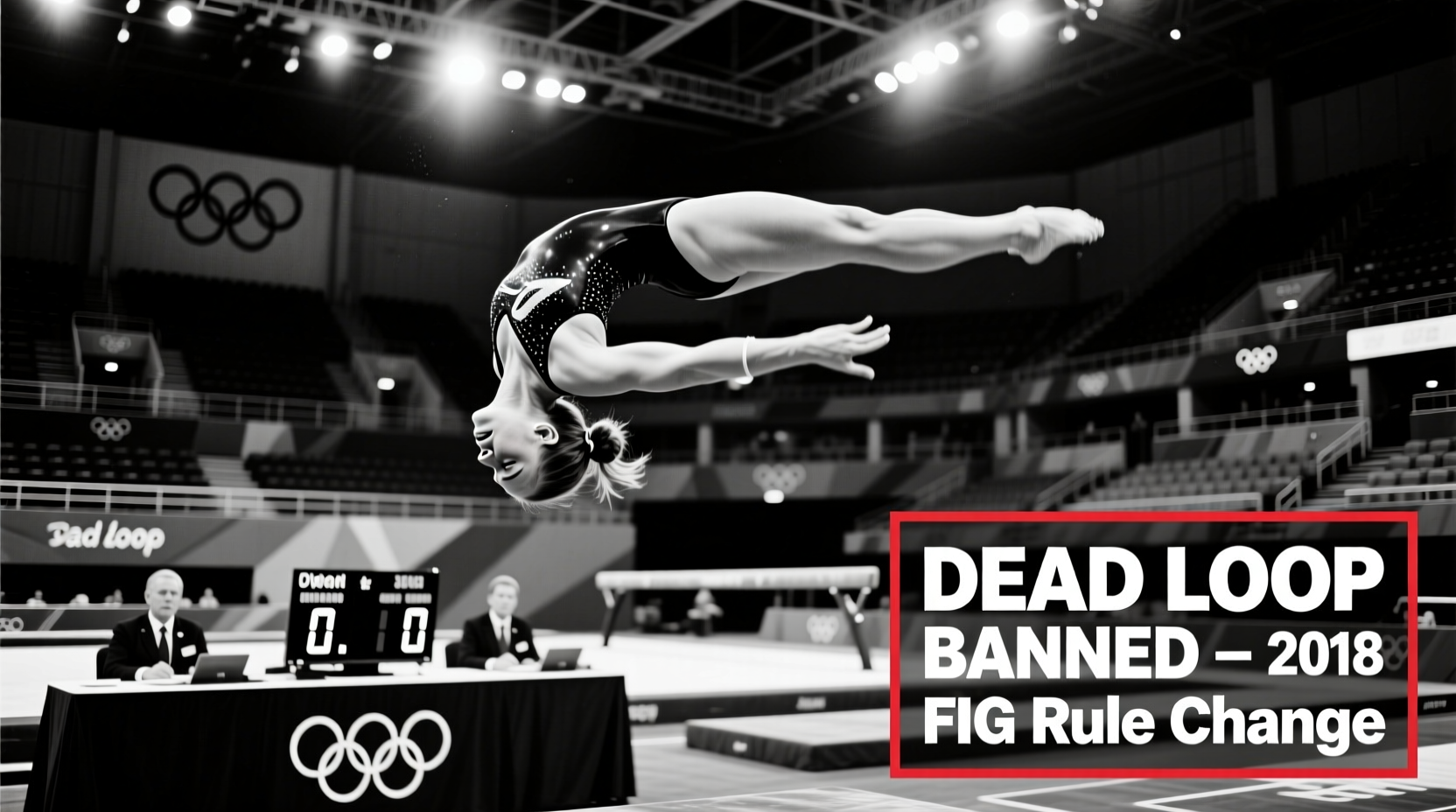
The dead loop, also known as the “clear circle” or “straight-arm giant,” involves a gymnast swinging around the high bar with arms locked straight, completing a full 360-degree rotation without letting go or performing a kip. Unlike traditional giants that use bent arms and active hip drive, the dead loop relies on momentum and precise body alignment to maintain continuous motion. It was particularly prominent in the 1970s and 1980s, performed by gymnasts like Japan’s Akinori Nakayama and Soviet star Nikolai Andrianov.
At its peak, the dead loop was valued for its aesthetic purity—no visible muscle tension, no jerking motions. It demonstrated mastery of rhythm and control. However, this very quality concealed significant physical demands. The move places extreme stress on the shoulders, elbows, and wrists due to the constant load during rotation, especially when executed at high speed.
Tip: Even in training, gymnasts should avoid excessive repetition of straight-arm swings to reduce joint wear and tear.Safety Concerns and Long-Term Health Risks
The primary reason the dead loop fell out of favor—and was eventually restricted—is the risk of chronic injury. Repeated execution of the skill, particularly under competitive conditions, leads to cumulative trauma in the upper limbs. Shoulder dislocations, rotator cuff tears, and wrist sprains are common among gymnasts who perform frequent straight-arm circles.
Dr. Lena Petrova, a sports medicine specialist with the International Gymnastics Federation (FIG), noted:
“Gymnasts using dead loops regularly show signs of early joint degeneration comparable to athletes twice their age. The passive nature of the swing masks the force exerted on connective tissues.” — Dr. Lena Petrova, FIG Medical Advisor
Unlike bent-arm giants, which allow muscular engagement to absorb impact, the dead loop transfers nearly all rotational force directly into the joints. Over time, this increases the likelihood of both acute injuries and long-term disability. Studies conducted during the 2000s found that gymnasts who specialized in bar routines with multiple straight-arm elements reported higher rates of shoulder surgery post-retirement.
Rule Changes and the Evolution of the Code of Points
The formal phase-out of the dead loop began with revisions to the FIG Code of Points. Starting in the late 1990s and accelerating after the 2000 Sydney Olympics, the scoring system shifted focus from pure technical difficulty to a balance between difficulty, execution, and safety.
Under current regulations, while the dead loop is not explicitly named as illegal, it is effectively discouraged through several mechanisms:
- Lack of bonus value: The skill offers minimal difficulty credit compared to release moves or complex transitions.
- Execution deductions: Judges penalize any loss of form, including flexed feet, bent arms, or uneven rhythm—issues more likely in passive swings.
- Emphasis on active technique: Modern codes reward kips, beats, and engaged swings that demonstrate muscular control.
In essence, the dead loop became obsolete not because it was outlawed outright, but because it no longer fits the strategic priorities of contemporary gymnastics. Coaches now steer athletes toward skills that maximize point potential while minimizing health risks.
Controversy and Nostalgia: Was the Ban Justified?
The disappearance of the dead loop has stirred debate within the gymnastics community. Traditionalists argue that banning such a technically refined skill diminishes the artistry of the sport. They point to legends like Koji Gushiken, whose flawless execution of straight-arm circles exemplified grace under pressure.
On the other hand, medical professionals and federation officials emphasize duty of care. With increasing scrutiny on athlete welfare—especially following high-profile cases of burnout and injury—the removal of high-risk, low-reward elements is seen as necessary progress.
A notable case occurred in 2003 when German gymnast Fabian Hambüchen attempted a series of dead loops during national trials. Though technically sound, he later revealed he had been managing chronic shoulder pain for months. His coach admitted they knew the move was risky but included it for stylistic continuity. Hambüchen underwent surgery two years later and cited repetitive strain from such skills as a contributing factor.
“We loved the look of the dead loop, but we can’t romanticize a move that breaks down young athletes.” — Elena Mukhina, Former National Coach (Russia)
Comparison of Swinging Techniques in Men’s Bars
| Skill Type | Arm Position | Injury Risk | Difficulty Value (Current) | Common Use |
|---|---|---|---|---|
| Dead Loop (Clear Circle) | Straight arms | High | E (0.5) | Rare / Training only |
| Bent-Arm Giant | Flexed at bottom | Moderate | D (0.4) | Universal |
| Kip Circle | Bent to straight | Low | C (0.3) | Beginner/Intermediate |
| Release Move (e.g., Tkatchev) | Varies | Moderate-High | G (0.7) | Elite routines |
What Modern Gymnasts Should Know: A Practical Checklist
For aspiring gymnasts and coaches navigating today’s competitive landscape, understanding the legacy and limitations of the dead loop is crucial. Here’s a checklist to ensure safe and effective bar training:
- ✅ Prioritize active, muscular swings over passive momentum-based movements
- ✅ Incorporate shoulder stabilization exercises (e.g., YTWLs, band pull-aparts) into daily warm-ups
- ✅ Limit straight-arm work to controlled drills, not full routine integration
- ✅ Consult a sports physiotherapist if experiencing persistent joint discomfort
- ✅ Focus on mastering high-value release moves and transitions aligned with current Code of Points
Frequently Asked Questions
Is the dead loop completely illegal in competition?
No, the dead loop is not explicitly banned. However, it receives minimal difficulty credit and is prone to execution deductions, making it impractical for elite routines. Most national federations discourage its use due to injury risk.
Can beginners learn the dead loop safely?
While some coaches introduce modified versions for educational purposes, full dead loops are generally not recommended for developing gymnasts. The lack of muscular engagement can hinder proper kinesthetic development and increase vulnerability to joint strain.
Are there any gymnasts still performing the dead loop today?
Rarely. A few veteran performers in masters’ competitions or exhibition events may include it for nostalgic or artistic effect, but it is absent from Olympic and World Championship routines.
Conclusion: Progress Over Tradition
The story of the dead loop reflects a broader shift in gymnastics—from prioritizing aesthetic purity to emphasizing athlete longevity and sustainable performance. While the move remains a symbol of a bygone era, its retirement underscores a commitment to safer, smarter training practices. Today’s gymnasts benefit from advanced biomechanics research, improved equipment, and rules designed to protect their well-being.
Instead of mourning the loss of a single skill, the community should celebrate the evolution that allows athletes to compete longer, healthier, and more successfully. The dead loop may be gone from competition, but its legacy lives on in the ongoing pursuit of excellence balanced with responsibility.
💬 Do you remember watching the dead loop in action? Share your thoughts on this iconic move and whether it deserves a place in modern gymnastics.








