
At first glance, driving a delivery truck might not seem like a high-paying job. Yet, UPS drivers consistently rank among the highest-paid workers in the transportation sector, often earning well over $100,000 per year in many U.S. markets. This raises a common question: Why do UPS drivers make so much? The answer isn’t just about driving—it’s about union power, job demands, retirement security, and long-term career value. Understanding the full picture reveals why these roles are both highly sought after and surprisingly lucrative.
The Union Factor: The Backbone of High Pay
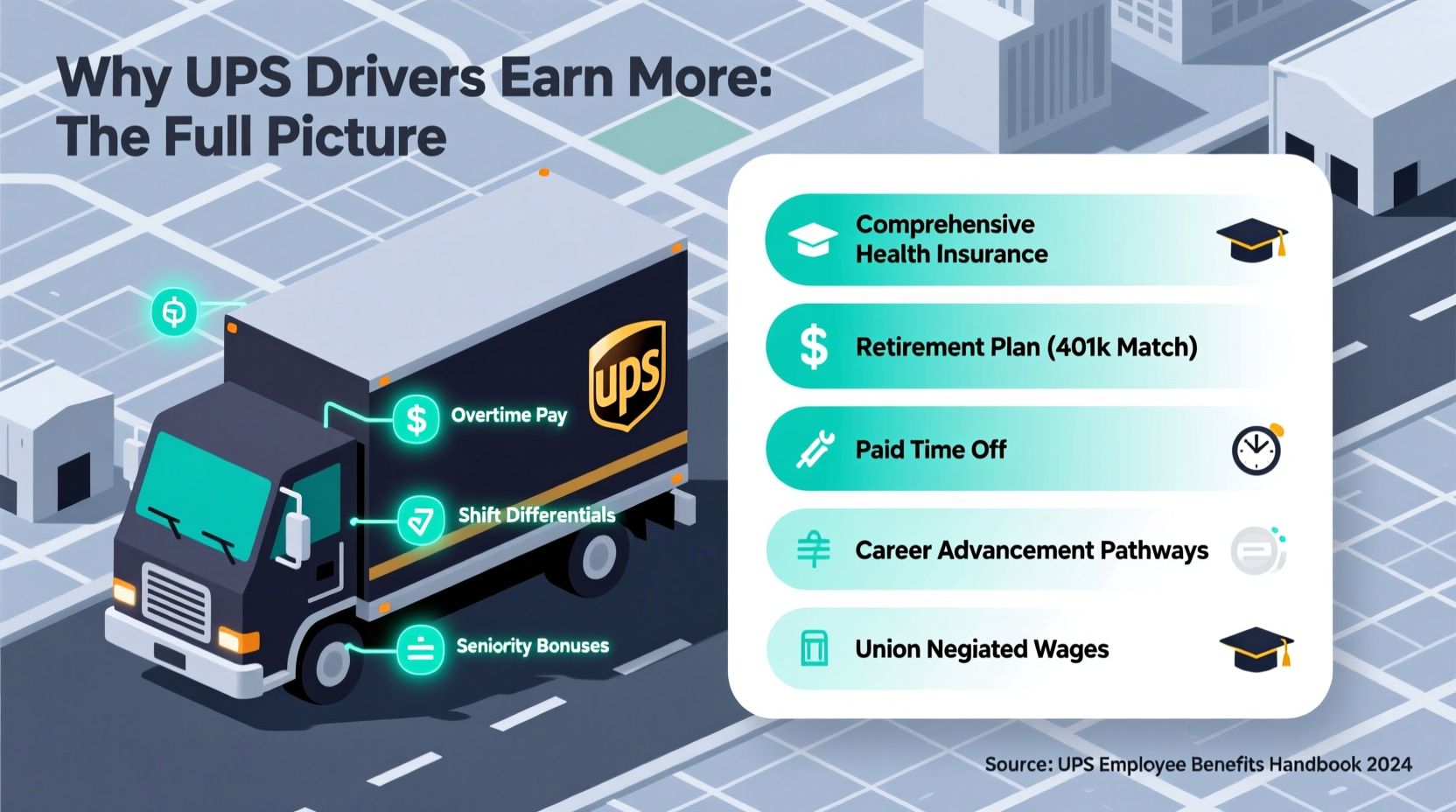
One of the most significant reasons UPS drivers earn high salaries is their representation by the International Brotherhood of Teamsters (IBT). Unlike many other delivery companies—such as FedEx Ground or Amazon Logistics—UPS drivers are largely unionized, which gives them strong collective bargaining power.
The Teamsters negotiate national contracts that set wage floors, overtime rules, health benefits, and job protections. These agreements ensure that pay scales increase predictably with seniority, and they prevent arbitrary cuts or changes to working conditions. For example, under the 2023 National Master Agreement, full-time UPS drivers can earn base hourly rates exceeding $45 in major metro areas, not including overtime.
“Unionization has allowed UPS drivers to build generational wealth through stable wages, predictable raises, and solid retirement plans.” — Michael Reyes, Labor Economist at Cornell University’s School of Industrial Relations
Without a union, individual drivers would have little leverage against corporate policies. At UPS, however, union strength ensures that compensation reflects the physical demands, responsibility, and consistency required in the role.
Tip: If you're considering a logistics career, look for unionized employers—long-term earnings and job security are typically far stronger.Seniority-Based Pay: Earnings That Grow Over Time
At UPS, pay isn’t static. It increases significantly with tenure. New part-time loaders may start around $17–$20/hour, but progression to full-time driver roles—especially city drivers—can lead to dramatic income growth within five to seven years.
Drivers advance through pay grades tied directly to time on the job. Overtime opportunities during peak seasons (like holidays) further boost annual earnings. In December, it’s common for drivers to work 60+ hours per week, pushing total compensation well into six figures in cities like Chicago, Los Angeles, or New York.
This structure rewards loyalty and experience. A driver with 15 years of service doesn’t just earn more—they’ve also built job stability, route familiarity, and strong relationships with customers and supervisors.
Comprehensive Benefits Package
Cash salary is only part of the story. UPS drivers receive one of the most robust benefits packages in the private sector. Key components include:
- Health Insurance: Low-cost medical, dental, and vision coverage for employees and dependents.
- Paid Time Off: Generous vacation accrual starting at three weeks annually for experienced drivers.
- Holiday Pay: Full-time drivers receive paid holidays, including Thanksgiving, Christmas, and New Year’s Day.
- Retirement Plans: A defined-benefit pension plan (rare in modern private employment) plus a 401(k) with company match.
- Layoff Protection: Strong contractual language prevents arbitrary termination and ensures recall rights.
When you factor in employer contributions to healthcare and retirement, the total compensation package for a veteran UPS driver can exceed $130,000 annually—even if gross wages appear slightly lower.
Physical and Mental Demands Justify Compensation
Driving a UPS truck is not a sedentary job. Drivers routinely walk 10–15 miles per day, lift packages up to 70 pounds, and navigate traffic, weather, and tight delivery windows. They manage handheld scanners, customer interactions, and real-time route adjustments—all while maintaining safety standards.
Work begins before dawn, often requiring arrival at the facility by 4:00 or 5:00 AM. During peak season, shifts can stretch beyond 12 hours. This level of physical exertion, combined with accountability for thousands of dollars in cargo daily, makes the role far more demanding than casual observers assume.
High pay compensates for this wear and tear on the body and mind. It also helps retain workers in a job that, despite its perks, carries real occupational stress.
Comparison: UPS vs. Non-Union Delivery Jobs
To understand why UPS drivers earn more, compare them to similar roles without union backing.
| Factor | UPS Driver (Union) | FedEx Ground Contractor | Amazon DSP Driver |
|---|---|---|---|
| Hourly Wage (Avg.) | $35–$45+ | $20–$28 (after expenses) | $18–$25 |
| Overtime Pay | Yes, at 1.5x rate | No (self-employed) | Limited |
| Health Benefits | Full employer-covered | Self-purchased | Sometimes offered |
| Job Security | Contract-protected | None—market-dependent | Moderate |
| Retirement Plan | Pension + 401(k) | IRA only | 401(k) with match |
The disparity is clear. While non-union delivery jobs may offer flexibility, they lack long-term financial security and upward mobility. UPS drivers trade some autonomy for stability, growth, and protection.
Real Example: From Part-Time Hire to Six-Figure Driver
Take James M., a 38-year-old driver in Atlanta. He started at UPS in 2015 as a seasonal loader, earning $18/hour. After proving reliability, he became a part-time feeder driver in 2017. By 2020, he upgraded to a full-time city route—a coveted position.
In 2023, his base pay reached $43/hour. With holiday overtime, he worked 55-hour weeks for eight weeks straight, adding nearly $15,000 in extra income. Combined with full medical coverage for his family and a pension vesting after 10 years, James now views his job as a true career—not just a paycheck.
“I didn’t think I’d be making more than my college-educated friends,” he says. “But here I am, debt-free, with a secure future. All it took was patience and showing up every day.”
Actionable Checklist: How to Maximize Earnings as a UPS Driver
If you’re considering this path—or already on it—follow these steps to reach top-tier earnings:
- Apply for seasonal or part-time roles to get your foot in the door.
- Build seniority and maintain a clean record—no disciplinary issues.
- Express interest in full-time driver positions early; availability is limited.
- Train rigorously for the CDL and road test—passing is essential.
- Volunteer for holiday and overtime shifts to accelerate income.
- Use tuition assistance programs to pursue additional credentials (UPS offers up to $5,250/year).
- Stay informed about contract updates from the Teamsters.
FAQ: Common Questions About UPS Driver Pay
Do all UPS drivers make over $100,000?
No—not immediately. Entry-level part-time roles start below $30,000 annually. However, full-time city drivers with 5+ years of experience commonly exceed $100,000 with overtime, especially in high-cost regions.
Why don’t Amazon or FedEx pay the same?
FedEx Ground drivers are often independent contractors who cover vehicle, fuel, and maintenance costs. Amazon delivery drivers work for third-party fleets with less standardized pay. Neither has the same union-negotiated wage structures as UPS.
Is the job worth the physical strain?
For many, yes—especially those prioritizing long-term stability over short-term comfort. The combination of high pay, benefits, and retirement security makes the physical demands a reasonable trade-off.
Conclusion: A Rare Blue-Collar Career with White-Collar Rewards
The high salaries of UPS drivers aren’t accidental. They result from decades of union advocacy, structured career progression, and recognition of the job’s physical and logistical demands. When you add comprehensive health care, paid leave, and a pension, the role becomes one of the most valuable blue-collar careers available without a college degree.
While automation and competition from e-commerce giants pose future challenges, the current model remains powerful. For workers seeking financial security, predictable growth, and dignity in labor, the UPS driver position stands as a rare example of what organized labor and corporate responsibility can achieve together.
🚀 Thinking about a career in logistics? Research unionized roles, prioritize long-term benefits over starting pay, and consider how steady growth can outpace flashier but unstable jobs. Your future self will thank you.








