
The idea of renaming the Gulf of Mexico has sparked growing debate across North America, drawing attention from historians, environmentalists, politicians, and Indigenous communities. While the body of water has long been known as the Gulf of Mexico, recent discussions suggest that a change in nomenclature may better reflect its complex history, ecological significance, and regional identity. This article examines the deeper layers of the controversy, exploring the potential motives behind proposed renaming efforts, the stakeholders involved, and the broader implications such a shift could carry.
Historical Context of the Name \"Gulf of Mexico\"
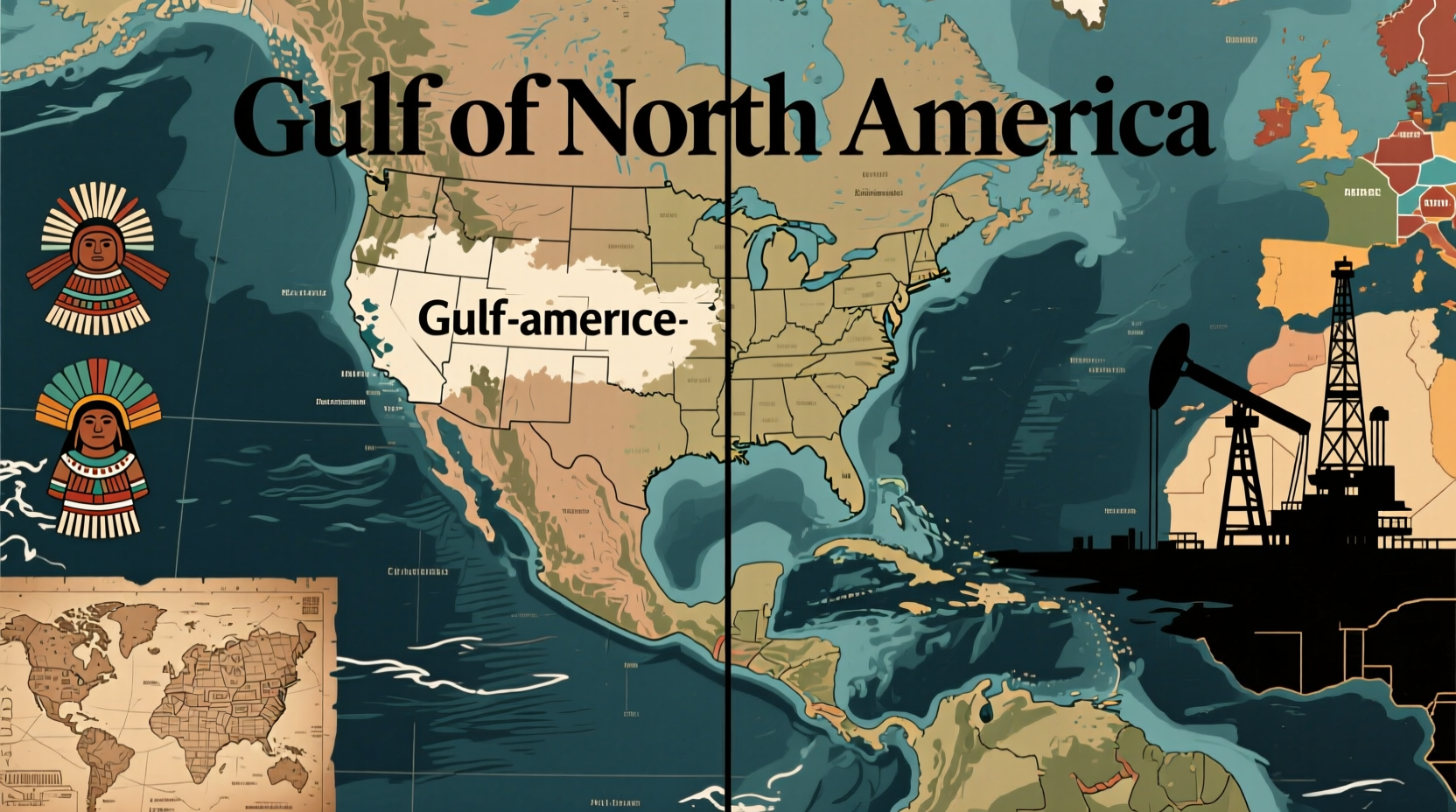
The term “Gulf of Mexico” dates back to European exploration in the 16th century. Spanish cartographers referred to it as *Golfo de México*, a name derived from the Aztec city of *Mēxihco*—the heart of the Mexica Empire. Over time, the designation was adopted by French, British, and later American mapmakers, solidifying its use in international geography.
Despite its widespread acceptance, the name centers one nation—Mexico—over others that also border the gulf: the United States and Cuba. Critics argue this naming convention overlooks the shared maritime heritage and interdependence of all three nations. Moreover, Indigenous groups such as the Karankawa, Choctaw, and Taíno peoples inhabited coastal regions long before colonial powers arrived, yet their names for the waters have been erased from modern usage.
“Place names are not neutral. They reflect power, memory, and identity. To rename a geographic feature is to reclaim narrative control.” — Dr. Elena Marquez, Cultural Geographer, University of Texas at Austin
Political and Nationalist Motivations
One of the most visible drivers behind renaming proposals comes from nationalist sentiments in both Mexico and the United States. In Mexico, some scholars and activists advocate for reverting to pre-Columbian or Nahuatl-derived names such as *Tlālpāc* (meaning \"land-water\") or *Huitlaloapan* (\"place of many winds\") as acts of decolonization. These efforts align with broader movements to restore Indigenous languages and honor pre-Hispanic civilizations.
Conversely, certain U.S. lawmakers have floated alternatives like the “American Gulf” or “Gulf of America,” particularly during periods of heightened national rhetoric. Such proposals are often criticized as attempts to assert territorial dominance or diminish Mexico’s historical connection to the region. These competing visions underscore how geographic names can become tools of soft power and symbolic sovereignty.
Tip: When evaluating renaming proposals, consider whose voices are leading the conversation—local communities, governments, or external interest groups.Environmental and Regional Identity Considerations
Beyond politics, there’s a growing push to adopt a name that reflects the gulf’s ecological unity rather than national boundaries. Scientists and conservationists emphasize that marine ecosystems do not adhere to political borders. Pollution, overfishing, and climate change affect the entire basin, necessitating cooperative management among all littoral states.
Proposals such as “The Great Gulf” or “Gulf of the Americas” aim to foster a sense of shared stewardship. These names could support binational and trinational environmental agreements by reinforcing collective responsibility. For example, joint restoration projects for oyster reefs or migratory bird habitats might gain stronger public backing under a unifying geographic identity.
In coastal communities from Veracruz to New Orleans, local pride often transcends nationality. Fishermen, artists, and ecotourism operators identify more with the gulf itself than with any single country. A new name could potentially strengthen regional cohesion and promote cross-border cultural exchange.
Potential New Names and Their Implications
A variety of alternative names have emerged in academic and public discourse. Each carries distinct connotations and challenges:
| Proposed Name | Origin/Meaning | Potential Benefits | Challenges |
|---|---|---|---|
| Golfo del Norte | Spanish for \"Northern Gulf\" | Geographically descriptive; used historically in some maps | Lacks Indigenous roots; still centers Spanish language |
| Texas-Gulf | Combines U.S. state and common term | Familiar to Americans; emphasizes economic zone | Excludes Mexico and Cuba; seen as U.S.-centric |
| Mexicano-American Gulf | Hybrid diplomatic name | Recognizes two major bordering nations | Clunky; ignores Cuba and Indigenous presence |
| Anáhuac Sea | From Nahuatl *Anahuac*, meaning \"near the water\" | Decolonial; honors pre-Hispanic cosmology | Unfamiliar outside Mexico; limited regional recognition |
| Gulf of All Nations | Symmetrical, inclusive framing | Promotes cooperation; neutral tone | Vague; may lack emotional resonance |
Mini Case Study: The Barents Sea Naming Precedent
In the Arctic, the Barents Sea—named after Dutch explorer Willem Barentsz—has faced similar scrutiny. Indigenous Sámi leaders have advocated for dual naming, proposing *Sápmiel Sea* alongside the current title. While no official change has occurred, Norway and Russia now recognize the importance of inclusive naming in joint environmental reports.
This case illustrates how even symbolic gestures—like using parallel names on maps or in scientific literature—can validate marginalized histories without erasing established terminology. A comparable approach could be applied to the Gulf of Mexico, allowing multiple names to coexist in different contexts: educational, governmental, and cultural.
Step-by-Step: How Geographic Renaming Works
Rename a major body of water is not a simple task. It requires coordination across multiple levels of authority and public buy-in. Here’s how the process typically unfolds:
- Proposal Submission: A government agency, academic group, or Indigenous council submits a formal request to a national naming board (e.g., U.S. Board on Geographic Names).
- Public Consultation: Stakeholders���including neighboring countries—are invited to comment. Hearings may be held in affected regions.
- Historical & Linguistic Review: Experts assess the etymology, cultural significance, and precedent of the proposed name.
- International Coordination: Since the gulf touches three countries, UNESCO or the International Hydrographic Organization may mediate discussions.
- Official Adoption: If approved, updates are made on national maps, nautical charts, and legal documents. Transition periods may last years.
FAQ
Has any major body of water been successfully renamed in recent history?
Yes. In 2021, New Zealand officially restored the Māori name *Te Waipounamu* for the South Island in dual-use signage and government publications. Similarly, Russia renamed the Sea of Japan as the “East Sea” in some internal documents to acknowledge Korean claims, though this remains internationally contested.
Would renaming the Gulf of Mexico change maritime law or borders?
No. Geographic names do not alter legal jurisdictions or exclusive economic zones defined under the United Nations Convention on the Law of the Sea (UNCLOS). However, a new name could influence diplomatic tone and collaborative frameworks.
Who has the authority to rename the Gulf of Mexico?
No single entity holds unilateral power. The U.S., Mexico, and Cuba would need to reach a consensus. International bodies like the International Hydrographic Organization (IHO) play advisory roles, but adoption depends on national consent.
Tip: Public education campaigns are crucial when renaming geographic features—clear communication helps prevent confusion and builds support.Conclusion: Toward a More Inclusive Geography
The debate over renaming the Gulf of Mexico is about far more than semantics. It touches on questions of identity, equity, and our relationship with the natural world. Whether the name changes or not, the conversation itself offers an opportunity to re-examine whose stories are centered in our maps and histories.
Instead of viewing renaming as erasure, it can be framed as expansion—an invitation to include voices long left out of cartographic decisions. As climate change and regional cooperation grow in urgency, adopting a name that reflects shared destiny rather than division could be a small but meaningful step forward.
💬 What do you think the Gulf should be called? Share your thoughts on social media or with local representatives. Geographic names belong to everyone who lives beside them.








