In the high-stakes world of NFL football, quarterback health is everything. When Green Bay Packers starter Jordan Love sustained a knee injury during a recent game, fans immediately braced for the worst—especially when he limped off the field and didn’t return. Yet, despite visible discomfort and limited practice participation, Love was not placed on injured reserve (IR). This decision has sparked confusion, debate, and plenty of speculation among fans and analysts alike. So why hasn’t Jordan Love been placed on IR? The answer lies in a mix of medical evaluation, roster strategy, salary cap considerations, and long-term team planning.
The Nature of Jordan Love’s Knee Injury
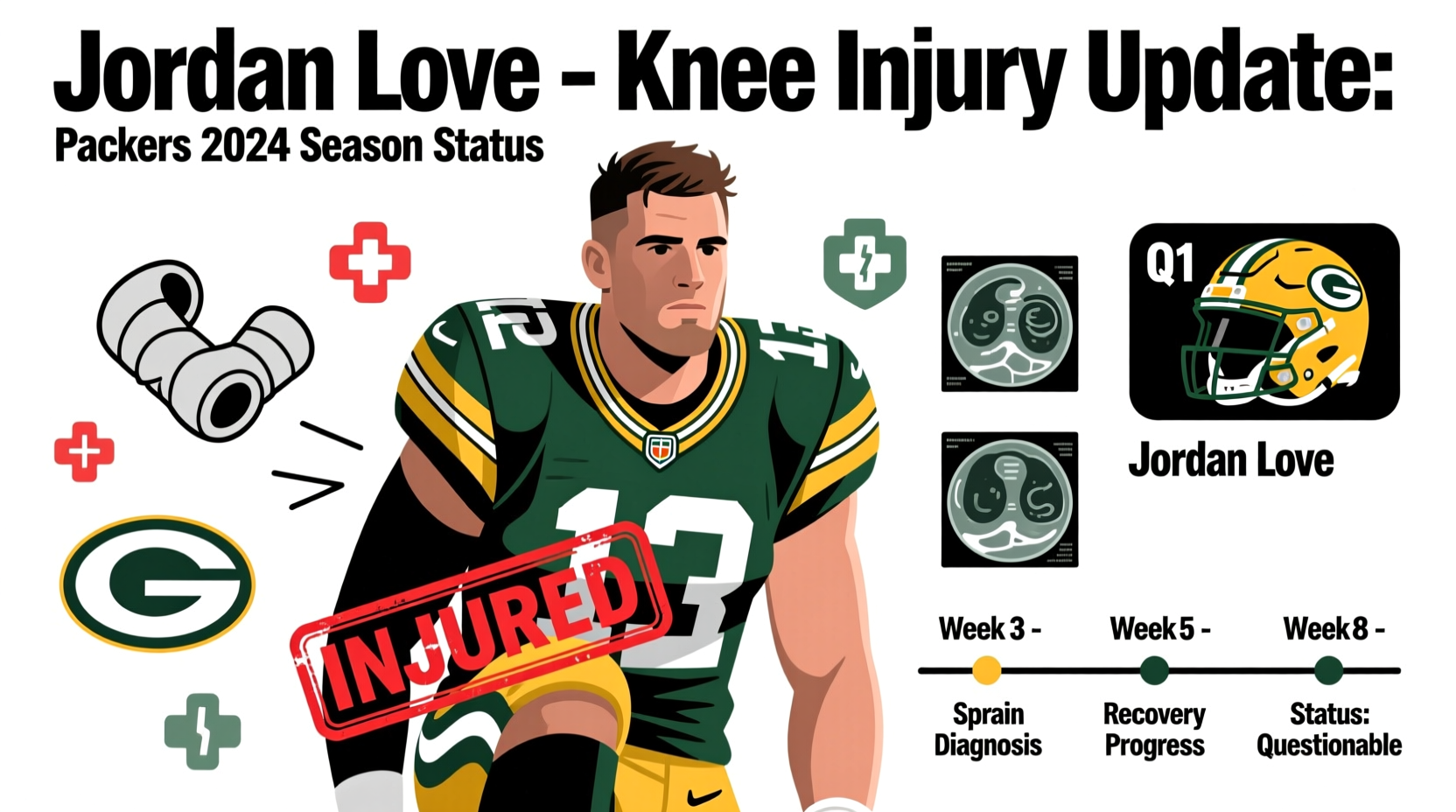
During a Week 5 matchup against the Detroit Lions, Jordan Love took a hard hit to his left leg while attempting a pass. He stayed down for several minutes before walking off under his own power, though with a noticeable limp. Initial reports indicated a sprained MCL (medial collateral ligament), a common but often tricky knee injury that can range from mild to severe depending on the grade.
MRI results later confirmed a Grade 1 MCL sprain—meaning there’s minor tearing and inflammation, but no complete rupture or structural instability. Recovery timelines for such injuries typically span 2–4 weeks with proper rest, physical therapy, and gradual reintegration into football activities.
Tip: A Grade 1 MCL sprain often allows players to rehab while remaining active on the roster, especially if backup options are limited.Why Isn’t Jordan Love on Injured Reserve?
The NFL’s injured reserve rules state that any player placed on IR must miss a minimum of four games. For a young quarterback like Love—who the Packers have invested heavily in—the cost of losing four weeks of development, rhythm, and team continuity is steep. With Green Bay hovering around .500 and fighting for a playoff spot, the front office and coaching staff are prioritizing flexibility over caution.
By keeping Love active, even as a backup or limited participant, the Packers retain the ability to activate him whenever he’s medically cleared—potentially as early as Week 7 or 8. Placing him on IR would lock that door shut for at least a month, regardless of how quickly he recovers.
“Teams are more strategic than ever about IR designations. If a QB is expected back in 3 weeks, it doesn’t make sense to burn 4 games on IR.” — Mike Florio, NBC Sports NFL Analyst
Roster and Strategic Implications
The Packers’ current backup quarterback situation adds another layer to this decision. Their primary backup, veteran Sean Clifford, has minimal regular-season experience. Promoting third-stringer Malik Willis from the practice squad would be an option, but relying on two unproven QBs creates significant risk.
By keeping Love on the active roster, the team can:
- Use him as a game-day emergency option if Clifford gets injured
- Maintain his presence in meetings and film study
- Allow him to progress through non-contact drills and throwing sessions
- Preserve the IR spot for a potentially more serious injury later in the season
Key Factors Influencing the Decision
| Factor | Impact on IR Decision |
|---|---|
| Injury Severity (Grade 1 MCL) | Low risk of worsening; manageable with rehab |
| Recovery Timeline | Estimated 2–3 weeks—shorter than IR minimum |
| Backup QB Depth | Limited experience increases need for emergency option |
| Team Playoff Outlook | Too early to concede; every win matters |
| IR Spot Availability | Valuable resource; better saved for longer-term injuries |
Medical Management and Rehabilitation Approach
The Packers’ medical staff has implemented a conservative yet aggressive rehab plan focused on reducing inflammation, restoring full range of motion, and rebuilding strength in the surrounding musculature. Love has been spotted wearing a lightweight brace during walkthroughs and participating in stationary throwing drills.
According to sources within the organization, Love is ahead of schedule in his recovery. He avoided surgery or extended immobilization, which would have made IR placement more likely. Instead, daily treatment includes:
- Cryotherapy and anti-inflammatory protocols
- Targeted physical therapy for knee stability
- Pool-based resistance training to maintain conditioning
- Neuromuscular activation exercises to prevent compensatory strain
Realistic Return Timeline
Based on historical data from similar injuries across the NFL, quarterbacks with Grade 1 MCL sprains return in an average of 18 days. Given that Love was injured in Week 5, a targeted return for Week 7 or 8 is plausible—if he remains pain-free during cutting, scrambling, and pocket movement drills.
Tip: Monitor Wednesday practice reports closely—limited participation may signal readiness for a near-term return.Mini Case Study: Dak Prescott’s 2022 Shoulder Injury
In 2022, Dallas Cowboys quarterback Dak Prescott suffered a shoulder strain early in the season. Despite missing two games, the team chose not to place him on IR, citing a projected three-week recovery window. Prescott returned in Week 5 after limited practice appearances, leading Dallas to a division title.
This case mirrors Green Bay’s current approach: prioritize roster flexibility, protect long-term IR spots, and trust medical staff to manage return timing. The Cowboys’ success in navigating that situation without derailing their season offers a blueprint other teams—including the Packers—are now following.
Frequently Asked Questions
Can Jordan Love play if he’s not 100%?
Yes, provided his mobility isn’t compromised and medical staff clears him. Many NFL quarterbacks play through minor injuries, especially mid-season. However, rushing back could risk re-injury or reduced performance.
What happens if Love worsens his knee injury?
If imaging shows progression to a Grade 2 or 3 sprain, or if instability develops, the Packers would likely place him on IR immediately. Continued deterioration could also impact his offseason training and 2025 preparation.
Could the Packers bring in a veteran QB instead?
Possibly, but there are few viable options on the free-agent market. Veteran backups like Joe Flacco or Andy Dalton are either starting elsewhere or retired. Signing an unproven free agent carries its own risks and wouldn’t change the IR calculus significantly.
Action Plan: What Packers Fans Should Watch For
- Practice Participation Reports: Look for upgrades from “DNP” (Did Not Participate) to “LP” (Limited Participation).
- Brace Usage: Transition from a bulky hinged brace to a slim sleeve indicates improved joint confidence.
- Scrambling Drills: Full return requires lateral movement, dropbacks, and evasive maneuvers—key indicators of readiness.
- Coach Quotes: Head coach Matt LaFleur’s comments about “day-to-day” vs. “week-to-week” can signal return expectations.
- Roster Moves: Any elevation from the practice squad or signing of a new QB may hint at extended absence.
Conclusion: A Calculated Risk Worth Taking
The decision not to place Jordan Love on injured reserve isn’t negligence—it’s nuance. It reflects modern NFL roster management, where every move is weighed against opportunity cost, competitive window, and medical probability. While fans may worry about reinjury or short-term setbacks, the Packers are betting on time, science, and structure to get their franchise quarterback back safely and efficiently.
This moment is a test not just of Love’s resilience, but of the entire organization’s ability to balance caution with ambition. As the season unfolds, the clarity of this choice will become evident. For now, patience, informed monitoring, and trust in the process are the best tools for supporters.
💬 What do you think—should the Packers have placed Love on IR for safety? Share your thoughts and stay updated as we track his recovery week by week.








