
As the 2024 U.S. presidential election approaches, a growing number of Americans are asking: why isn’t President Joe Biden running? The question reflects widespread public concern about his age, health, and political viability—but it also stems from misinformation. The truth is, Joe Biden *is* running for re-election in 2024. However, the intensity of speculation around his candidacy reveals deeper anxieties within the Democratic Party and the electorate at large. This article unpacks the origins of this narrative, examines the real challenges facing Biden’s campaign, and clarifies the current state of one of the most consequential elections in recent history.
The Misconception: Is Biden Actually Running?
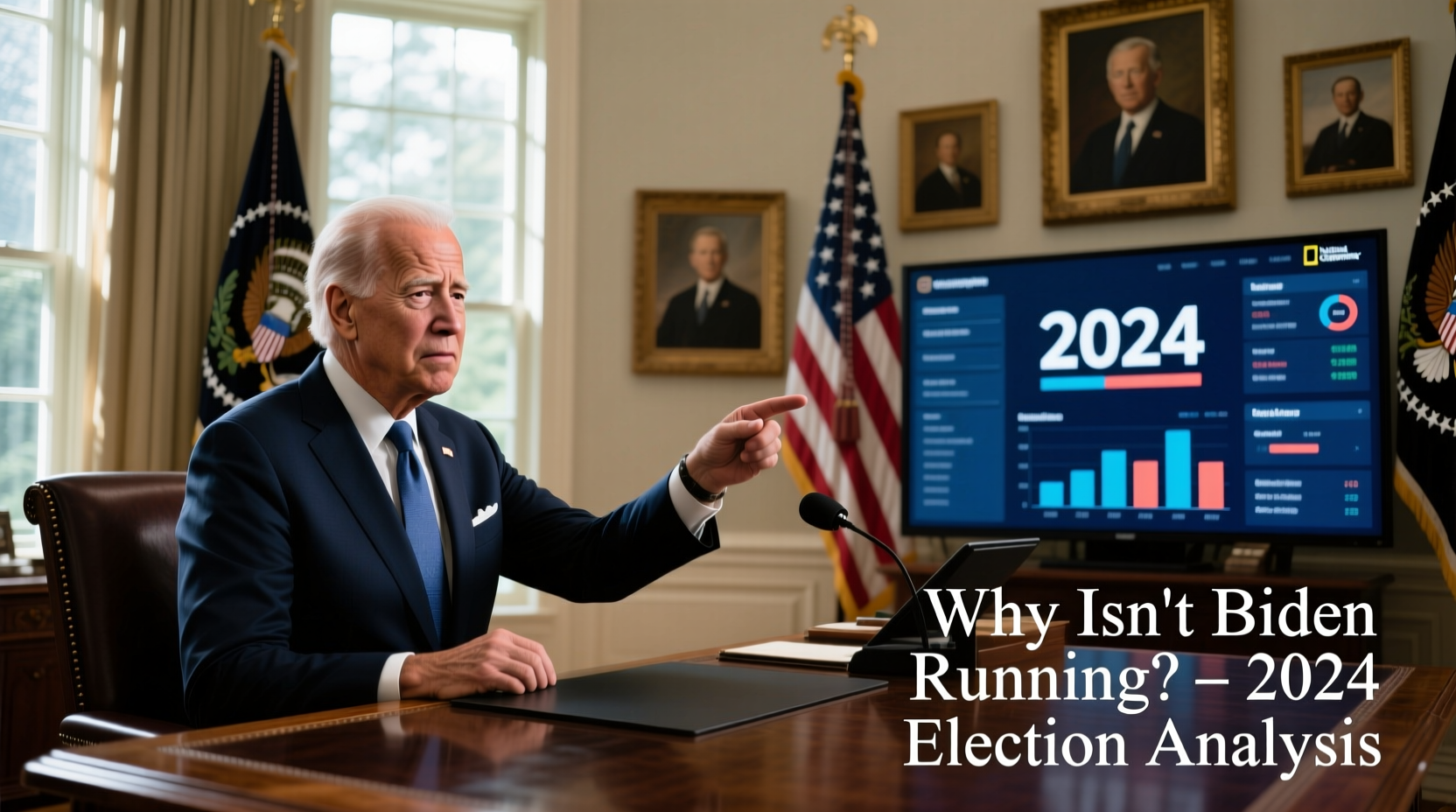
Despite persistent rumors and viral social media posts suggesting otherwise, Joe Biden has officially declared his candidacy for the 2024 presidential election. He announced his re-election bid in April 2023, reaffirming his commitment to serve another term. His campaign has filed with the Federal Election Commission, raised millions in donations, and begun organizing across key battleground states.
So why does the idea that “Biden isn’t running” persist? Several factors contribute:
- Age and visibility: At 81 years old, Biden is the oldest sitting president in U.S. history. His reduced public appearances and occasional verbal stumbles fuel speculation about his fitness for office.
- Media amplification: Outlets often highlight gaffes or moments of confusion, sometimes out of context, reinforcing narratives of cognitive decline.
- Political opposition: Critics—particularly on the right—have amplified doubts about his ability to govern, hoping to erode public confidence.
- Democratic anxiety: Many within Biden’s own party worry he may not be the strongest candidate against Donald Trump and quietly discuss alternatives.
Challenges Facing Biden’s 2024 Campaign
Biden’s decision to run again comes amid significant headwinds. While he maintains strong support among core Democratic voters, broader electoral concerns remain.
1. Age and Health Concerns
Biden turned 80 in November 2023, making age a central issue. In January 2024, he completed a physical exam and released a doctor’s letter stating he is “healthy,” “vital,” and “fit to successfully execute the duties of the Presidency.” Still, questions linger due to limited transparency and rare live press conferences.
2. Approval Ratings and Public Perception
As of early 2024, Biden’s approval rating hovers around 40%, according to aggregated polling data. While inflation has cooled and unemployment remains low, many Americans still feel economic pressure. Voters often judge presidents based on personal financial well-being, regardless of macroeconomic indicators.
3. Competition Within the Democratic Party
No prominent Democrat has challenged Biden in the primaries, but murmurs of discontent persist. Figures like Governor Gavin Newsom of California and Senator Mark Kelly of Arizona were briefly floated as potential alternatives, though none have entered the race.
“While Biden has delivered on several legislative priorities, electability in a polarized climate depends on perceived energy and clarity—qualities that are becoming harder for him to project.” — Dr. Lena Peterson, Political Science Professor at Georgetown University
A Closer Look: Why Some Democrats Want a New Candidate
Behind closed doors, some Democratic strategists and donors have expressed concern that Biden may not inspire enough enthusiasm to win a tight general election. A mini case study illustrates this tension:
Mini Case Study: The Nevada Caucus Dilemma
In February 2024, during the Nevada Democratic caucuses, grassroots organizers reported low turnout and visible apathy. One volunteer in Las Vegas noted, “People show up because they hate the alternative, not because they’re excited about Biden.” Exit polls showed that nearly 30% of Democratic voters believed the party should nominate someone else, even if Biden wins the nomination. This sentiment isn’t rebellion—it’s caution driven by fear of losing to Trump.
The underlying issue isn’t policy failure. Biden’s administration passed major legislation on infrastructure, climate, and semiconductor manufacturing. But in politics, perception often outweighs policy.
What If Biden Steps Aside? Contingency Scenarios
Though unlikely, there are scenarios under which Biden could withdraw before the election:
- Health emergency: A serious illness or hospitalization could force a reassessment.
- Party intervention: If polling deteriorates sharply post-convention, leaders might push for a replacement.
- Voluntary withdrawal: Biden could decide not to seek office for personal or strategic reasons.
If Biden steps down before the Democratic National Convention in August 2024, the Democratic Party would select a new nominee through its delegate system. Vice President Kamala Harris is the most likely successor, though others—including governors, senators, or former officials—could emerge in a contested scenario.
Comparison: Biden vs. Potential Democratic Alternatives (Hypothetical)
| Candidate | Strengths | Weaknesses |
|---|---|---|
| Joe Biden | Incumbent advantage; proven ability to pass legislation; high name recognition | Age concerns; lower energy perception; base fatigue |
| Kamala Harris | Vice president; diverse background; strong debate presence | Lower approval ratings; limited executive experience |
| Gavin Newsom | High-profile governor; charismatic; national media presence | Never won federal office; seen as too liberal by moderates |
| Andy Beshear or Josh Shapiro | Governors of swing states; moderate profiles; recent electoral success | Limited national exposure; untested in presidential campaigns |
Step-by-Step: How the 2024 Democratic Nomination Process Works
Understanding the timeline helps clarify why Biden remains the presumptive nominee:
- January–June 2024: Primaries and caucuses held in all 50 states, D.C., and territories. Biden faces minimal opposition.
- Summer 2024: Delegates tally results. A candidate needs a majority (1,968) to secure the nomination.
- August 19–22, 2024: Democratic National Convention in Chicago. Nominee is formally selected and announces vice-presidential pick.
- November 5, 2024: General election day. Voters choose between the Democratic, Republican, and third-party candidates.
Even if Biden wins every primary, internal party discussions about electability will continue until the convention and beyond.
Frequently Asked Questions
Is Joe Biden dropping out of the 2024 race?
No, as of May 2024, Joe Biden has not dropped out. He remains the active Democratic candidate and continues campaigning and fundraising.
Can the Democratic Party replace Biden before the election?
Yes, but only under specific conditions. If Biden withdraws before the convention, delegates could support a new nominee. After the convention, replacing him would require complex state-by-state ballot substitution rules, which vary widely.
Who would become president if Biden stepped down?
If Biden stepped down after being elected, Vice President Kamala Harris would assume the presidency. If he withdrew before the election, the Democratic Party would nominate a new candidate, who would appear on ballots where feasible.
Action Plan: What Supporters and Skeptics Can Do
Regardless of personal views on Biden’s candidacy, engaged citizens can take meaningful steps:
Checklist:- Verify political rumors using trusted sources like AP News, Reuters, or PolitiFact.
- Attend local party meetings to understand how delegates are selected.
- Participate in your state’s primary or caucus—even if only one candidate is viable.
- Encourage respectful dialogue about leadership and succession within the party.
- Stay informed about ballot access deadlines and replacement rules in your state.
Conclusion: Clarity Amid the Noise
The idea that “Biden isn’t running” is a myth—but it’s a myth rooted in real concerns about leadership, age, and electoral risk. The 2024 election will be shaped not just by policies, but by perceptions of stamina, vision, and unity. Joe Biden is indeed seeking re-election, and the Democratic Party currently stands behind him. Yet the conversation around his candidacy underscores a broader need for transparent succession planning and renewed civic engagement.
💬 What do you think? Should experience outweigh age in leadership? Can the Democratic Party unite behind Biden in 2024? Share your thoughts and help shape the national conversation.








