For over a decade, ESPN’s West Coast hub in Los Angeles has served as a critical nerve center for SportsCenter broadcasts, particularly those tailored to Pacific Time audiences. However, recent corporate decisions have confirmed that the era of regular SportsCenter production from L.A. is coming to an end. The network is consolidating its operations back to its headquarters in Bristol, Connecticut, marking a significant shift in how one of television’s most iconic sports programs will be produced moving forward. This move reflects broader industry trends, cost-saving strategies, and evolving media consumption habits.
The End of an Era: SportsCenter’s L.A. Chapter Closes
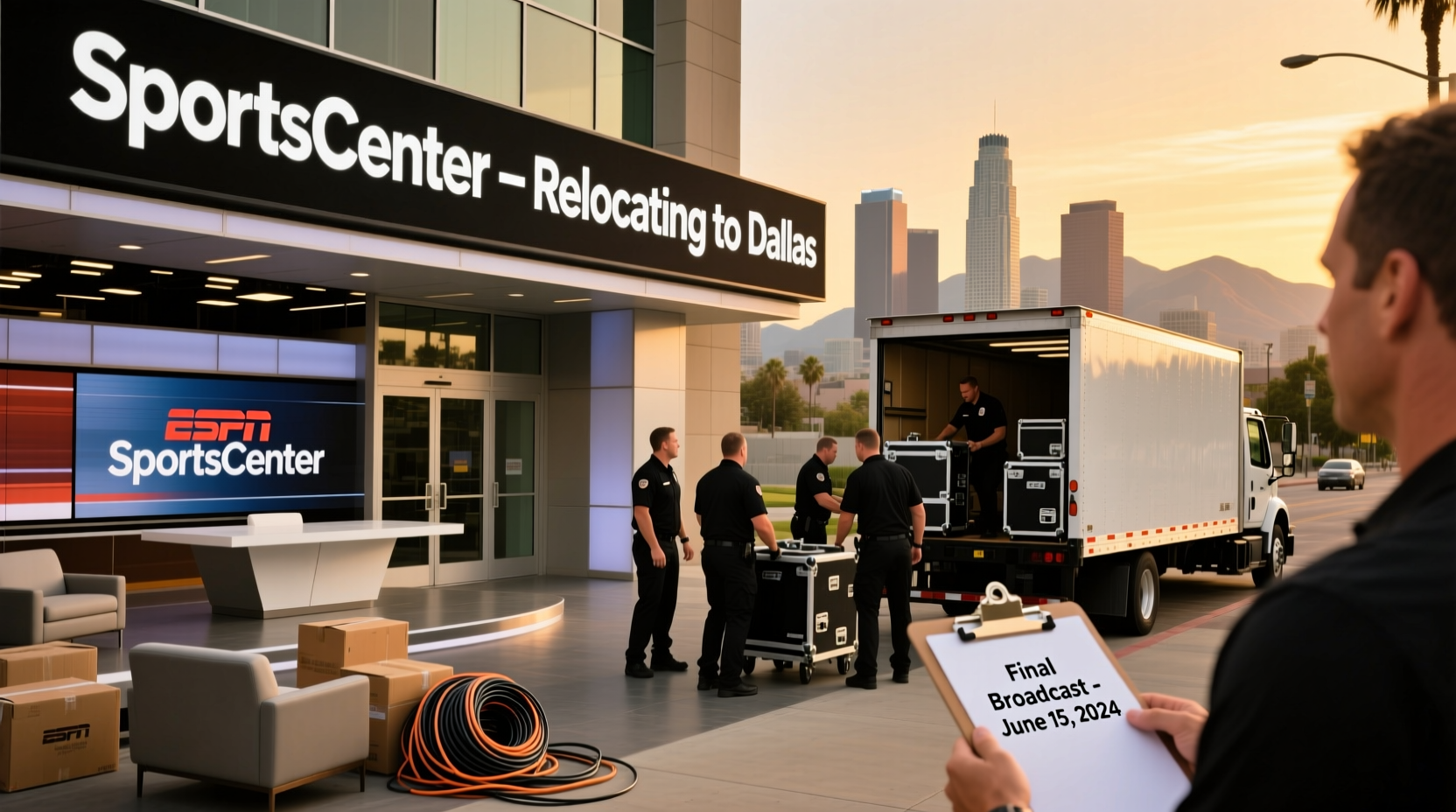
Since 2004, ESPN has operated a state-of-the-art production facility in the Playa Vista neighborhood of Los Angeles. The campus was designed to support live broadcasts, digital content creation, and regional programming with a focus on West Coast sports culture. At its peak, the L.A. location produced multiple editions of SportsCenter daily, hosted by popular on-air personalities who brought a distinct California flavor to the program.
However, internal restructuring and financial pressures have led ESPN to reevaluate its operational footprint. In early 2023, parent company Disney announced plans to streamline operations across its cable networks, including workforce reductions and facility closures. As part of this effort, the decision was made to shutter the SportsCenter production arm in Los Angeles by the end of 2024.
“We’ve made the difficult but necessary decision to consolidate our SportsCenter production into our primary hubs. While we deeply value the contributions of our Los Angeles team, aligning our resources ensures long-term sustainability.” — Norby Williamson, Executive Vice President, Studio Production, ESPN
Why Is SportsCenter Leaving Los Angeles?
The closure isn’t due to a single factor but rather a confluence of strategic, economic, and technological changes affecting the media landscape.
- Cost Reduction: Maintaining a full-scale broadcast studio in one of the most expensive real estate markets in the U.S. comes with high overhead. Consolidating production in Bristol reduces facility, staffing, and logistics costs.
- Workforce Optimization: ESPN has undergone multiple rounds of layoffs since 2022. Centralizing operations allows for more efficient staffing and scheduling across time zones.
- Digital Shift: With audiences increasingly consuming highlights and analysis through ESPN.com, the ESPN app, and social media, the need for regionally anchored linear broadcasts has diminished.
- Remote Broadcasting Capabilities: Advances in cloud-based production tools and remote contribution systems mean anchors and analysts can appear on-air from virtually anywhere—eliminating the necessity of being physically present in L.A.
Relocation Timeline and Operational Changes
The transition is being executed in phases to minimize disruption to viewers and staff.
- Q1–Q2 2024: Gradual reduction in locally produced SportsCenter editions from L.A. Fewer live shows, increased reliance on Bristol-based broadcasts fed to West Coast audiences.
- Mid-2024: Final live SportsCenter broadcast from Los Angeles airs. A special retrospective episode honors the legacy of the West Coast team.
- Q3 2024: On-air talent based in L.A. are offered relocation packages or transitions to remote contributor roles. Some are absorbed into other ESPN digital initiatives.
- Q4 2024: Full decommissioning of the Playa Vista studio’s SportsCenter infrastructure. Equipment is relocated or sold; remaining staff are either reassigned or let go.
While the physical production ends, some branding elements like “SportsCenter: West Coast Edition” may continue as digital banners or social media series, though without dedicated L.A.-based crews.
Talent Impact and Career Transitions
The closure affects not just producers and technicians but also well-known on-air personalities who built their careers in the L.A. studio. Anchors such as Elle McNamara, Chris Fowler (who occasionally contributed), and former host Jay Harris were closely associated with the West Coast edition.
ESPN has stated that affected employees were given priority consideration for open roles at other facilities. Some talent has transitioned to remote hosting duties, while others have moved into podcasting, digital reporting, or left the network altogether.
“Leaving the L.A. studio doesn’t mean the end of diverse voices on SportsCenter—it means adapting to a new model where geography matters less than expertise and chemistry.” — Sarah Spain, ESPN Anchor and Columnist
Comparison: Pre- vs. Post-L.A. SportsCenter Operations
| Aspect | Before Relocation (Pre-2024) | After Relocation (2025+) |
|---|---|---|
| Production Locations | Bristol, CT + Los Angeles, CA | Bristol, CT (primary); remote contributors |
| Daily Broadcasts | 6–8 live shows (including West Coast-specific editions) | 4–5 centralized broadcasts with time-zone adjustments |
| On-Air Talent Base | Dual-hub model with L.A.-based anchors | Primarily Bristol-based; remote appearances allowed |
| Production Costs | Higher (two studios, duplicate teams) | Reduced by ~30% after consolidation |
| Digital Integration | Moderate (separate web teams) | High (unified content pipeline) |
What Viewers Can Expect Going Forward
Audiences will still receive timely highlights, breaking news, and analysis—but the delivery method is shifting. The traditional 8 PM PT SportsCenter will now originate from Connecticut, potentially featuring delayed local commentary or pre-recorded segments from West Coast reporters.
Viewers concerned about losing regional relevance should note that ESPN continues to invest in localized digital content. Platforms like ESPN+, the ESPN app, and YouTube channels offer targeted coverage of teams like the Lakers, Rams, Dodgers, and Chargers—often produced independently of the main SportsCenter feed.
Mini Case Study: How One Anchor Adapted
Take the example of Marcellus Wiley, a former NFL player and SportsCenter anchor based in L.A. When news of the closure broke, Wiley was faced with a choice: relocate to Connecticut or leave the daily broadcast role. Instead, he negotiated a new contract focusing on opinion-driven digital content and podcast appearances. His show, *Wiley & The Gang*, now streams weekly via ESPN+ and integrates clips into SportsCenter segments. His experience illustrates how talent is pivoting toward flexible, platform-agnostic roles in the new ESPN ecosystem.
FAQ: Common Questions About the Move
Will any SportsCenter broadcasts still come from California?
No live daily broadcasts will originate from California after Q4 2024. However, occasional special editions or event coverage (e.g., during the Super Bowl or NBA Finals) may use temporary setups in L.A.
Are jobs being eliminated because of this move?
Yes. Approximately 70 production and technical staff positions tied to the L.A. studio were affected. ESPN offered severance packages and internal transfer opportunities, but not all roles were preserved.
Does this mean ESPN is abandoning the West Coast market?
No. ESPN remains committed to covering West Coast sports extensively through digital platforms, remote reporting, and partnerships with local journalists. The closure is operational, not editorial.
Action Checklist for Fans and Professionals
Whether you’re a viewer or someone working in sports media, here’s how to adapt to the changes:
- ✅ Update your viewing schedule—check ESPN’s broadcast grid for updated air times.
- ✅ Follow your favorite anchors on social media—they may be transitioning to digital-only roles.
- ✅ Explore ESPN’s app and website for localized content that replaces regional TV editions.
- ✅ If you're in the industry, consider developing remote broadcasting skills (lighting, audio, teleprompter use).
- ✅ Subscribe to ESPN podcasts and YouTube channels for deeper dives beyond the nightly highlights.
Conclusion: A New Chapter for SportsCenter
The departure of SportsCenter from Los Angeles marks the end of a bold experiment in decentralized sports broadcasting. While the move signals cost-cutting and adaptation to leaner operations, it also opens doors for innovation in how sports news is delivered. The soul of SportsCenter isn’t tied to a city—it lives in its storytelling, its pace, and its connection to fans.
💬 What do you think about SportsCenter leaving L.A.? Share your memories of West Coast editions or your thoughts on the future of sports broadcasting in the comments below.








