Pickleball has exploded from a backyard pastime into one of the fastest-growing sports in North America. What was once considered a niche activity for retirees is now played in schools, parks, community centers, and even professional arenas. The surge in participation isn’t just anecdotal—data shows double-digit annual growth, with millions of new players joining every year. But what exactly is driving this sudden popularity? Who is playing, and why does it resonate so strongly across generations and lifestyles? The answer lies in a unique blend of accessibility, social engagement, and demographic shifts that have created the perfect conditions for a sporting renaissance.
The Rapid Rise of Pickleball: By the Numbers
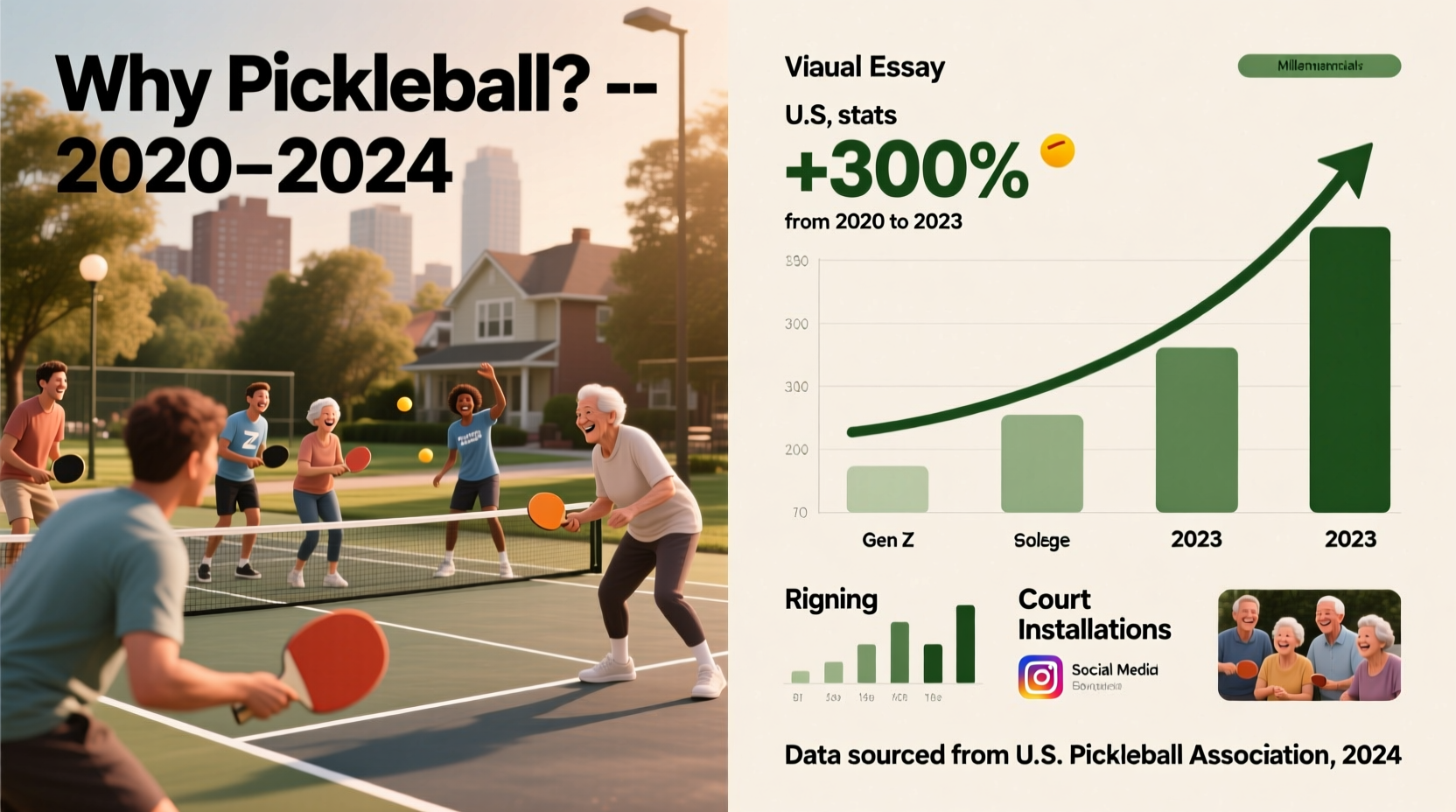
In 2019, the Sports & Fitness Industry Association (SFIA) estimated around 4.8 million pickleball players in the United States. By 2023, that number had ballooned to over 8.9 million—a near doubling in just four years. The Professional Pickleball Association (PPA) reports that tournament participation has grown by more than 50% annually since 2020. This isn't just a flash-in-the-pan trend; it's a cultural shift in how people engage with recreational sports.
Part of the sport’s expansion comes from institutional adoption. Cities are converting underused tennis courts into pickleball layouts. YMCA centers, retirement communities, and high schools are adding pickleball programs. Even major brands like Selkirk and Paddletek have seen revenue grow by over 200% in recent years, signaling strong consumer demand.
Tip: If you're new to pickleball, start with a beginner clinic at your local rec center—many offer free or low-cost intro sessions.Demographics Driving the Growth
While early adopters were largely older adults seeking low-impact exercise, today’s pickleball players span all ages and backgrounds. The SFIA’s latest participation report reveals a surprising diversification:
| Age Group | % of Players | Primary Motivation |
|---|---|---|
| 55–64 | 31% | Social connection, joint-friendly exercise |
| 65+ | 27% | Maintaining mobility, community |
| 35–54 | 26% | Fitness, family activity, competitive play |
| 18–34 | 16% | Casual fun, social media exposure, college clubs |
What stands out is not just the dominance of older players, but the growing presence of middle-aged and younger participants. Millennials and Gen Z are discovering pickleball through viral TikTok clips, college intramurals, and mixed-generation family games. Unlike many traditional racquet sports, pickleball doesn’t require years of training to enjoy. This inclusivity is central to its broad demographic appeal.
“Pickleball is the first sport in decades that truly bridges generational gaps. Grandparents can play with grandkids on equal footing.” — Dr. Laura Simmons, Professor of Kinesiology, University of Oregon
The Universal Appeal: Why People Are Hooked
The reasons behind pickleball’s widespread appeal go beyond convenience. It combines physical activity with psychological rewards in a way few other sports do. Here are the key factors fueling its popularity:
- Low Barrier to Entry: No prior athletic experience needed. Lightweight paddles, slower balls, and smaller courts make it easy for beginners to pick up quickly.
- Social Interaction: Played primarily in doubles, the game fosters conversation, teamwork, and camaraderie. Many players cite friendships as their main reason for continuing.
- Physical Accessibility: With minimal running and impact, it’s ideal for people with joint issues, older adults, or those recovering from injury.
- Strategic Depth: Despite its simplicity, pickleball involves finesse, placement, and timing. Skilled players use dinks, lobs, and drop shots to outmaneuver opponents, offering long-term engagement.
- Fast-Paced Fun: Games are short (usually 11 points), allowing multiple matches in an hour. There’s little downtime, keeping energy levels high.
This combination creates what psychologists call “flow state”—a mental zone where challenge and skill are balanced, leading to deep enjoyment. Unlike solitary workouts or highly competitive leagues, pickleball offers both structure and spontaneity, making it uniquely satisfying.
A Real-World Example: The Case of Sun City West
In Sun City West, Arizona, a retirement community with over 20,000 residents, pickleball has transformed social life. In 2018, the recreation center had two dedicated courts. Today, there are 36—and they’re booked from dawn to dusk.
One resident, 72-year-old Margaret Tran, started playing after hip replacement surgery. “I wasn’t sure I’d ever be active again,” she says. “But pickleball let me move without pain. Now I play three times a week and have made more friends than I did in the first ten years here.”
The community has seen measurable benefits: reduced loneliness complaints, increased physical activity among seniors, and even lower rates of seasonal depression. Local clinics now prescribe “pickleball therapy” as part of wellness plans.
How Communities Are Adapting
The demand for pickleball has forced cities and private facilities to rethink how they allocate recreational space. Some tennis clubs have converted half their courts, while others are building hybrid surfaces that accommodate both sports. Public parks departments are holding town halls to address noise concerns and court access disputes.
But innovation isn’t limited to infrastructure. Apps like Pickl and PicklePlay help players find games, track stats, and join local leagues. Tournaments now offer prize money, livestreaming, and sponsorships—hallmarks of professionalization.
Schools are also getting involved. Physical education teachers report higher student engagement when pickleball units are introduced compared to traditional options like dodgeball or basketball. Its cooperative nature reduces intimidation, especially for less athletic students.
Tip: Use court tape to mark temporary lines on basketball or tennis courts if permanent ones aren’t available.Checklist: How to Get Started in Pickleball
Ready to try pickleball? Follow these steps to begin confidently:
- Find a nearby court: Check local parks, YMCAs, or community centers using the USA Pickleball facility locator.
- Get basic gear: Purchase a beginner-friendly paddle ($50–$80) and outdoor pickleballs (plastic with holes).
- Learn the rules: Focus on the double-bounce rule, non-volley zone (“kitchen”), and scoring (games to 11, win by 2).
- Take a lesson: Many facilities offer free clinics for newcomers.
- Join a social play session: Look for “open play” or “drop-in” events to meet players at your level.
- Wear proper shoes: Court shoes with lateral support prevent slips and ankle strain.
- Play regularly: Consistency builds skill and connection—aim for 1–2 sessions per week.
Challenges and Criticisms
With rapid growth comes friction. Tennis players have protested court conversions, arguing that shared spaces should remain balanced. Noise from frequent ball popping and player chatter has led to complaints in residential areas. Some purists worry that commercialization—especially with televised pro tours and expensive equipment—could alienate casual players.
To address these concerns, many municipalities are adopting zoning strategies: designating specific hours for pickleball, installing sound barriers, or building standalone courts in underutilized lots. Organizations like USA Pickleball have launched “Respect the Game” campaigns promoting etiquette, quiet hours, and inclusive behavior.
Still, the sport’s core ethos remains rooted in fun and inclusion. As one player put it: “We’re not trying to replace tennis—we’re just having a good time.”
Frequently Asked Questions
Is pickleball only for older people?
No. While it gained early traction among older adults due to its low-impact nature, pickleball is now played by people of all ages. Youth programs, college clubs, and pro tours feature athletes in their 20s and 30s. The game’s adaptability makes it enjoyable regardless of age or fitness level.
Do I need to be athletic to play pickleball?
Not at all. The smaller court size and slower ball speed mean you don’t need elite reflexes or endurance. Many beginners hit the ball effectively within their first session. As you progress, you can increase intensity—but the entry point is remarkably accessible.
Can I play pickleball indoors and outdoors?
Yes. Outdoor pickleball uses wind-resistant plastic balls, while indoor versions use lighter, softer balls with larger holes. The rules are nearly identical, though indoor play tends to emphasize control over power. Many gyms and recreation centers offer year-round indoor leagues.
Conclusion: A Sport Built for the Moment
Pickleball’s sudden popularity isn’t accidental. It emerged at a time when people crave connection, movement, and accessible joy. After years of isolation during global health crises, a sport that encourages face-to-face interaction, light competition, and intergenerational play feels like a breath of fresh air. Its demographic reach—from teens to octogenarians—proves that well-designed recreation can transcend age, ability, and background.
More than just a fad, pickleball represents a shift in how we think about fitness and community. It’s not about breaking records or achieving peak performance—it’s about showing up, swinging a paddle, and sharing a laugh. Whether you’re looking to stay active, make friends, or simply try something new, pickleball offers a welcoming door.
💬 Have you tried pickleball? Share your experience or ask questions in the comments—let’s build a community of players helping each other grow!








