Pickleball’s rapid ascent from backyard novelty to national phenomenon has surprised even seasoned sports analysts. Once dismissed as a pastime for retirees with paddles and wiffle balls, it now dominates community centers, schools, and recreational leagues across the U.S. Courts are booked months in advance, tournaments draw thousands, and the signature “pop” of paddle on ball echoes through neighborhoods morning and evening. So what explains this sudden surge? The answer lies in a rare alignment of accessibility, social appeal, health benefits, and cultural timing.
The Perfect Storm: Accessibility Meets Social Fitness
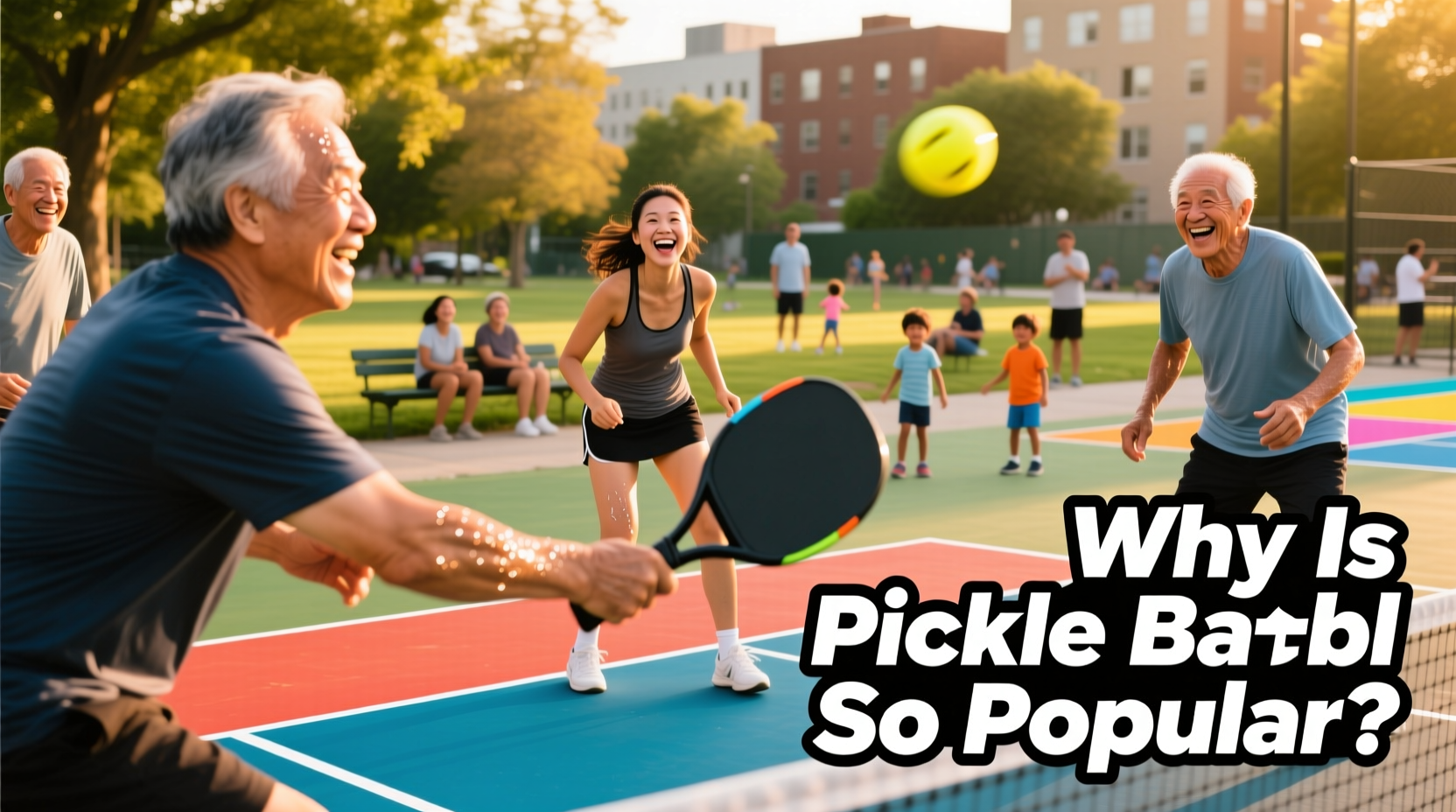
At its core, pickleball is designed to be easy to learn but challenging to master. The rules borrow from tennis, badminton, and ping-pong, creating a hybrid that feels familiar yet refreshingly simple. The court is just 20x44 feet—about a third the size of a tennis court—making movement manageable for players of all ages and fitness levels. The lightweight paddle and perforated plastic ball reduce strain on joints, allowing older adults to play without pain while still offering enough speed and spin to engage competitive athletes.
This low barrier to entry is critical. Unlike sports requiring years of training or peak physical conditioning, most newcomers can serve, volley, and score within their first session. This instant gratification fosters confidence and encourages repeat play. But beyond mechanics, pickleball thrives because it’s inherently social. Games are typically played in doubles, fostering conversation, laughter, and camaraderie. Many courts host “open play” sessions where strangers pair up, forming impromptu teams and lasting friendships.
Tip: If you're new to pickleball, attend an open play session during off-peak hours (weekday mornings) to get personalized tips from experienced players.A Sport for All Ages—and Generations
One of pickleball’s most remarkable traits is its intergenerational appeal. It’s not uncommon to see teenagers playing alongside grandparents, or couples in their 30s partnering with neighbors in their 70s. This inclusivity defies traditional age-based activity silos and creates unique bonding opportunities. Families use it as quality time; retirement communities adopt it as a wellness cornerstone; schools introduce it to students as part of physical education curricula.
The sport’s adaptability makes this possible. Players can adjust intensity based on ability—seniors might focus on placement and strategy, while younger athletes bring power and agility. The non-threatening environment reduces performance anxiety, making it ideal for those returning to exercise after injury or long breaks. According to the Sports & Fitness Industry Association (SFIA), over 8.9 million people played pickleball in 2023, a 30% year-over-year increase, with growth spanning every age group under 55 surging particularly fast.
“Pickleball is the only sport I’ve seen where a 25-year-old and a 75-year-old can compete on equal footing—not just coexist, but genuinely enjoy the same game.” — Dr. Linda Chen, Professor of Kinesiology, University of Oregon
The Infrastructure Boom: Courts, Leagues, and Local Investment
Popularity breeds infrastructure, and pickleball is no exception. Municipalities, parks departments, and private clubs are converting underused tennis and basketball courts into dedicated pickleball spaces. Some cities have installed temporary nets and boundary lines on parking lots and schoolyards to meet demand. In 2023 alone, the U.S. added over 5,000 new permanent pickleball courts, with another 10,000 in planning stages.
Leagues and tournaments have followed suit. From casual weekly round-robin events to nationally ranked competitions like the USA Pickleball National Championships, organized play provides goals, structure, and recognition. Local businesses sponsor teams, and media coverage—once nonexistent—is now regular on regional news and niche sports networks.
| Feature | Tennis | Pickleball |
|---|---|---|
| Court Size | 78x36 ft (singles) | 20x44 ft |
| Ball Type | Felt-covered rubber | Perforated plastic |
| Net Height | 3 ft at center | 36 in at sidelines, 34 in at center |
| Learning Curve | Moderate to steep | Gentle, beginner-friendly |
| Average Player Age (2023) | 45–55 | Shifting from 60+ to 35–50 |
| Social Emphasis | Varies by club | Strongly encouraged |
The Noise Factor: Why the \"Pop\" Divides Communities
No discussion of pickleball’s popularity would be complete without addressing its most controversial feature: the noise. The sharp, repetitive “pop” of paddle striking ball—especially from composite paddles—can carry over 100 yards. For nearby residents, especially in densely populated areas, this sound becomes a persistent nuisance, often described as resembling popcorn kernels bursting or golf practice on concrete.
Complaints have led to legal disputes, curfews, and even court closures in some suburbs. In Scottsdale, Arizona, residents filed a class-action lawsuit over nighttime play disturbing sleep. In Portland, Oregon, city officials imposed decibel limits and restricted hours. These conflicts highlight a growing tension between active recreation and residential peace.
Yet, the noise also symbolizes the sport’s vibrancy. That same “pop” is music to players’ ears—a sign of engagement, energy, and life. Rather than suppress it entirely, many communities are adopting smart solutions: installing sound-absorbing fencing, using quieter polymer balls, scheduling quiet hours, and placing courts farther from homes. The key is balance—respecting both the right to play and the right to quiet.
Tip: Use indoor-rated or “quiet” pickleballs if playing near residential zones—they reduce noise by up to 30% without sacrificing gameplay.Step-by-Step: How to Get Started in Pickleball
Joining the pickleball movement doesn’t require special gear or elite fitness. Follow this practical guide to begin confidently:
- Find a Court: Use apps like PicklePlay or USAPickleball.org to locate public or community courts near you.
- Grab Basic Gear: Purchase a beginner-friendly paddle (midweight, around $50) and a few outdoor balls (Dura Fast 40 or ONIX Pure 2G).
- Learn the Rules: Focus on three essentials: the double bounce rule (both teams must let the ball bounce once before volleys), the non-volley zone (the 7-foot “kitchen” where you can’t hit out of the air), and scoring (only the serving team scores, games to 11, win by 2).
- Attend a Clinic: Many parks offer free or low-cost introductory classes. These help correct form and prevent common mistakes like stepping into the kitchen fault.
- Play Doubles First: Doubles reduce pressure, increase social interaction, and allow beginners to share court coverage.
- Observe Court Etiquette: Rotate fairly, call your own lines honestly, and welcome new players. The culture values respect and inclusion.
Real Example: How One Town Transformed Its Community Center
In Asheville, North Carolina, the Southside Community Center faced declining attendance and budget cuts in 2021. Staff noticed seniors gathering informally to play makeshift pickleball on a repurposed handball court. Instead of shutting it down, they applied for a grant to install two permanent courts, purchased paddles and balls, and launched a beginner program.
Within six months, participation tripled. The average age of attendees dropped from 72 to 58 as younger families joined. Weekly “mixer” events paired new players with veterans, reducing isolation among older adults. Local restaurants reported increased weekday traffic from players grabbing lunch post-game. By 2023, the center had expanded to four courts and hosted a regional tournament, generating revenue and civic pride.
“We didn’t just add a sport,” said director Maria Tran. “We reignited a sense of belonging. People come early to chat, stay late to debrief, and text each other between sessions. That’s what pickleball does—it connects people.”
Checklist: Is Pickleball Right for You?
- ✅ Looking for low-impact cardiovascular exercise?
- ✅ Want to meet new people in a relaxed setting?
- ✅ Prefer fast-paced but short-duration workouts (games last 20–30 minutes)?
- ✅ Enjoy strategy and precision over brute strength?
- ✅ Open to learning a new skill with immediate feedback?
- ✅ Willing to embrace a bit of friendly competition?
If you answered yes to most of these, pickleball is likely a strong fit. Even if you’re unsure, one session can clarify whether it resonates with your lifestyle.
Frequently Asked Questions
Is pickleball really easier than tennis?
Yes, for most beginners. The smaller court reduces running, the lighter paddle eases arm strain, and the slower ball allows more reaction time. However, advanced pickleball involves complex dinks, lobs, and third-shot drops that challenge even elite athletes.
Do I need special shoes?
While not mandatory, court-specific pickleball or tennis shoes provide lateral support and prevent slips. Running shoes are not recommended due to their rear-focused cushioning, which increases ankle injury risk during side-to-side movements.
Why is it called pickleball?
The origin is debated. One story claims it was named after a family dog, Pickles, who chased balls. More likely, co-founder Joel Pritchard’s wife, Joan, said the game reminded her of a “pickle boat” in crew racing—a mix of leftover oarsmen. The name stuck, though the dog story remains popular.
Conclusion: Join the Movement—Responsibly
Pickleball’s popularity isn’t a fad. It’s the result of a sport uniquely suited to modern needs: accessible, social, physically beneficial, and emotionally rewarding. It fills a gap left by increasingly sedentary lifestyles and fragmented communities. As more people discover its joys—from the thrill of a well-placed dink to the laughter after a wild rally—its momentum will only grow.
But with growth comes responsibility. Players should respect noise limits, follow local regulations, and welcome newcomers of all backgrounds. Communities must invest wisely in infrastructure while balancing recreational access with neighborhood harmony.
🚀 Ready to try pickleball? Find a local court, grab a friend, and step onto the court. Whether you’re 25 or 75, athlete or couch enthusiast, there’s a place for you in this vibrant, noisy, and welcoming world.








