
In recent years, many U.S. citizens have found themselves frustrated by unexpectedly long wait times when renewing their passports. What was once a process that could be completed in a few weeks now often stretches into months, especially during peak travel seasons. This delay affects not only vacation plans but also business trips, family reunions, and emergency travel. Understanding the reasons behind these extended processing times—and knowing how to navigate them—can help travelers plan more effectively and avoid last-minute surprises.
Factors Contributing to Extended Passport Processing Times
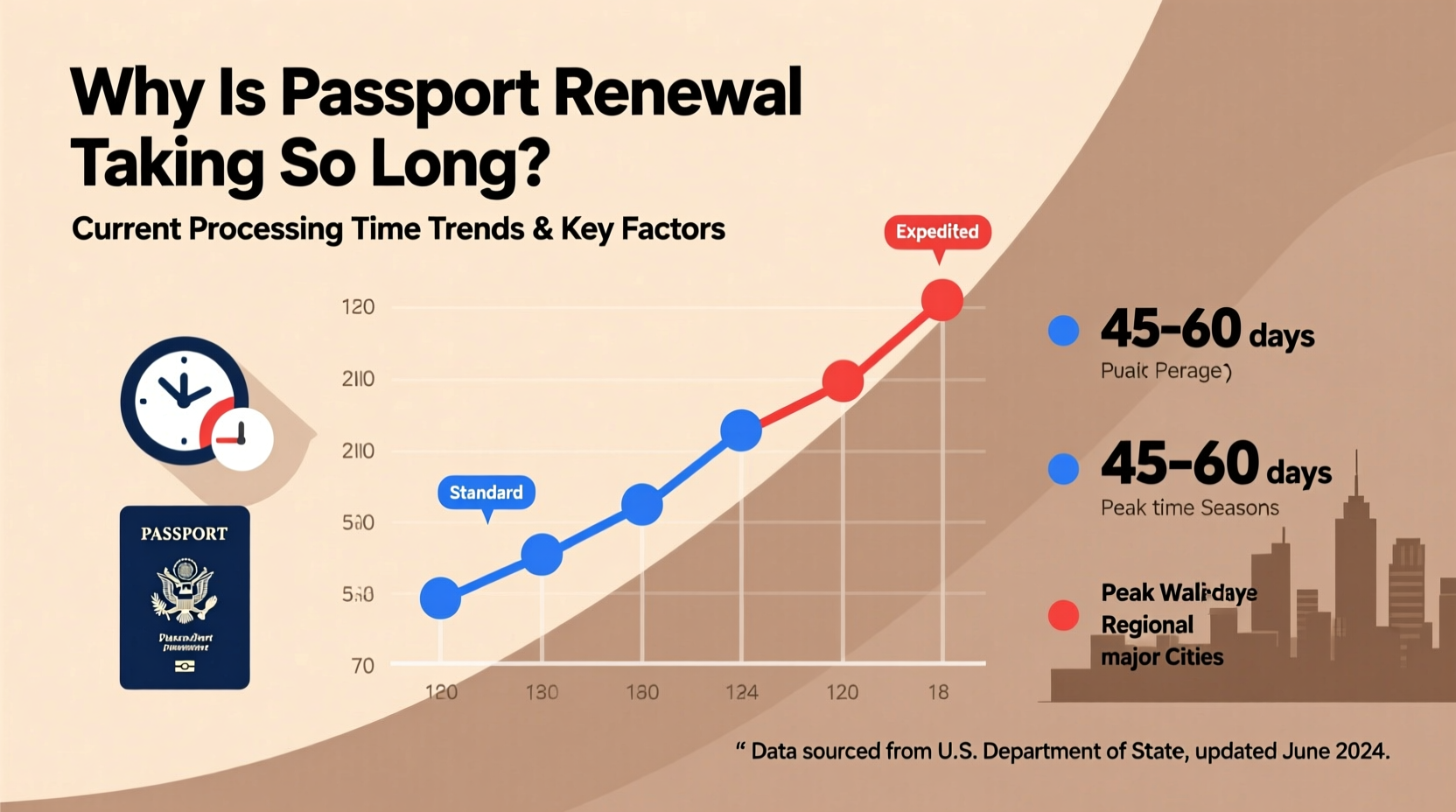
The slowdown in passport renewal processing is not due to a single cause but rather a combination of systemic, logistical, and societal factors. The U.S. Department of State, which oversees passport services through the Bureau of Consular Affairs, has been working under increased demand while managing staffing, infrastructure, and security challenges.
One of the most significant contributors is the surge in international travel following the easing of pandemic-related restrictions. In 2022 and 2023, millions of Americans resumed overseas travel, leading to an unprecedented volume of passport applications. The State Department reported processing over 17 million passports in fiscal year 2023—the highest number in its history—straining existing systems and personnel.
Additionally, staffing shortages at passport agencies and acceptance facilities have compounded delays. Many employees retired or left during the pandemic, and hiring and training replacements takes time. Regional passport agencies, which handle expedited requests, are operating at capacity, often prioritizing urgent cases such as medical emergencies or funerals.
Another factor is the increased scrutiny applied to each application. To prevent fraud and identity theft, every submission undergoes multiple verification steps. While essential for security, this thorough review process naturally slows down throughput, especially when combined with outdated IT infrastructure that cannot efficiently manage high volumes.
Tip: Apply for passport renewal at least 6–8 months before your planned international trip to account for potential delays.Current Processing Time Trends (2024)
As of mid-2024, standard passport renewal processing times range from 8 to 12 weeks, according to the U.S. Department of State’s official estimates. Expedited service reduces this to 5 to 7 weeks, though even these timelines are not guaranteed during peak periods like spring and summer.
Processing times fluctuate based on several variables:
- Time of year: Demand spikes between January and August, coinciding with school breaks and holiday travel.
- Application method: Mail-in renewals typically take longer than appointments at passport acceptance facilities.
- Completeness of application: Incomplete forms or missing documents result in rejection or delays, adding weeks to processing.
- Geographic location: Some regional agencies report faster turnaround due to lower local demand or better staffing.
The State Department updates processing timelines weekly on its website, but these are estimates—not guarantees. During high-volume periods, actual processing may exceed published windows by several weeks.
Passport Renewal Processing Times: Standard vs. Expedited (2024 Average)
| Service Type | Processing Time | Additional Notes |
|---|---|---|
| Standard Processing | 8–12 weeks | No guarantee; subject to backlog and seasonal demand |
| Expedited Processing | 5–7 weeks | $60 extra fee; must mark envelope “EXPEDITE” |
| Expedited + Overnight Delivery | 4–6 weeks | Recommended for faster return; additional shipping costs apply |
| Regional Agency Appointment | Within 72 hours | Must prove life-or-death emergency or imminent international travel (within 14 days) |
“Even with expedited service, we’re seeing a 20% increase in processing variance compared to pre-pandemic levels. Applicants should assume worst-case scenarios when planning.” — James Holloway, Senior Advisor, American Association of Passport Holders
Step-by-Step Guide to Renewing Your Passport Efficiently
While you can’t control the overall system, you can minimize personal delays by following a structured approach. Here’s a practical timeline to ensure your renewal goes as smoothly as possible:
- Check Expiration Date (6–8 Months Before Travel): Many countries require at least six months of validity beyond your return date. Don’t wait until your passport expires.
- Determine Eligibility for Renewal by Mail: If your current passport is undamaged, issued within the last 15 years, and to you when you were 16 or older, you likely qualify to renew by mail using Form DS-82.
- Gather Required Documents: You’ll need your most recent passport, a completed DS-82 form, one passport photo meeting specifications, and payment for fees (check payable to “U.S. Department of State”).
- Submit Application Early: Mail your application to the appropriate address listed on the State Department website. Use certified mail with tracking to confirm delivery.
- Consider Expedited Service: If traveling within three months, opt for expedited processing and include the $60 fee. Add overnight delivery both ways for maximum speed.
- Monitor Status Online: Use the travel.state.gov website to check your application status starting five days after mailing.
- Prepare for Contingencies: If your passport hasn’t arrived two weeks before departure, contact the National Passport Information Center or schedule an emergency appointment if eligible.
Mini Case Study: Sarah’s Summer Trip Rescue
Sarah, a teacher from Denver, planned a two-week European tour with her family for July. She assumed her passport—issued in 2013—was still valid. In May, she attempted to renew it by mail, expecting a 10-week turnaround. However, her application was delayed because she used a slightly outdated form (DS-82 v. 2022 vs. 2023). By the time the State Department returned her packet, only seven weeks remained before departure.
Luckily, Sarah had scheduled a backup appointment at a regional agency. She provided flight itineraries and applied for expedited service. After a four-hour wait at the Denver Passport Agency, she received her new passport the next day via overnight delivery. Her experience underscores the importance of using current forms and planning ahead—even when you think you’re on time.
Avoiding Common Mistakes That Cause Delays
Many processing delays are self-inflicted. Simple errors can add weeks to your wait. Below are frequent missteps and how to avoid them:
Tip: Always download the latest version of Form DS-82 directly from travel.state.gov the day you fill it out.- Using an expired or incorrect form: The State Department rejects outdated versions. Always verify the form number and revision date.
- Submitting poor-quality photos: Photos must be 2x2 inches, taken within six months, with a neutral background and expression. Avoid glasses, hats, or shadows.
- Mailing to the wrong address: There are multiple processing centers depending on your state and service type. Double-check the correct mailing address.
- Forgetting signature: The DS-82 requires a wet-ink signature above your printed name. Unsigned forms are automatically rejected.
- Not paying correct fees: Fees change periodically. As of 2024, a passport book renewal costs $130, plus a $35 execution fee if applying in person. Expedited service adds $60.
Do’s and Don’ts of Passport Renewal
| Do’s | Don’ts |
|---|---|
| Apply 6–8 months before travel | Wait until your passport expires |
| Use the latest DS-82 form from the official site | Use a downloaded copy from third-party websites |
| Include all required documents in one envelope | Send photos or checks separately |
| Track your application online | Call customer service daily for status updates |
| Request expedited service if traveling soon | Assume expedited means instant processing |
Frequently Asked Questions
Can I renew my passport if it’s expired?
Yes, as long as it was issued within the last 15 years, was issued to you when you were 16 or older, and is not significantly damaged. You can renew by mail using Form DS-82. If more than 15 years have passed, you must apply in person with Form DS-11.
What counts as a life-or-death emergency for urgent appointments?
The State Department defines emergencies as serious illness, injury, or death in your immediate family (spouse, child, parent, sibling) requiring international travel within 72 hours. Documentation such as a death certificate or hospital letter is required. For non-emergency urgent travel (within 14 days), you may still qualify for an appointment if you can prove travel necessity.
Is there any way to get my passport faster without an emergency?
If you’re traveling within 14 days, you may schedule an appointment at a regional passport agency or use a private expediting service. These third-party companies charge fees (often $200+) but can submit your application directly to the agency on your behalf, sometimes securing same-day processing. Ensure the service is reputable and registered with the State Department.
Final Recommendations and Proactive Planning
The reality is that passport processing delays are likely to persist in the near term. Increased global mobility, aging infrastructure, and staffing constraints create a bottleneck that won’t resolve overnight. However, individuals who plan ahead, follow instructions carefully, and understand the system can still navigate the process successfully.
Experts recommend treating passport renewal like any critical travel prerequisite—book it early, double-check requirements, and build in buffer time. Consider setting calendar reminders for expiration dates and renewal deadlines. If you travel frequently, explore whether you qualify for a 10-year passport or additional documentation like Global Entry, which can streamline re-entry but doesn’t replace the need for a valid passport.
“Passport readiness should be part of your annual travel prep, just like checking your suitcase or renewing your insurance. Waiting until the last minute turns manageable delays into full-blown crises.” — Dr. Lila Chen, International Mobility Researcher, Brookings Institution
Take Action Now
Don’t let bureaucratic delays derail your travel dreams. Whether you're planning a dream vacation, visiting family abroad, or attending an important international event, start your passport renewal today. Verify your eligibility, gather your documents, and submit your application well in advance. Share this information with friends and family—they’ll thank you when they avoid the stress of a last-minute scramble.
💬 Have a passport renewal story or tip to share? Join the conversation and help others navigate the system more smoothly. Your experience could make someone else’s trip possible.








