
A toilet that runs randomly can be more than just an annoyance—it’s a silent source of water waste, higher utility bills, and potential long-term damage. Unlike a constant running toilet, random cycling is trickier to diagnose because it doesn’t happen all the time. However, the root causes are often mechanical or chemical issues within the tank components. Understanding how your toilet works and what triggers intermittent flushing can help you identify and fix the problem efficiently.
How a Toilet Tank Works: The Basics
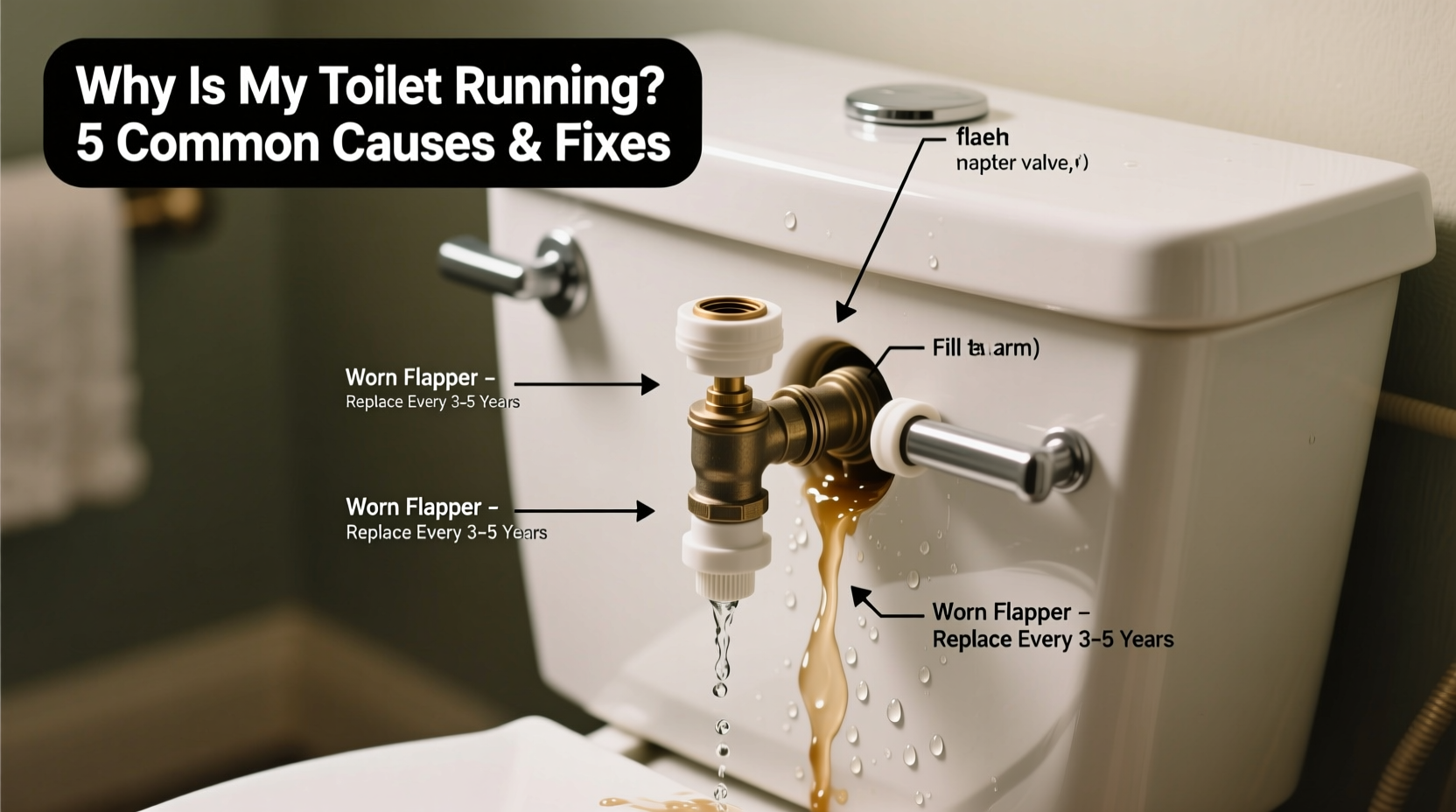
Toilets rely on a simple yet precise mechanism inside the tank to refill water after each flush and maintain a consistent water level. When you flush, the flapper lifts, allowing water to rush into the bowl. As the tank empties, the float drops, activating the fill valve. Once the tank refills to the proper level, the float rises and shuts off the valve. If any part of this system fails—especially due to wear, misalignment, or mineral buildup—the toilet may start running at odd times.
Random running typically occurs when the water level creeps above the overflow tube, causing a slow siphon effect, or when small leaks develop in the flapper or flush valve. These issues don’t always trigger immediate symptoms, which is why the toilet might run only once every few hours or seemingly at random.
Common Causes of Random Toilet Running
Several internal components can malfunction and cause intermittent running. Identifying the culprit requires inspection and sometimes a bit of patience. Below are the most frequent causes:
- Worn or warped flapper: The rubber flapper seals the flush valve at the bottom of the tank. Over time, it can degrade, crack, or become misaligned, allowing small amounts of water to leak into the bowl. This loss lowers the tank level, prompting the fill valve to cycle on periodically.
- Mineral buildup on the flush valve seat: Hard water leaves calcium and lime deposits that prevent the flapper from sealing tightly. Even minor seepage can trigger refilling cycles.
- Float set too high: If the float is adjusted above the overflow tube’s critical level, water continuously spills into the tube, mimicking a running toilet. This may not happen constantly but can appear random depending on water pressure fluctuations.
- Faulty or aging fill valve: Modern fill valves are durable, but after years of use, they can fail to shut off completely or chatter intermittently, leading to sporadic water flow.
- Cracked overflow tube or flush valve: Less common but possible, especially in older toilets. Hairline cracks can allow slow leaks that aren't visible until dye testing is performed.
- Loose or corroded chain: A chain that's too tight or tangled can prevent the flapper from seating properly, while a corroded chain may stick and cause delayed closure.
Step-by-Step Guide to Diagnose and Fix a Randomly Running Toilet
- Turn off the water supply: Locate the shutoff valve near the base of the toilet and turn it clockwise to stop water flow.
- Remove the tank lid: Set it aside gently on a towel to avoid breakage.
- Inspect the flapper: Check for warping, cracks, or algae buildup. Lift it slightly and examine the seal surface on the flush valve. Clean both surfaces with a soft cloth if needed.
- Test the chain: Ensure there’s about 1/4 inch of slack. Too much slack can trap water; too little can hold the flapper open.
- Adjust the float height: For ball floats, bend the arm down slightly. For cup-style floats, pinch the clip and slide it lower. The water should stop filling about 1 inch below the top of the overflow tube.
- Clean or replace the fill valve: If the valve hisses or continues to run after the tank fills, consider cleaning sediment from the inlet or replacing the unit entirely.
- Reassemble and test: Turn the water back on, let the tank refill, and observe for 20 minutes. Flush several times to ensure consistent operation.
Do’s and Don’ts When Fixing a Running Toilet
| Do’s | Don’ts |
|---|---|
| Use manufacturer-recommended replacement parts | Over-tighten plastic connections (can crack) |
| Clean components before reassembly | Ignore small leaks—they worsen over time |
| Check water level after adjustments | Use petroleum-based lubricants on rubber seals |
| Replace flappers every 3–5 years as preventive maintenance | Assume the problem is fixed without testing |
Mini Case Study: The Phantom Flush in a Busy Household
In a suburban home with three children, the bathroom toilet began running at unpredictable times—sometimes in the middle of the night, other times during showers. The homeowner initially assumed a faulty handle, but tightening it had no effect. After performing a dye test, blue water appeared in the bowl within 20 minutes, confirming a leak. Upon inspection, the flapper looked intact but was covered in a thin film of calcium. Cleaning didn’t help. Replacing the flapper with a universal model solved the issue immediately. The family saved an estimated 200 gallons per week, and the random noises stopped entirely.
“Many homeowners overlook the flapper because it looks fine. But rubber degrades from chlorine and heat, even if it doesn’t show visible cracks.” — Mark Reynolds, Master Plumber & Plumbing Instructor
Tips for Long-Term Prevention
Preventing future issues starts with regular maintenance and awareness. Toilets are low-maintenance appliances, but neglect leads to costly repairs or replacements.
Tip: Mark your calendar to inspect toilet tank components every six months. Replace flappers proactively—even if they seem functional.- Install a water-softening system if you live in a hard-water area to reduce mineral accumulation.
- Use tank cleaners sparingly. Some chemical tablets corrode rubber parts and shorten component life.
- Consider upgrading to a high-efficiency fill valve with leak detection features.
- Teach household members not to jiggle the handle unnecessarily, which wears out the chain and flapper.
FAQ
Why does my toilet run for only a few seconds every hour?
This is usually caused by a slow leak from the tank into the bowl, often due to a degraded flapper or dirty flush valve seat. The fill valve activates briefly to replace lost water, then shuts off—creating the illusion of random cycling.
Can a running toilet increase my water bill?
Yes. A continuously running toilet can waste up to 200 gallons per day. Even intermittent leaks can add $50–$100 monthly to your bill, depending on local rates and leak severity.
Is it worth repairing an old toilet, or should I replace it?
If the toilet is structurally sound and not cracked, repairs are cost-effective. Most random running issues stem from replaceable parts under $20. Full replacement is only necessary if the porcelain is damaged or the flush mechanism is obsolete.
Conclusion
A randomly running toilet is rarely a mystery once you understand how the internal components interact. From worn flappers to improperly adjusted floats, the causes are usually simple to diagnose and inexpensive to fix. By taking a methodical approach—inspecting, testing, and replacing key parts—you can restore quiet, efficient operation and prevent unnecessary water waste. Don’t wait for the problem to escalate. Address it now, and your wallet—and the environment—will thank you.
💬 Have a tricky toilet issue you’ve solved? Share your experience in the comments and help others troubleshoot their own plumbing puzzles!








