
If you rely on your monthly Social Security payment to cover essential expenses, a delayed check can cause significant stress. While payments are typically reliable and arrive on schedule, there are times when beneficiaries experience unexpected delays. Understanding why this happens—and knowing how to respond—can help you regain peace of mind and get your benefits back on track.
Social Security checks, whether delivered via direct deposit or paper check, follow a strict schedule based on your birth date and the type of benefit you receive (retirement, disability, or Supplemental Security Income). But even with automation and digital systems, disruptions occur. This article explores the most common causes of delayed payments, offers actionable steps to resolve them, and provides insight from experts who work within the system.
Common Reasons for Late Social Security Payments
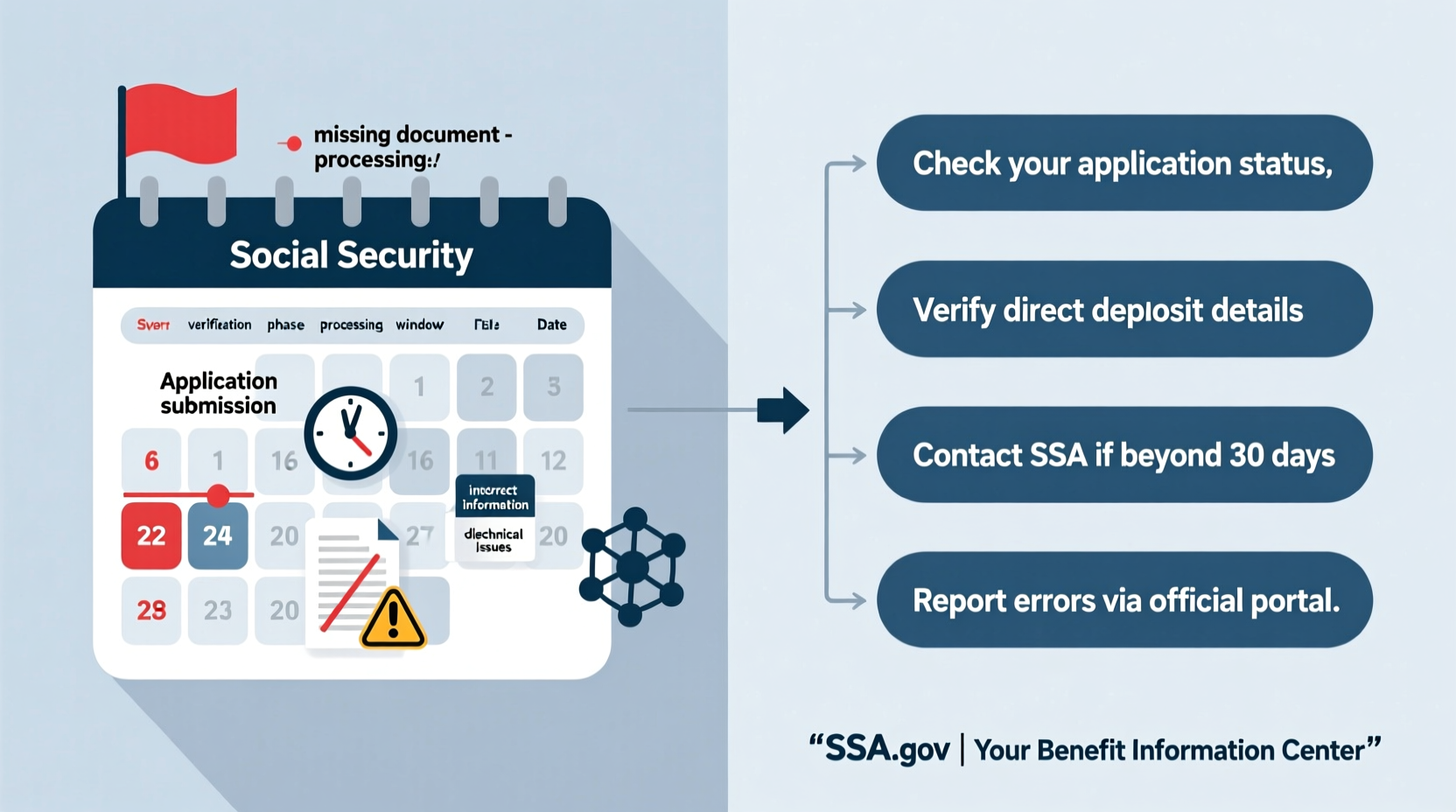
A late Social Security payment isn’t always due to an error on your end. Sometimes, the delay stems from administrative processes, banking issues, or changes in personal information that haven’t been updated. Below are the primary causes:
- Bank processing delays: Even if the Social Security Administration (SSA) sends your payment on time, your bank may take 1–2 business days to post it.
- Incorrect or outdated banking information: If you recently changed banks or made an error entering your account details, the deposit may fail or be returned.
- Holidays affecting disbursement dates: Federal holidays can shift payment schedules, especially for paper checks mailed through the U.S. Postal Service.
- Address changes not reported: If you moved and didn’t update your address with the SSA, your paper check could be sent to the wrong location or held until verified.
- Identity verification or fraud alerts: Suspicious activity or mismatched identification data can trigger a temporary hold on your account.
- Annual cost-of-living adjustment (COLA) processing: During the first payment of the year, minor delays may occur as systems adjust to new benefit amounts.
How Payment Schedules Work by Benefit Type
Knowing when to expect your payment is the first step in identifying a true delay. The SSA follows specific rules for disbursement based on the beneficiary’s birth date and program type.
| Benefit Type | Payment Date Rule | Example (April 2025) |
|---|---|---|
| Retirement (born 1st–10th) | Second Wednesday of the month | April 10 |
| Retirement (born 11th–20th) | Third Wednesday of the month | April 17 |
| Retirement (born 21st–31st) | Fourth Wednesday of the month | April 24 |
| Disability (SSDI) | Same as retirement, based on birth date | Varies |
| Supplemental Security Income (SSI) | Usually the 1st of the month; if a weekend/holiday, paid early | March 31 (for April) |
Note: SSI recipients typically receive payments on the last day of the prior month. For example, April’s SSI payment arrives on March 31 unless that date falls on a weekend or holiday.
Step-by-Step Guide to Resolving a Late Payment
If your payment hasn’t arrived by two business days after the expected date, follow these steps to investigate and resolve the issue:
- Wait 48 hours beyond the scheduled date: Allow time for bank processing, especially if you use a credit union or smaller financial institution.
- Check your bank account online: Confirm the payment wasn’t deposited under a different name or account number.
- Log in to your mySocialSecurity account: Visit ssa.gov/myaccount to view your payment history and status.
- Verify your contact and banking information: Ensure your direct deposit details and mailing address are up to date.
- Contact the Social Security Administration: Call 1-800-772-1213 (TTY 1-800-325-0778) between 8 a.m. and 7 p.m., Monday through Friday.
- Request a trace on your payment: If no deposit is found, ask the SSA to initiate a “payment trace” to locate your funds.
- File a claim for missing payment: If the trace confirms non-receipt, the SSA will reissue the payment, usually within 7–10 business days.
Real Example: When a Simple Address Change Caused a Delay
Linda, a 68-year-old retiree in Oregon, noticed her April Social Security deposit didn’t appear in her account by April 12. She had recently moved and updated her address online—but only partially completed the form. Because the SSA’s system flagged her address as “pending verification,” her direct deposit was temporarily suspended as a fraud prevention measure.
After calling the SSA, Linda provided proof of residency and confirmed her bank details. Within three days, her payment was released, and she received both the delayed amount and her next scheduled payment on time. Her experience highlights how small oversights can lead to avoidable delays.
“Many delays stem from mismatched data. Keeping your contact and financial information current with the SSA prevents over 80% of late-payment cases.” — Michael Tran, Senior Claims Specialist at Social Security Administration
Tips to Prevent Future Delays
Proactive management of your Social Security account can prevent most issues before they arise. Use the checklist below to stay ahead:
Checklist: Avoiding Payment Delays- ✅ Update your address immediately after moving
- ✅ Confirm direct deposit details after changing banks
- ✅ Monitor your mySocialSecurity account monthly
- ✅ Notify SSA of any name changes (e.g., marriage, legal name change)
- ✅ Keep your phone number and email current for alerts
- ✅ Review your payment schedule annually, especially around holidays
Frequently Asked Questions
What should I do if my direct deposit didn’t go through?
First, wait two business days past your expected payment date. Then, log into your mySocialSecurity account to confirm the payment was issued. If it shows as “processed” but not in your account, contact your bank. If the SSA hasn’t initiated the payment, call their national office to report the issue and request a trace.
Can I switch from paper checks to direct deposit to avoid delays?
Yes, and it’s strongly recommended. Direct deposit is faster, safer, and more reliable than paper checks. Over 99% of Social Security beneficiaries now use electronic payments. You can enroll or update your method through your online mySocialSecurity account.
Will I get interest if my Social Security check is late?
No, the SSA does not pay interest on delayed payments. However, once the issue is resolved, you will receive the full amount owed, including any missed payments, without deductions.
Conclusion: Stay Informed, Stay Paid
A late Social Security check can disrupt your budget, but most delays are resolvable with prompt action. By understanding the payment schedule, maintaining accurate personal information, and knowing how to respond when something goes wrong, you can minimize frustration and ensure timely access to your benefits.
The system is designed to support you—but it works best when you stay engaged. Take a few minutes each quarter to review your account details, and don’t hesitate to reach out to the SSA at the first sign of trouble. Your financial stability depends on it.
💬 Have you experienced a delayed Social Security payment? Share your story or tips in the comments to help others navigate similar situations.








